
Quartz Slab Thickness: 2cm vs 3cm in Georgia Homes – A Comprehensive Guide
Quartz Slab Thickness: 2cm vs 3cm in Georgia Homes – A Comprehensive Guide
When it comes to selecting the right surface materials for your home, the thickness of quartz slabs is a crucial consideration. In Georgia, homeowners and builders often face the decision of choosing between 2cm and 3cm quartz slabs. Each thickness has its unique characteristics, benefits, and applications. In this article, we will delve into the differences between 2cm and 3cm quartz slabs, exploring their suitability for various applications, aesthetic considerations, and much more.
Why Choose Premium Quartz Slabs?
Premium quartz slabs are an excellent choice for homeowners seeking durability, beauty, and versatility. Engineered from natural quartz crystals, these slabs offer a non-porous surface that resists stains, scratches, and heat, making them ideal for high-traffic areas such as kitchens and bathrooms. Additionally, quartz slabs come in a variety of colors and patterns, allowing homeowners to achieve their desired aesthetic.
Understanding Quartz Slab Thickness
Quartz slabs are available in various thicknesses, with 2cm (approximately 0.79 inches) and 3cm (approximately 1.18 inches) being the most common. The thickness of the slab can impact its performance, appearance, and cost.
2cm Quartz Slabs
2cm quartz slabs are lighter and more flexible than their 3cm counterparts. They are often used for:
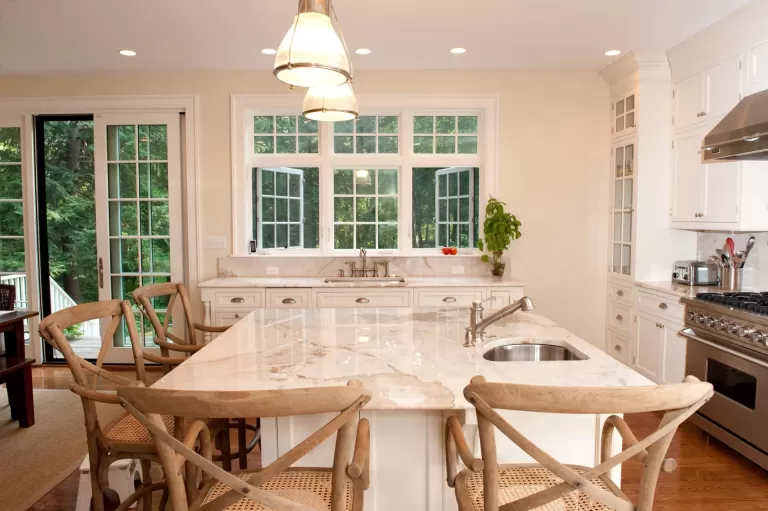
- Countertops: 2cm slabs can be used for kitchen and bathroom countertops, especially in areas where the surface does not need to support heavy loads.
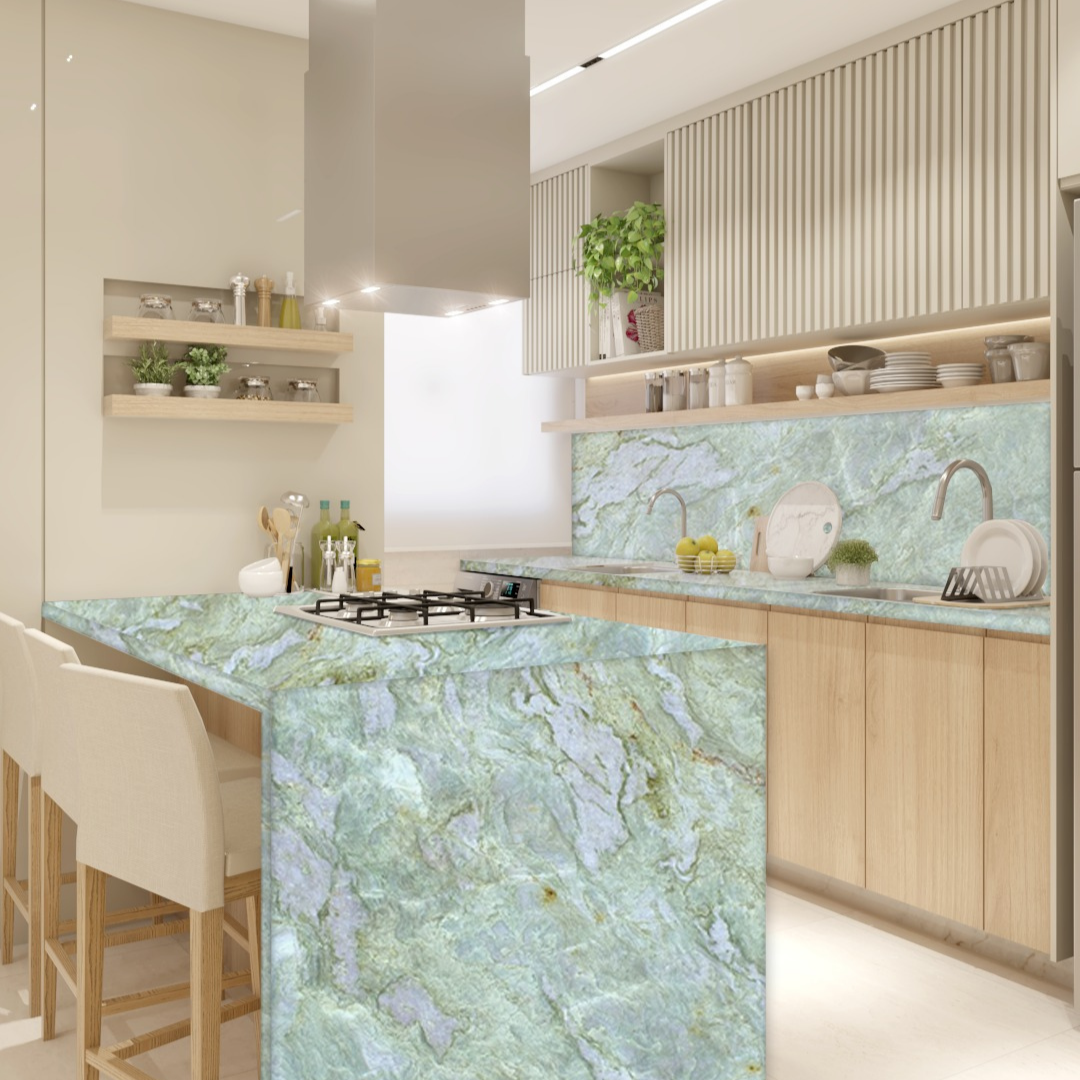
- Backsplashes: Their lighter weight makes them an excellent option for backsplashes, allowing for easier installation.
- Vertical Applications: 2cm slabs are ideal for wall cladding and other vertical surfaces.
While 2cm slabs are versatile, they may require additional support in certain applications, such as overhangs, as they are less robust than 3cm slabs.
3cm Quartz Slabs
3cm quartz slabs are thicker and denser, providing greater durability and strength. They are often preferred for:
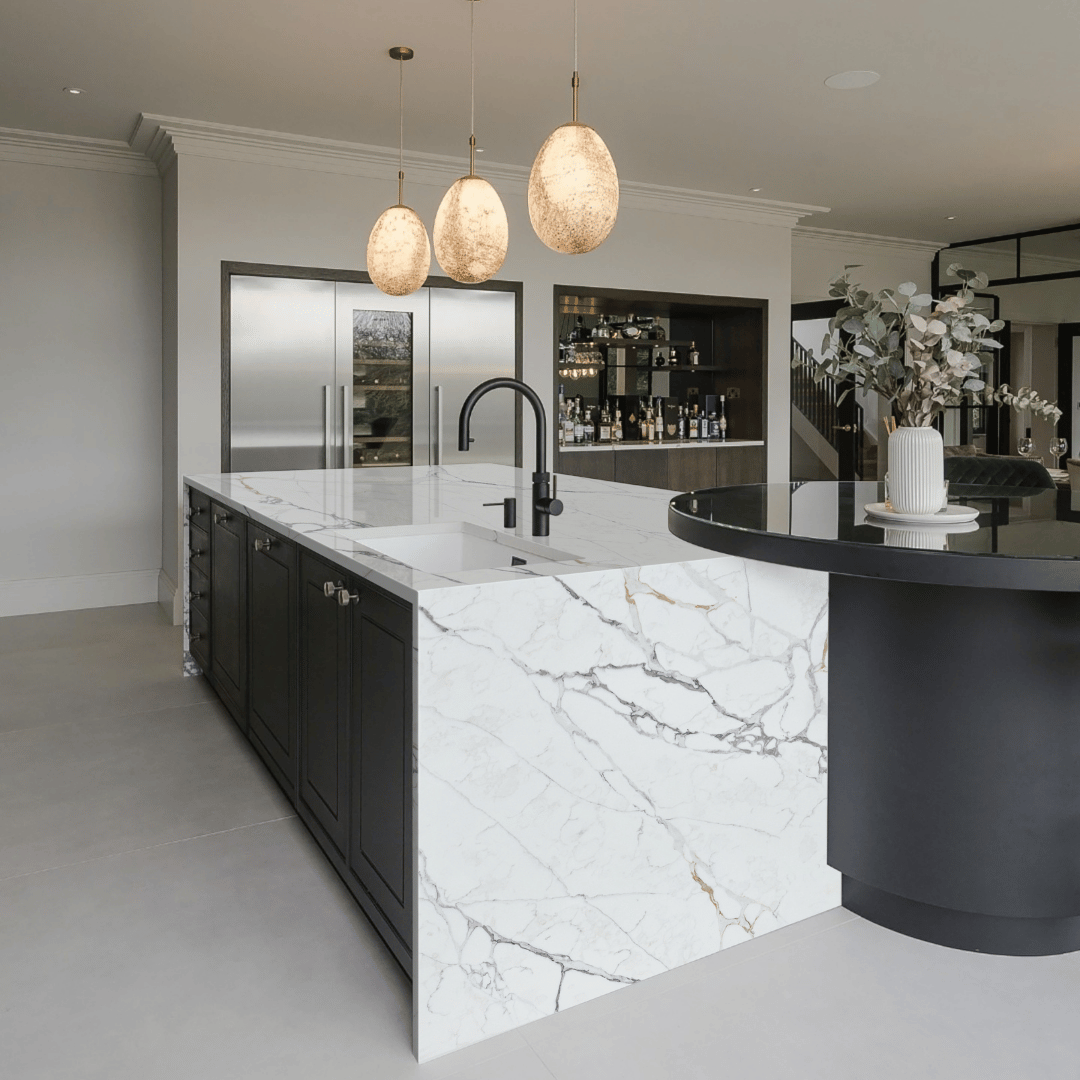
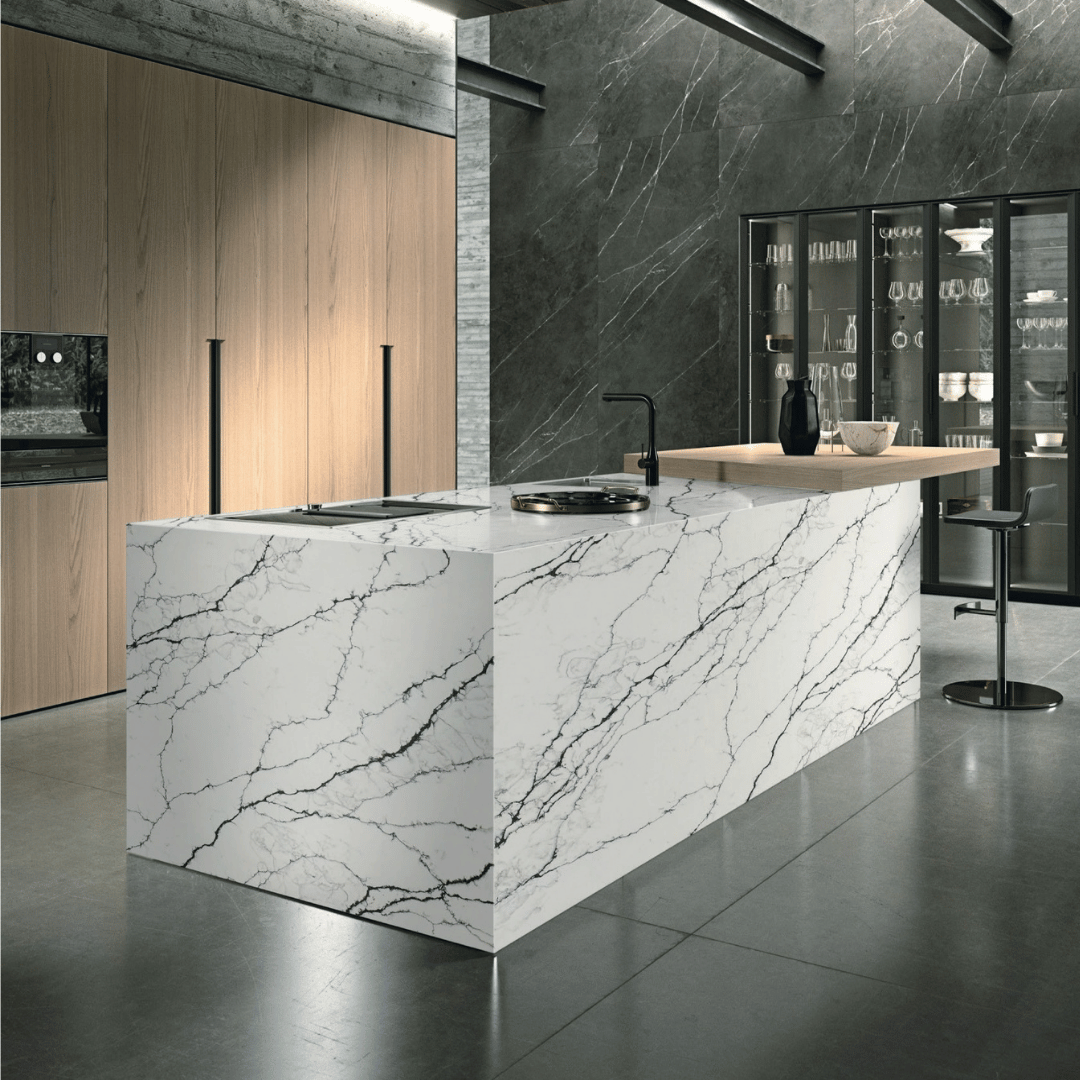
- Heavy-Duty Countertops: 3cm slabs are ideal for kitchen islands and other surfaces that require additional support due to their weight.
- Seamless Appearance: The thickness of 3cm slabs allows for a more seamless look, especially in larger installations.
- Increased Durability: These slabs are less prone to chipping and cracking, making them suitable for high-impact areas.
Aesthetic Considerations
When it comes to aesthetics, both 2cm and 3cm quartz slabs offer a sleek and modern look. However, the thickness can influence the overall appearance:
- Edge Profiles: Thicker slabs often allow for more elaborate edge profiles, which can enhance the visual appeal of countertops.
- Visual Presence: 3cm slabs may provide a more substantial and luxurious look, making them a popular choice for high-end designs.
- Color and Pattern Visibility: The thickness can affect how colors and patterns are perceived, with thicker slabs often appearing more vibrant.
Cost Considerations
Cost is always a factor in any home improvement project. Generally, 3cm quartz slabs are more expensive than 2cm slabs due to the additional material and manufacturing processes involved. However, the long-term durability and performance of 3cm slabs may justify the higher upfront cost for many homeowners. Additionally, installation costs can vary based on the thickness, with thicker slabs often requiring more labor and specialized tools.
Choosing the Right Thickness for Your Home
When deciding between 2cm and 3cm quartz slabs for your Georgia home, consider the following factors:
- Application: Consider where the slabs will be installed. For heavy-duty applications, 3cm is often the better choice.
- Design Preferences: Think about the overall aesthetic you want to achieve. Thicker slabs may provide a more luxurious appearance.
- Budget: Evaluate your budget for both materials and installation costs.
- Support Structure: Ensure that your cabinets and support structures can accommodate the chosen slab thickness.
Frequently Asked Questions About Quartz Slab Thickness
Here are some common questions homeowners have regarding quartz slab thickness:
- What is the difference in weight between 2cm and 3cm slabs? 3cm slabs are significantly heavier than 2cm slabs, which can affect installation.
- Can I use 2cm slabs for kitchen countertops? Yes, but consider the design and support needed for overhangs.
- Do thicker slabs offer better durability? Yes, 3cm slabs typically offer greater durability and resistance to chipping.
- What edge profiles can I achieve with 2cm and 3cm slabs? 3cm slabs allow for more elaborate edge profiles than 2cm slabs.
- Is there a cost difference between the two thicknesses? Yes, 3cm slabs are generally more expensive due to the additional material used.
- How do I choose the right thickness for my project? Consider the application, design preferences, budget, and support structure.
- Are there any maintenance differences between the two thicknesses? No, both thicknesses require similar maintenance.
- What are the installation requirements for each thickness? Thicker slabs may require specialized tools and additional support during installation.
How to Contact Builder Stone Global
For high-quality quartz slabs and expert advice on choosing the right thickness for your home, contact our team at Builder Stone Global. We are here to help you navigate your options and ensure you find the perfect surface for your needs. Call us at +1 470-551-2092 or visit our Norcross showroom to explore our extensive slab collection.
Conclusion
Choosing between 2cm and 3cm quartz slabs is an important decision for homeowners in Georgia. By considering the application, aesthetic preferences, budget, and support requirements, you can make an informed choice that enhances your home’s beauty and functionality. Whether you opt for the lightweight versatility of 2cm slabs or the robust durability of 3cm slabs, premium quartz will provide a stunning and long-lasting surface for your home.