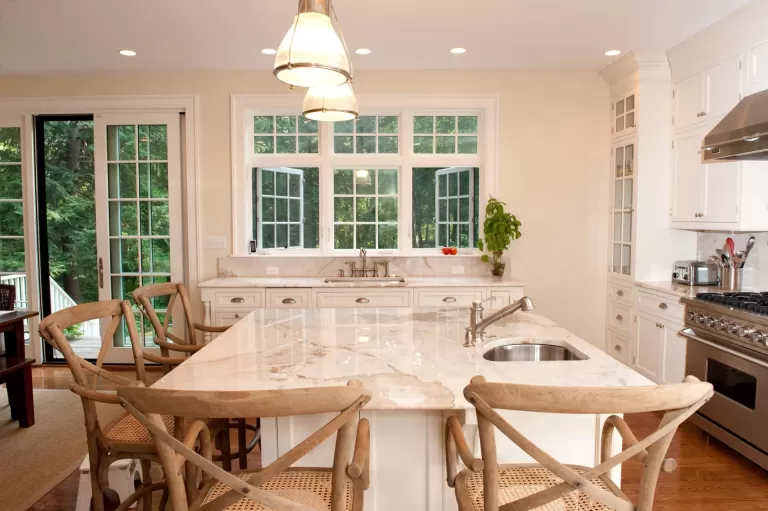
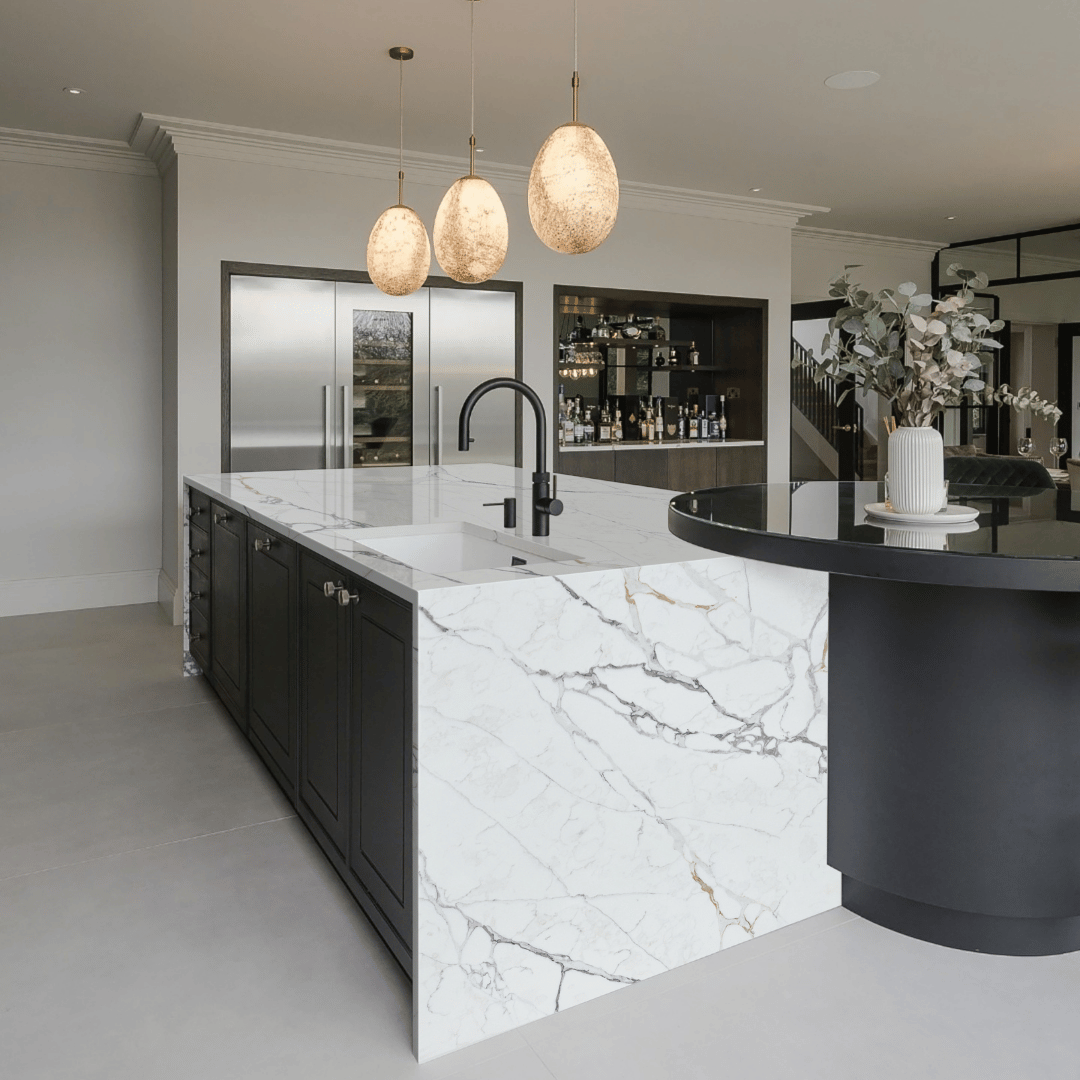
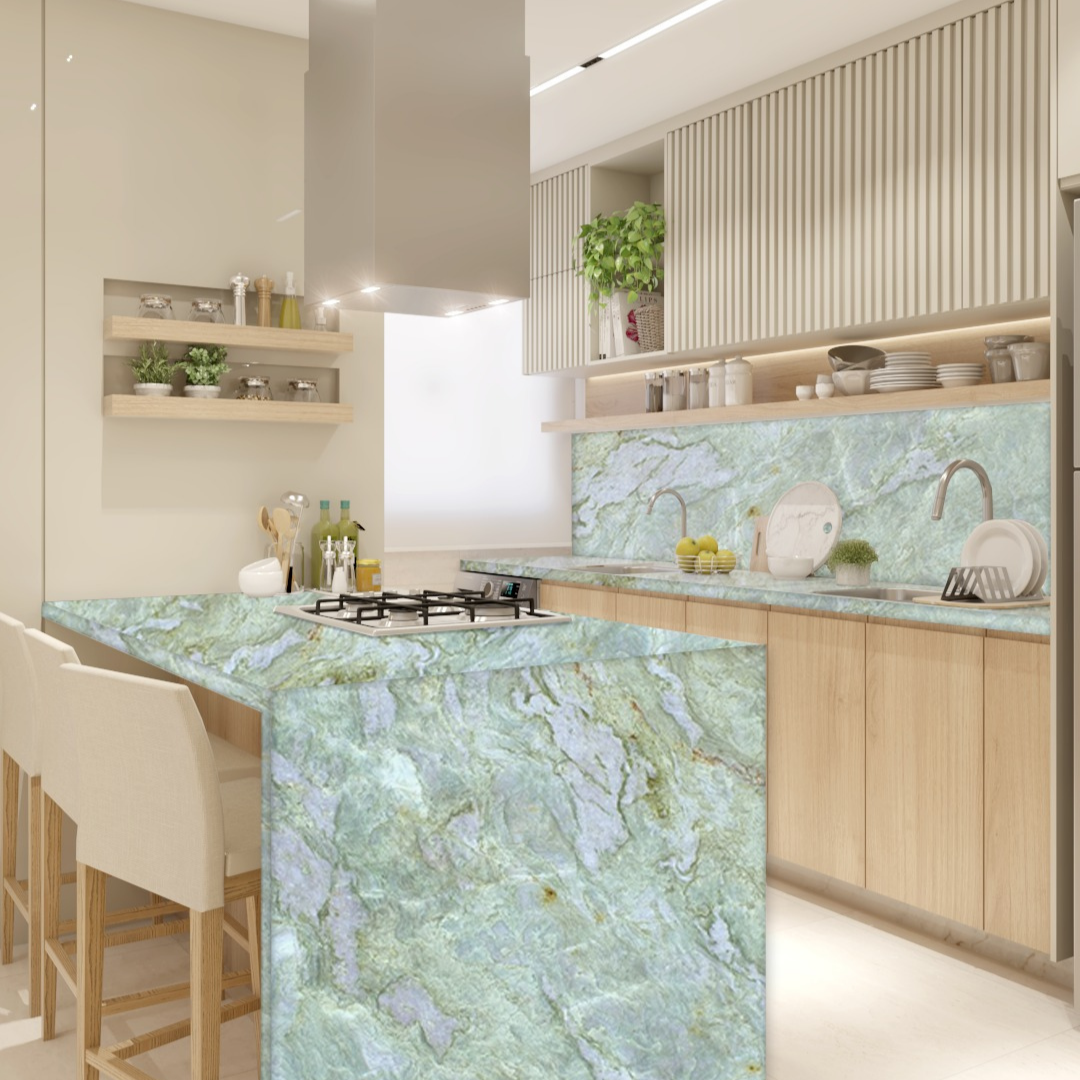
Quartz vs Quartzite in Georgia Homes: A Comprehensive Guide to Choosing the Right Surface Material
Quartz vs Quartzite in Georgia Homes: A Comprehensive Guide to Choosing the Right Surface Material
When it comes to selecting the perfect countertop material for your home, particularly in Georgia, two prominent options often come to mind: quartz and quartzite. Both materials offer unique advantages and aesthetic qualities, making them popular choices for homeowners, designers, and contractors alike. In this article, we will dive deep into the differences, benefits, and applications of quartz and quartzite to help you make an informed decision for your home.
Why Choose Premium Quartz and Quartzite for Your Home?
Premium slab materials elevate the design and functionality of your spaces. Quartz and quartzite bring beauty and durability that can withstand the test of time. These natural and engineered stones offer a range of colors, patterns, and textures, allowing homeowners to achieve their desired aesthetic without compromising on performance.
Understanding the Basics: What Are Quartz and Quartzite?
Quartz is an engineered stone made from about 90-95% crushed natural quartz crystals mixed with resins, polymers, and pigments. This process results in a non-porous surface that is highly durable, resistant to stains, and available in a wide variety of colors and patterns.
Quartzite, on the other hand, is a natural stone formed from sandstone that has undergone high heat and pressure. This metamorphic rock is known for its durability, unique veining, and beautiful natural appearance. It is often sought after for its luxurious look and is available in a range of colors, although typically more muted than quartz.
Key Differences Between Quartz and Quartzite
Composition
As mentioned, quartz is engineered, while quartzite is a natural stone. This difference in composition affects several attributes, including durability, maintenance, and appearance.
Durability
Both materials are durable, but in different ways. Quartz is non-porous, which means it is resistant to stains and bacterial growth, making it a great choice for kitchens and bathrooms. Quartzite, while also durable, is more porous and can require sealing to prevent staining.
Maintenance
Quartz is low-maintenance; simply wipe it down with soap and water for everyday cleaning. Quartzite, however, may require more care, including periodic sealing to maintain its resistance to stains and moisture.
Aesthetic Appeal
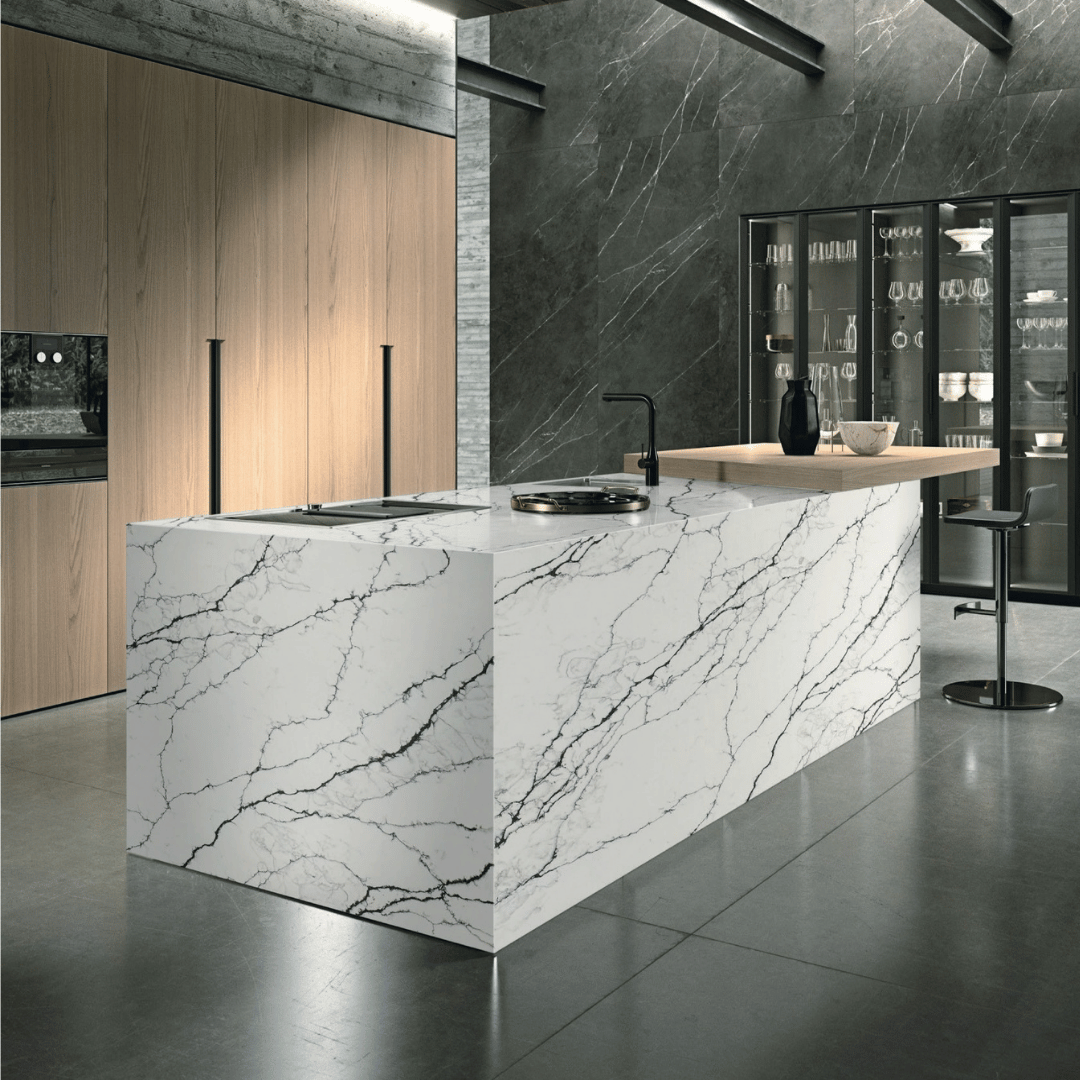
Quartz offers a more uniform appearance, allowing for a variety of colors and patterns, including those that mimic natural stones. Quartzite, with its unique veining and natural variations, offers a more organic and timeless look that many homeowners find appealing.
Applications of Quartz and Quartzite in Georgia Homes
Kitchen Countertops
For kitchen countertops, both materials excel, but quartz’s non-porous surface makes it particularly advantageous in food preparation areas. Homeowners in Georgia often favor quartz for its vast selection of colors and designs, allowing for personalized kitchen aesthetics.
Bathroom Vanities
In bathrooms, both quartz and quartzite are excellent choices. Quartz’s low-maintenance nature is highly beneficial in wet areas, while quartzite’s stunning visuals can create a luxurious bathroom environment.
Outdoor Surfaces
Quartzite is often preferred for outdoor surfaces, as its natural durability can withstand the elements better than quartz. Georgia’s varying climate conditions make quartzite a suitable option for outdoor kitchens and patios.
Cost Considerations
The cost of quartz and quartzite can vary significantly based on factors like quality, brand, and installation. Generally, quartz tends to be more affordable than quartzite due to its manufacturing process. However, high-end quartzite slabs can be comparable in price to premium quartz options.
Frequently Asked Questions About Quartz and Quartzite
1. Is quartz or quartzite better for high-heat areas?
Quartzite is more heat resistant than quartz, making it suitable for areas near cooktops. However, it is still advisable to use trivets and hot pads with both materials to prevent damage.
2. Can I use quartz and quartzite outdoors?
Quartzite is more suitable for outdoor applications due to its natural resistance to weathering, while quartz may fade over time in direct sunlight.
3. How do I maintain my quartz countertops?
Simply clean with warm soapy water and avoid harsh chemicals. Regular cleaning will keep your quartz surfaces looking new.
4. Do quartz countertops need to be sealed?
No, quartz is non-porous and does not require sealing. Quartzite, however, should be sealed periodically to maintain its resistance to stains.
5. Are there eco-friendly options for quartz surfaces?
Yes, some brands offer eco-friendly quartz options made from recycled materials, making it a sustainable choice.
6. How do I choose between quartz and quartzite?
Consider your specific needs, aesthetic preferences, maintenance willingness, and budget. Both materials have their unique benefits.
7. What colors are available in quartz and quartzite?
Quartz comes in an extensive range of colors and patterns, while quartzite typically features more natural earth tones and unique veining.
8. How can I find a reliable supplier in Georgia?
Look for suppliers with a strong inventory, positive customer reviews, and a solid reputation for quality service, such as Builder Stone Global.
How to Contact Builder Stone Global
For more information on quartz and quartzite options in Georgia, or to schedule a showroom appointment, contact Builder Stone Global. Our surface specialists are available to help you select the perfect material for your home. Call us at +1 470-551-2092 or visit our contact page to get in touch. We look forward to assisting you in your journey to transform your spaces with premium surfaces.