


Slab Seam Planning for Large Kitchens in Georgia: A Comprehensive Guide
Slab Seam Planning for Large Kitchens in Georgia: A Comprehensive Guide
When it comes to designing large kitchens, one of the most critical considerations is the planning of slab seams. A well-executed seam plan not only enhances the aesthetic appeal of your kitchen but also ensures durability and functionality. In this guide, we will explore the essential aspects of slab seam planning for large kitchens, particularly focusing on the unique requirements of homeowners and designers in Georgia.
Why Seam Planning is Important
Seam planning is crucial for several reasons:
- Aesthetic Appeal: Properly planned seams can create a seamless look, enhancing the overall beauty of your kitchen.
- Durability: Well-executed seams ensure that your countertop can withstand daily use without compromising on strength.
- Maintenance: Strategic seam placement can make cleaning easier and minimize the risk of dirt and grime accumulation.
- Cost Efficiency: Efficient use of materials can reduce waste and save costs during installation.
Understanding Slab Materials
Before diving into seam planning, it’s vital to understand the different slab materials available. In Georgia, homeowners have access to a variety of premium options:
- Quartz: Engineered for durability and available in a wide range of colors and patterns.
- Granite: A natural stone that offers unique patterns and excellent durability.
- Porcelain: Known for its versatility and resistance to scratches and stains.
Key Considerations for Seam Planning
1. Layout and Design
The layout of your kitchen plays a significant role in seam planning. Consider the following:
- Countertop Configuration: Identify the shape and size of your countertops to determine where seams can be placed.
- Appliances and Fixtures: Ensure seams are located away from heavy-use areas like sinks and stovetops.
- Design Flow: Seam placement should complement the overall design flow of the kitchen.
2. Slab Size and Weight
Large kitchens often require larger slabs for a seamless appearance. However, larger slabs are heavier and may require additional support. Here are some tips:
- Support Structures: Ensure that cabinets and countertops are adequately supported, especially at seam locations.
- Transport and Installation: Plan for the logistics of transporting and installing large slabs. Coordinate with your fabricator to ensure safety.
3. Color and Pattern Matching
When working with natural stone, color and pattern matching is essential:
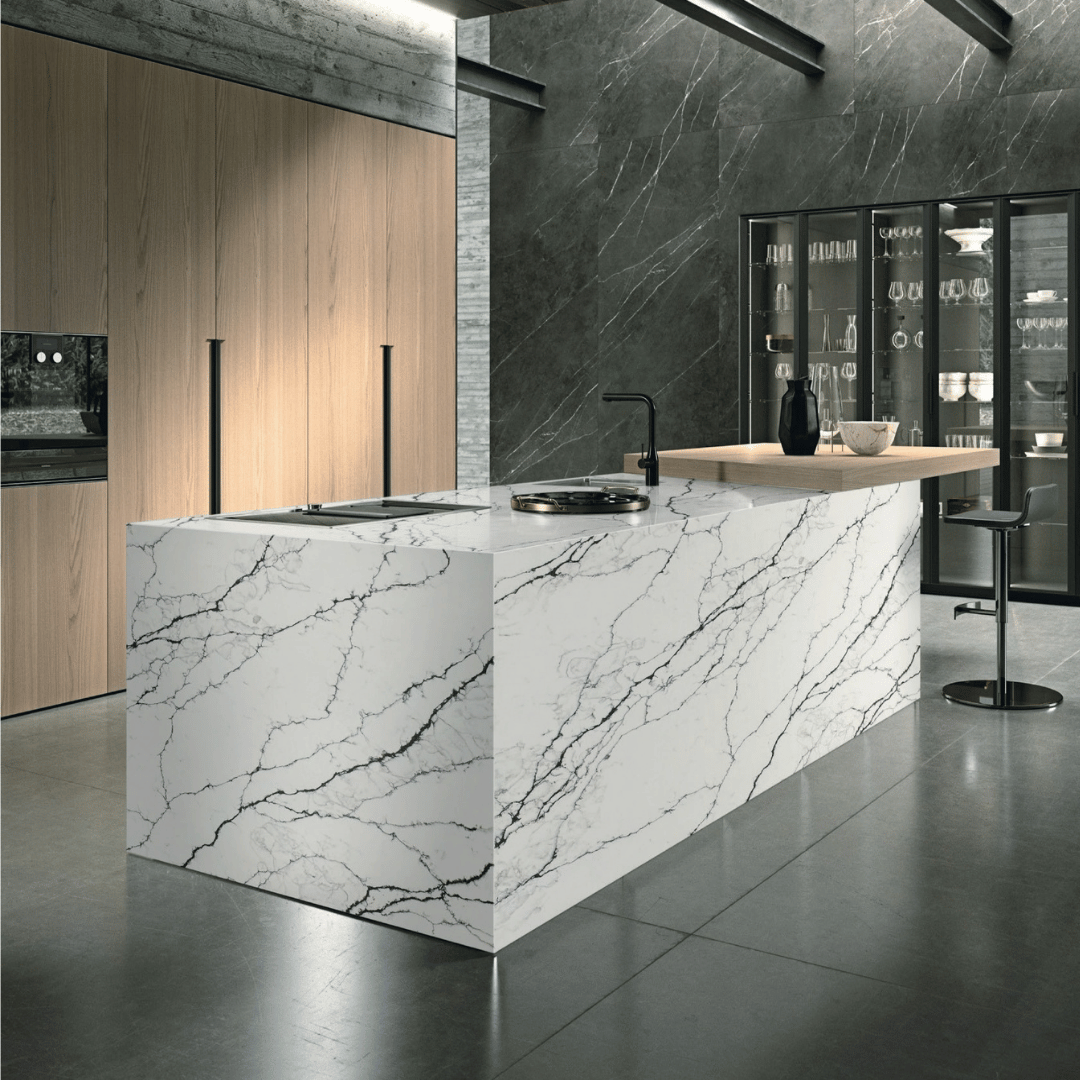
- Bookmatching: Consider using bookmatched slabs for a striking visual effect, but ensure seams align perfectly.
- Color Consistency: Select slabs from the same batch to maintain color consistency across seams.
4. Seam Types
There are various seam types to consider:
- Flat Seams: Ideal for matching patterns and colors.
- Butt Seams: Less visible but may require more precise cutting.
- Mitred Seams: Create a thicker appearance and can hide seams effectively.
Working with Professionals
Engaging with experienced fabricators and installers is crucial for successful seam planning. In Georgia, companies like Builder Stone Global offer premium slabs and have the expertise to assist with:
- Design Consultation: Professional input on layout and slab selection.
- Precision Cutting: Ensuring that seams are cut accurately for a flawless finish.
- Installation: Skilled installation to guarantee the durability and beauty of your countertops.
Frequently Asked Questions
1. What is the best seam placement for a large kitchen?
Seam placement should be planned away from sinks and stoves, ensuring they align with the overall design flow.
2. How can I ensure my seams are discreet?
Choose the right seam type and ensure color and pattern matching is consistent.
3. Can I use different materials for seams in my kitchen?
While it is possible, it’s advisable to use the same material for a cohesive look.
4. How do I maintain seams in my countertop?
Regular cleaning and sealing can help maintain seams and prevent dirt accumulation.
5. What are the benefits of using porcelain slabs?
Porcelain slabs are highly durable, resistant to stains, and available in various designs.
Conclusion
Seam planning is a vital aspect of designing large kitchens. By considering layout, slab materials, seam types, and working with professionals, homeowners in Georgia can create stunning, functional kitchens that stand the test of time. For more information on premium slab options and expert guidance, contact our team or check our live inventory today!