
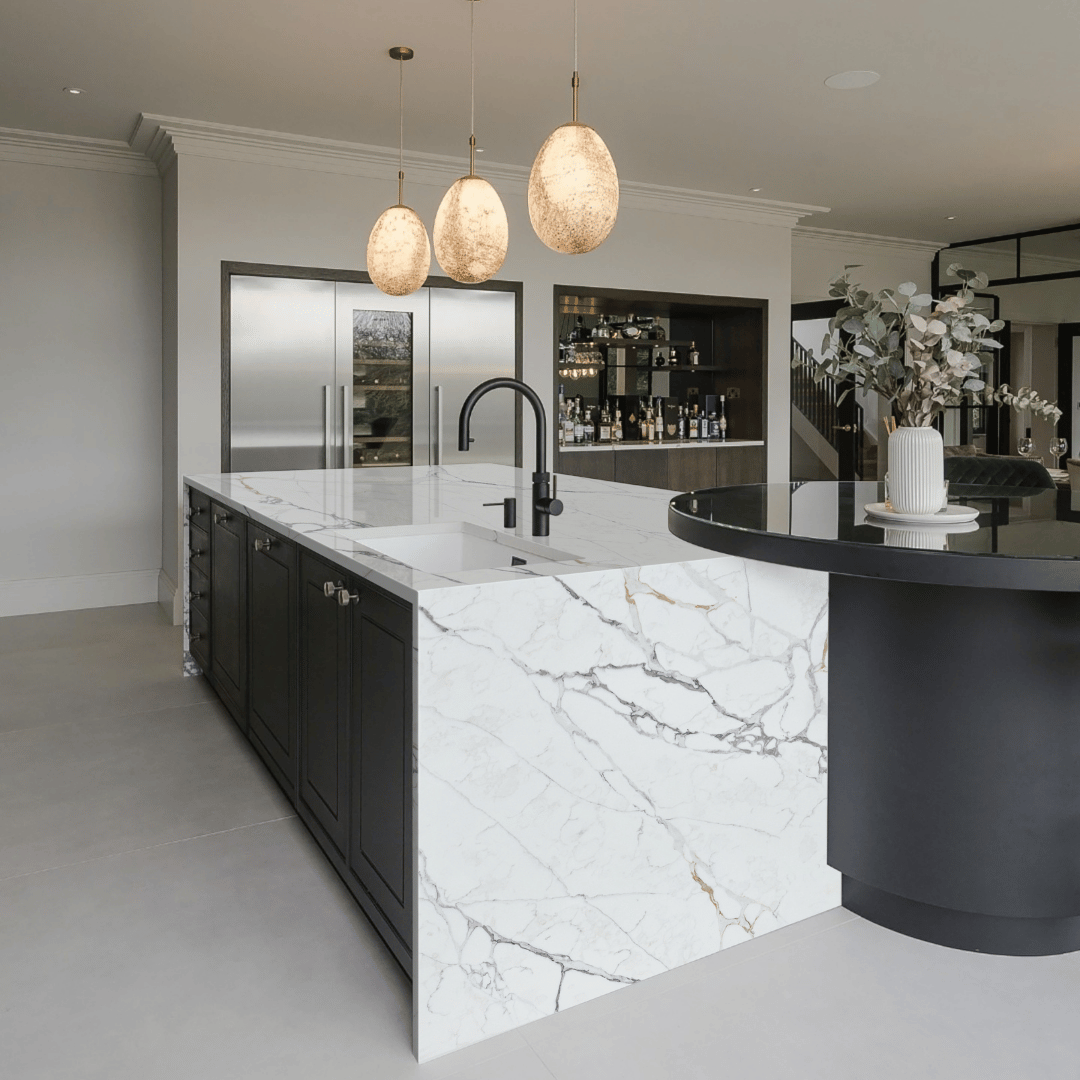
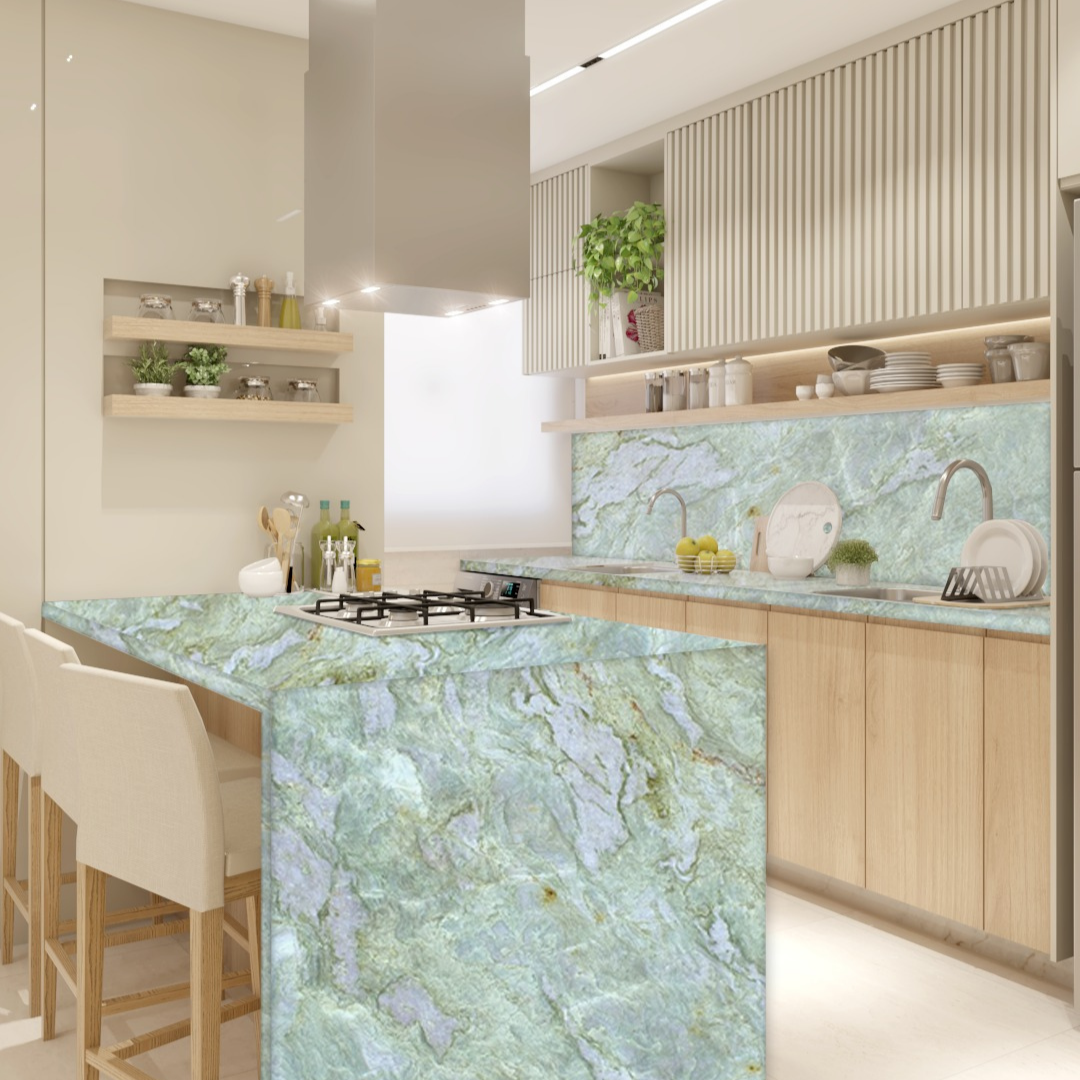
Understanding Porcelain Slab Thickness Options: A Comprehensive Guide for Designers and Fabricators
Understanding Porcelain Slab Thickness Options: A Comprehensive Guide for Designers and Fabricators
When selecting porcelain slabs for architectural surfaces, one critical factor that often gets overlooked is the thickness of the slabs. Porcelain slabs are renowned for their durability, versatility, and aesthetic appeal, making them a popular choice for various applications, including kitchen countertops, bathroom vanities, wall cladding, and commercial spaces. This article aims to delve into the different thickness options available for porcelain slabs, their benefits, and how to choose the right thickness for your project.
Why Thickness Matters in Porcelain Slabs
The thickness of a porcelain slab can significantly impact not only its appearance but also its functionality and performance. Thicker slabs generally provide better durability and resistance to chipping and cracking, making them suitable for high-traffic areas. On the other hand, thinner slabs can offer a lightweight option that may be easier to handle and install. Understanding these differences is crucial for making informed decisions tailored to specific project requirements.
Standard Thickness Options for Porcelain Slabs
Porcelain slabs are available in several thickness options, typically ranging from 6mm (approximately 0.24 inches) to 20mm (approximately 0.79 inches). Below, we explore the most common thicknesses and their typical applications:
- 6mm Slabs: Ideal for wall applications, backsplashes, or areas with lower impact. These slabs are lightweight and can be easily adhered to existing surfaces. However, they may not be suitable for countertops or high-traffic areas.
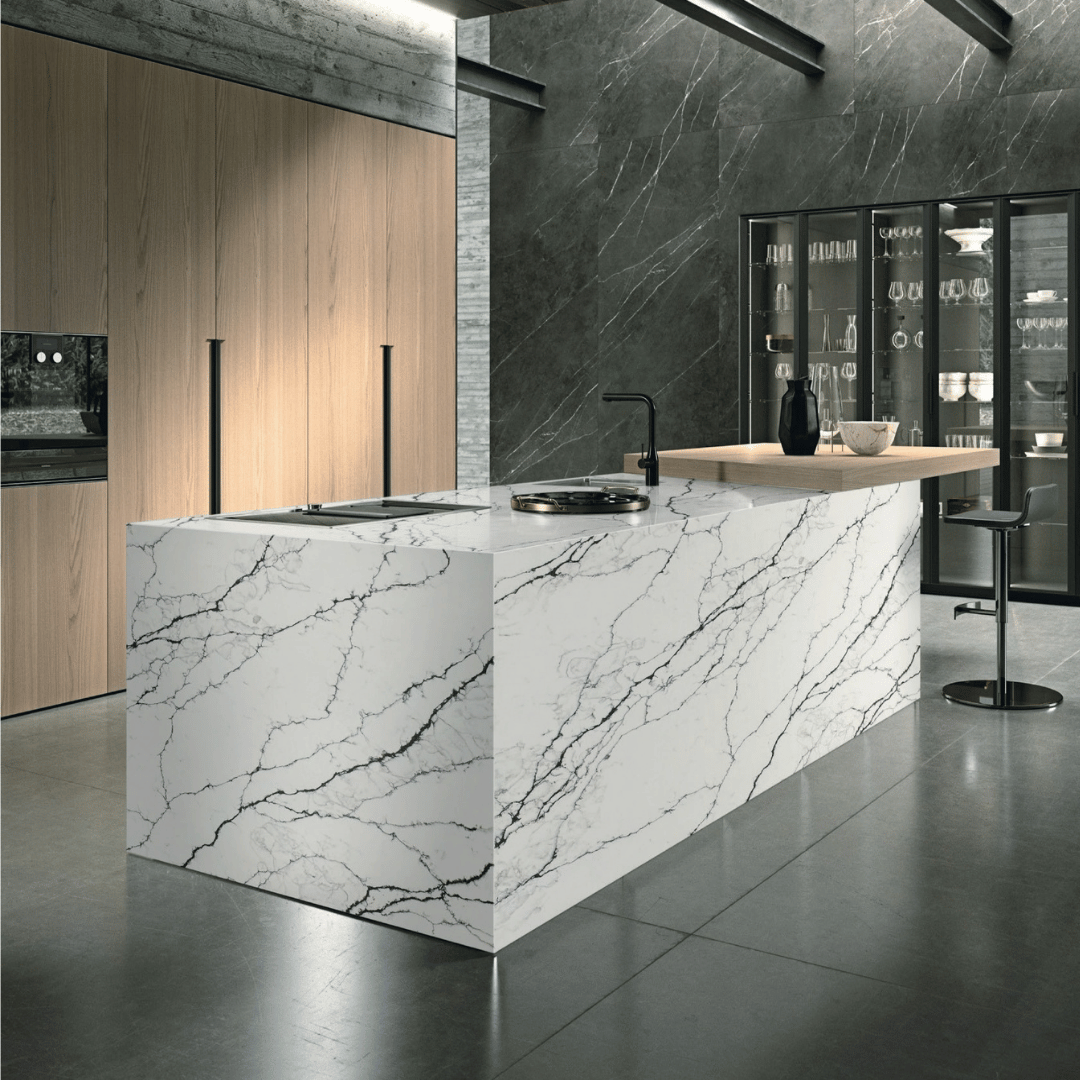
- 12mm Slabs: A popular choice for kitchen countertops and bathroom vanities, 12mm slabs provide a balance between durability and weight. They offer enhanced resistance to bending and cracking, making them suitable for both residential and commercial applications.
- 20mm Slabs: These are the thickest porcelain slabs available and are often used in high-end residential and commercial projects. Their increased thickness offers superior durability, making them ideal for heavy-duty countertops, flooring, and outdoor applications.
Comparing Thicknesses: Pros and Cons
To help you make the best choice for your project, it’s crucial to understand the advantages and disadvantages of each thickness option:
6mm Slabs
- Pros: Lightweight, easy to transport, cost-effective, versatile for wall applications.
- Cons: Limited durability, not suitable for high-impact surfaces.
12mm Slabs
- Pros: Good balance of durability and weight, suitable for most residential applications, wide range of design options.
- Cons: Heavier than 6mm, may require additional support for certain installations.
20mm Slabs
- Pros: Maximum durability and resistance to chipping and cracking, ideal for high-traffic and outdoor applications.
- Cons: Heaviest option, may require specialized installation techniques, higher cost.
Choosing the Right Thickness for Your Project
When selecting the appropriate porcelain slab thickness for your project, consider the following factors:
- Application: Assess the intended use of the slab. For example, countertops and flooring in high-traffic areas will benefit from thicker slabs.
- Design Aesthetics: The thickness can influence the overall look of your design. Consider how the thickness will complement other materials and design elements in your space.
- Installation: Consult with your fabricator or installer regarding the best thickness for your specific project requirements and the potential need for additional support.
- Budget: Thicker slabs generally come at a higher price point. Ensure that your choice aligns with your budget while still meeting your functional needs.
Conclusion
Understanding porcelain slab thickness options is essential for architects, designers, and fabricators. By considering the pros and cons of each thickness and how they relate to your project’s requirements, you can make informed decisions that enhance both the functionality and aesthetics of your space. Whether you opt for lightweight 6mm slabs for a sleek wall application or robust 20mm slabs for a high-end kitchen, the right choice will ultimately contribute to a stunning and durable design. For more information on porcelain slabs and to explore our extensive inventory, contact our team or check our live slab inventory today!