Choosing the Right Slabs for Your Kitchen Layout: A Comprehensive Guide
Choosing the Right Slabs for Your Kitchen Layout: A Comprehensive Guide
Updated on August 13, 2026
When it comes to designing or remodeling your kitchen, the choice of materials plays a pivotal role in determining the overall aesthetic and functionality of the space. Among these materials, slabs—whether quartz, porcelain, or natural stone—are popular choices for countertops, backsplashes, and other surfaces. However, selecting the right slab based on your kitchen layout can be daunting. This guide aims to simplify the process, ensuring that you choose slabs that not only complement your design vision but also meet your practical needs.
Understanding Your Kitchen Layout
Before diving into the specifics of slab selection, it’s essential to understand your kitchen layout. Kitchen layouts generally fall into several categories:
- Galley Kitchen: Characterized by two parallel countertops, this layout maximizes space efficiency and is great for cooking.
- U-Shaped Kitchen: Featuring three walls of cabinets and countertops, this layout provides ample workspace and storage.
- L-Shaped Kitchen: This configuration allows for an open feel and is perfect for entertaining as it often integrates with dining areas.
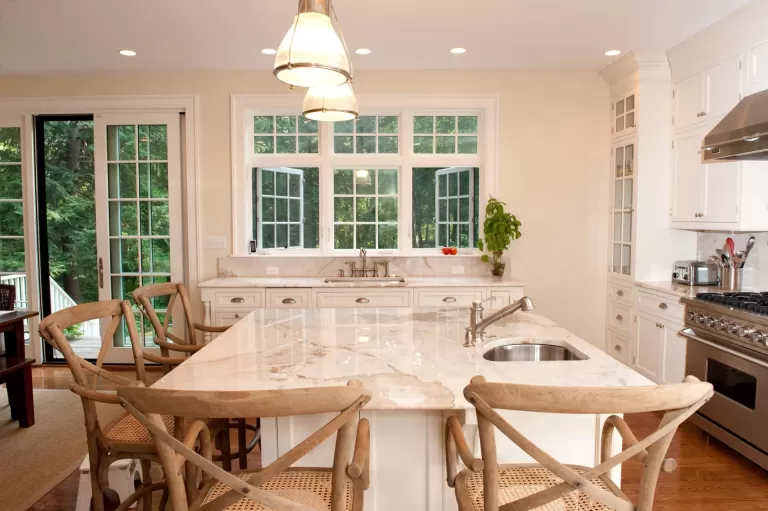
- Island Kitchen: With an island as the centerpiece, this layout encourages social interaction and offers additional workspace.
- Open Concept Kitchen: Merging into living spaces, this layout prioritizes flow and connectivity, making slab choices crucial for a cohesive design.
Factors to Consider When Choosing Slabs
Once you understand your kitchen layout, several factors can influence your slab selection:
1. Aesthetic Appeal
Your slab should reflect your personal style while complementing your kitchen’s overall design. Consider the color palette, patterns, and finishes. For instance, a sleek, polished quartz slab can enhance the modern feel of an L-shaped kitchen, while a rustic granite may suit a farmhouse-style galley kitchen.
2. Durability and Maintenance
Each type of slab has unique durability characteristics. Quartz is engineered for high performance and low maintenance, making it ideal for busy kitchens. Porcelain, especially in large formats, offers resistance to scratches and stains, while natural stone like granite requires regular sealing but provides unmatched beauty.
3. Surface Area and Thickness
Consider the thickness of slabs in relation to your kitchen layout. Thicker slabs can create a dramatic effect in an island kitchen, while thinner slabs may be more suitable for a galley kitchen where space is at a premium. Typically, slab thickness ranges from 2 cm to 3 cm, and your choice can influence the visual weight of the countertops.
4. Seam Placement
In larger kitchens, seams will be inevitable. Plan seam placements strategically to minimize visual disruption. For example, in a U-shaped kitchen, placing seams near the sink or behind appliances can help conceal them.
5. Edge Profiles
Edge profiles can also affect the overall look and usability of your countertops. Popular edge styles range from straight and square to more decorative options like bullnose or ogee. Choose an edge profile that aligns with your kitchen style while ensuring it won’t hinder functionality.
Slab Recommendations for Different Layouts
Here are some slab recommendations based on common kitchen layouts:
Galley Kitchen
Opt for light-colored quartz or porcelain slabs to enhance brightness and create an illusion of space. Consider large format slabs to minimize grout lines and maintain a clean look.
U-Shaped Kitchen
For a U-shaped kitchen, choose a durable natural stone like granite or quartzite that offers a variety of colors and patterns. A bold, patterned slab can serve as a focal point, particularly on the central island.
L-Shaped Kitchen
In an L-shaped kitchen, you can experiment with contrasting slabs for the countertops and the island. For example, a dark granite on the island paired with lighter quartz countertops can create a stunning visual contrast.
Island Kitchen
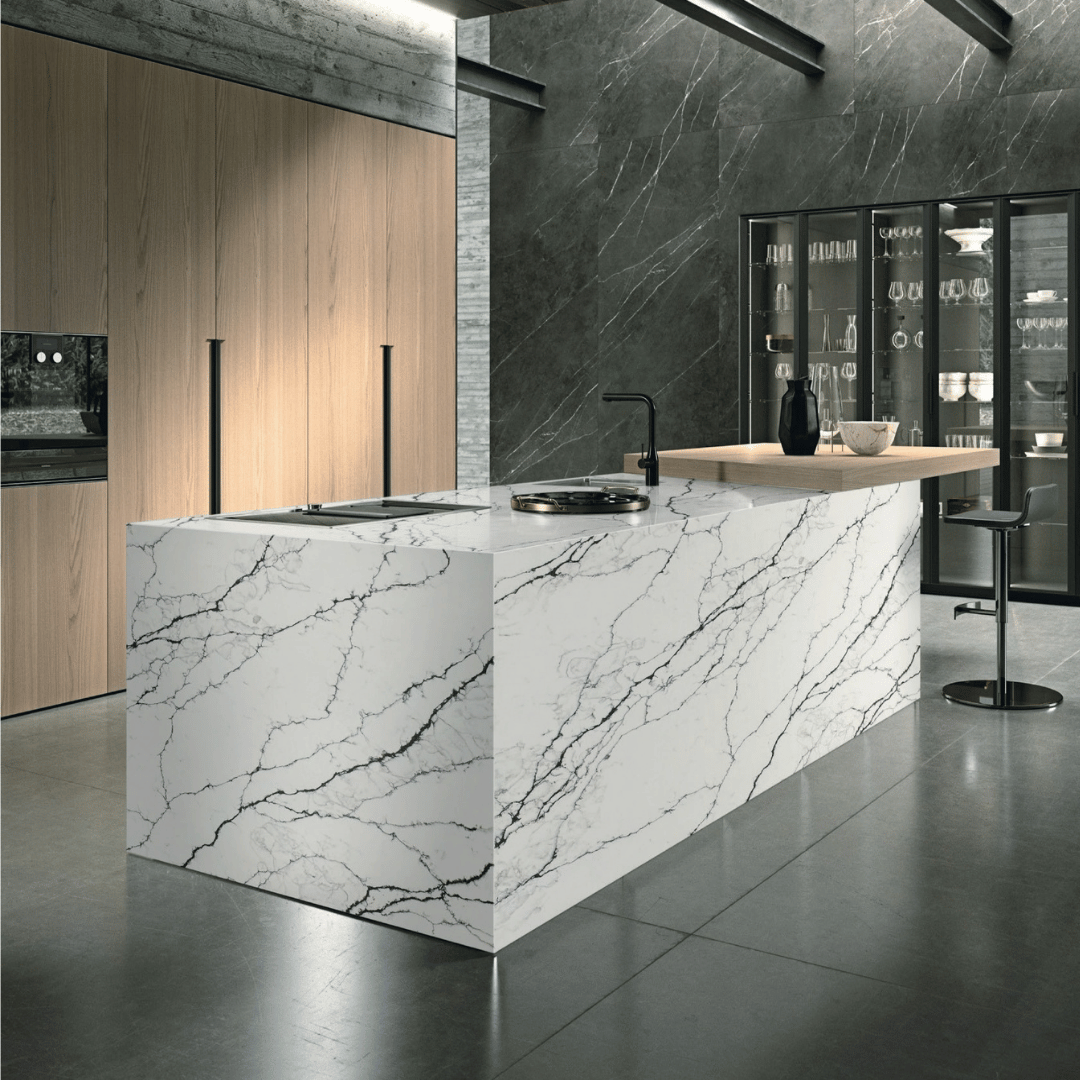
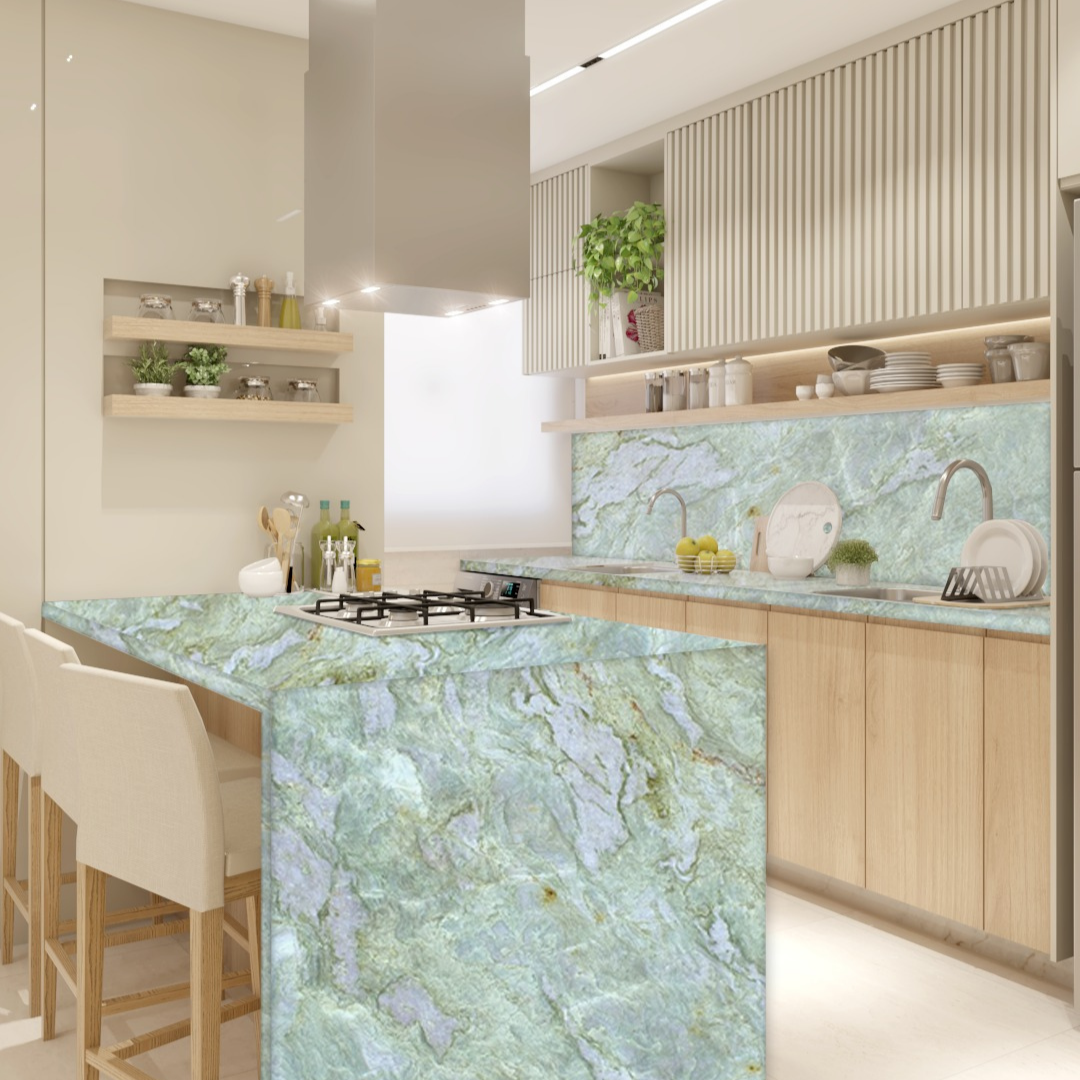
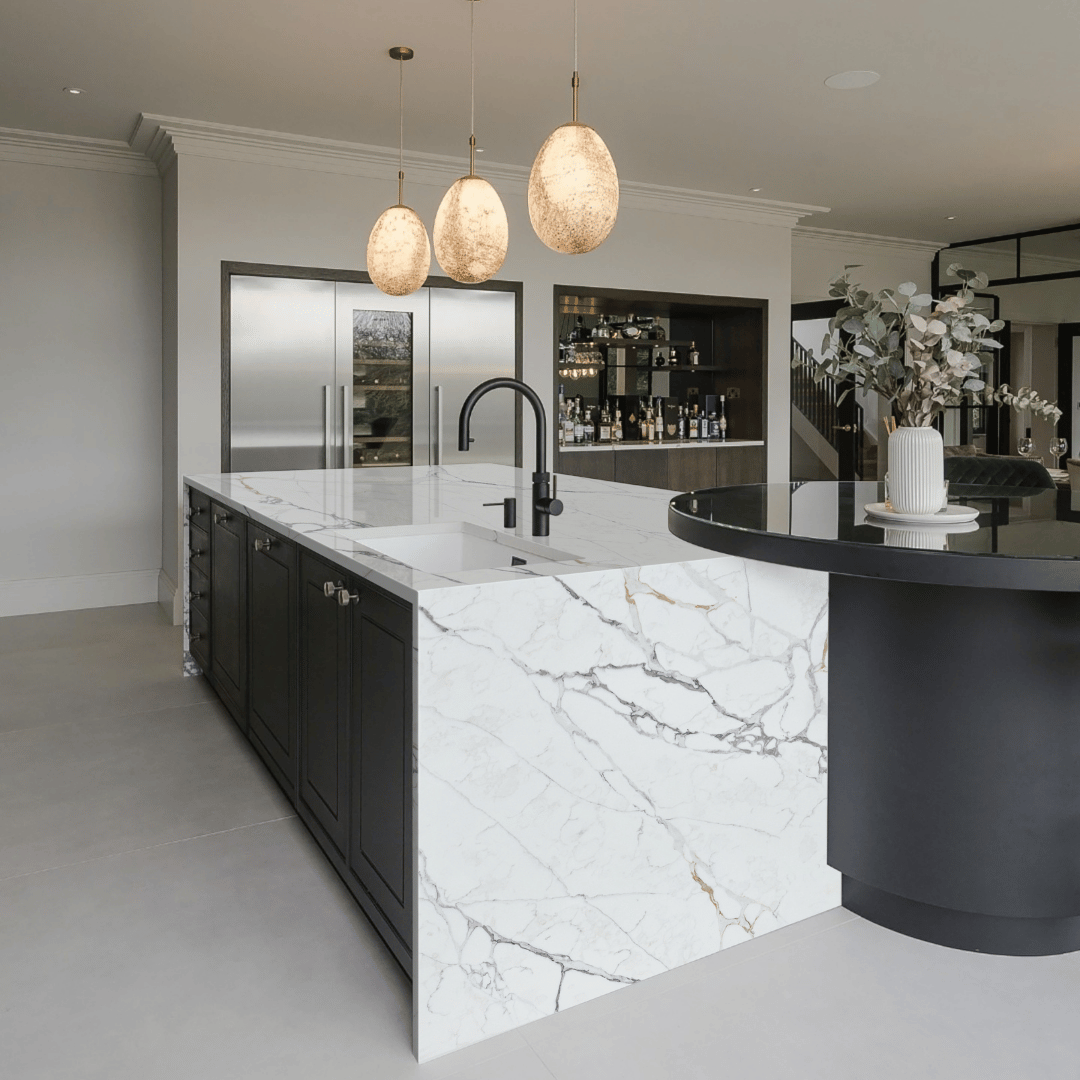
Choose thick, luxurious slabs like full-body porcelain or high-density quartz to create a statement island. A waterfall edge can add elegance and seamless flow to the design.
Open Concept Kitchen
In an open concept layout, it’s essential to choose slabs that harmonize with adjoining spaces. Consider using the same material for the kitchen and adjacent living areas to create cohesion.
How to Coordinate with Other Elements
Once you have chosen your slabs, coordinating them with other kitchen elements is crucial. Pay attention to:
- Cabinets: The color and style of your cabinets should complement your slab choice. Light cabinets pair well with dark slabs and vice versa.
- Backsplashes: A backsplash can enhance or contrast your slab. Consider using smaller tiles or a different material that complements the slab’s color.
- Flooring: Ensure your flooring material and color support the overall aesthetic. Neutral flooring can balance bold slabs, while patterned tiles can add interest.
Conclusion
Choosing slabs based on your kitchen layout is a crucial decision that impacts both functionality and aesthetics. By considering factors like durability, maintenance, and visual appeal, you can select the perfect slabs that enhance your kitchen’s design while meeting your practical needs. Whether you prefer the sophistication of quartz, the timeless beauty of granite, or the modern appeal of porcelain, the right slab can transform your kitchen into a stunning space that reflects your style and serves your lifestyle. For more assistance in selecting the best slabs for your kitchen, contact our team or check our live inventory to find the perfect surface materials for your project.