Recycled Quartz vs Traditional Quartz: Understanding the Differences and Benefits
Recycled Quartz vs Traditional Quartz: Understanding the Differences and Benefits
When it comes to selecting materials for countertops, flooring, and various architectural surfaces, quartz has emerged as a popular choice among homeowners, designers, and builders alike. Among the quartz options available in the market, recycled quartz and traditional quartz stand out. This article will delve into the differences and benefits of recycled quartz versus traditional quartz, helping you make an informed decision for your next project.
What is Traditional Quartz?
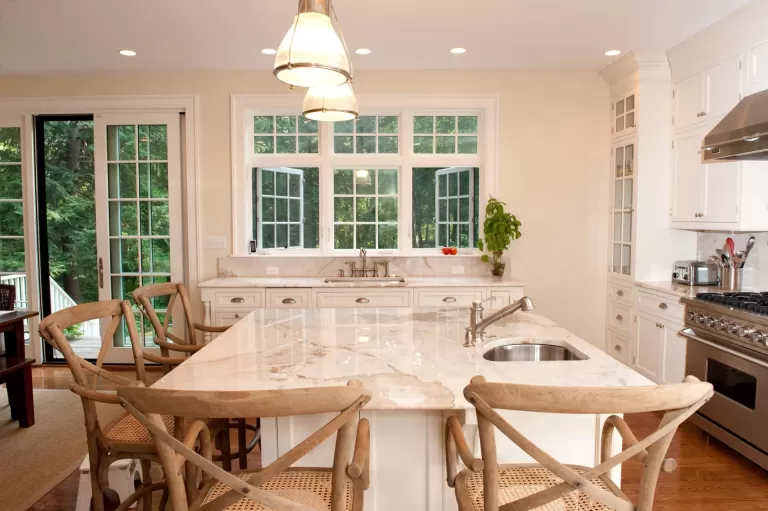
Traditional quartz countertops are made from natural quartz crystals mixed with resins and polymers. Typically, they contain about 90-95% crushed natural quartz, while the remaining 5-10% consists of the binding agents that give the material its durability and non-porous properties. Traditional quartz is renowned for its strength, low maintenance, and variety of colors and patterns, making it a favored option for kitchen and bathroom surfaces.
What is Recycled Quartz?
Recycled quartz, also known as engineered quartz, is created using a combination of post-consumer recycled materials and natural quartz. The process involves crushing leftover quartz from manufacturing processes or other sources, mixing it with resins, and then compressing it into slabs. Recycled quartz can contain up to 50% recycled content, making it an eco-friendly alternative to traditional quartz. This material is also available in various colors and patterns, often featuring unique designs that highlight its sustainable origins.
Environmental Impact: A Key Difference
One of the most significant differences between recycled quartz and traditional quartz lies in their environmental impact. Traditional quartz mining can be resource-intensive, leading to habitat destruction and increased carbon footprints. In contrast, recycled quartz utilizes materials that would otherwise contribute to waste, thereby reducing landfill usage and minimizing the demand for raw materials. By choosing recycled quartz, consumers can contribute to sustainability and environmental conservation efforts.
Durability and Performance
Both recycled and traditional quartz share similar durability characteristics. They are non-porous, resistant to stains, and do not harbor bacteria, making them excellent choices for kitchen and bathroom applications. However, some argue that traditional quartz may offer slightly better performance in terms of heat resistance and overall hardness. It is essential to evaluate your specific needs and application before making a choice.
Design Versatility
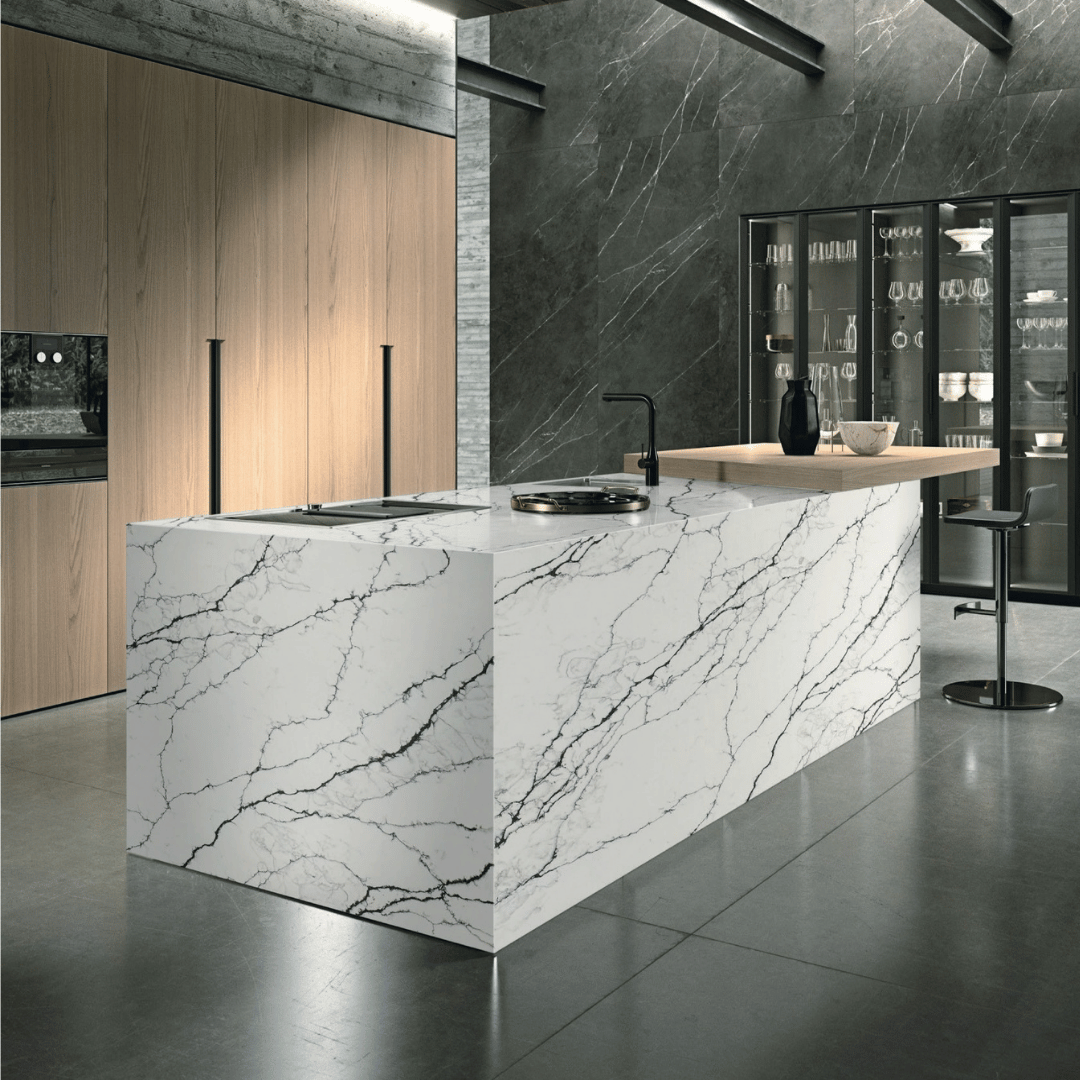
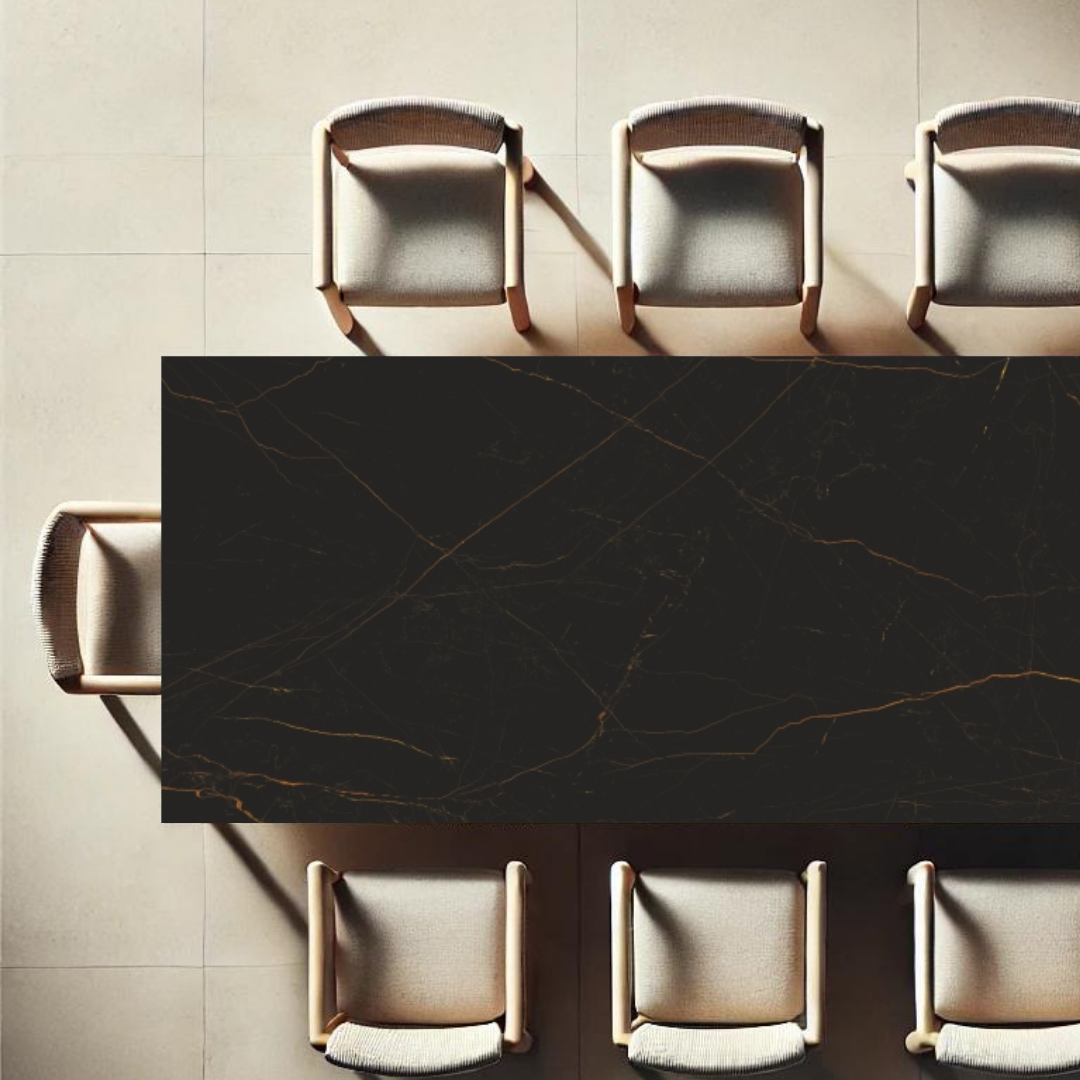
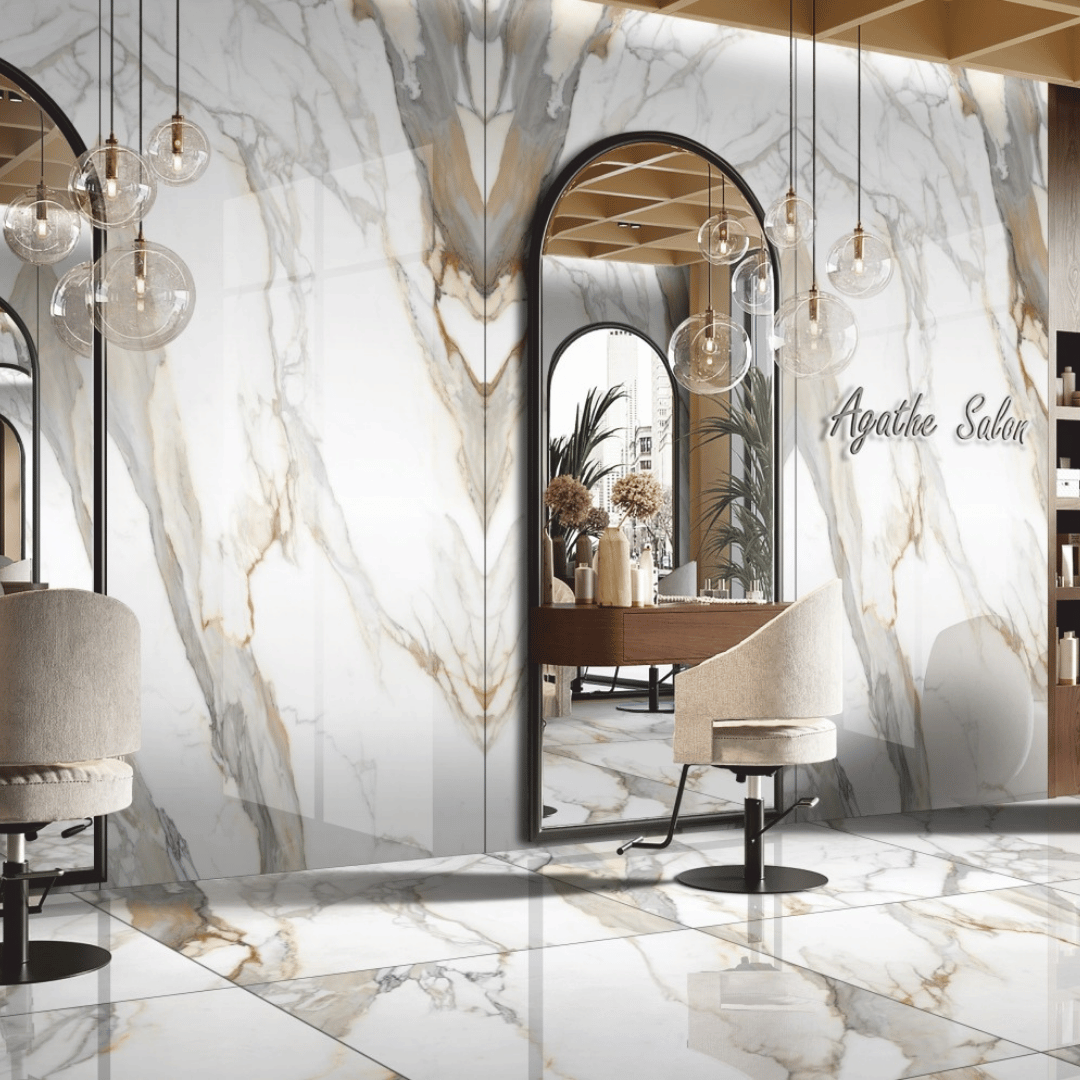
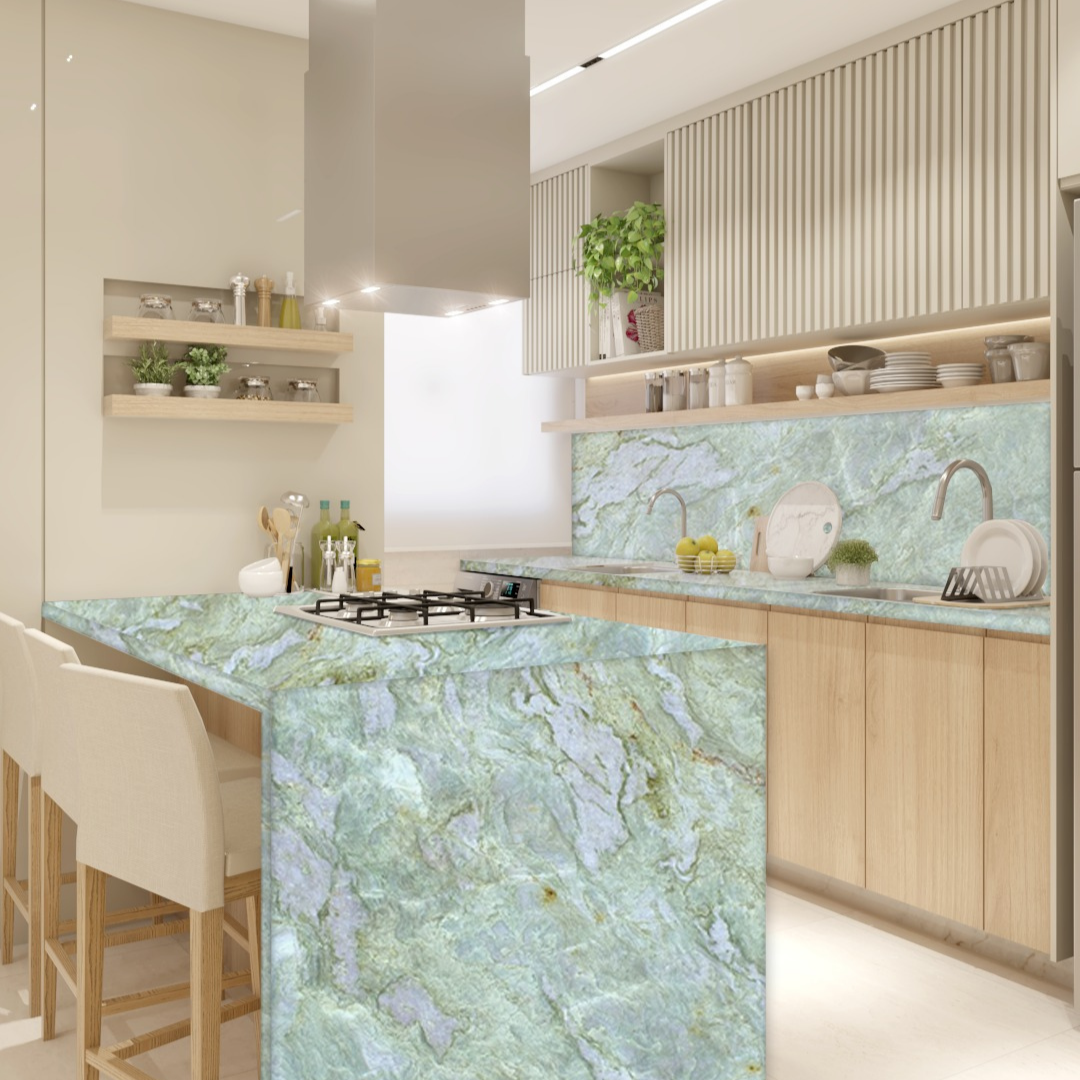
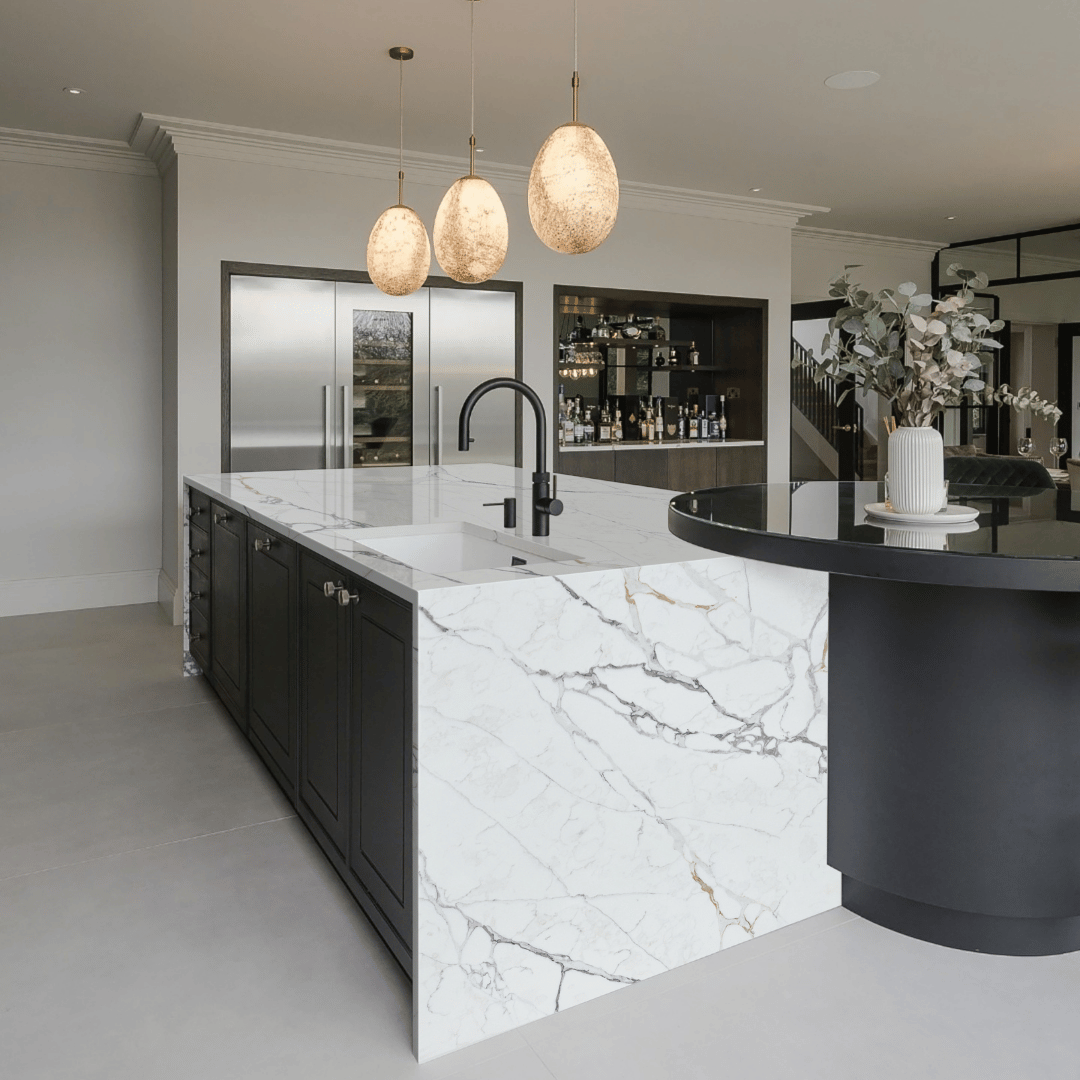
In terms of design, both recycled and traditional quartz offer a wide range of colors and patterns. Traditional quartz may provide more uniform and classic designs, while recycled quartz can showcase unique patterns and textures due to its mixed materials. The choice between the two often boils down to personal aesthetic preferences and the desired look for your space.
Cost Considerations
When comparing costs, traditional quartz typically falls within a higher price range due to the mining and manufacturing processes involved. Recycled quartz, on the other hand, can sometimes be more affordable, making it an attractive option for budget-conscious consumers. However, prices can vary widely based on design, brand, and availability, so it is essential to shop around and consider all factors before making a purchase.
Maintenance Requirements
Both types of quartz are low-maintenance materials. They do not require sealing, are easy to clean, and can be maintained with simple soap and water. However, it is crucial to follow the manufacturer’s care instructions to ensure the longevity of the surface. While both materials resist staining, care should be taken not to expose either to excessive heat or harsh chemicals.
Conclusion: Making the Right Choice for Your Project
Choosing between recycled quartz and traditional quartz ultimately depends on your priorities regarding sustainability, budget, design preferences, and performance requirements. If environmental impact and unique design are at the forefront of your decision-making process, recycled quartz may be the ideal choice for you. However, if you prefer the reliability and performance of traditional quartz, this option remains a top contender.
Regardless of your choice, both types of quartz offer exceptional durability and aesthetic appeal, making them excellent materials for a variety of applications. To explore a wide selection of premium quartz slabs, including both traditional and recycled options, contact Builder Stone Global today.
Frequently Asked Questions
1. Is recycled quartz as durable as traditional quartz?
Yes, both recycled and traditional quartz are known for their durability and resist stains, scratches, and bacteria.
2. How is recycled quartz made?
Recycled quartz is made using post-consumer recycled materials combined with natural quartz and resins.
3. Can I find unique colors and patterns in recycled quartz?
Yes, recycled quartz often features unique designs due to its mixed materials.
4. Is recycled quartz more affordable than traditional quartz?
Recycled quartz can sometimes be more budget-friendly, but prices vary based on design and availability.
5. How do I maintain my quartz surfaces?
Both types of quartz require low maintenance, simply needing regular cleaning with soap and water.
6. Does recycled quartz have a lesser environmental impact?
Yes, recycled quartz helps reduce waste and the demand for raw materials, making it a more sustainable option.
7. Are there any heat resistance differences between the two?
Traditional quartz may have slightly better heat resistance compared to recycled quartz.
8. Where can I find high-quality quartz slabs?
Builder Stone Global offers a wide selection of premium quartz slabs, including both recycled and traditional options. Contact us for more information.
Contact Builder Stone Global
Ready to explore your options? Call +1 470-551-2092 to speak with our surface specialists, check our live inventory, or visit our Norcross showroom!