Quartz vs. Quartzite: The Ultimate Guide for Atlanta Buyers
Quartz vs. Quartzite: The Ultimate Guide for Atlanta Buyers
When it comes to selecting materials for your home, particularly for countertops, the choice between quartz and quartzite can be overwhelming. Both materials are popular in Atlanta and throughout Georgia, but they have distinct characteristics that set them apart. This guide aims to provide you with all the information you need to make an informed decision that best suits your style and needs.
Understanding Quartz and Quartzite
Before diving into the differences, it’s essential to understand what each material is. Quartz is an engineered stone made from about 90% crushed natural quartz crystals mixed with resin and polymers. This combination allows for a wide variety of colors and patterns and provides a non-porous surface that is easy to maintain.
Quartzite, on the other hand, is a natural stone that is formed from sandstone under intense heat and pressure. It is known for its beauty and durability, featuring unique patterns and colors that can’t be replicated. Quartzite is generally more expensive than quartz due to its natural sourcing and the labor-intensive process required for its extraction and fabrication.
Key Differences Between Quartz and Quartzite
1. Composition
As mentioned, quartz is an engineered stone, while quartzite is a natural stone. This fundamental difference affects their appearance, maintenance, and durability.
2. Appearance
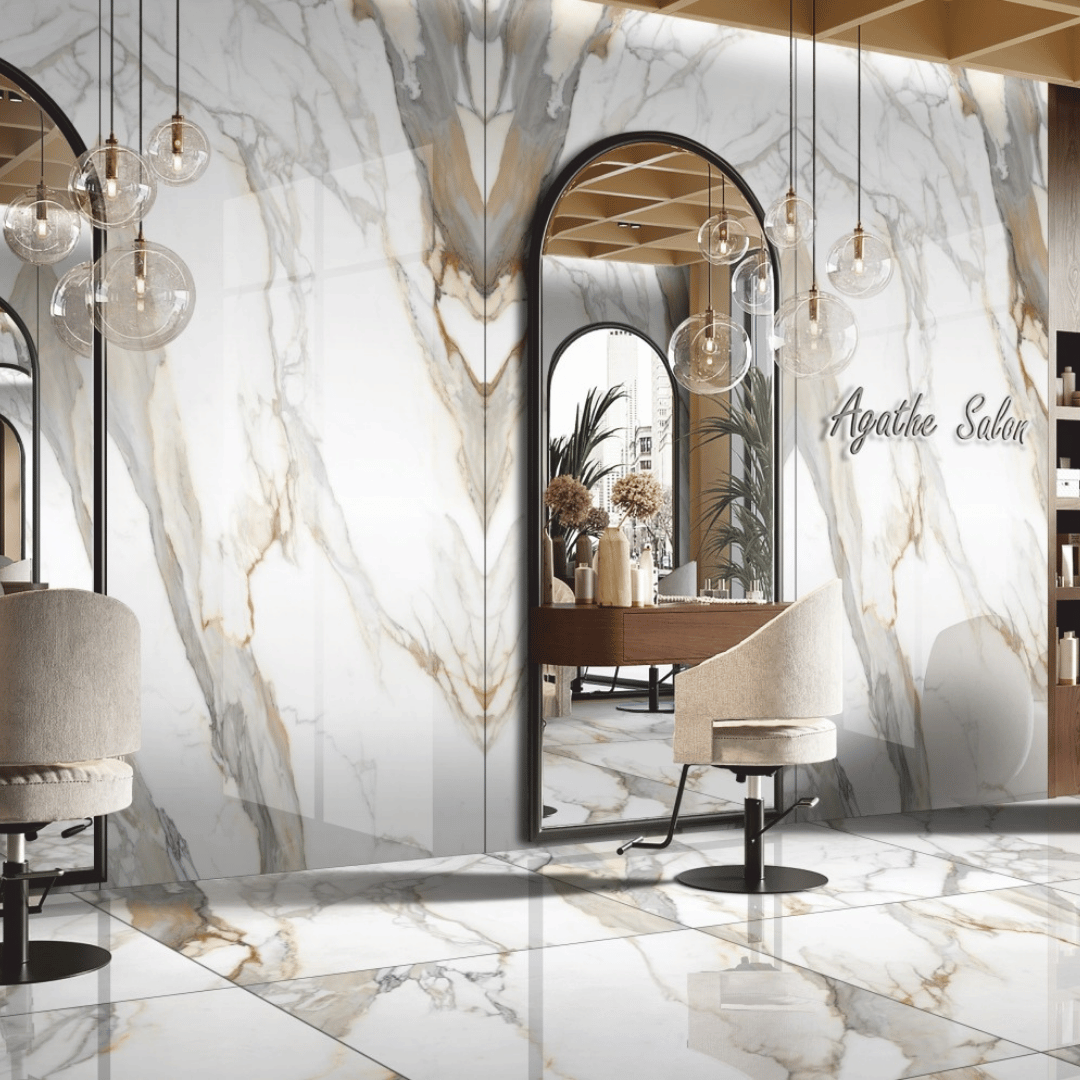
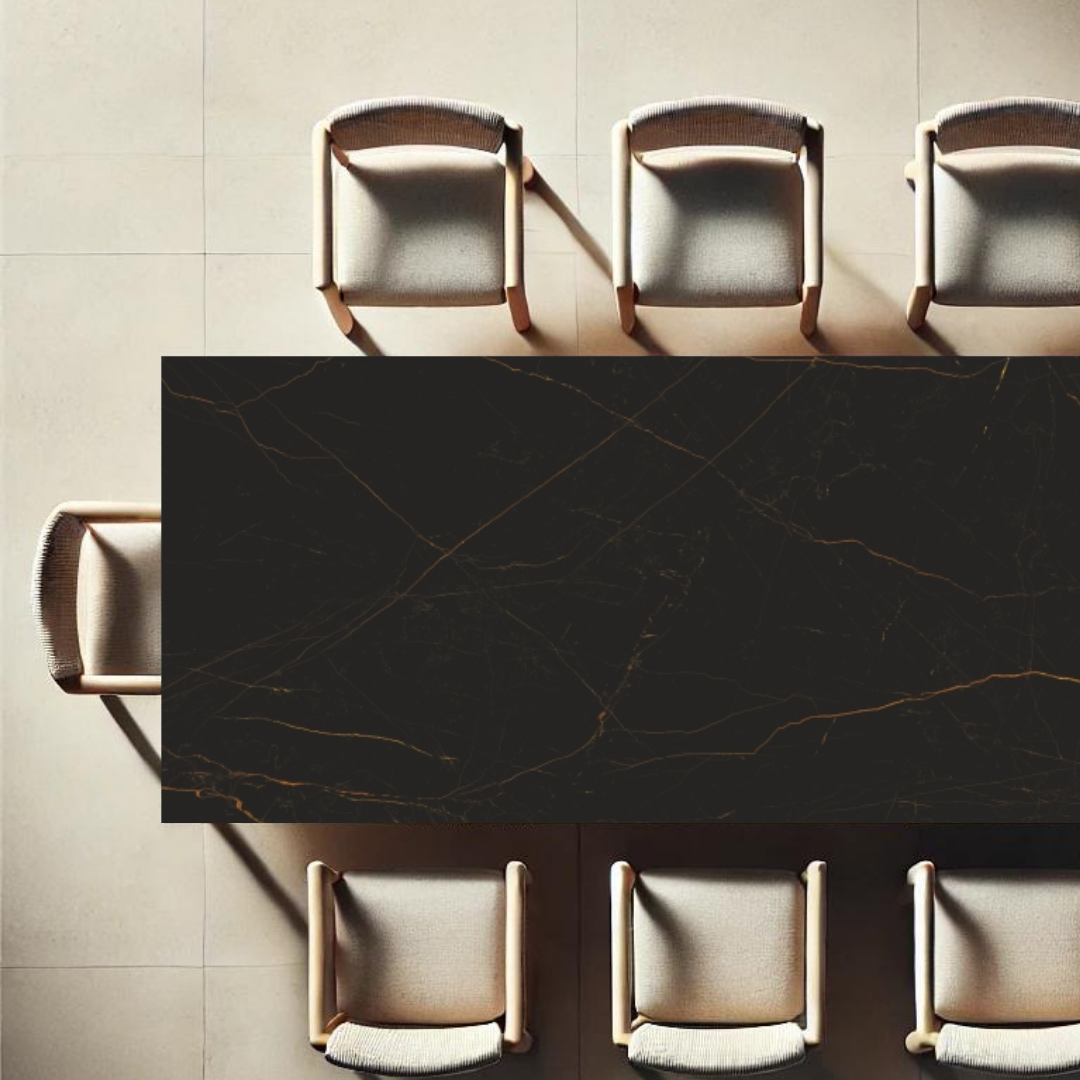
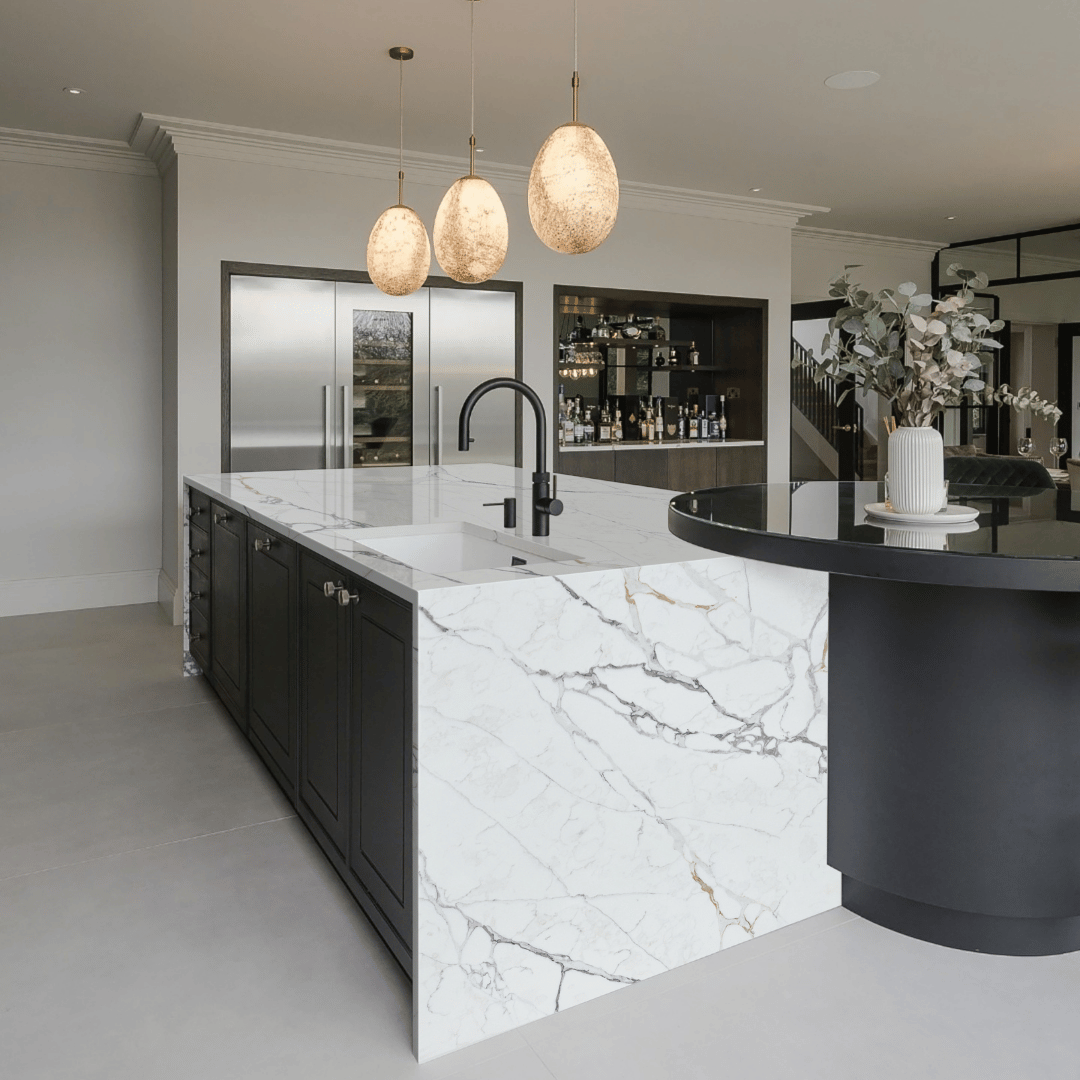
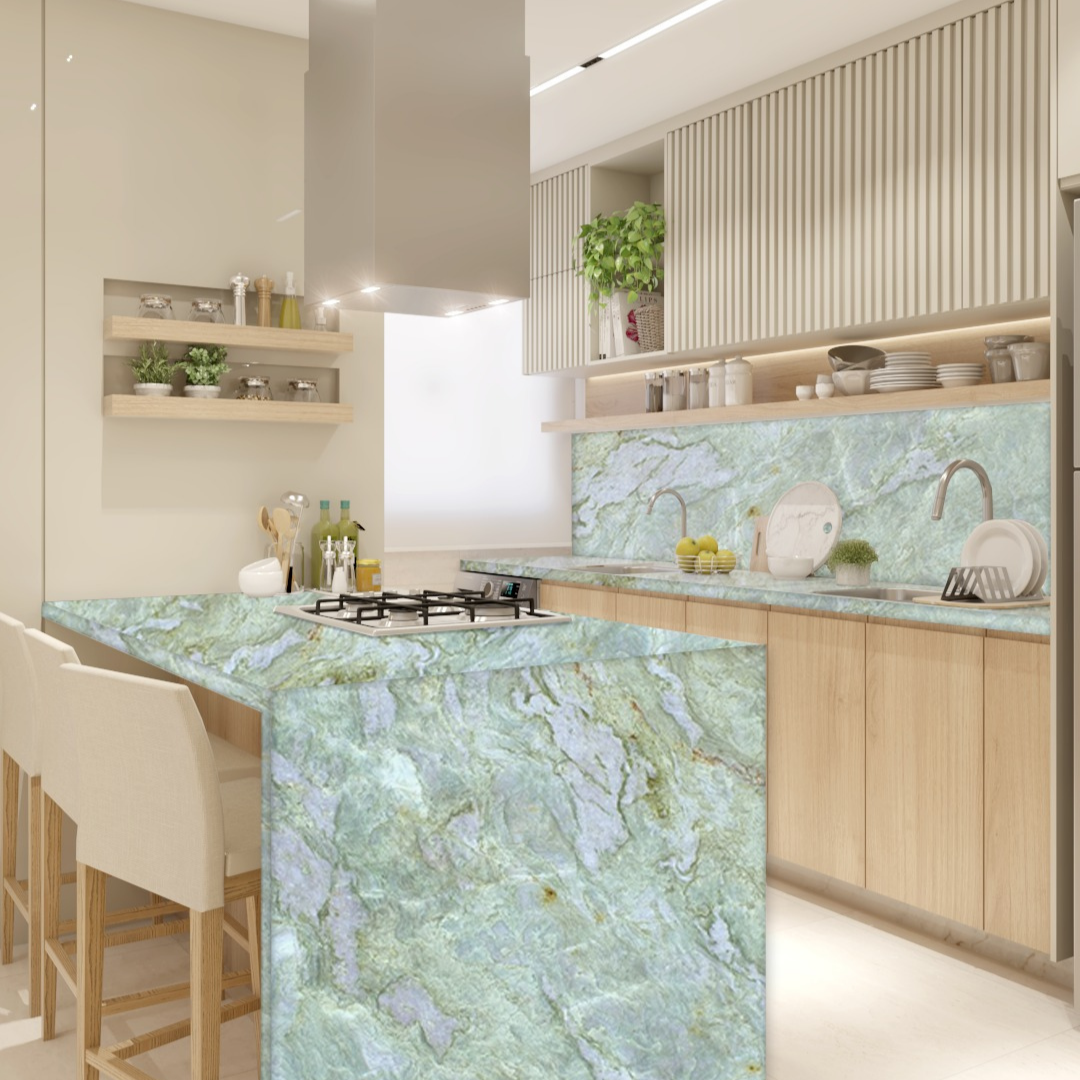
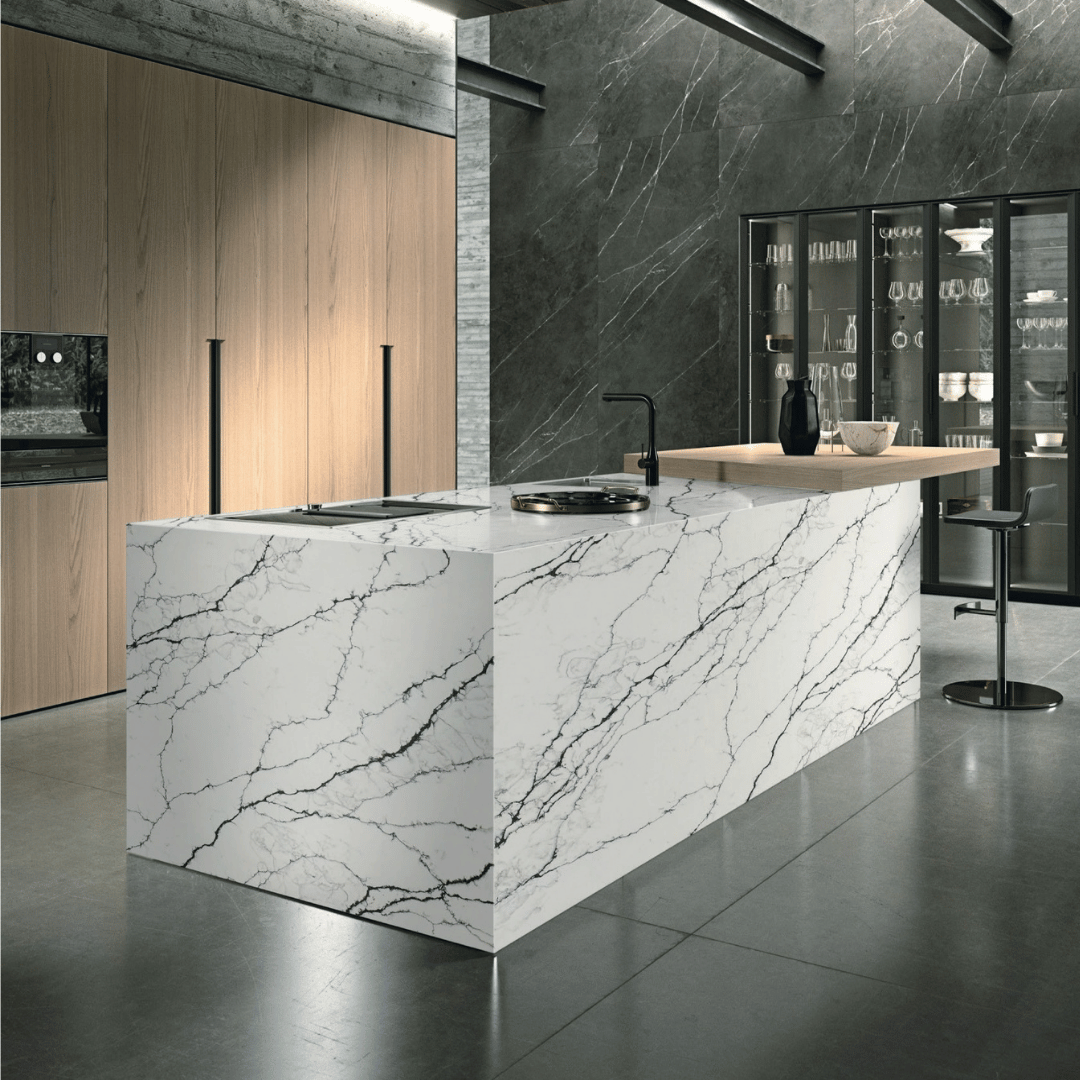
Quartz offers a more uniform appearance with a variety of colors and patterns, making it easier to match with your specific design aesthetic. Quartzite, however, presents a more organic look, with unique veining and color variations that enhance its natural beauty.
3. Durability
Both materials are durable, but quartzite is generally harder and more resistant to scratches and heat. However, quartz provides excellent durability for everyday use and is less likely to chip.
4. Maintenance
Quartz is non-porous, meaning it does not require sealing and is resistant to stains. In contrast, quartzite is porous and needs to be sealed regularly to maintain its appearance and prevent staining.
5. Cost
Quartz is typically more affordable than quartzite. Prices vary based on the brand and the complexity of the design, but on average, quartz can be a more budget-friendly option for homeowners.
Applications in the Home
Kitchen Countertops
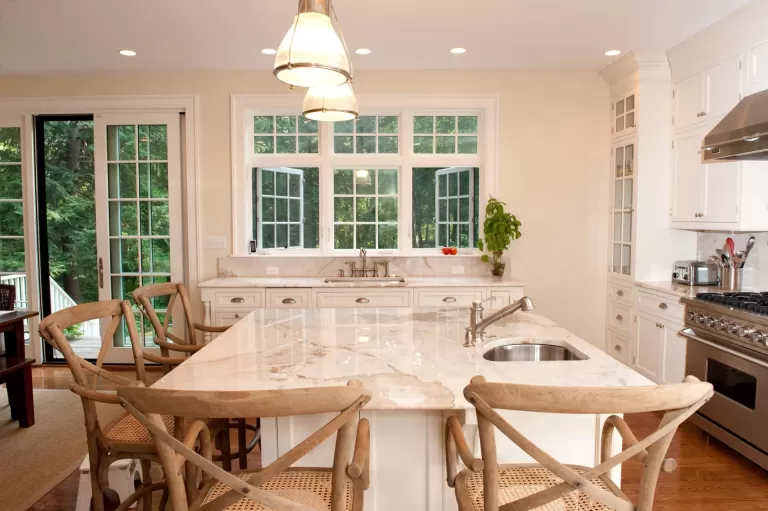
Both quartz and quartzite are excellent choices for kitchen countertops. Quartz is favored for its low maintenance and wide range of colors, while quartzite is chosen for its unique beauty and extreme durability.
Bathroom Vanities
In bathrooms, both options perform well, but quartz’s non-porous nature makes it ideal for high-moisture areas, reducing the risk of mold and mildew.
Other Uses
Beyond countertops, both materials can be used for backsplashes, flooring, and even wall cladding, offering versatility in design.
Choosing the Right Material for Your Atlanta Home
When deciding between quartz and quartzite, consider your lifestyle, budget, and design preferences. If you prioritize low maintenance and a wide variety of styles, quartz may be the best choice. If you seek a unique, natural look and are willing to invest in maintenance, quartzite could be your ideal option.
Conclusion
Ultimately, both quartz and quartzite have their unique advantages and can add beauty and functionality to your home. By understanding the differences and considering your specific needs, you can make an informed decision. Whether you choose quartz or quartzite, both materials will elevate the aesthetics and value of your Atlanta home.
Contact Builder Stone Global
If you’re ready to explore premium quartz and quartzite options, contact Builder Stone Global at +1 470-551-2092 or visit our Norcross showroom to view our extensive slab collections. Our surface specialists are here to help you find the perfect material for your project.