Porcelain Slab or Quartz? The Definitive Answer for Georgia Buyers
Porcelain Slab or Quartz? The Definitive Answer for Georgia Buyers
When it comes to choosing the perfect material for countertops, flooring, and architectural surfaces, homeowners and professionals alike are often faced with a crucial decision: porcelain slabs or quartz? Both materials offer unique advantages and aesthetic appeal, making it essential for buyers in Georgia to understand their differences and benefits. In this comprehensive guide, we will delve into the characteristics, applications, and performance of porcelain slabs and quartz, equipping you with the information you need to make an informed decision.
Why Choose Premium Quartz, Porcelain & Natural Stone Slabs?
The choice between porcelain and quartz can significantly impact the look and functionality of your space. Premium slabs not only enhance aesthetics but also offer durability and performance, making them ideal for various applications. Whether you’re renovating a kitchen, designing a bathroom, or tackling a commercial project, understanding the strengths of each material is vital.
Understanding Porcelain Slabs
Porcelain slabs are made from a mix of natural clay, minerals, and water, which is then fired at high temperatures. This process results in a dense and durable material known for its low porosity, making it resistant to stains, moisture, and bacteria. Porcelain slabs are available in a wide range of colors, patterns, and finishes, including options that mimic natural stone.
Benefits of Porcelain Slabs
- Durability: Porcelain is highly resistant to scratches, chips, and heat, making it suitable for high-traffic areas.
- Low Maintenance: With minimal need for sealing, porcelain slabs are easy to clean and maintain.
- Versatility: Ideal for both indoor and outdoor applications, including countertops, backsplashes, and flooring.
Exploring Quartz Slabs
Quartz slabs, on the other hand, are engineered stone products made from approximately 90-95% crushed natural quartz crystals combined with resins and pigments. This manufacturing process allows for a wide variety of colors, patterns, and finishes. Quartz is known for its non-porous surface, making it highly resistant to stains and easy to maintain.
Benefits of Quartz Slabs
- Consistent Appearance: Quartz slabs offer uniformity in color and pattern, ensuring a cohesive look in your design.
- Durability: Like porcelain, quartz is resistant to scratches and stains, making it ideal for kitchens and bathrooms.
- No Sealing Required: Unlike natural stone, quartz does not need to be sealed, reducing maintenance efforts.
Comparing Performance: Porcelain vs. Quartz
When selecting between porcelain slabs and quartz, consider the following performance factors:
1. Heat Resistance
Porcelain tends to have a higher heat resistance compared to quartz, making it an excellent choice for areas near stovetops or ovens. However, quartz can still withstand typical kitchen temperatures without damage.
2. Scratch Resistance
Both materials are scratch-resistant, but porcelain’s dense surface can withstand more abuse in commercial settings or busy households.
3. Stain Resistance
Quartz’s non-porous surface offers superior stain resistance, while porcelain’s low porosity also provides excellent protection against staining.
Applications: Kitchen & Bathroom
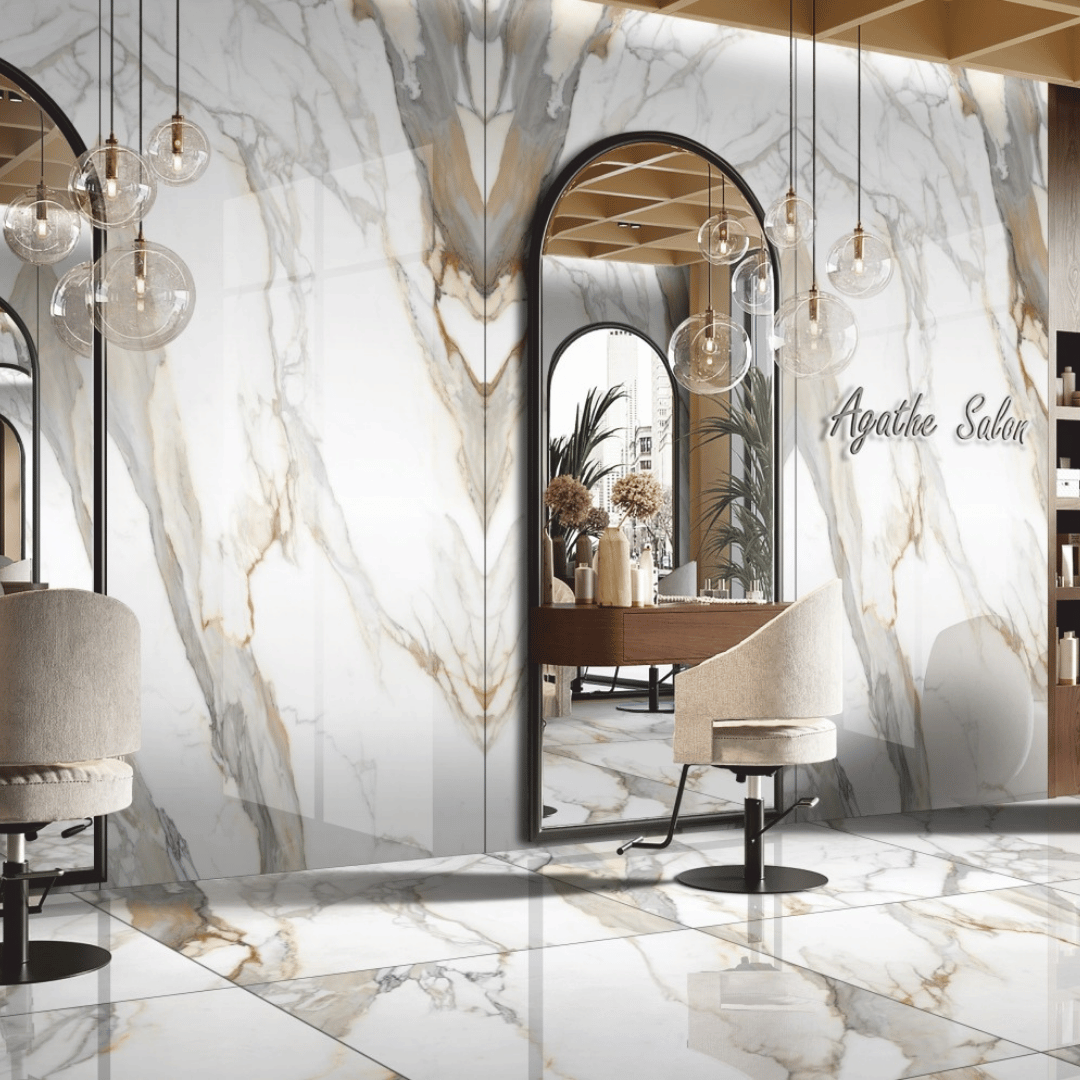
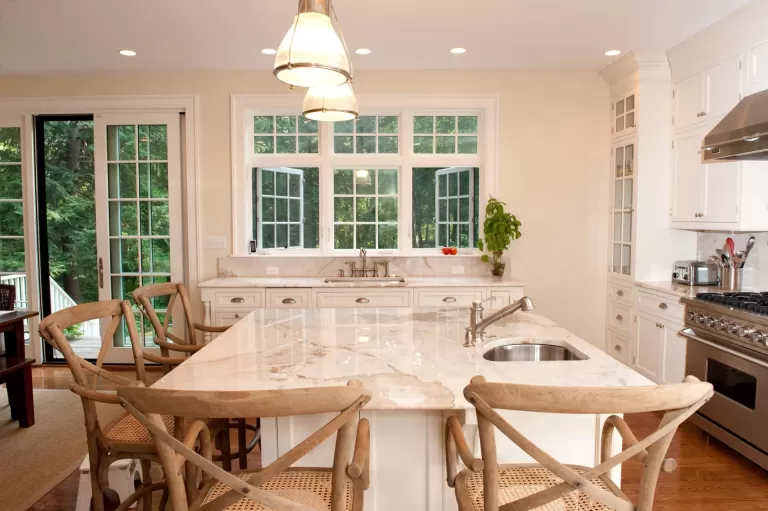
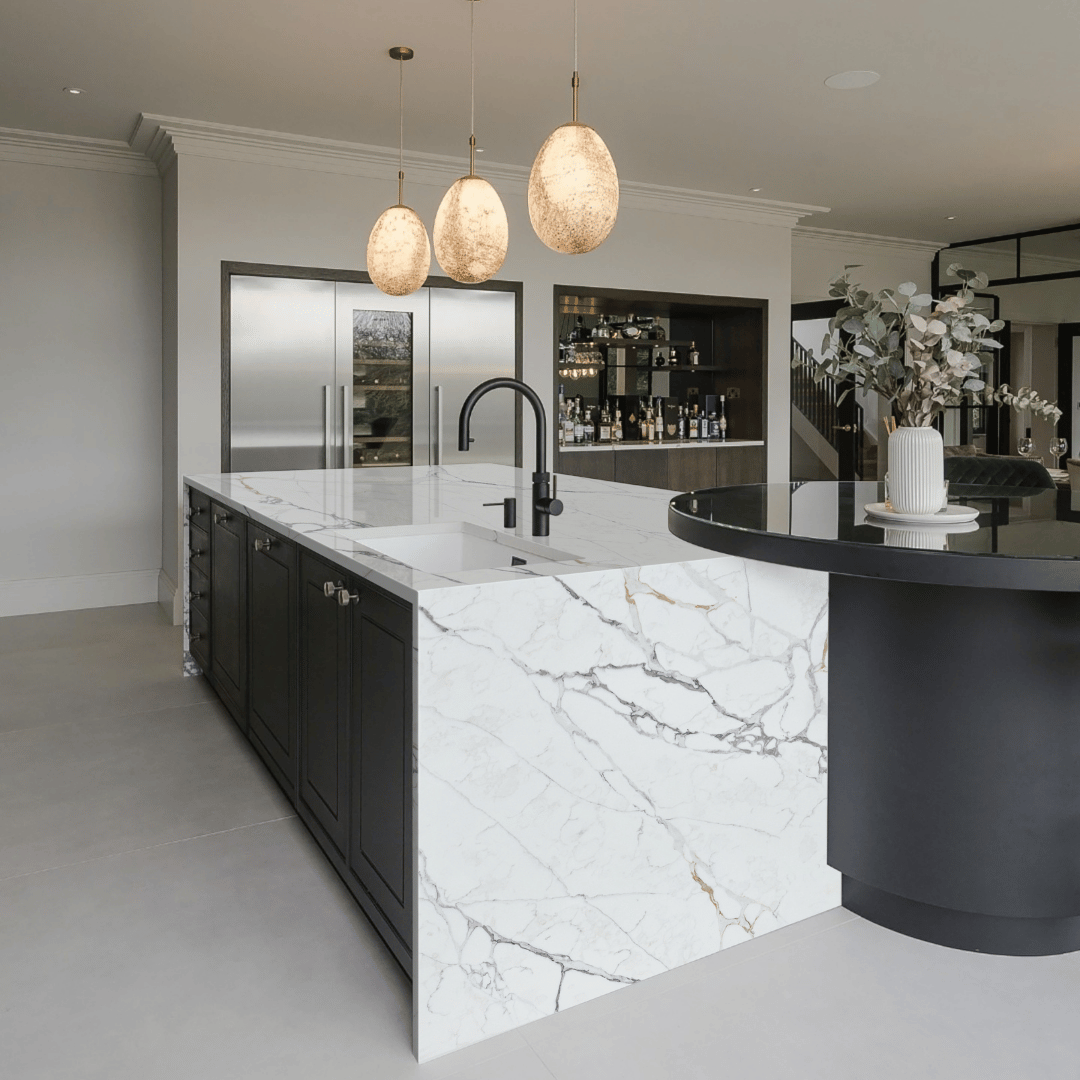
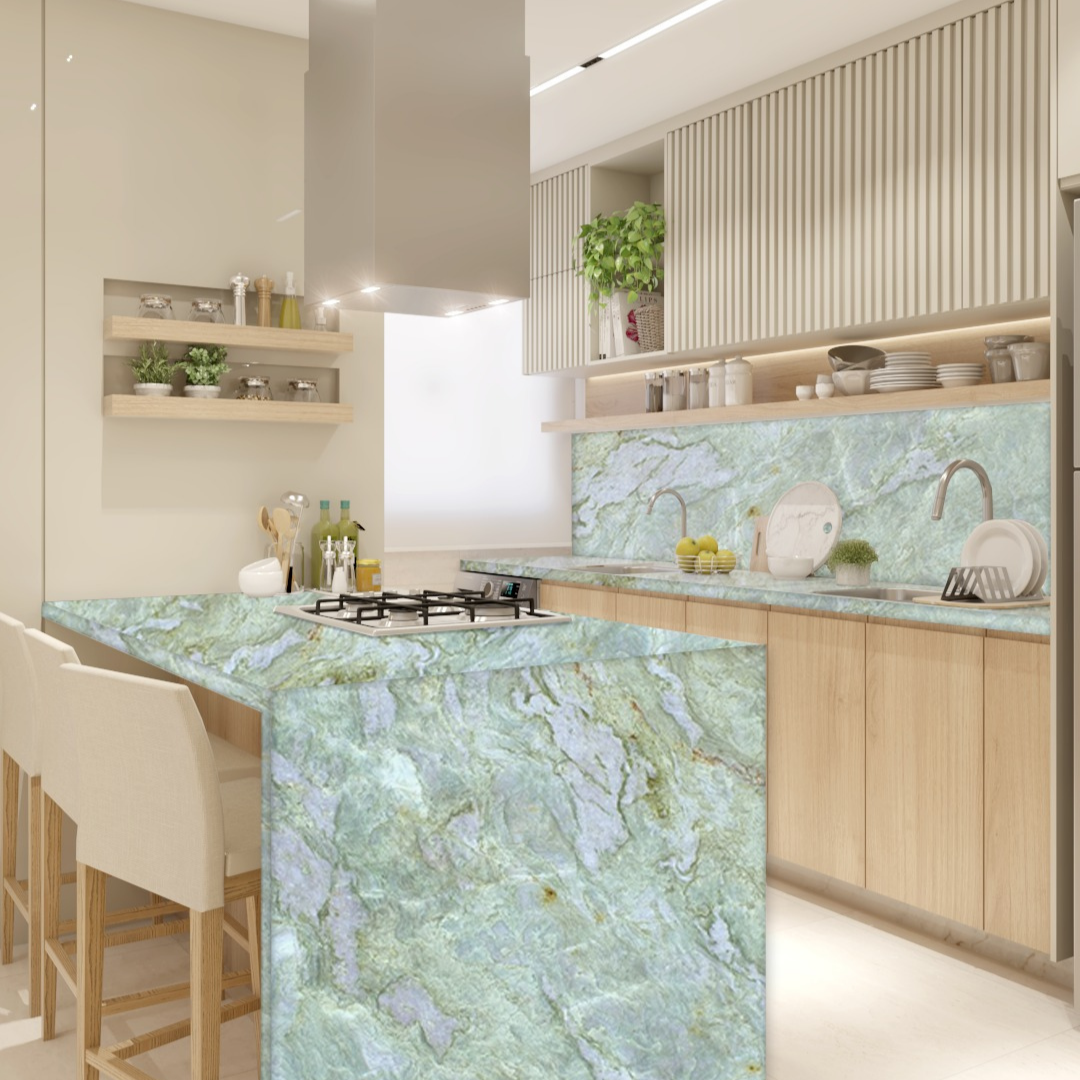
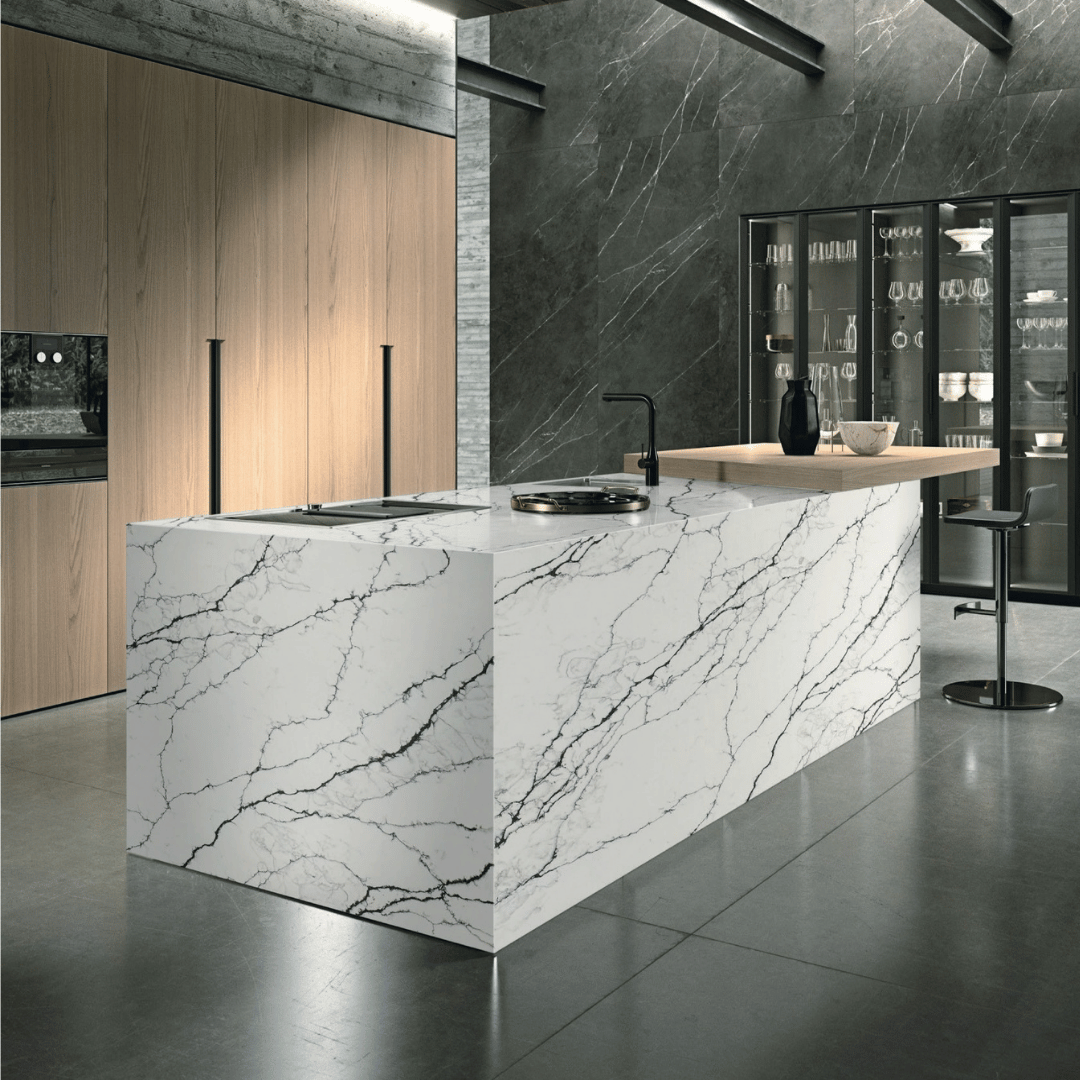
Both porcelain slabs and quartz are popular choices for kitchen countertops and bathroom vanities due to their durability and aesthetic appeal. In kitchens, quartz surfaces can enhance the look of cabinetry, while porcelain’s design versatility allows for creative backsplashes and flooring options.
Architectural & Commercial Projects
For larger architectural and commercial projects, both materials can serve various functions, from flooring to wall cladding. Porcelain’s durability makes it suitable for areas with high foot traffic, while quartz’s aesthetic appeal can elevate any space.
Dealer & Fabricator Partnership Program
At Builder Stone Global, we offer a robust partnership program for dealers and fabricators in Georgia and beyond. Our extensive in-stock inventory of both porcelain and quartz slabs ensures that you have access to quality materials for your projects. Our focus on architectural precision and design-forward collections sets us apart in the industry.
Frequently Asked Questions About Quartz, Porcelain & Natural Stone Slabs
To further assist you in making your decision, here are some frequently asked questions:
1. What is the difference between HD quartz and standard quartz?
HD quartz features advanced technology for enhanced performance and aesthetics compared to standard quartz.
2. What are full body and non-full body porcelain slabs?
Full body porcelain contains the same color throughout, while non-full body porcelain has a printed surface layer.
3. What slab thickness options are available?
Both porcelain and quartz slabs come in various thicknesses to suit different applications.
4. Are there edge profile limitations?
Edge profiles can vary based on the material and thickness, but skilled fabricators can create custom profiles for both materials.
5. How durable is porcelain compared to quartz?
Porcelain is generally more durable in high-traffic areas, while quartz offers excellent durability for residential use.
6. How heat resistant are these materials?
Porcelain typically has a higher heat resistance than quartz, but both can withstand typical kitchen heat.
7. What are the fabricator requirements for each material?
Fabricators should be trained in handling both materials to ensure proper installation and design.
8. How can I check inventory availability?
Visit our live slab inventory to check availability.
9. What are the typical lead times for orders?
Lead times can vary based on material and order size; contact us for specific details.
How to Contact Builder Stone Global
If you’re ready to explore your options, we invite you to contact our team. Our surface specialists are here to assist you in choosing the right material for your project. You can also visit our Norcross showroom to see our premium slab collections in person.
Conclusion
Ultimately, the choice between porcelain slabs and quartz depends on your specific needs and design vision. Both materials offer exceptional performance and aesthetic appeal, making them suitable for a variety of applications. By understanding the benefits and characteristics of each, Georgia buyers can make an informed decision that enhances their spaces for years to come.
For more information, call +1 470-551-2092 to speak with our surface specialists or schedule a showroom appointment in Norcross, GA.