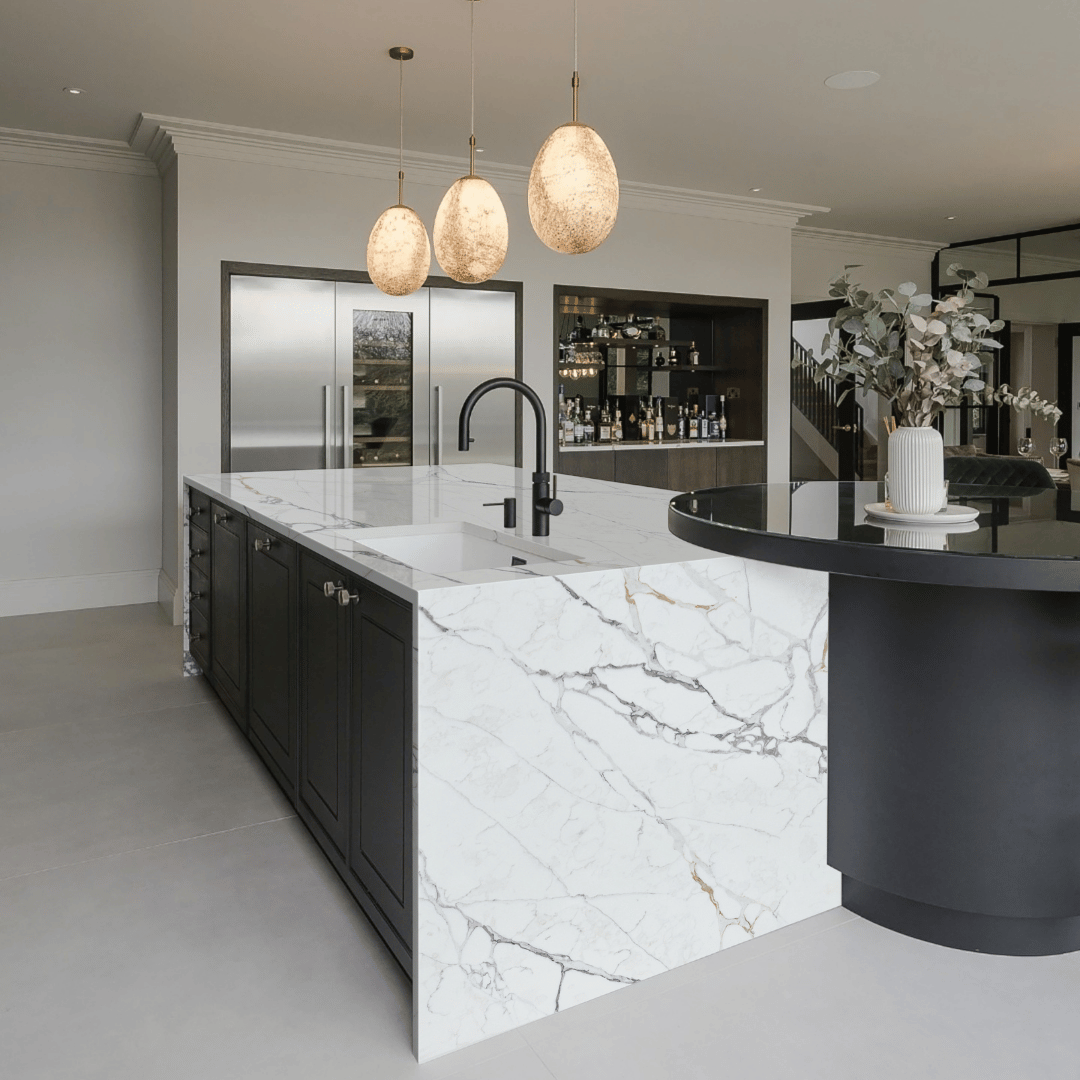
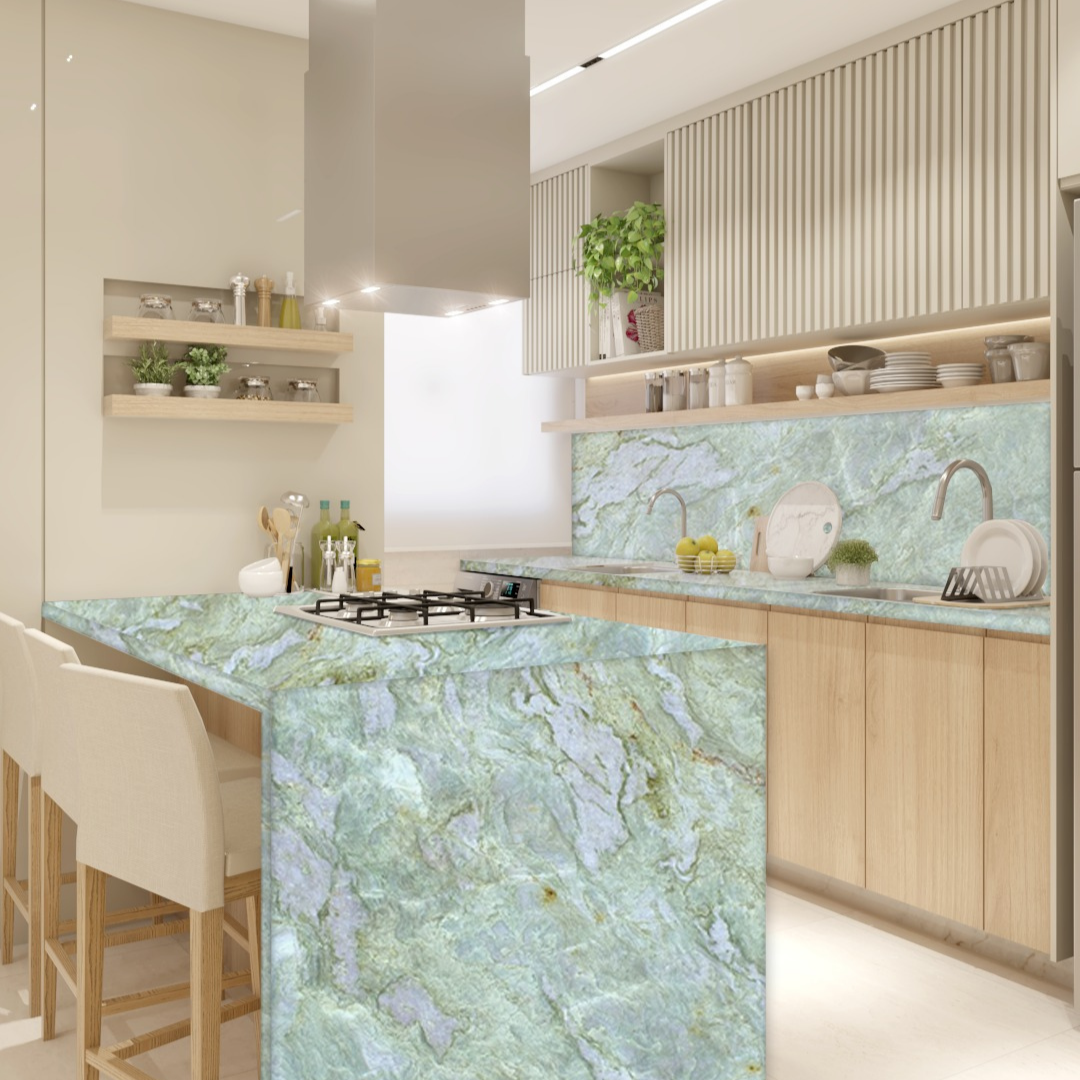
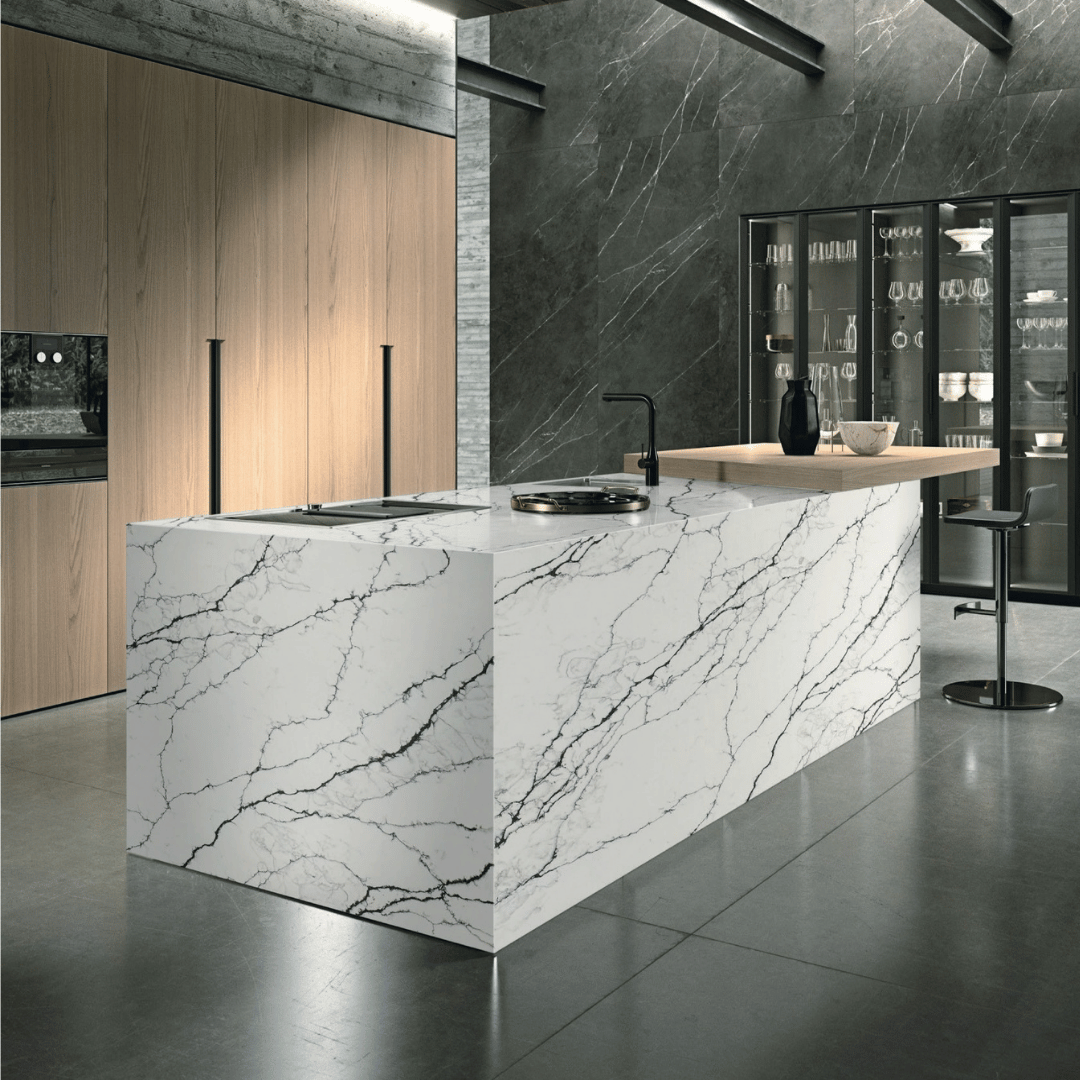
The 3 Biggest Mistakes Atlanta Kitchen Designers Make with Stone
The world of kitchen design is ever-evolving, and for designers in Atlanta, the integration of stone surfaces plays a pivotal role in achieving both aesthetics and functionality. However, even the most experienced kitchen designers can fall victim to common pitfalls when it comes to selecting and utilizing stone materials. In this article, we’ll explore the three biggest mistakes that Atlanta kitchen designers often make with stone, and how avoiding them can elevate their designs to the next level.
1. Ignoring the Importance of Material Selection
One of the most significant mistakes kitchen designers make is not fully understanding the properties of different stone materials. While granite, quartz, and porcelain stones are all popular choices, each has unique characteristics that can impact their performance and durability in a kitchen environment.
For instance, granite is known for its heat resistance and durability, making it suitable for kitchen countertops. However, its porous nature means it requires regular sealing to prevent stains. On the other hand, quartz surfaces are engineered to be non-porous, offering greater stain resistance but may not withstand high heat as effectively. Porcelain slabs, particularly large format options, offer a sleek, modern aesthetic and superior durability, but designers might overlook their capabilities in favor of more traditional materials.
Understanding the specific uses and limitations of each stone type is crucial in preventing costly mistakes and ensuring the longevity of the design. Designers should consider factors such as maintenance requirements, resistance to scratches and stains, and the overall look they wish to achieve.
2. Neglecting to Consider the Space and Functionality
Another common mistake is not taking into account the overall kitchen layout and how the selected stone will function within the space. Kitchen designers must assess the flow of the kitchen, the placement of appliances, and how the stone surfaces will be used daily.
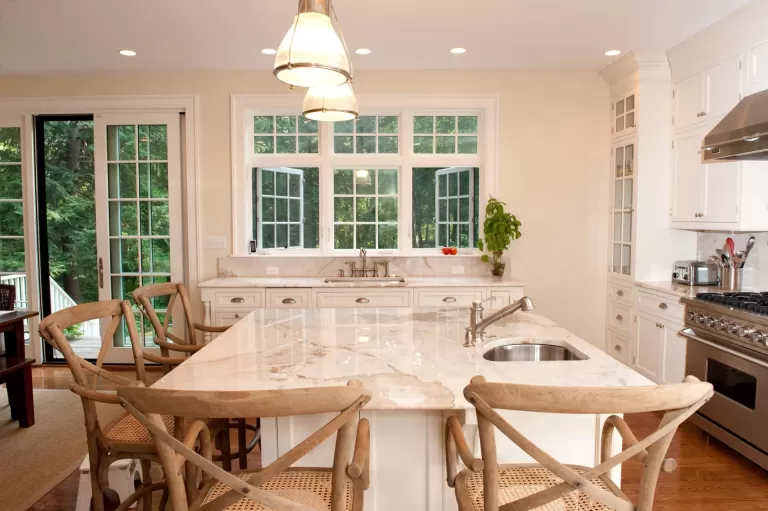
For example, a large, heavy stone countertop might look stunning in a spacious kitchen, but in a smaller area, it could overwhelm the design and make the space feel cramped. Additionally, designers often neglect to consider the edge profiles of the stone. A sharp, angular edge may be visually appealing, but it could pose safety risks in a busy kitchen space, especially in homes with children.
Furthermore, the choice of stone should complement the overall kitchen theme and color palette. A designer must ensure that the stone integrates harmoniously with cabinetry, flooring, and appliances. Utilizing design software or 3D modeling can help visualize these elements and avoid mismatched aesthetics.
3. Overlooking the Importance of Lighting
Lighting plays a significant role in how stone surfaces are perceived in a kitchen. Designers often underestimate the impact that natural and artificial light has on the color and texture of stone. Poor lighting can dull the vibrancy of natural stone or create harsh shadows that obscure its beauty.
When selecting stone, designers should consider how the chosen material will look under different lighting conditions throughout the day. For example, a beautiful quartzite may look stunning in natural light but could appear flat and lifeless under artificial lighting. Incorporating layers of lighting, such as task, ambient, and accent lighting, can enhance the appearance of stone surfaces and highlight their texture and color variations.
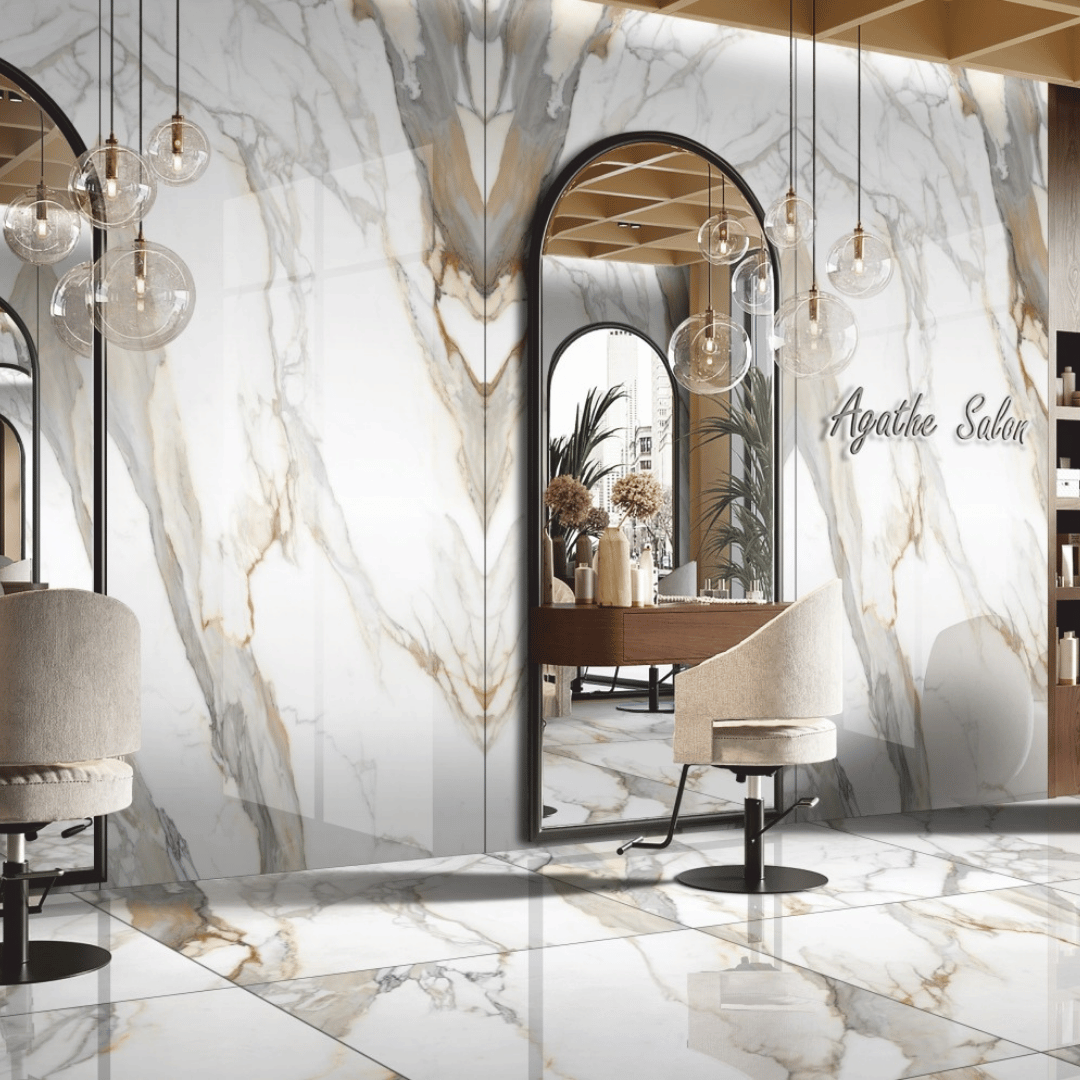
Furthermore, the finish of the stone can affect how it interacts with light. Polished surfaces reflect light, creating a bright and open feel, while matte finishes can absorb light and create a more subdued atmosphere. Designers should carefully choose the finish based on the desired ambiance of the kitchen and how it will work with the overall lighting scheme.
Conclusion
Avoiding these three common mistakes can significantly improve the outcomes of kitchen designs in Atlanta. By understanding the properties of stone materials, considering the functionality and layout of the space, and integrating effective lighting solutions, designers can create beautiful, functional kitchens that stand the test of time. As the demand for premium stone surfaces continues to rise, embracing these practices will ensure that designers not only meet but exceed client expectations.
For kitchen designers looking for high-quality stone materials, Builder Stone Global offers a wide selection of premium quartz, porcelain, and natural stone slabs. Contact our team today at +1 470-551-2092 to discuss your design needs or visit our Norcross showroom to explore our extensive inventory.