Mastering the Art of Mixing Warm and Cool Stones in Atlanta Homes
Mastering the Art of Mixing Warm and Cool Stones in Atlanta Homes
In the world of interior design, the choice of materials can significantly influence the atmosphere of a space. When it comes to stone surfaces, the interplay of warm and cool tones can create stunning contrasts or, if done incorrectly, lead to a disjointed look. For homeowners in Atlanta, where architectural elegance meets Southern charm, understanding how to mix warm and cool stones without clashing is essential for achieving a cohesive design. In this comprehensive guide, we will explore effective strategies for harmonizing different stone colors and textures, providing you with the knowledge to elevate your spaces with premium quality surfaces from Builder Stone Global.
Understanding Stone Thermodynamics
Before diving into the aesthetics of stone mixing, it’s crucial to understand the thermodynamics of stone materials. Stones can be categorized into two primary groups based on their thermal properties: warm stones, which tend to absorb heat and radiate warmth, and cool stones, which reflect light and create a crisp, clean appearance.
Warm stones typically include materials like granite and quartzite, which often feature rich, earthy tones such as reds, browns, and golds. Cool stones, on the other hand, include materials like marble and porcelain, characterized by lighter shades like whites, grays, and blues. Understanding these properties will help you make informed choices about which stones to pair together.
The Color Wheel and Stone Selection
Using the color wheel as a guide can simplify the process of selecting stones that complement each other. In general, colors that are opposite each other on the wheel, known as complementary colors, create a dynamic contrast that can enhance the visual interest of a space. For instance, pairing warm beige granite with cool blue-gray marble can yield a striking yet harmonious look.
Here’s a simple breakdown of how to effectively use the color wheel for stone selection:
- Analogous Colors: These are colors next to each other on the color wheel. Pairing warm beige with a soft peach can create a soothing atmosphere.
- Complementary Colors: Opposite colors on the wheel can create a bold look. Consider pairing a warm terracotta with cool slate.
- Triadic Colors: Using three colors evenly spaced on the wheel can provide balance. For example, a combination of warm red, cool blue, and neutral gray can create a vibrant yet cohesive design.
Creating Harmony with Texture
Texture is another vital element when mixing warm and cool stones. A well-thought-out texture combination can enhance the overall aesthetic, making the space feel more cohesive. For instance, pairing a polished cool marble with a honed warm granite can create a pleasing contrast that draws the eye.
Consider these tips when mixing textures:
- Balance Smooth and Rough: A smooth surface can contrast nicely with a rough one, adding depth to the design.
- Vary the Finish: Mixing finishes, such as polished, honed, or leathered, can create an engaging visual experience.
- Consider Scale: Large-format slabs can be complemented by smaller, textured stones to maintain balance.
Using Lighting to Enhance Stone Features
Lighting plays a crucial role in how stones are perceived in a space. The right lighting can highlight the unique qualities of both warm and cool stones, enhancing their colors and textures. Here are some tips for using lighting effectively:
- Natural Light: Maximize natural light to showcase the natural beauty of your stone surfaces.
- Layered Lighting: Use a combination of ambient, task, and accent lighting to create depth and interest.
- Color Temperature: Choose warm or cool light bulbs to complement the tones of your selected stones.
Expert Tips for Mixing Stones
To successfully mix warm and cool stones without clashing, consider the following expert tips:
Here are more actionable tips:
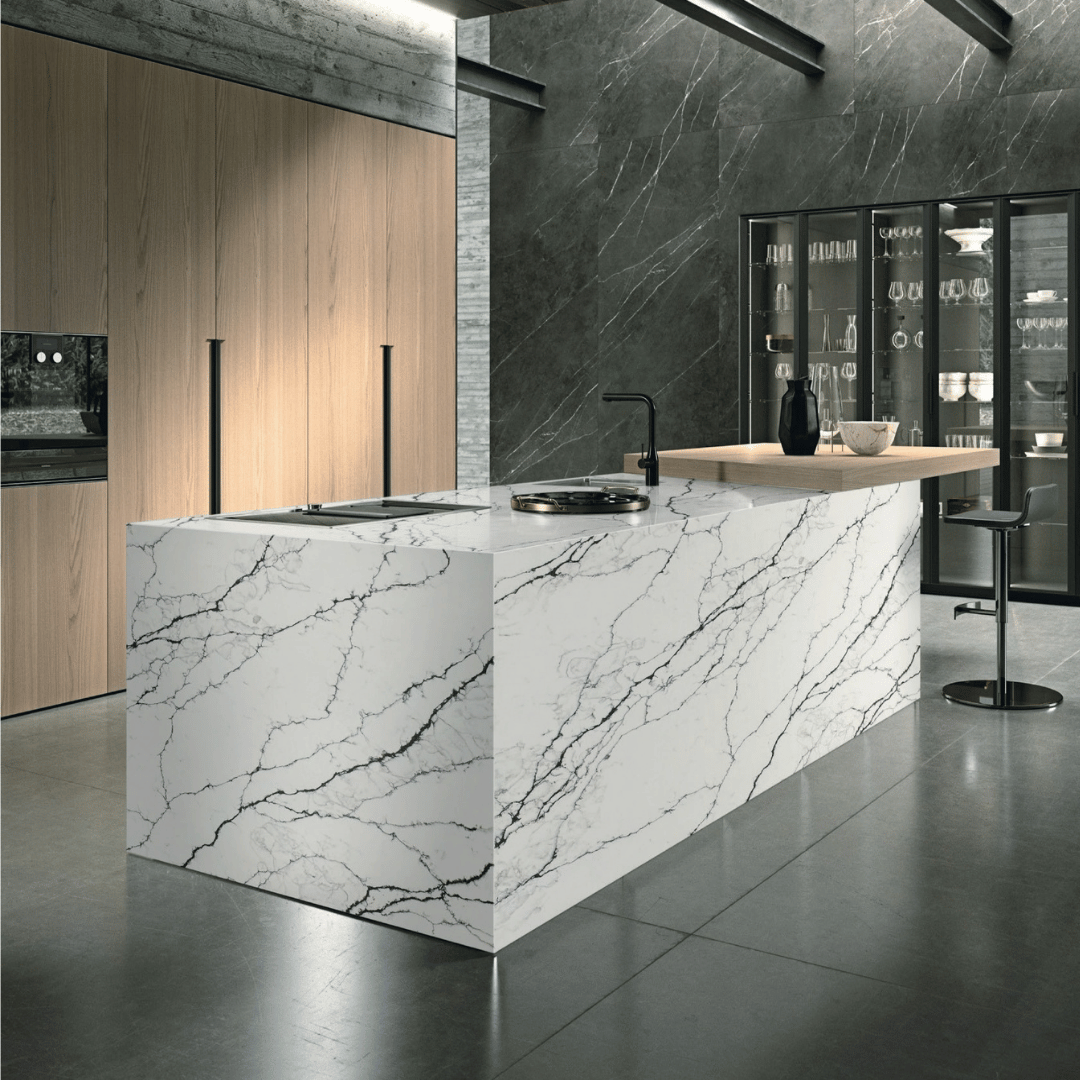
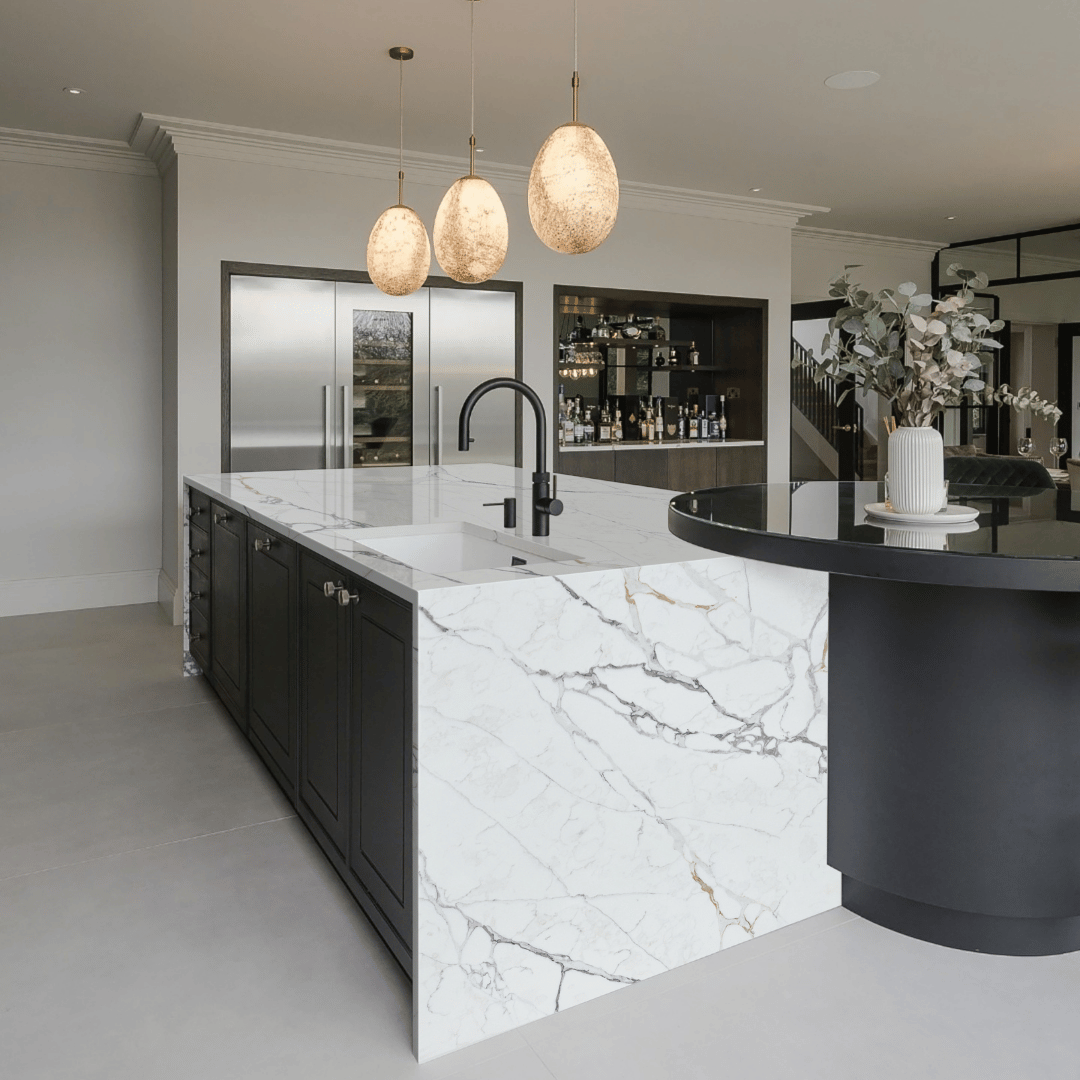
- Establish a Focal Point: Choose one stone as a focal point and build around it. For example, if you select a dramatic warm quartzite for a kitchen island, consider using cooler porcelain for the backsplash.
- Limit Your Palette: Stick to a maximum of three types of stones to avoid overwhelming the design. This keeps the look cohesive and intentional.
- Incorporate Accessories: Use decorative elements like rugs, artwork, or furniture to bridge the gap between warm and cool stones.
Case Studies in Atlanta Design
Atlanta homes are known for their architectural elegance, and many local designers have successfully mixed warm and cool stones to create stunning interiors. Here are a few examples:
1. Modern Farmhouse Style
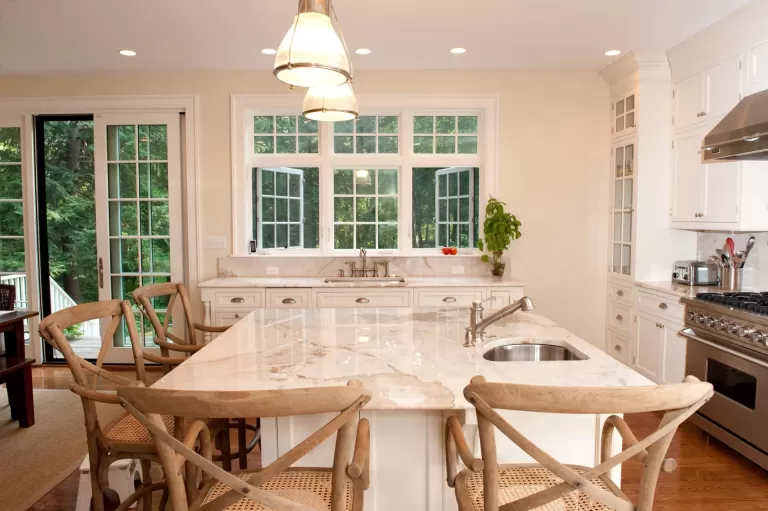
A recently remodeled modern farmhouse in Atlanta features a striking combination of warm oak cabinetry with cool white quartz countertops. The contrast is softened by incorporating warm-toned decorative elements, such as brass fixtures and wooden accents.
2. Urban Loft
In an urban loft, a designer used dark slate flooring with warm caramel-colored granite countertops. The coolness of the slate is balanced by the vibrancy of the granite, creating a chic yet inviting atmosphere.
3. Traditional Southern Home
A traditional Southern home embraced a classic look with warm beige travertine and cool gray marble in the bathrooms. This combination not only adds elegance but also ensures that the spaces feel cohesive and well-thought-out.
FAQ
1. How do I choose the right stones for my Atlanta home?
Choosing the right stones involves considering the overall design aesthetic, the colors present in your space, and how the stones will interact with light. Start by obtaining samples and testing them together in your home.
2. Can I mix different types of stones?
Yes, mixing different types of stones can create a beautiful and dynamic look. Just ensure that you maintain a balance between warm and cool tones to avoid clashing.
3. What is the best lighting for highlighting stone surfaces?
Natural light is ideal for showcasing stone surfaces. Additionally, layered lighting with a mix of ambient and accent lights can enhance their features.
4. Are there specific stone combinations that work well together?
Yes, combinations such as warm granite with cool marble or quartzite with porcelain can work beautifully together, creating a balanced look.
5. How can I ensure my stone choices are cohesive?
Limit your palette to three types of stones, establish a focal point, and incorporate accessories that bridge the colors and textures.
6. What finishes should I consider when mixing stones?
Mixing finishes such as polished and honed can create visual interest. Consider the overall aesthetic you want to achieve when selecting finishes.
7. How does texture affect stone mixing?
Texture can significantly impact the overall feel of a space. Mixing smooth and rough textures can create depth and enhance visual appeal.
8. What resources can help me with my stone selection?
Consider visiting a local stone showroom like Builder Stone Global in Norcross, GA, to view a variety of options and receive expert guidance.