How Quartz Slab Technology Creates Realistic Natural Stone Appearances
How Quartz Slab Technology Creates Realistic Natural Stone Appearances
In the world of architectural surfaces, quartz slab technology stands out as a revolutionary innovation that combines aesthetics with functionality. As a leading quartz slab distributor in Norcross, GA, Builder Stone Global is at the forefront of this transformation, offering premium quality slabs that not only mimic the beauty of natural stone but also enhance durability and maintenance ease. In this article, we will delve deep into how quartz slab technology achieves realistic natural stone appearances, the advantages it brings, and why it is becoming the preferred choice for homeowners, designers, and builders alike.
What is Quartz Slab Technology?
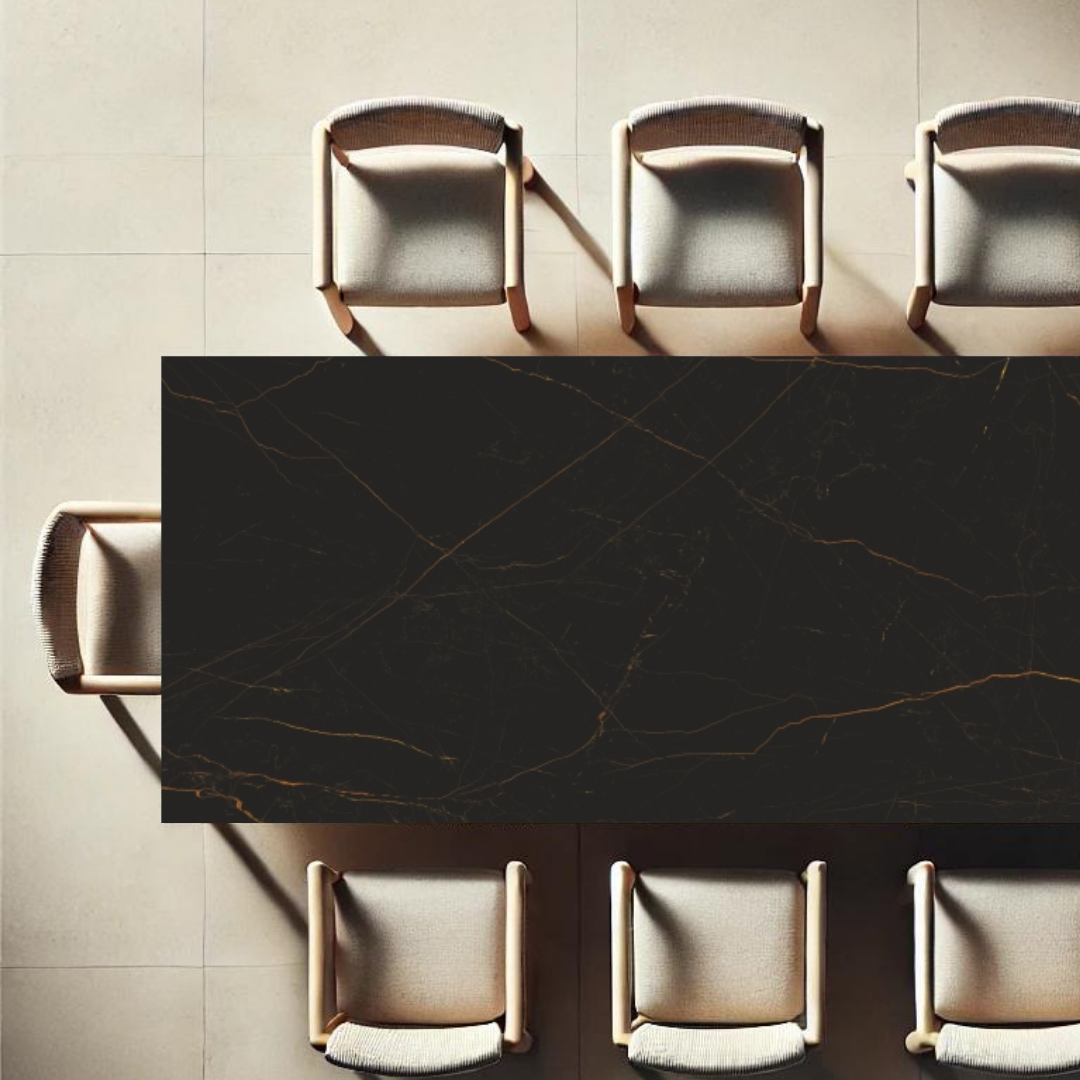
Quartz slab technology involves the engineering of slabs made from a blend of about 90-95% crushed quartz crystals and 5-10% resins, polymers, and pigments. This meticulous process results in a highly durable material that can replicate the look of natural stones such as granite, marble, and quartzite. Through advanced technology, manufacturers can produce a wide array of colors, patterns, and finishes, making quartz slabs a versatile option for various applications.
The Process of Manufacturing Quartz Slabs
The manufacturing process of quartz slabs consists of several key stages:
- Raw Material Selection: High-quality quartz crystals are sourced and crushed to the desired size.
- Mixing: The crushed quartz is mixed with resins, adhesives, and pigments, allowing for customization in color and pattern.
- Vibration and Compaction: The mixture is poured into a mold and subjected to vibration and pressure to eliminate air pockets and ensure density.
- Curing: The slabs are then cured in an oven, solidifying their structure and enhancing durability.
- Polishing: Finally, the slabs are polished to achieve the desired finish, whether it be glossy or matte.
This process not only creates a product that is visually appealing but also one that is engineered for performance, making quartz slabs a reliable choice in architectural design.
Benefits of Quartz Slabs in Mimicking Natural Stone
Quartz slabs offer numerous benefits that make them an attractive alternative to traditional natural stone:
- Consistency in Appearance: Unlike natural stone, quartz slabs provide a uniform look, making them ideal for large installations where visual continuity is essential.
- Wide Range of Designs: The technology allows for an extensive palette of colors and patterns, including those that imitate rare natural stones that may be cost-prohibitive or difficult to source.
- Durability: Quartz slabs are non-porous and resistant to stains, scratches, and heat, offering superior longevity compared to many natural stones.
- Low Maintenance: Unlike natural stone, which often requires sealing and regular upkeep, quartz slabs can be easily cleaned with soap and water, making them a practical choice for busy households.
These benefits position quartz slabs as a premier choice for both residential and commercial projects.
Comparing Quartz to Natural Stone
| Feature | Quartz Slabs | Natural Stone |
|---|---|---|
| Appearance | Consistent and customizable | Unique variations |
| Durability | Highly durable and non-porous | Can be porous and requires sealing |
| Maintenance | Low maintenance | Requires regular maintenance |
| Cost | Generally lower for similar aesthetics | Can be more expensive due to rarity |
This comparison highlights the advantages of quartz slabs in terms of both functionality and aesthetics, making them an appealing choice for modern architecture.
Design Flexibility and Aesthetic Appeal
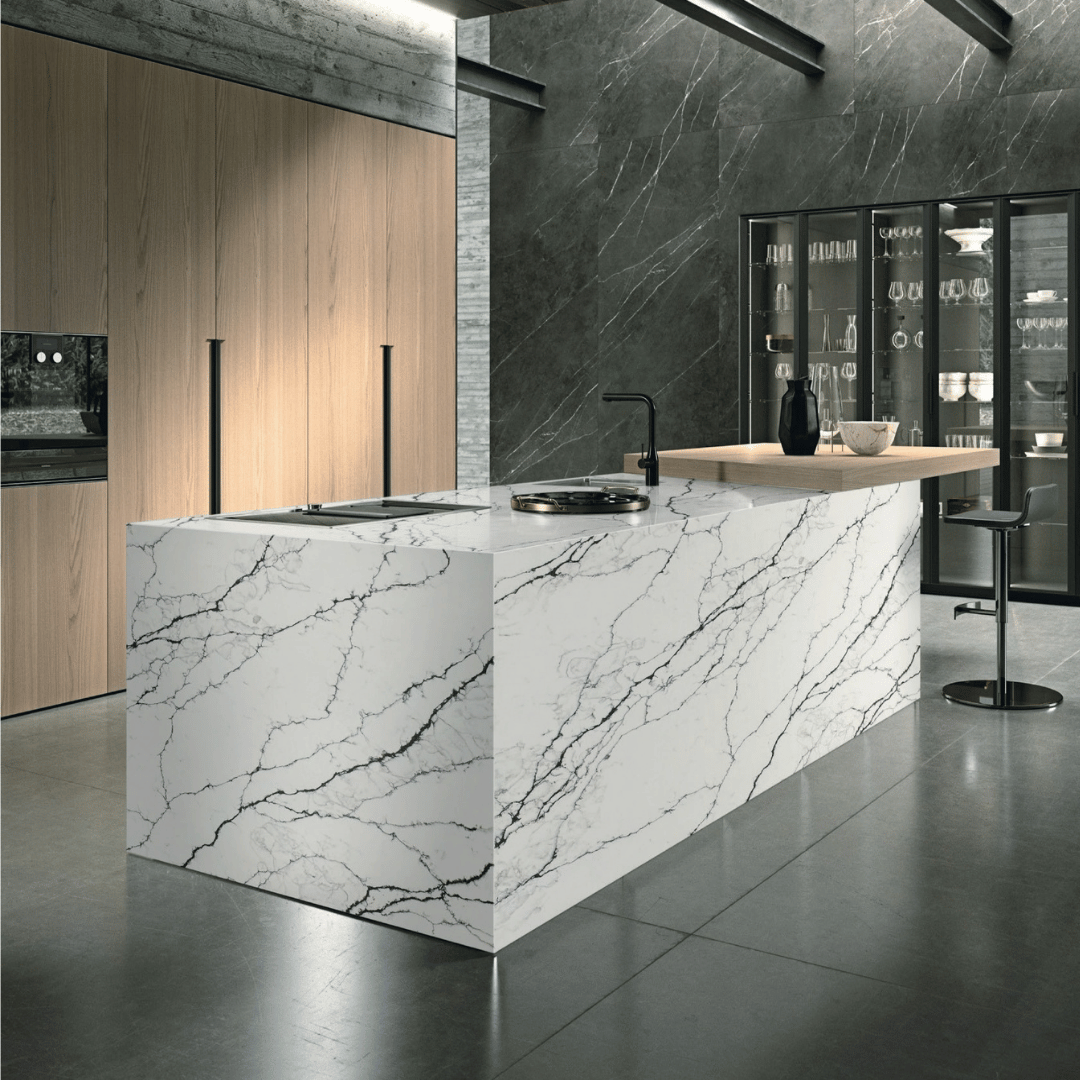
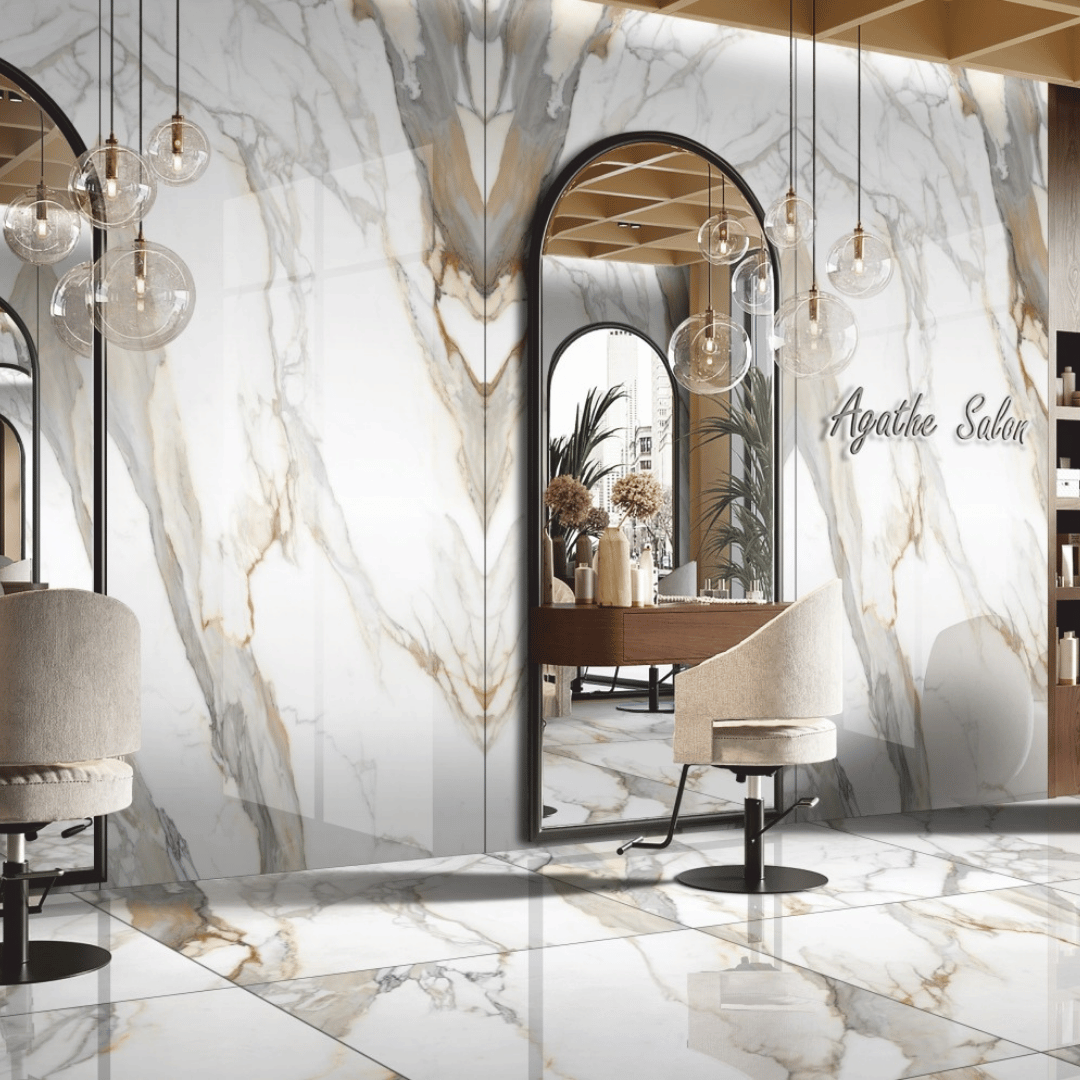
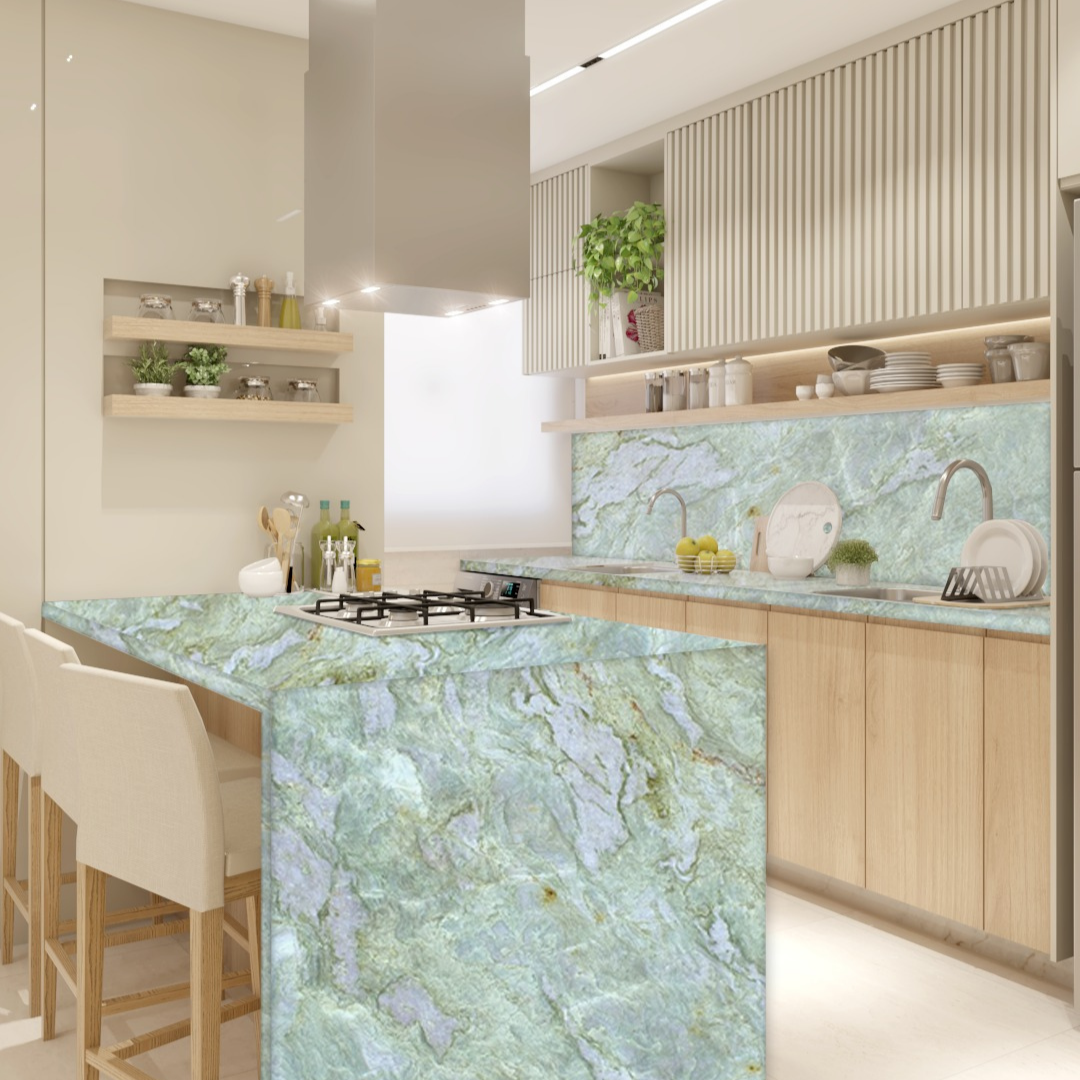
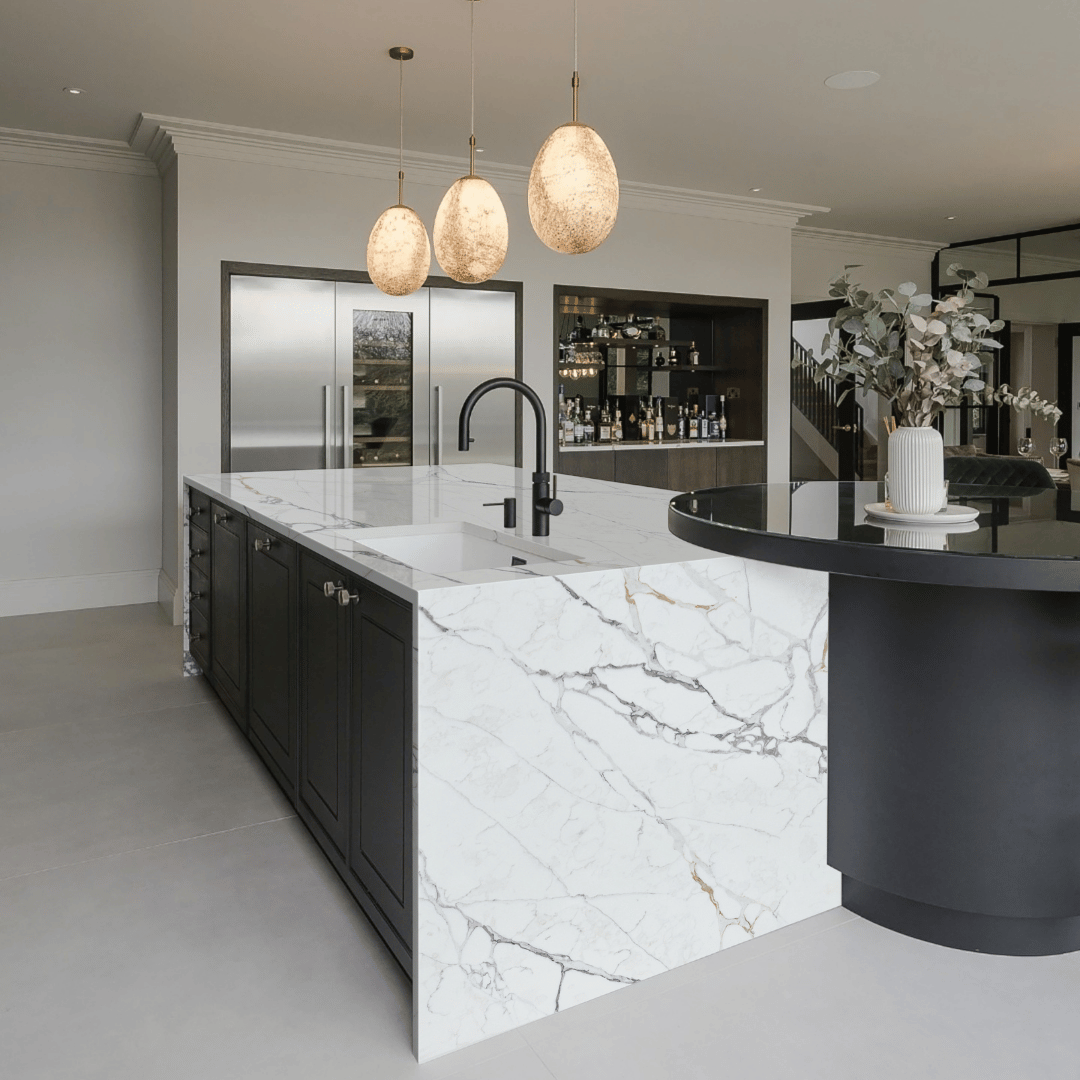
The design flexibility offered by quartz slab technology is unmatched. With the ability to create custom colors and patterns, designers can achieve the exact look they desire without sacrificing performance. Whether used in kitchen countertops, bathroom vanities, or wall applications, quartz slabs deliver a high-end look that elevates any space. For instance, the trend of using quartz slabs in waterfall islands allows for seamless integration of countertops and cabinetry, creating a cohesive and luxurious appearance.
Maintenance and Durability
One of the most significant advantages of quartz slabs is their durability. Being non-porous, they resist stains and bacteria, making them a hygienic choice for food preparation surfaces. Furthermore, their resistance to scratches and heat ensures that they maintain their beauty over time. Homeowners and designers alike appreciate the low maintenance requirements, as quartz surfaces can be easily cleaned with mild soap and water, eliminating the need for harsh chemical cleaners or regular sealing.
Real-World Applications of Quartz Slabs
Quartz slabs have found their way into various applications across both residential and commercial sectors. Some common uses include:
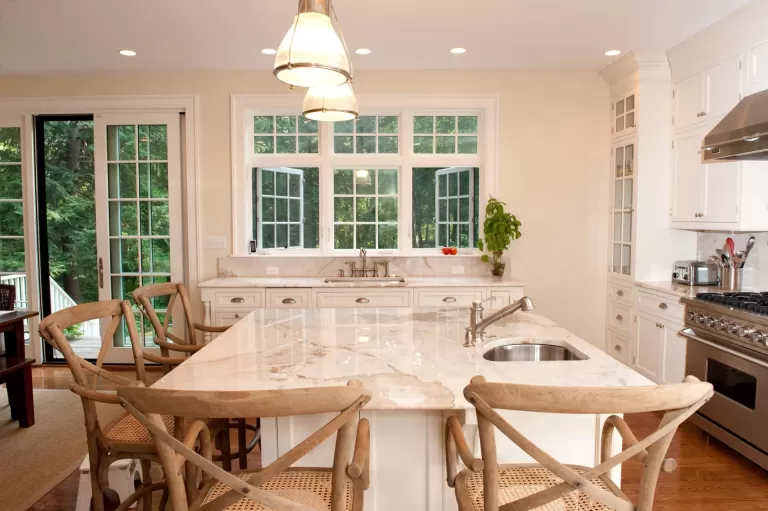
- Kitchens: Countertops, backsplashes, and islands.
- Bathrooms: Vanities, shower walls, and tub surrounds.
- Commercial Spaces: Reception areas, conference rooms, and retail displays.
These applications showcase the versatility and adaptability of quartz slabs, making them a go-to choice for architects and designers looking to create stunning spaces.
Frequently Asked Questions
1. What is the lifespan of quartz slabs?
Quartz slabs can last a lifetime with proper care and maintenance, making them a durable investment.
2. Are quartz slabs heat-resistant?
While quartz slabs are heat-resistant, it is advisable to use trivets or hot pads to avoid potential damage from extreme heat.
3. Can quartz slabs be repaired if damaged?
Yes, minor scratches can often be polished out, and more significant damage can be repaired by professionals.
4. How do I clean quartz slabs?
Quartz slabs can be cleaned with mild soap and water, avoiding harsh chemicals that may damage the surface.
5. Are quartz slabs environmentally friendly?
Many manufacturers use sustainable practices in sourcing materials, and quartz slabs can be recycled at the end of their life cycle.
6. Do quartz slabs require sealing?
No, quartz slabs are non-porous and do not require sealing, unlike many natural stones.
7. How do quartz slabs compare to granite?
While both are durable, quartz slabs offer consistent patterns and colors, whereas granite has unique natural variations.
8. What are the best uses for quartz slabs?
Quartz slabs are ideal for countertops, backsplashes, and other surfaces where durability and aesthetics are essential.
9. Can I use quartz slabs outdoors?
While quartz slabs can be used outdoors, exposure to direct sunlight may affect their color over time.
10. What is the cost comparison between quartz and natural stone?
Quartz slabs generally offer a lower price point for similar aesthetics compared to many natural stones, making them a cost-effective choice.
11. How can I select the right quartz slab for my project?
Consider the color, pattern, and finish that best aligns with your design vision and functional needs.
12. Where can I purchase quartz slabs?
You can visit our live inventory or contact us at +1 470-551-2092 to speak with our surface specialists.
Conclusion
Quartz slab technology has transformed the landscape of architectural surfaces, providing a versatile and aesthetically pleasing alternative to natural stone. With its numerous advantages, including durability, low maintenance, and design flexibility, quartz slabs are increasingly becoming the material of choice for discerning homeowners, designers, and builders. Explore our extensive collection of premium quartz slabs at Builder Stone Global, and elevate your projects with high-performance surfaces that embody architectural elegance.