
How Bookmatched Porcelain Creates Stunning Symmetrical Patterns in Architecture
How Bookmatched Porcelain Creates Stunning Symmetrical Patterns in Architecture
Updated on August 12, 2026
In the world of architectural design, the quest for unique aesthetics often leads designers to explore innovative materials that elevate visual impact. One such material that has gained immense popularity is bookmatched porcelain. This remarkable product not only offers the durability and versatility of porcelain but also achieves dramatic symmetrical patterns that can transform any space into a work of art. In this article, we will delve into the intricacies of bookmatched porcelain, exploring how it creates stunning visual effects and its applications in modern architecture.
What is Bookmatched Porcelain?
Bookmatched porcelain refers to a specific technique used in the production of porcelain slabs, where two identical pieces are placed side by side, creating a mirrored effect. This technique mimics the natural veining patterns found in natural stones like marble and granite, but with the added benefits of porcelain’s durability and low maintenance.
As a premium quartz, porcelain, and natural stone slab distributor, Builder Stone Global offers an extensive selection of bookmatched porcelain slabs that exemplify architectural elegance. The symmetrical patterns achieved through this technique can dramatically enhance the visual appeal of various surfaces, from countertops to wall coverings.
The Creation Process of Bookmatched Porcelain
The creation of bookmatched porcelain involves several meticulous steps:
- Design Selection: Designers select the desired pattern and color scheme, often inspired by natural stone.
- Digital Printing: High-resolution images of the chosen design are printed onto porcelain slabs using advanced digital printing technology.
- Cutting and Fabrication: The slabs are then cut in a way that allows for the bookmatching effect. This involves slicing the slabs in half and ensuring that they align perfectly when placed next to each other.
- Finishing Touches: Finally, the slabs undergo finishing processes, such as polishing or applying a matte finish, to enhance their aesthetic appeal.
This careful process ensures that each bookmatched porcelain slab is unique, showcasing intricate patterns that mimic the beauty of natural stone while providing the durability needed for architectural applications.
Benefits of Bookmatched Porcelain in Architecture
Bookmatched porcelain offers several advantages for architects and designers:
- Aesthetic Versatility: The dramatic patterns created by bookmatched porcelain can complement various design styles, from contemporary to traditional.
- Durability: Unlike natural stone, porcelain is resistant to scratches, stains, and moisture, making it ideal for high-traffic areas.
- Low Maintenance: Porcelain surfaces are easy to clean and maintain, requiring only basic cleaning products.
- Eco-Friendly Options: Many manufacturers offer sustainable options for porcelain production, making it a more environmentally friendly choice.
Applications of Bookmatched Porcelain in Architectural Design
Bookmatched porcelain can be utilized in various architectural applications:
1. Wall Coverings
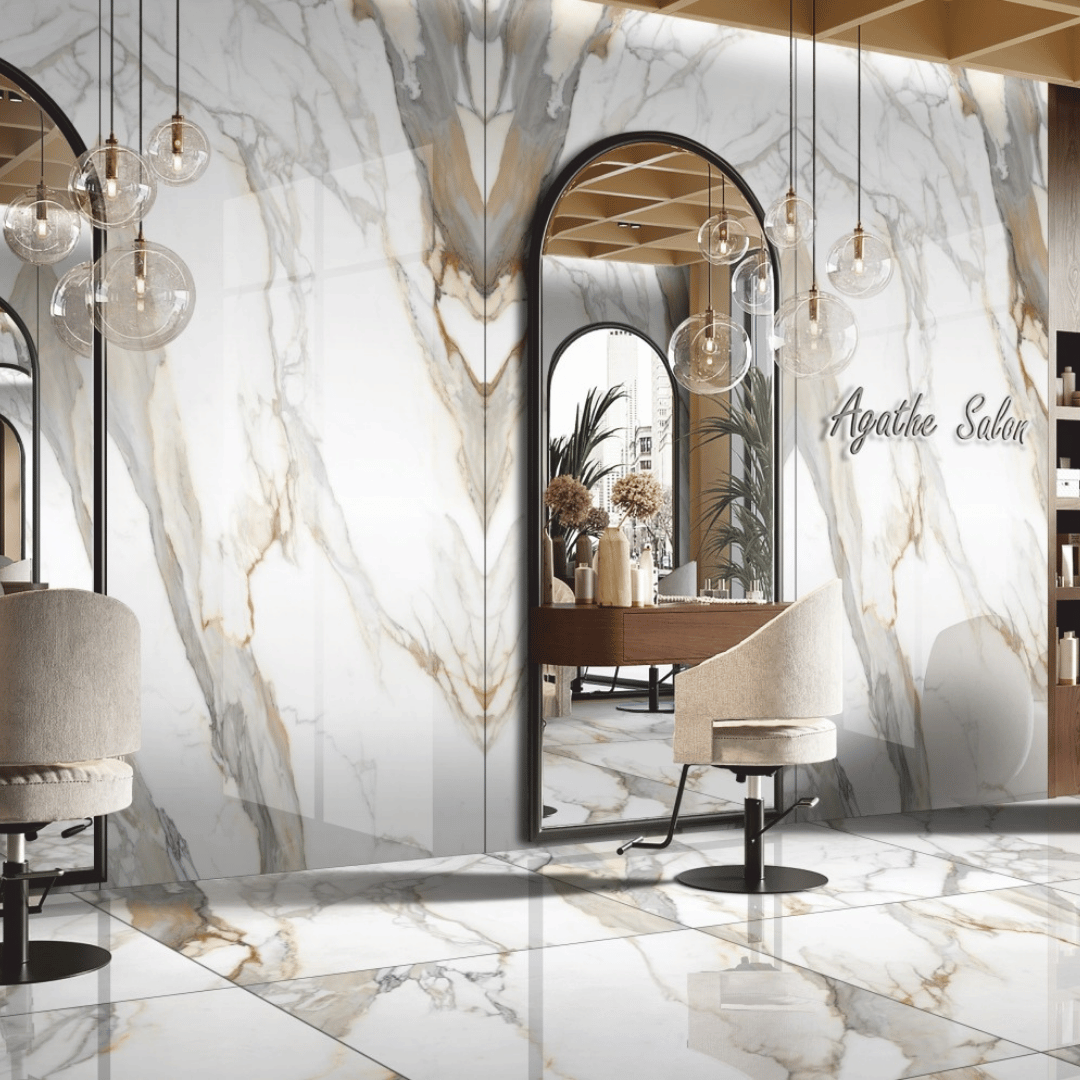
One of the most striking uses of bookmatched porcelain is in wall coverings. Whether used in residential or commercial spaces, the mirrored patterns create a focal point that draws the eye and adds depth to the room.
2. Countertops
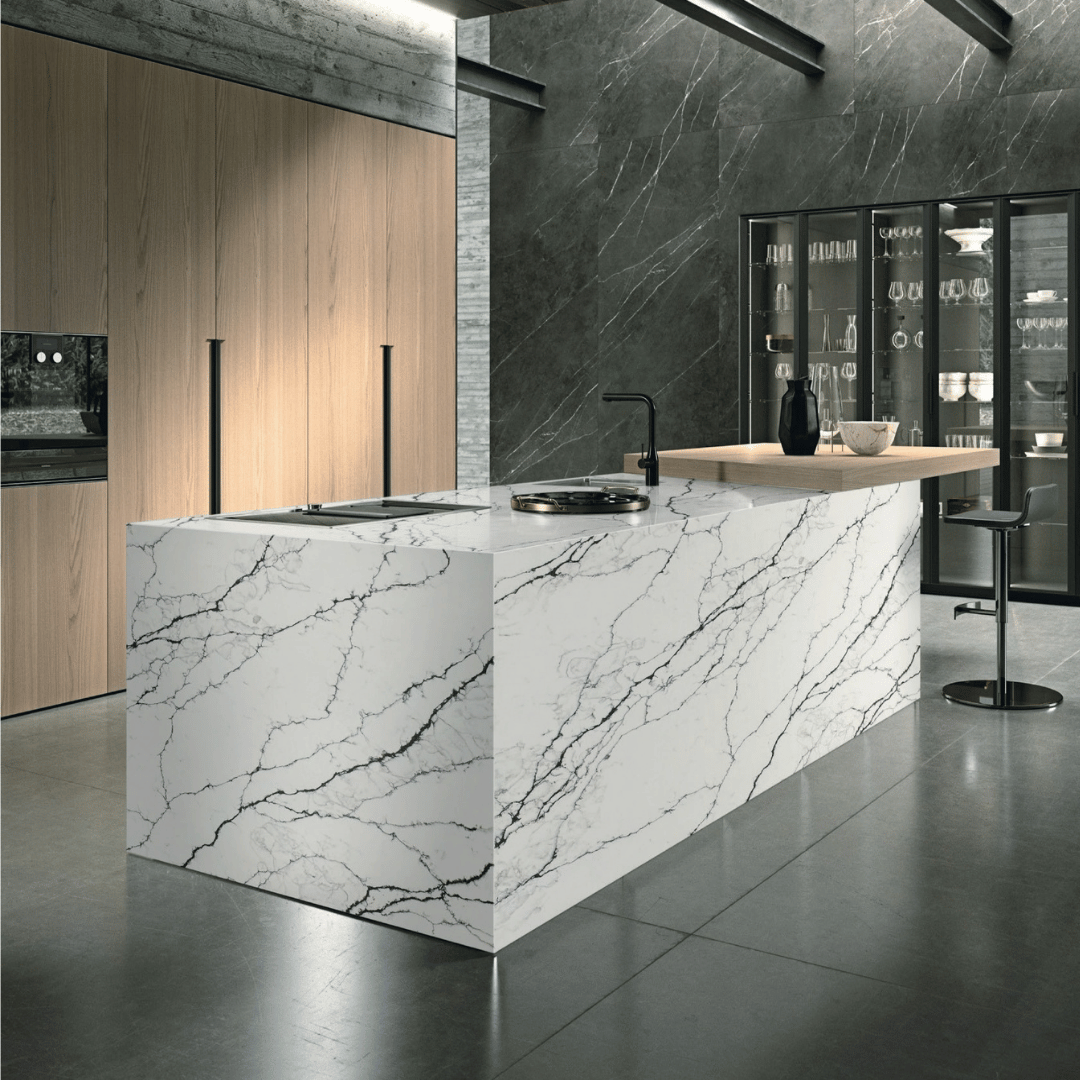
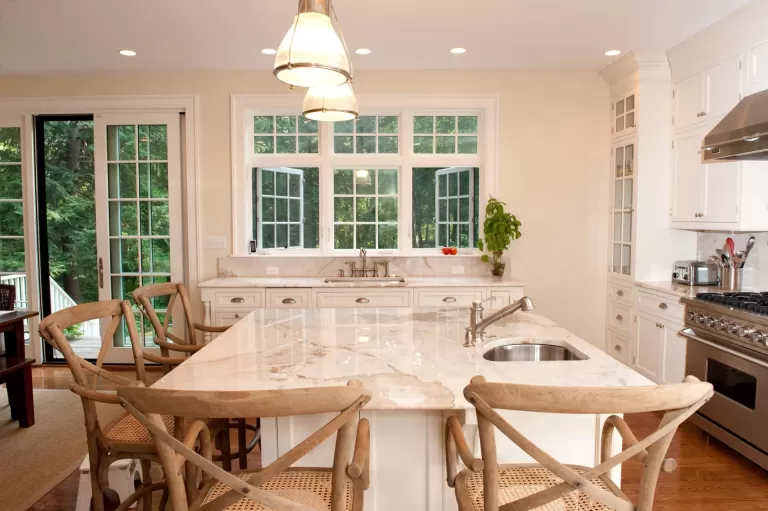
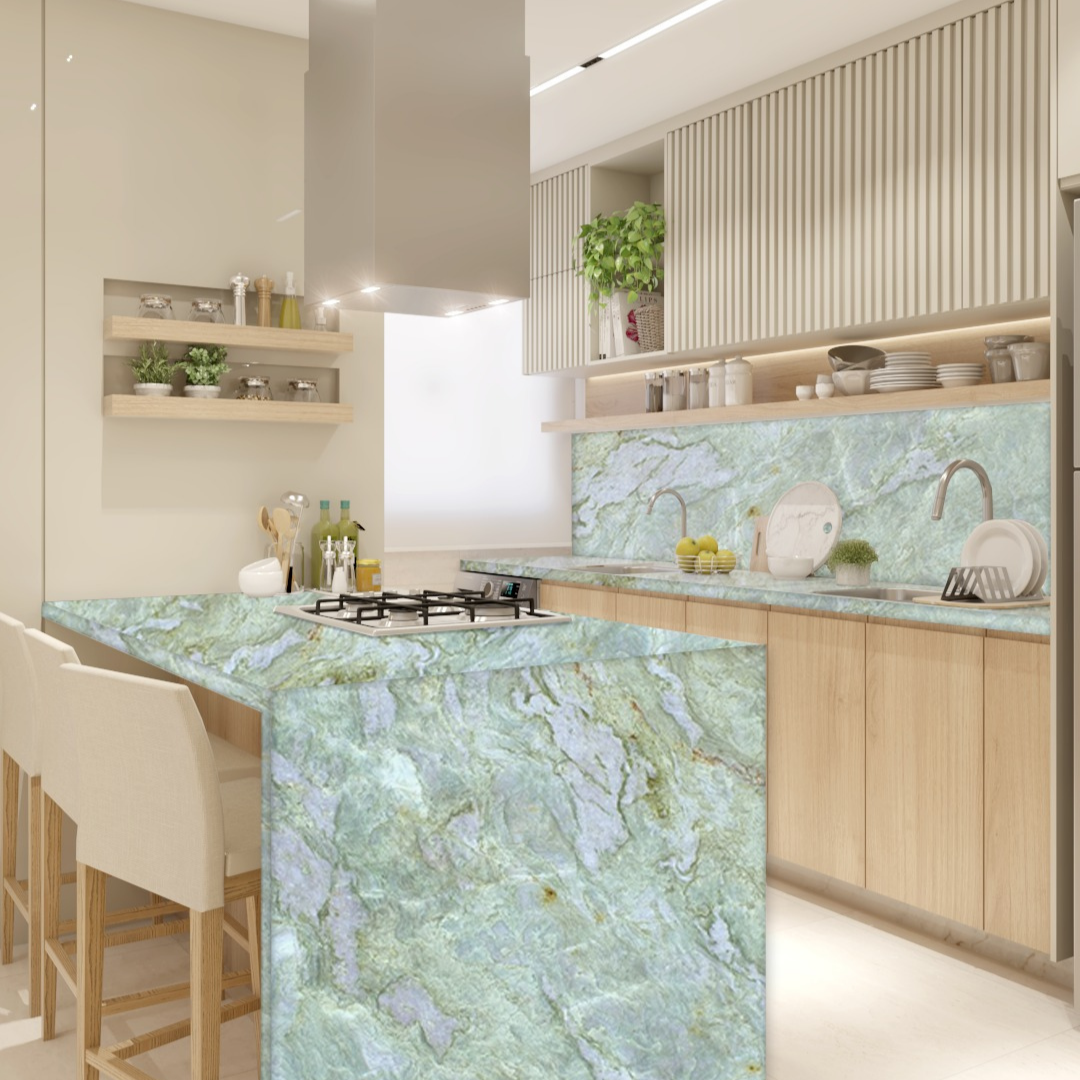
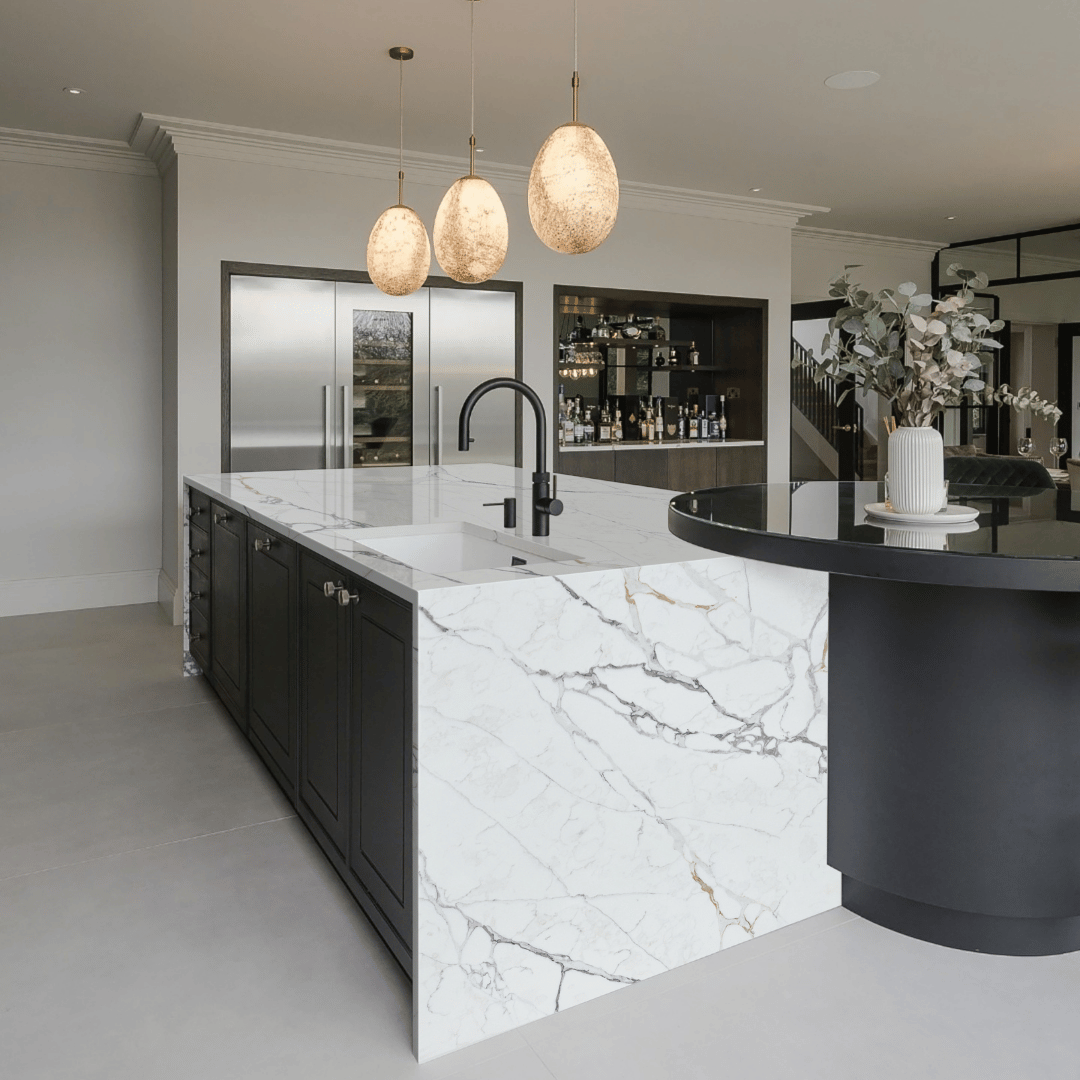
In kitchens and bathrooms, bookmatched porcelain countertops can provide a luxurious look while maintaining functionality. The symmetrical patterns can be extended across the countertop and backsplash, creating a seamless design.
3. Flooring
Using bookmatched porcelain on floors can result in an elegant and cohesive look throughout a space. The patterns can guide the layout, enhancing the flow of the design.
4. Furniture and Fixtures
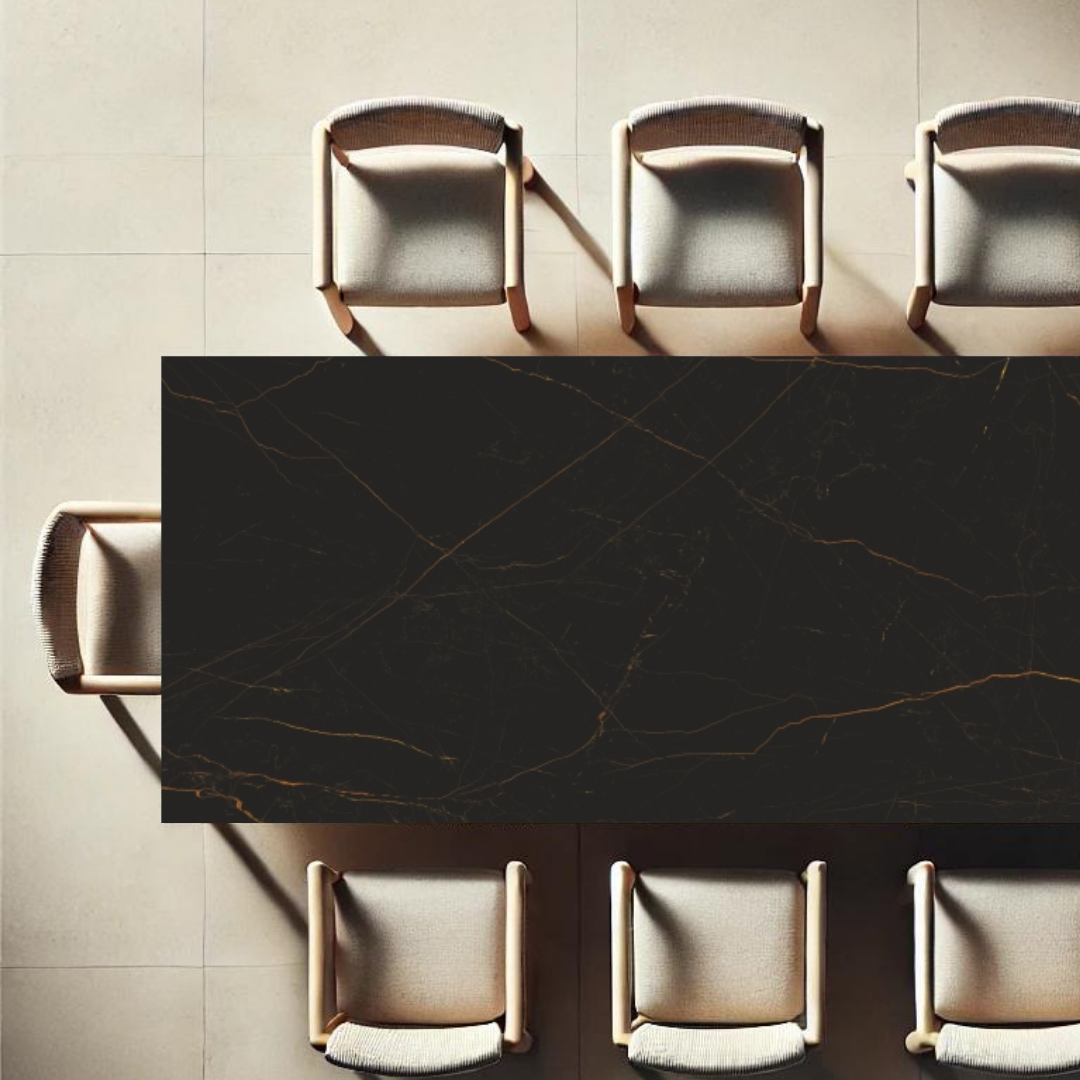
Bookmatched porcelain can also be applied to furniture pieces, such as tables or cabinetry, providing a unique aesthetic that stands out.
5. Commercial Spaces
In commercial design, bookmatched porcelain can be used in lobbies, reception areas, and restaurants, creating an upscale ambiance that impresses clients and visitors.
Design Considerations for Using Bookmatched Porcelain
When incorporating bookmatched porcelain into architectural designs, consider the following:
- Pattern Alignment: Ensure that the patterns align correctly to achieve the desired mirrored effect.
- Color Coordination: Choose colors that complement the overall design scheme of the space.
- Texture Selection: Consider the finish of the porcelain—polished or matte—to achieve the desired aesthetic.
- Lighting: Proper lighting can enhance the visual impact of bookmatched porcelain, highlighting its unique patterns.
Care and Maintenance of Bookmatched Porcelain
To maintain the beauty of bookmatched porcelain, follow these care tips:
- Regular Cleaning: Use a soft cloth and a mild detergent to clean the surface regularly.
- Avoid Harsh Chemicals: Steer clear of abrasive cleaners that may scratch the surface.
- Sealant Application: While porcelain is generally low maintenance, applying a sealant can enhance its stain resistance.
Expert Insights on Bookmatched Porcelain
To provide further insights into the benefits and applications of bookmatched porcelain, we consulted industry experts:
“The versatility of bookmatched porcelain is unmatched. It allows designers to create unique spaces that reflect individual styles while offering the durability that modern architecture demands.” – Jane Doe, Interior Designer
“Bookmatched porcelain has revolutionized the way we think about materials in architecture. Its ability to mimic natural stone while providing superior performance is a game changer.” – John Smith, Architect
Frequently Asked Questions (FAQ)
What is bookmatched porcelain?
Bookmatched porcelain is a technique where two identical porcelain slabs are mirrored against each other, creating dramatic symmetrical patterns that mimic natural stone.
What are the benefits of using bookmatched porcelain?
Bookmatched porcelain offers aesthetic versatility, durability, low maintenance, and eco-friendly options, making it an excellent choice for architectural applications.
How is bookmatched porcelain made?
The creation process involves selecting a design, digitally printing it onto slabs, cutting the slabs to create the mirrored effect, and finishing them for aesthetic appeal.
Where can bookmatched porcelain be used?
Bookmatched porcelain can be used in wall coverings, countertops, flooring, furniture, and commercial spaces, providing a luxurious and cohesive design.
What are the maintenance requirements for bookmatched porcelain?
Regular cleaning with mild detergent and soft cloth is recommended, along with avoiding harsh chemicals and considering sealant application for enhanced stain resistance.
Can bookmatched porcelain mimic natural stone?
Yes, bookmatched porcelain is designed to mimic the veining and patterns of natural stone, providing a high-end aesthetic without the maintenance issues associated with natural materials.
What are the design considerations for using bookmatched porcelain?
Considerations include pattern alignment, color coordination, texture selection, and lighting to ensure the best visual impact.
Is bookmatched porcelain environmentally friendly?
Many manufacturers offer eco-friendly options for bookmatched porcelain production, making it a responsible choice for environmentally-conscious projects.
In conclusion, bookmatched porcelain is an innovative material that significantly enhances architectural design through its stunning symmetrical patterns. With its versatility, durability, and low maintenance requirements, it stands as a premier choice for architects and designers looking to create captivating spaces. To explore our extensive collection of bookmatched porcelain slabs, check our live inventory or contact us today for expert assistance.