Why Porcelain Slab Zero Porosity Eliminates the Need for Sealing and Reduces Maintenance
Why Porcelain Slab Zero Porosity Eliminates the Need for Sealing and Reduces Maintenance
Updated on August 14, 2026
In the world of architectural surfaces, porcelain slabs have emerged as a premium choice for homeowners, designers, and builders alike. Their remarkable durability, aesthetic appeal, and innovative properties make them a standout option for various applications, from kitchen countertops to bathroom vanities. One of the most significant advantages of porcelain slabs is their zero porosity, which eliminates the need for sealing and significantly reduces maintenance. In this article, we will explore the science behind porcelain slab zero porosity, its benefits, and how it can revolutionize your approach to surface materials.
Understanding Porcelain Slabs
Porcelain slabs are made from a high-quality mixture of natural raw materials, including clay, feldspar, and quartz, which are subjected to high temperatures and pressures during the manufacturing process. This results in a dense, durable material that is resistant to scratches, heat, and stains. The unique properties of porcelain slabs make them a popular choice for both residential and commercial applications.
At Builder Stone Global, we pride ourselves on offering an extensive selection of premium porcelain slabs that cater to a variety of design preferences and functional requirements. Our porcelain slabs are known for their architectural elegance and high-performance surfaces, making them an ideal choice for any project.
What is Zero Porosity?
Zero porosity refers to the absence of pores in a material, which means that it does not absorb liquids or gases. In the case of porcelain slabs, this property is achieved through a manufacturing process that involves high-pressure compaction and firing at elevated temperatures. As a result, the final product exhibits a non-porous surface that is impermeable to moisture and stains.
This zero porosity characteristic is one of the main reasons why porcelain slabs do not require sealing, unlike many natural stones and other materials. Sealing is often necessary for porous surfaces to prevent liquid absorption, which can lead to staining and degradation over time. With porcelain slabs, you can enjoy peace of mind knowing that your surfaces will remain pristine without the added maintenance of regular sealing.
Benefits of Zero Porosity
The advantages of zero porosity in porcelain slabs extend beyond the elimination of sealing requirements. Here are some key benefits:
- Stain Resistance: The non-porous surface of porcelain slabs prevents liquids from penetrating, making them highly resistant to stains from common kitchen substances like wine, coffee, and oils.
- Easy Cleaning: Since porcelain slabs do not absorb moisture, cleaning is a breeze. A simple wipe with soap and water is often sufficient to keep surfaces looking new.
- Hygienic Surface: The absence of pores means that bacteria and mold have nowhere to grow, making porcelain slabs a hygienic choice for kitchens and bathrooms.
- Durability: Porcelain slabs are incredibly durable, resistant to scratches, heat, and wear, making them suitable for high-traffic areas.
- Aesthetic Versatility: Available in a wide range of colors, patterns, and finishes, porcelain slabs can complement any design style, from contemporary to traditional.
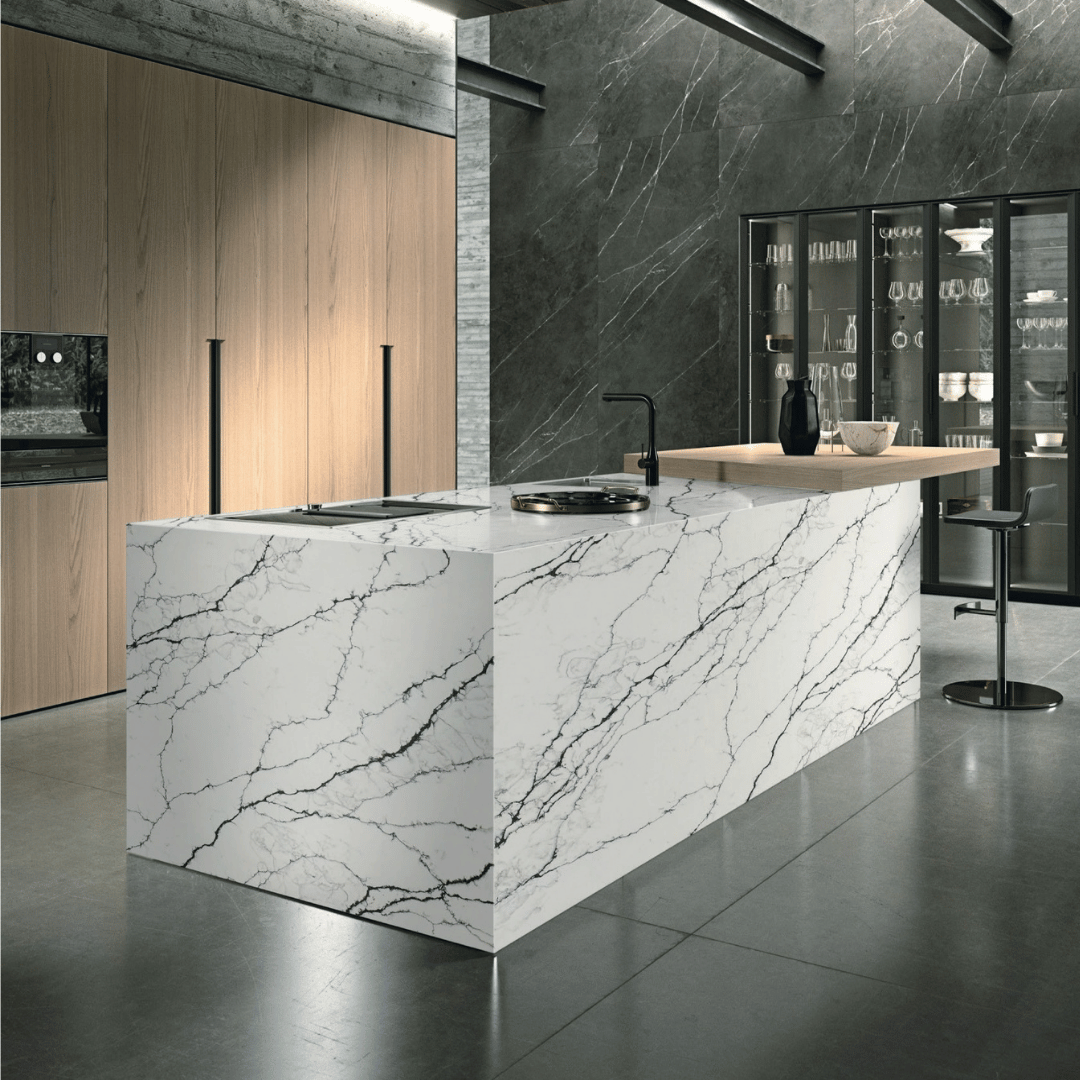
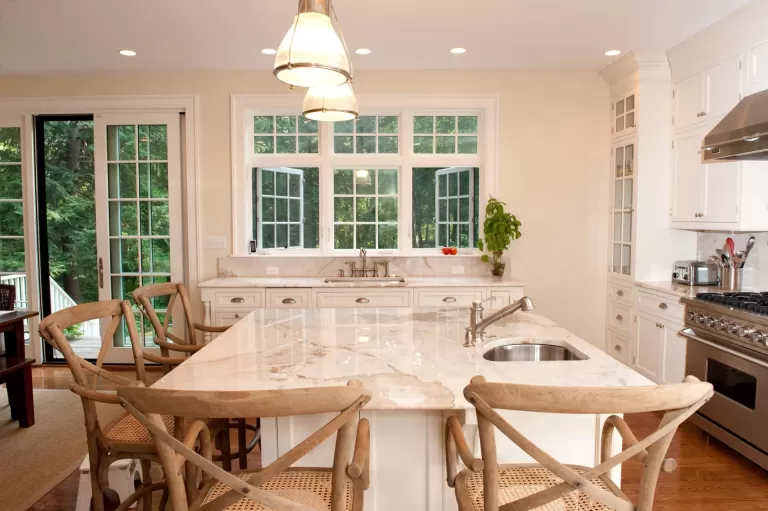
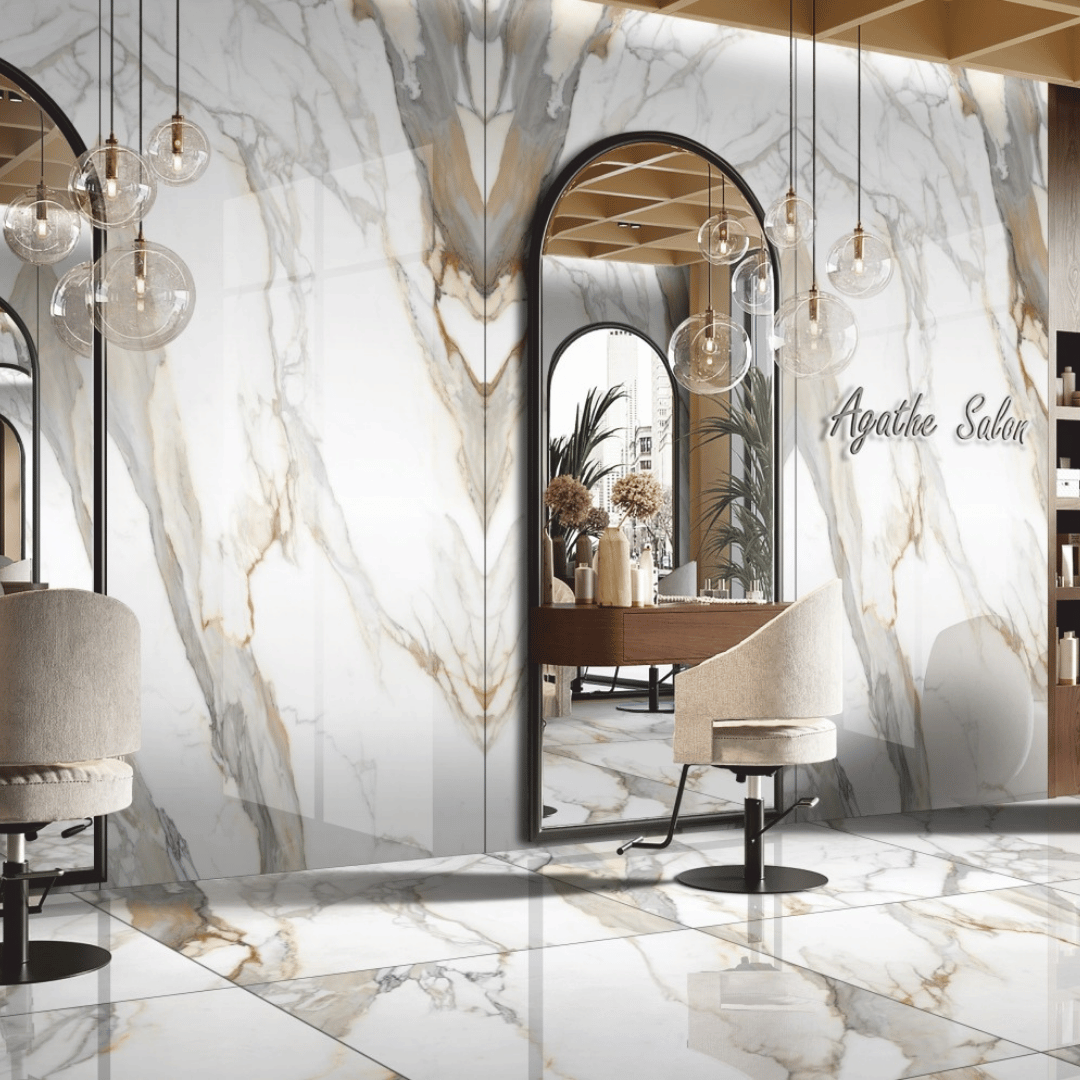
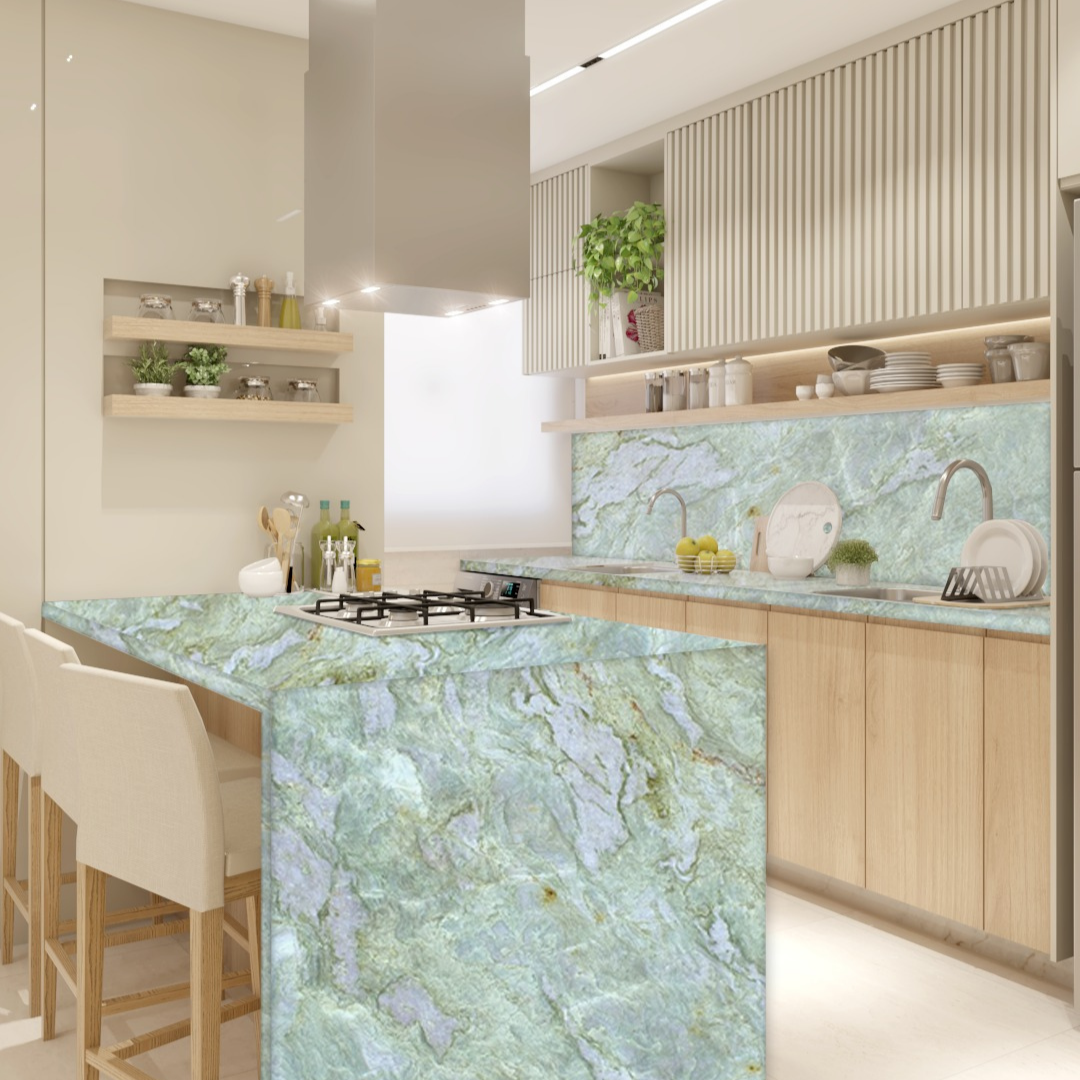
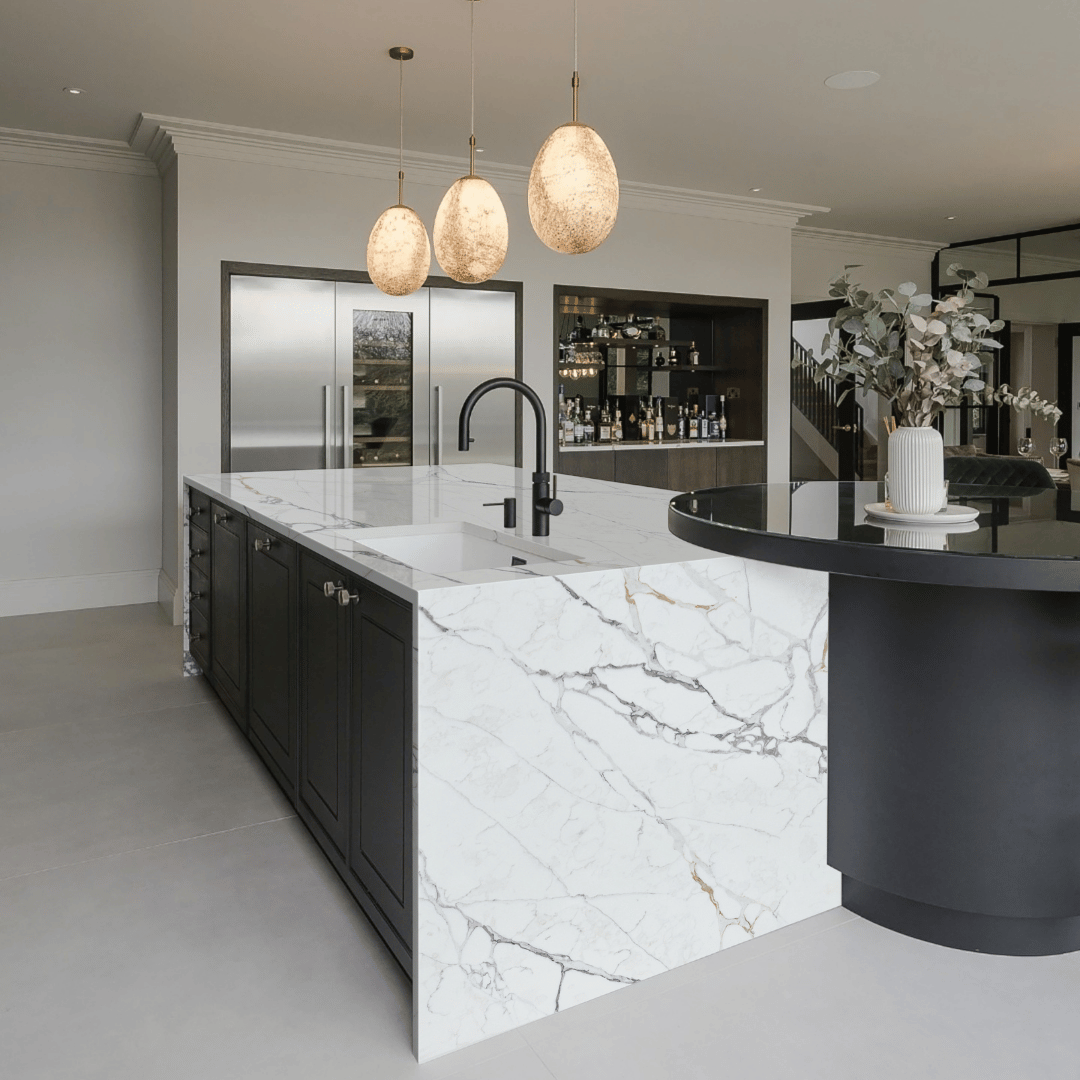
These benefits make porcelain slabs an excellent choice for a variety of applications, including bathroom vanities, kitchen countertops, and even wall cladding.
Comparing Porcelain to Other Materials
To better understand the advantages of porcelain slabs with zero porosity, it’s essential to compare them to other popular surface materials such as granite, quartz, and laminate. The following table summarizes key differences:
| Material | Porosity | Sealing Required | Stain Resistance | Durability |
|---|---|---|---|---|
| Porcelain Slabs | Zero | No | High | Excellent |
| Granite | High | Yes | Moderate | Good |
| Quartz | Low | Yes (occasionally) | High | Good |
| Laminate | High | No (but susceptible to damage) | Low | Poor |
This comparison highlights the superior performance of porcelain slabs, particularly in terms of porosity and maintenance. Unlike granite, which requires regular sealing to maintain its appearance, porcelain slabs can maintain their aesthetic appeal without the added effort.
Maintenance Tips for Porcelain Slabs
While porcelain slabs are low maintenance thanks to their zero porosity, there are still some best practices to ensure they remain in optimal condition:
- Regular Cleaning: Wipe down surfaces with a soft cloth and mild soap regularly to remove dirt and grime.
- Avoid Abrasives: Use non-abrasive cleaning tools to prevent scratching the surface.
- Address Spills Promptly: While porcelain is stain-resistant, it’s still a good idea to clean up spills immediately to maintain the surface’s appearance.
- Use Coasters and Trivets: Protect the surface from excessive heat by using trivets under hot pots and pans.
- Inspect for Damage: Regularly check for any chips or cracks, especially in high-traffic areas, and address them promptly.
By following these simple maintenance tips, you can ensure that your porcelain slabs remain stunning and functional for years to come.
Frequently Asked Questions
What are porcelain slabs made of?
Porcelain slabs are made from a blend of natural raw materials, including clay, feldspar, and quartz, which are subjected to high temperatures and pressures during the manufacturing process.
Do porcelain slabs require sealing?
No, porcelain slabs do not require sealing due to their zero porosity, which prevents liquids from absorbing into the material.
How do I clean porcelain slabs?
Clean porcelain slabs with a soft cloth and mild soap. Avoid using abrasive cleaners or tools that may scratch the surface.
Are porcelain slabs resistant to stains?
Yes, porcelain slabs are highly resistant to stains due to their non-porous surface, making them ideal for kitchens and bathrooms.
What is the lifespan of porcelain slabs?
With proper care and maintenance, porcelain slabs can last for decades, making them a durable investment for any project.
Can porcelain slabs be used outdoors?
Yes, many porcelain slabs are designed for outdoor use, as they are resistant to UV rays, moisture, and temperature fluctuations.
What are the design options available for porcelain slabs?
Porcelain slabs come in a wide variety of colors, patterns, and finishes, allowing for endless design possibilities in any space.
How do porcelain slabs compare to granite?
Unlike granite, which is porous and requires sealing, porcelain slabs have zero porosity and do not require sealing, making them easier to maintain.
Conclusion
In conclusion, the zero porosity of porcelain slabs offers numerous benefits, including eliminating the need for sealing and significantly reducing maintenance. Whether you’re a homeowner, designer, or builder, choosing porcelain slabs for your next project can enhance the beauty and functionality of your space. At Builder Stone Global, we offer a stunning selection of premium porcelain slabs that meet the highest standards of quality and performance. Call +1 470-551-2092 to speak with our surface specialists today!