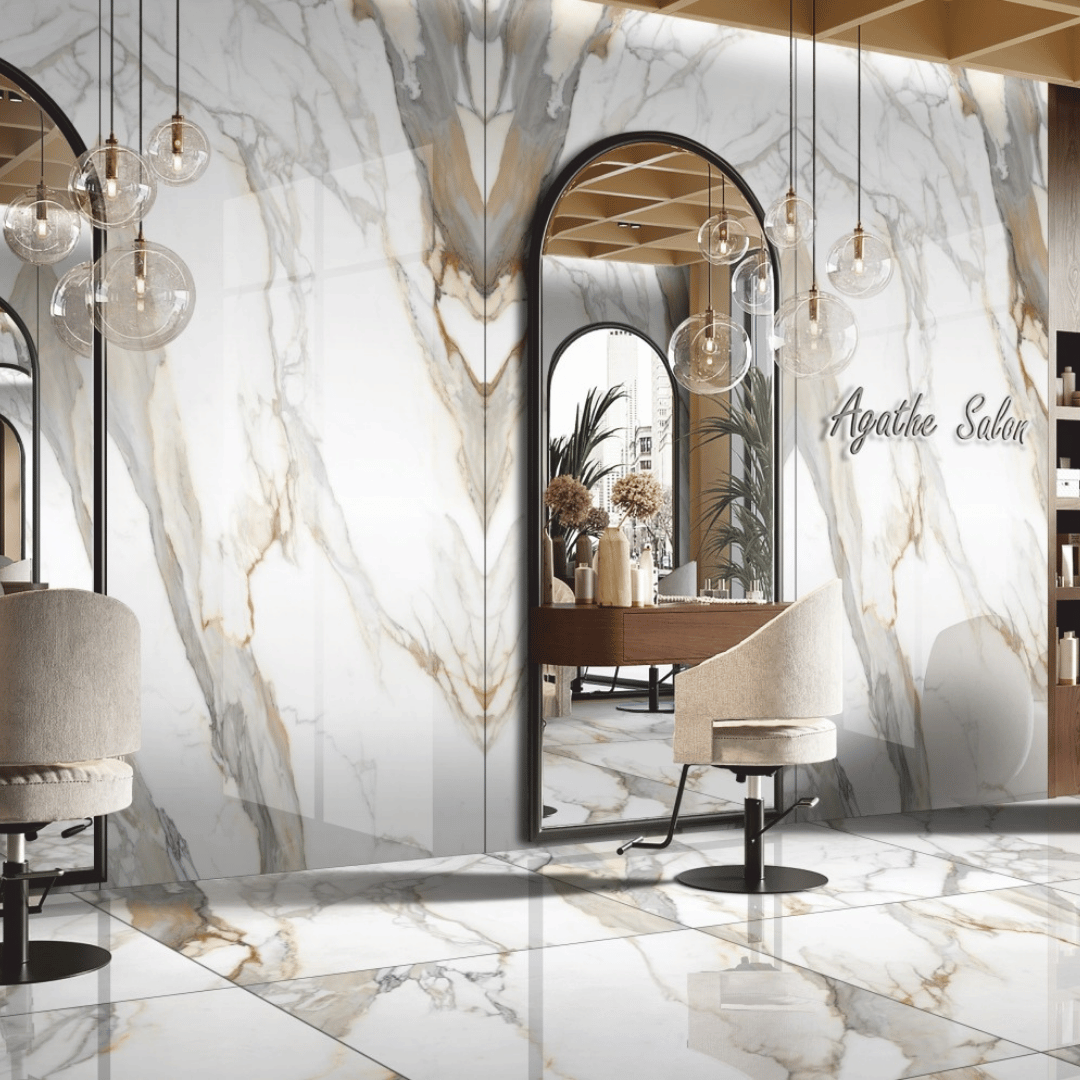
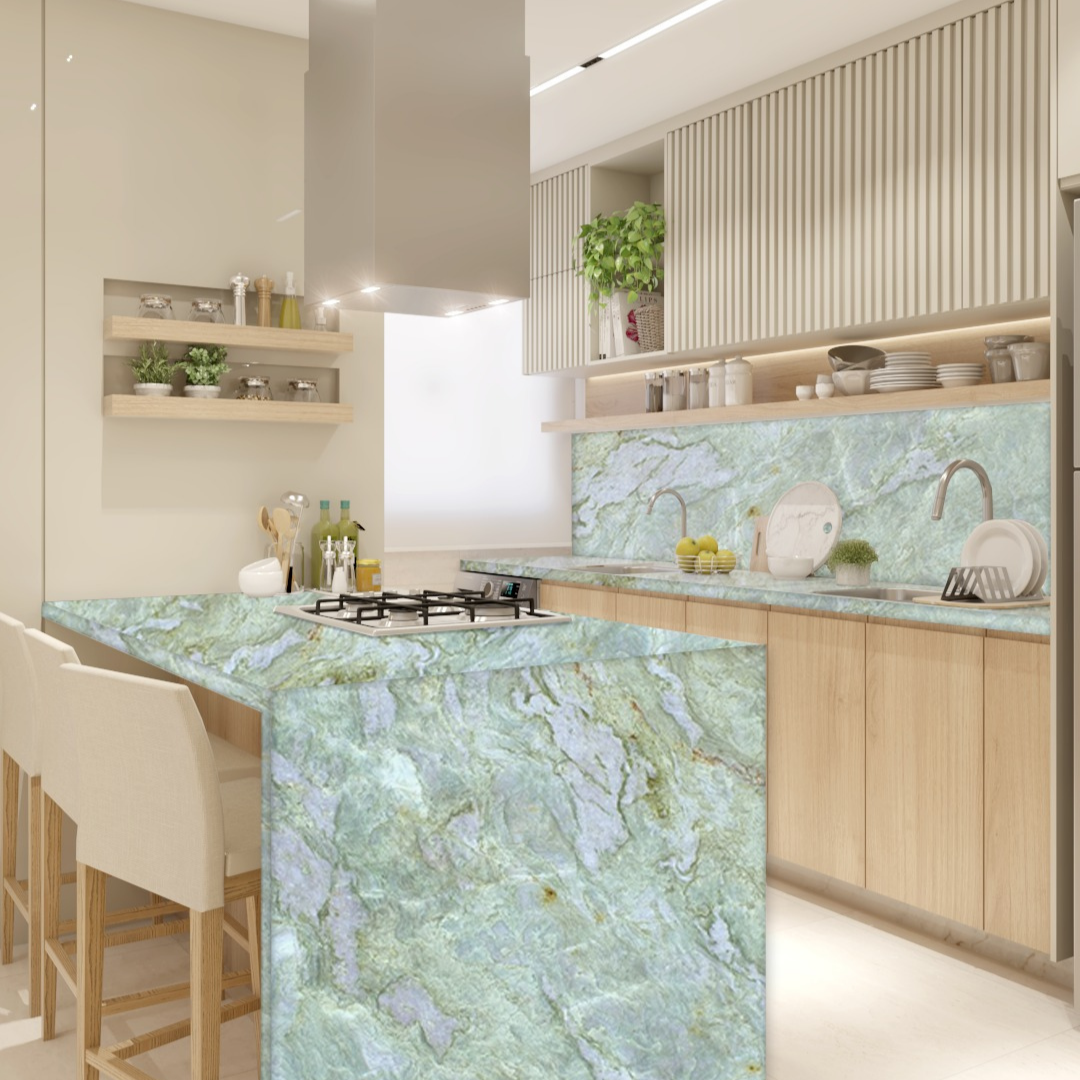
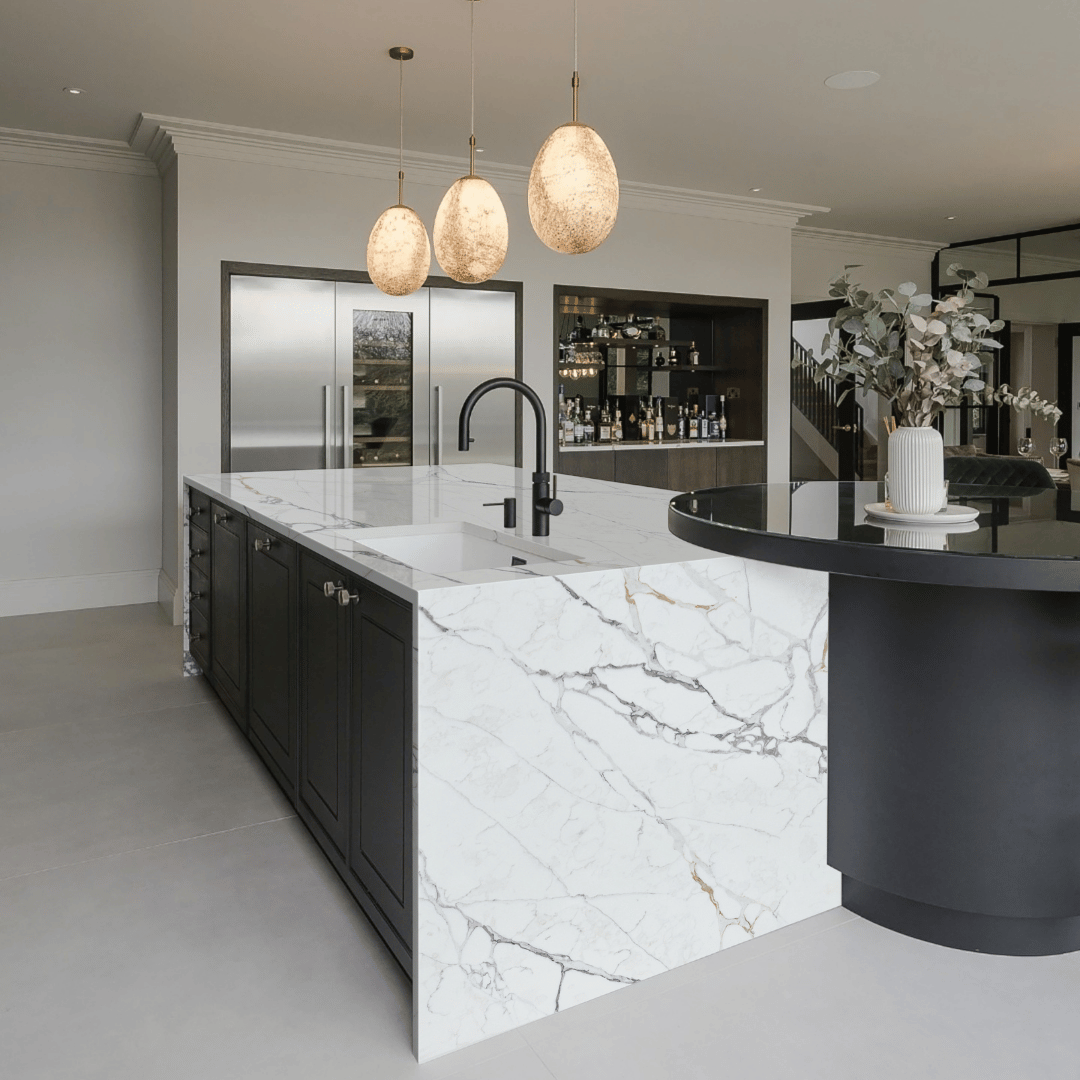
Why Porcelain Slab Stain Resistance Outperforms Natural Stone in Kitchens
Why Porcelain Slab Stain Resistance Outperforms Natural Stone in Kitchen Environments
Updated on August 14, 2026
When it comes to selecting materials for kitchen countertops, homeowners and designers are increasingly turning to porcelain slabs for their remarkable stain resistance. In this comprehensive guide, we will delve into why porcelain slab stain resistance outperforms natural stone options, such as granite and quartzite, particularly in the demanding environment of a kitchen. By the end of this article, you will gain insights into the properties of porcelain slabs, their performance in real-world kitchen scenarios, and how they contribute to both functionality and aesthetics.
Understanding Porcelain Slabs
Porcelain slabs are a type of ceramic material that has been engineered to offer superior performance characteristics, including high stain resistance. Unlike traditional ceramic tiles, porcelain slabs are made from a denser clay and are fired at higher temperatures, resulting in a non-porous surface that is both durable and aesthetically pleasing. This makes porcelain an ideal choice for kitchen countertops, where spills and stains are a common concern.
The Composition of Porcelain
The composition of porcelain slabs is what sets them apart from natural stones like granite and quartzite. Porcelain is primarily made from a mixture of clay, feldspar, and kaolin, which are combined and fired at temperatures exceeding 2,600°F (1,427°C). This high-temperature firing process results in a dense, vitrified surface that is resistant to moisture absorption and staining.
Key Properties of Porcelain Slabs
- Non-Porous Surface: Porcelain slabs have a water absorption rate of less than 0.5%, making them highly resistant to staining from common kitchen substances like coffee, wine, and oils.
- Durability: With a Mohs hardness rating of 7-8, porcelain is less prone to scratches and chips compared to natural stone.
- Color Consistency: Porcelain slabs offer a wide range of colors and patterns that are consistent throughout the slab, unlike natural stone which can have variations.
Comparative Analysis: Porcelain vs. Natural Stone
When comparing porcelain slabs to natural stones, it’s essential to evaluate their stain resistance, maintenance requirements, and overall performance in kitchen environments. The table below summarizes the key differences:
| Feature | Porcelain Slabs | Natural Stone (Granite/Quartzite) |
|---|---|---|
| Stain Resistance | High (non-porous) | Moderate (porous, requires sealing) |
| Moisture Absorption | Less than 0.5% | Varies (up to 2-3%) |
| Maintenance | Minimal (no sealing required) | Regular (sealing every 1-3 years) |
| Durability | Highly durable, scratch-resistant | Durable but can chip or crack |
| Aesthetic Variety | Wide range of colors and patterns | Natural variations, limited predictability |
Real-World Performance in Kitchen Environments
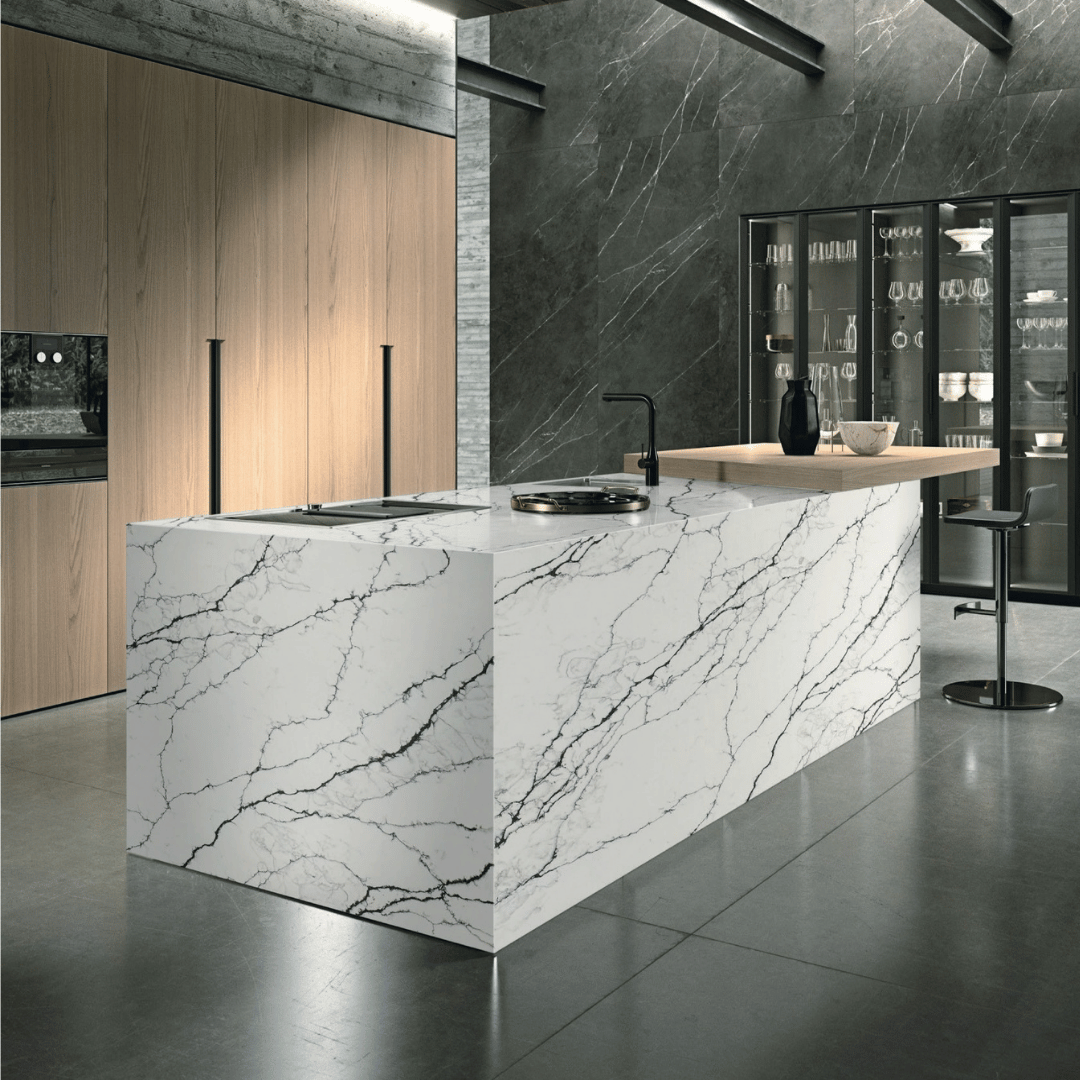
The kitchen is a space that demands high-performance materials. Porcelain slabs excel in this environment due to their stain resistance and durability. A study conducted by the National Association of Home Builders (NAHB) revealed that 70% of homeowners prioritize stain resistance when selecting kitchen countertops. Given the daily activities in a kitchen, such as food preparation and cooking, having a surface that can withstand spills and stains is crucial.
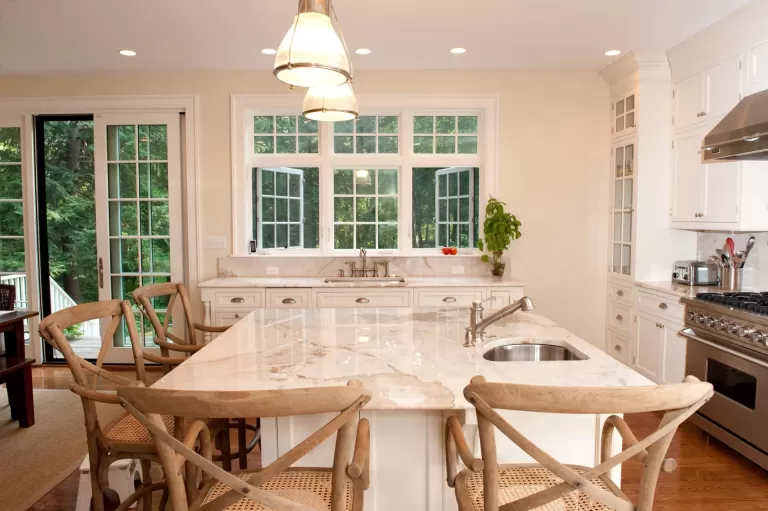
For instance, consider a scenario where a bottle of red wine is accidentally spilled on a granite countertop. Due to the porous nature of granite, the wine can seep into the stone, leading to permanent staining unless immediately cleaned. In contrast, a porcelain slab would simply require a quick wipe with a damp cloth to remove the stain, thanks to its non-porous surface.
Maintenance of Porcelain Slabs
One of the standout features of porcelain slabs is their low maintenance requirements. Unlike natural stones that require regular sealing to maintain their stain resistance, porcelain slabs are virtually maintenance-free. Homeowners only need to perform routine cleaning with mild soap and water to keep the surface looking new.
Choosing the Right Porcelain for Your Kitchen
When selecting porcelain slabs for your kitchen, consider the following factors:
- Color and Pattern: Choose a color that complements your kitchen design. Porcelain slabs come in a variety of finishes, including matte and polished, to suit different aesthetic preferences.
- Thickness: Standard porcelain slabs come in various thicknesses, typically ranging from 2cm to 3cm. Thicker slabs offer enhanced durability.
- Finish: A polished finish can enhance the visual appeal, while a matte finish may be more forgiving of fingerprints and smudges.
Conclusion
In summary, porcelain slabs offer unparalleled stain resistance and durability compared to natural stone options in kitchen environments. Their non-porous surface, low maintenance requirements, and aesthetic versatility make them a top choice for homeowners and designers alike. If you are considering new countertops for your kitchen, porcelain slabs are a premium quality option that can elevate your space while providing lasting performance.
For more insights on selecting the right materials for your kitchen, explore our guide on the best countertops for busy kitchens. To view our extensive inventory of porcelain slabs, check our live inventory or contact us to speak with our surface specialists.
FAQs
1. Are porcelain slabs more expensive than natural stone?
While the initial cost of porcelain slabs may vary, their durability and low maintenance can lead to cost savings over time compared to natural stone, which often requires sealing and repairs.
2. How do I clean porcelain slabs?
Cleaning porcelain slabs is simple; just use mild soap and water with a soft cloth. Avoid abrasive cleaners that can damage the surface.
3. Can porcelain slabs be used outdoors?
Yes, many porcelain slabs are suitable for outdoor use due to their resistance to staining and weathering.
4. How do porcelain slabs compare to quartz countertops?
While both materials are non-porous, porcelain slabs typically offer higher heat resistance and a wider range of aesthetic options compared to quartz.
5. Will porcelain slabs chip easily?
Porcelain slabs are highly durable but can chip if subjected to heavy impacts. Proper care and handling can minimize this risk.
6. What colors are available in porcelain slabs?
Porcelain slabs come in a vast array of colors and patterns, from solid hues to intricate designs, allowing for customization in any kitchen.
7. How long do porcelain slabs last?
With proper care, porcelain slabs can last a lifetime, making them a worthwhile investment for any kitchen.
8. Do I need to seal porcelain slabs?
No, porcelain slabs do not require sealing due to their non-porous nature, making them a low-maintenance option for homeowners.