
How Slab Material Selection Impacts Architectural Project Timelines and Budgets
How Slab Material Selection Impacts Architectural Project Timelines and Budgets
When it comes to architectural projects, the selection of slab materials plays a pivotal role in determining both timelines and budgets. Whether you are an architect, builder, or homeowner, understanding the nuances of material selection can significantly influence the success of your project. In this article, we will delve into the intricacies of how choosing the right slab materials—such as quartz, porcelain, and natural stone—can streamline processes, manage costs, and enhance the overall quality of your architectural designs. By the end of this article, you will gain insights into the impact of slab material selection on your project, backed by expert opinions and data.
The Importance of Slab Material Selection
In architectural design, slab materials serve as the foundational elements that dictate both aesthetics and functionality. The right choice can enhance the visual appeal, durability, and performance of a structure, while the wrong choice can lead to costly delays and budget overruns. According to the NAIOP Research Foundation, material selection can account for up to 30% of a project’s overall cost, underscoring the importance of making informed decisions.
Moreover, architectural projects are often constrained by timelines, where delays can lead to significant financial penalties. By selecting the right slab materials—such as premium quartz, porcelain, or natural stone—stakeholders can avoid common pitfalls that lead to extended project durations and inflated budgets.
Common Slab Materials and Their Characteristics
Understanding the characteristics of various slab materials is crucial for making informed decisions. Here’s a breakdown of some of the most popular options:
| Material | Durability | Maintenance | Cost |
|---|---|---|---|
| Quartz | High | Low | Moderate |
| Porcelain | Very High | Very Low | Moderate to High |
| Granite | High | Moderate | Moderate to High |
| Quartzite | Very High | Low | High |
Each material has its unique set of properties that can affect both the project timeline and budget:
- Quartz: Engineered for durability and ease of maintenance, quartz surfaces are a popular choice for both residential and commercial projects. They offer a consistent aesthetic and are available in a wide range of colors and patterns. With a moderate cost, they can be a cost-effective option for many applications.
- Porcelain: Known for its exceptional durability and low maintenance, porcelain slabs are ideal for high-traffic areas. Their resistance to scratches, stains, and heat makes them a top choice for both kitchens and bathrooms. However, they may come at a higher price point due to their advanced manufacturing process.
- Granite: A classic natural stone, granite offers both beauty and strength. While it requires periodic sealing, its longevity makes it a worthwhile investment. The cost can vary depending on the rarity of the stone.
- Quartzite: Often mistaken for quartz, quartzite is a natural stone that offers remarkable durability and a unique aesthetic. Its high cost is often justified by its performance and longevity.
How Material Selection Affects Project Timelines
The choice of slab material can significantly impact project timelines in several ways:
- Availability: Materials that are readily available will expedite the procurement process, while rare or custom materials can lead to delays. Builder Stone Global’s extensive in-stock quartz slab inventory ensures that architects and builders can find the right material without unnecessary wait times. Check Live Inventory to see what’s available.
- Fabrication Time: Different materials have varying fabrication times. For instance, while quartz can be cut and polished relatively quickly, natural stones like granite may require more time due to their density and hardness.
- Installation Complexity: Some materials, especially large format porcelain slabs, require specialized installation techniques. If the workforce is not trained in handling these materials, it can lead to additional delays. It’s essential to choose materials that align with the skill set of the installation team.
- Site Conditions: The choice of material can also dictate the need for site modifications. Heavy materials may require additional structural support, which can prolong timelines if not accounted for in the planning phase.
Budget Considerations in Material Selection
Budgeting for architectural projects is a complex task, and slab material selection plays a critical role in this process. Here are some key factors to consider:
- Material Costs: The initial cost of materials is often the most obvious factor, but it’s important to consider the long-term value as well. For example, while quartzite may have a higher upfront cost, its durability can lead to lower maintenance expenses over time.
- Installation Costs: Labor costs can vary significantly based on the complexity of the installation. It’s advisable to consult with fabricators and installers early in the process to get accurate quotes based on the selected materials.
- Maintenance Expenses: Different materials have different maintenance needs, which can affect the budget over time. For example, while granite requires periodic sealing, porcelain is virtually maintenance-free, making it a financially sound option for many projects.
- Potential Cost Overruns: Delays caused by material selection can lead to increased labor costs and project penalties. It’s essential to factor in potential overruns when planning your budget.
Expert Tips for Selecting the Right Slab Material
Choosing the right slab material is a complex decision that requires careful consideration. Here are some expert tips to guide you:
- Assess Project Requirements: Consider the specific needs of your project, including aesthetic preferences, functional requirements, and budget constraints. For instance, high-traffic areas may benefit from the durability of porcelain.
- Visit a Showroom: Experiencing materials in person can provide valuable insights into colors, textures, and finishes. Visit our Norcross showroom to explore our premium selection.
- Evaluate Sustainability: If eco-friendliness is a priority, consider sourcing materials that have sustainable manufacturing processes or are made from recycled content.
- Plan for the Long Term: Think about the lifespan of the material and its potential resale value. Investing in high-quality slabs can enhance the longevity and marketability of your property.
Case Studies: Real-World Examples
To illustrate the impact of slab material selection on project timelines and budgets, let’s examine a few real-world case studies:
Case Study 1: Residential Kitchen Remodel
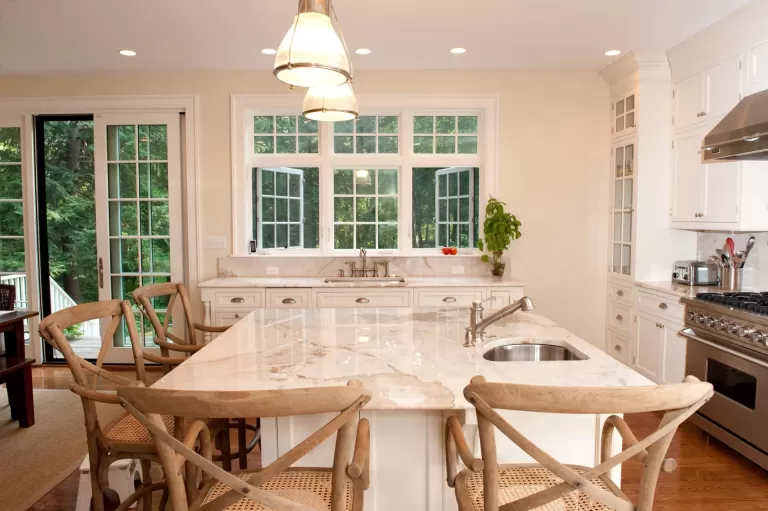
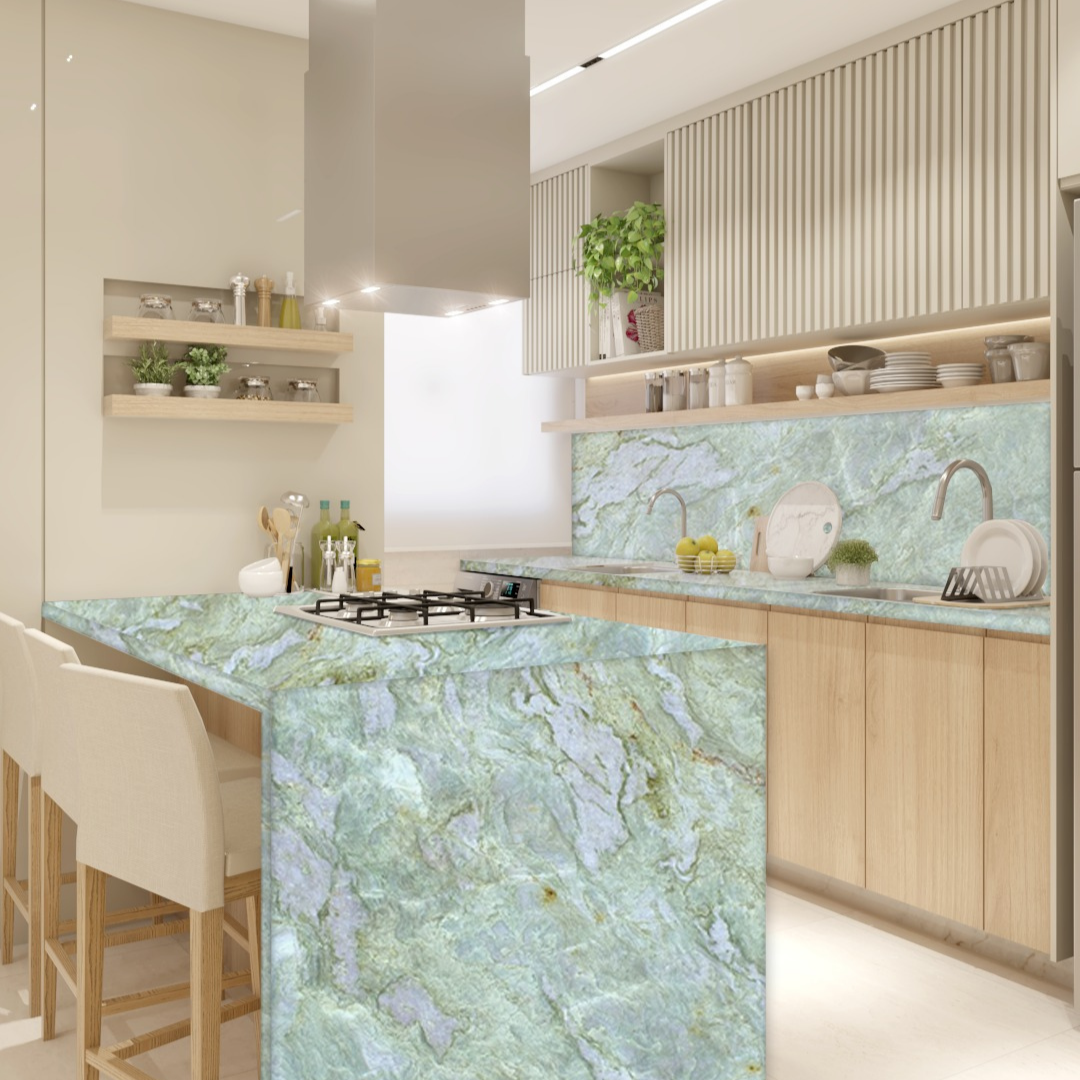
A homeowner in Atlanta decided to remodel their kitchen using quartz countertops. The availability of the material allowed for quick procurement, and the installation was completed within a week. The homeowner reported satisfaction with both the aesthetic and performance of the quartz, leading to a budget that remained on track.
Case Study 2: Commercial Office Building
In contrast, a commercial office building project faced delays due to the selection of custom granite slabs. The unique colors and patterns required longer lead times, leading to a three-week delay in the project timeline. The additional labor costs incurred due to the delay resulted in an overall budget increase of 15%.
FAQ Section
1. What factors should I consider when selecting slab materials?
Consider durability, maintenance needs, aesthetic preferences, cost, and installation requirements.
2. How do slab materials impact project timelines?
The availability, fabrication time, and installation complexity of materials can all affect timelines.
3. Are quartz and porcelain slabs suitable for outdoor use?
Yes, both quartz and porcelain slabs can be used outdoors, but ensure they are rated for exterior use.
4. What is the cost difference between quartz and granite?
Quartz typically ranges from $50 to $100 per square foot, while granite can range from $40 to $200 per square foot, depending on the stone’s rarity.
5. How can I ensure I stay within budget during my project?
Plan carefully, consult with professionals, and account for potential overruns in your budget.
6. What are the maintenance requirements for different slab materials?
Quartz requires minimal maintenance, while granite needs periodic sealing, and porcelain is virtually maintenance-free.
7. How can material selection affect resale value?
High-quality materials can enhance the aesthetic appeal and durability of a property, positively impacting its resale value.
8. Where can I find premium slab materials in Georgia?
Builder Stone Global offers an extensive selection of premium quartz, porcelain, and natural stone slabs in Norcross, GA. Contact us for more information.
Conclusion
In conclusion, slab material selection is a critical factor that can significantly impact both the timelines and budgets of architectural projects. By understanding the characteristics of various materials, their implications for project execution, and expert tips for selection, stakeholders can make informed decisions that lead to successful outcomes. At Builder Stone Global, we pride ourselves on offering premium quality slab materials that meet the needs of architects, builders, and homeowners alike. If you have any questions or need assistance with your project, don’t hesitate to reach out to us today!