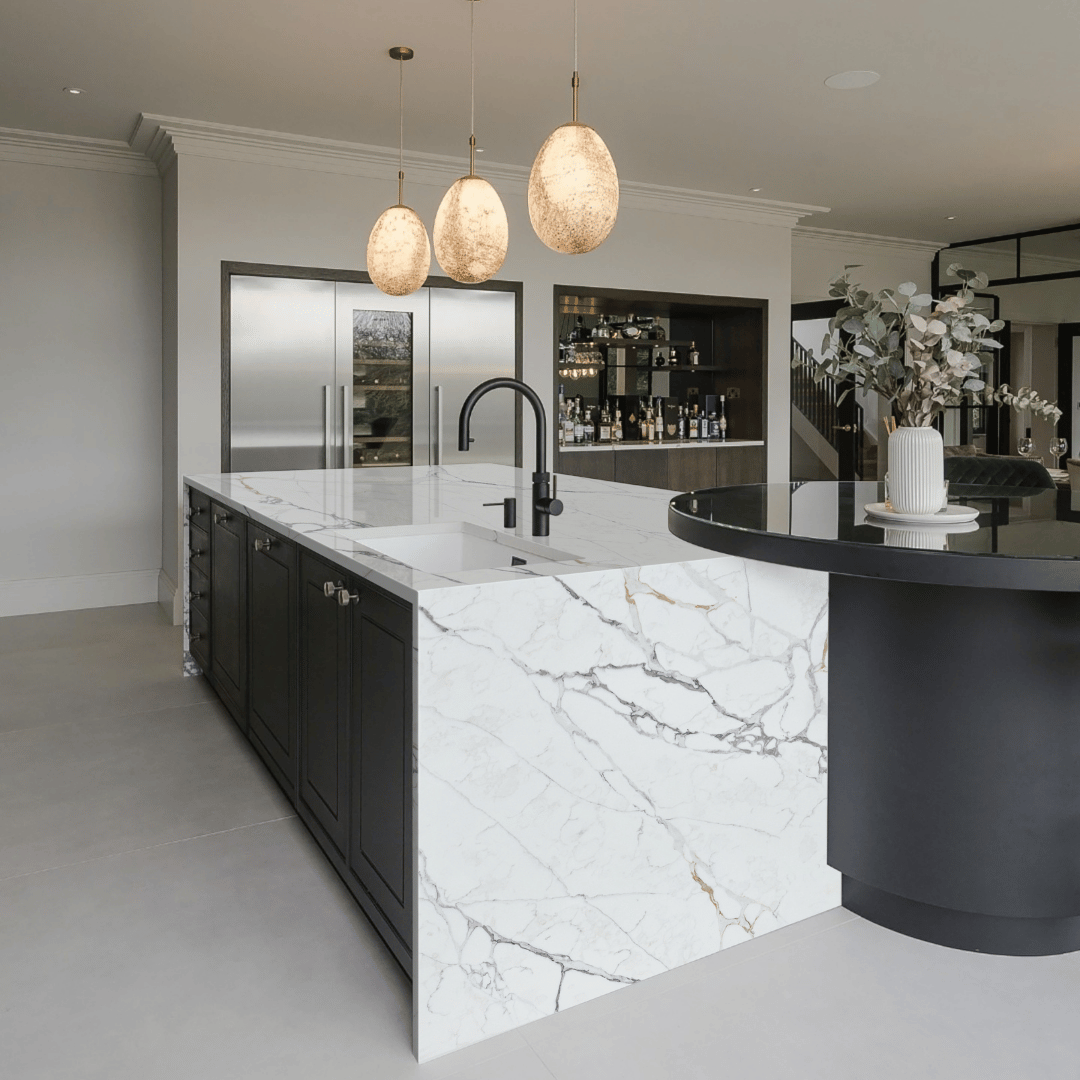
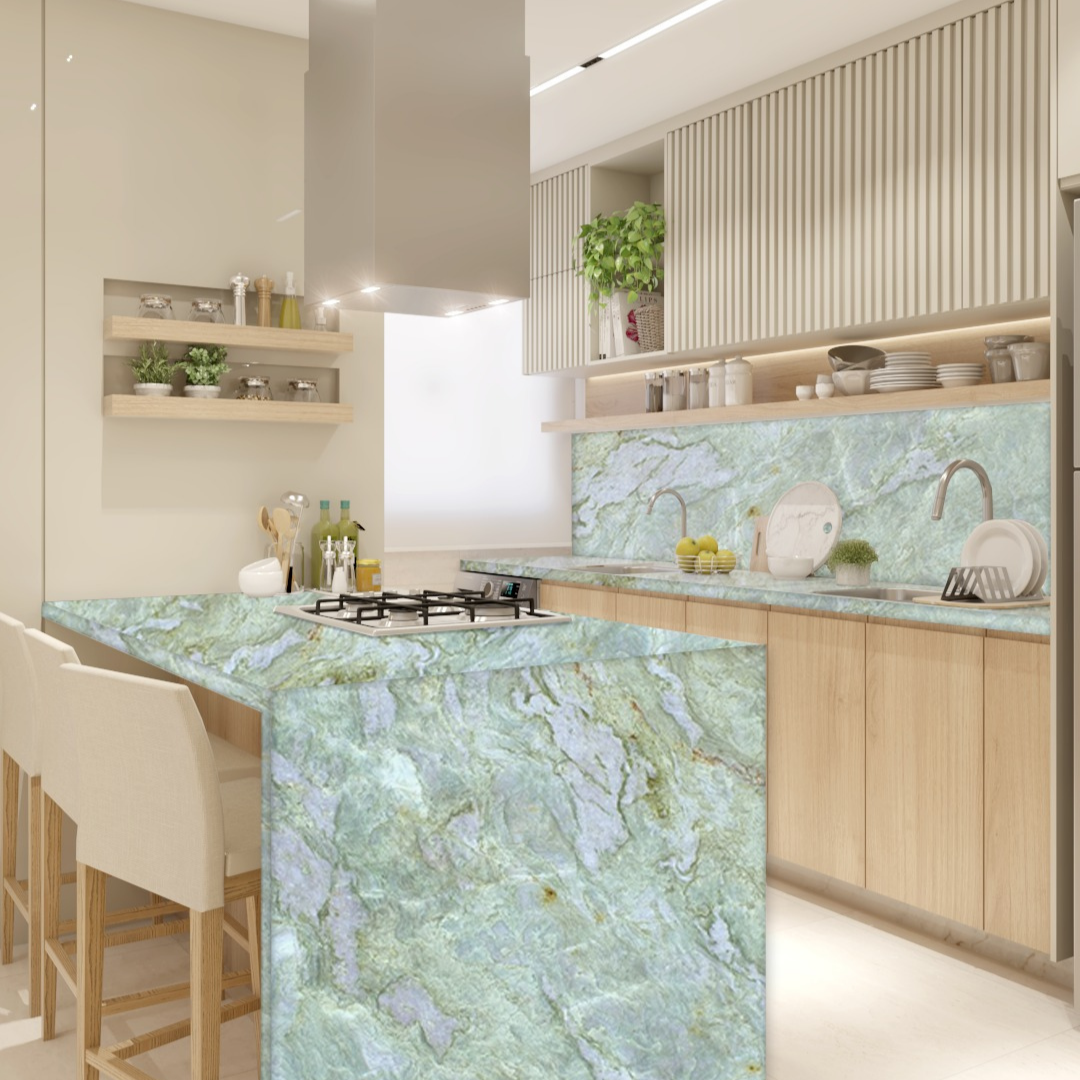
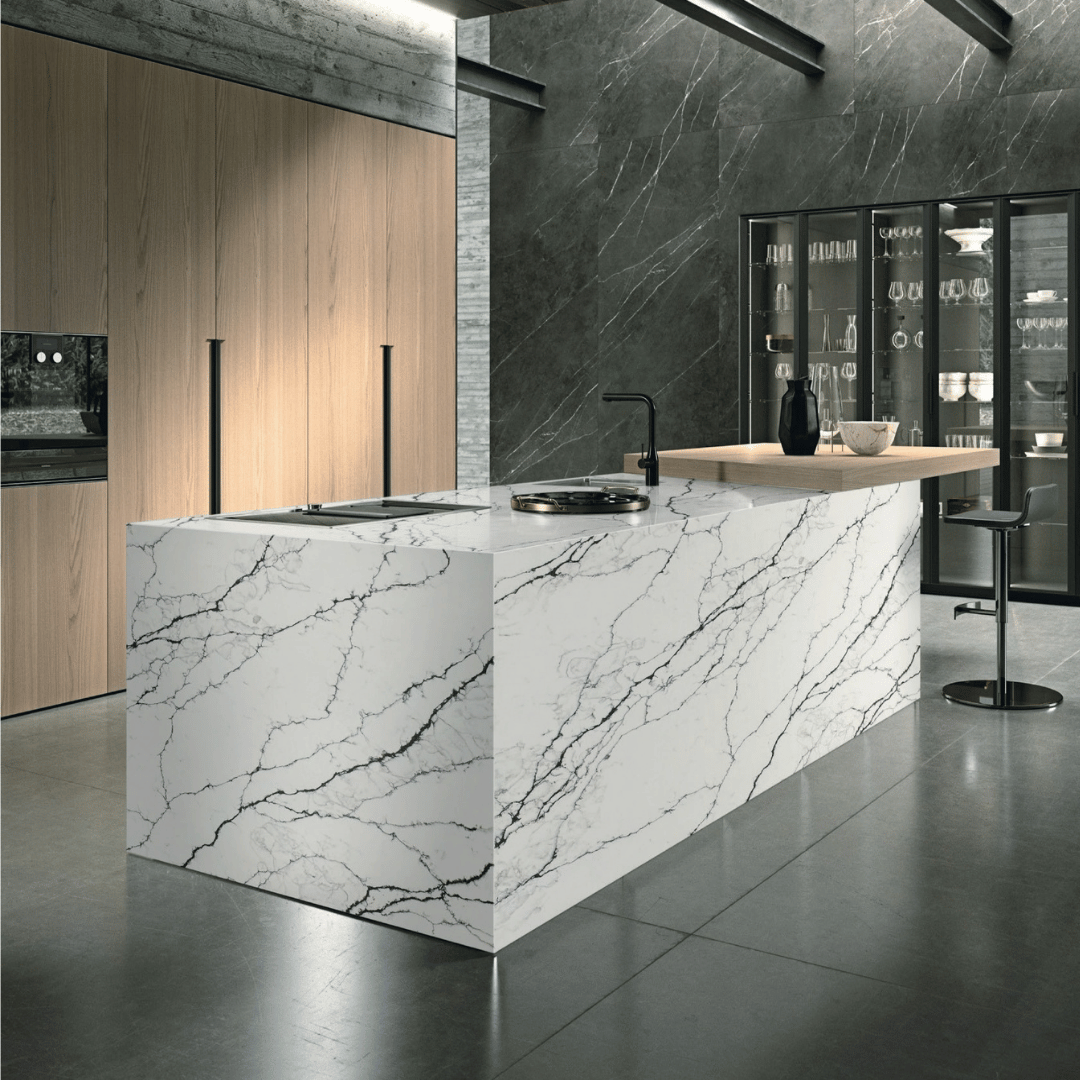
Why Monochromatic Slab Colors Create Clean, Cohesive Kitchen and Bathroom Designs
Why Monochromatic Slab Colors Create Clean, Cohesive Kitchen and Bathroom Designs
In the world of interior design, the choice of color can significantly influence the ambiance and functionality of a space. Particularly in kitchens and bathrooms, where cleanliness and cohesion are paramount, monochromatic slab colors are increasingly becoming a favored choice among designers and homeowners alike. This article explores the reasons behind the rising popularity of monochromatic color schemes, particularly using premium quartz, porcelain, and natural stone slabs from Builder Stone Global, and how these selections can elevate the aesthetics and functionality of your spaces.
What is Monochromatic Design?
Monochromatic design refers to a color scheme that uses variations of a single hue, incorporating different shades, tints, and tones of that color. This design approach creates a visually harmonious and cohesive look, which can be particularly appealing in spaces like kitchens and bathrooms where clarity and cleanliness are essential. By utilizing monochromatic slab colors, designers can achieve a sense of unity and sophistication, making the space feel larger and more serene.
Benefits of Monochromatic Slab Colors
Choosing monochromatic slab colors for your kitchen or bathroom offers several key benefits:
- Enhanced Aesthetics: Monochromatic designs create a sophisticated and elegant look, enhancing the overall aesthetic of the space.
- Visual Cohesion: Using slabs in similar tones or shades fosters a sense of unity, making different elements in the space feel interconnected.
- Timeless Appeal: Monochromatic designs are often seen as timeless and classic, ensuring that the space remains stylish for years to come.
- Flexibility: Monochromatic color schemes allow for the addition of contrasting textures or materials, providing opportunities for creative expression while maintaining a cohesive look.
- Easy Maintenance: Surfaces with uniform colors can be easier to clean and maintain, particularly when using high-performance materials like quartz or porcelain.
Creating Cohesive Spaces with Monochromatic Colors
To create a cohesive space using monochromatic slab colors, consider the following steps:
- Select Your Base Color: Choose a primary color that resonates with your design vision. For kitchens, this could be a soft white or a rich gray, while bathrooms might benefit from serene blues or greens.
- Choose Your Slab Material: Opt for premium materials like quartz, porcelain, or natural stone slabs from Builder Stone Global. For example, large format porcelain slabs can provide a seamless look.
- Mix Shades and Textures: Incorporate different shades of your chosen color to add depth. For instance, pair a light gray countertop with darker gray cabinetry for contrast.
- Incorporate Accessories: Use accessories and fixtures in varying shades of the same color to enhance the monochromatic theme without overwhelming the space.
- Test Samples: Before making a final decision, test samples in your space to see how they interact with natural light and other elements.
Best Monochromatic Slab Options for Kitchens
When selecting slabs for a monochromatic kitchen design, consider the following options:
| Material | Color Variations | Benefits |
|---|---|---|
| Quartz | White, Gray, Black | Durable, stain-resistant, low maintenance |
| Porcelain | Beige, Cream, Light Gray | Highly resistant to heat and scratches |
| Granite | Dark Gray, Black, White | Unique patterns, natural elegance |
| Quartzite | Light Gray, Soft Blue | Natural beauty, strong and durable |
These materials not only provide aesthetic appeal but also ensure functionality and durability, essential qualities in a kitchen environment.
Best Monochromatic Slab Options for Bathrooms
In bathrooms, where cleanliness and serenity are paramount, the following monochromatic slab options shine:
| Material | Color Variations | Benefits |
|---|---|---|
| Quartz | Soft White, Light Beige | Non-porous, easy to clean |
| Porcelain | Light Gray, Deep Blue | Moisture-resistant, versatile |
| Marble | White with Gray Veining | Luxurious appearance, timeless |
| Granite | Black, Dark Gray | Durability, unique patterns |
These options not only enhance the aesthetics of your bathroom but also provide the durability required for high-moisture environments.
Maintaining Monochromatic Surfaces
While monochromatic surfaces can create stunning designs, they require proper maintenance to retain their beauty:
- Regular Cleaning: Use a gentle cleaner suitable for the material. For quartz and porcelain, a mild soap and water solution is often sufficient.
- Seal Natural Stone: If using natural stone like granite or marble, ensure to seal the surfaces regularly to prevent stains and moisture absorption.
- Avoid Harsh Chemicals: Steer clear of abrasive cleaners that can scratch or damage the surface finish.
- Wipe Spills Immediately: Promptly clean up spills to avoid staining, especially on porous materials.
Expert Tips for Using Monochromatic Colors
To maximize the impact of monochromatic designs in your kitchen or bathroom, consider these expert tips:
FAQ
1. What are the benefits of using monochromatic colors in kitchen design?
Monochromatic colors create a cohesive look, enhance the space’s aesthetic appeal, and can make small areas feel larger and more open.
2. How do I choose the right monochromatic slab color for my kitchen?
Consider the overall style of your home, the amount of natural light the space receives, and the mood you wish to create. Testing samples in your kitchen can also help visualize the final result.
3. Are monochromatic designs suitable for small spaces?
Yes, monochromatic designs can make small spaces feel larger by creating a seamless flow and minimizing visual clutter.
4. Can I mix different materials in a monochromatic design?
Absolutely! Mixing materials like quartz, porcelain, and natural stone can add texture and depth while maintaining a unified color scheme.
5. How do I maintain my monochromatic surfaces?
Regular cleaning, avoiding harsh chemicals, and sealing natural stone surfaces are key to maintaining the beauty of monochromatic designs.
6. What are some popular monochromatic color schemes for kitchens?
Popular schemes include soft whites and grays, dark monochromes like black and charcoal, or even subtle blues and greens for a calming effect.
7. Is a monochromatic color scheme timeless?
Yes, monochromatic schemes are often considered timeless due to their elegance and versatility, making them a popular choice for long-term design.
8. Can I use bold colors in a monochromatic design?
While monochromatic typically involves shades of a single color, you can certainly choose a bold hue as your base, using lighter or darker tones for contrast.
9. How do I incorporate texture in a monochromatic design?
Incorporate various textures through finishes, fabrics, and materials to add depth and interest without breaking the monochromatic theme.
10. What role does lighting play in monochromatic designs?
Lighting significantly affects how colors are perceived, so consider both natural and artificial lighting when planning your design to enhance your chosen palette.
11. Are there any design rules for monochromatic kitchens?
While there are no strict rules, aim for balance by mixing different shades and textures, and ensure that the design feels cohesive and harmonious.
12. How can Builder Stone Global assist in my monochromatic design project?
Builder Stone Global offers a wide selection of premium quartz, porcelain, and natural stone slabs, along with expert guidance to help you choose the perfect materials for your monochromatic design.