
Nature-Inspired Slab Patterns: Elevate Biophilic Design with Organic Movement
Nature-Inspired Slab Patterns: Elevate Biophilic Design with Organic Movement
In an era where urbanization and digitalization dominate our lives, the significance of biophilic design has surged. The incorporation of nature-inspired slab patterns with organic movement into architectural surfaces not only enhances aesthetic appeal but also fosters a connection with nature, promoting well-being and tranquility. As a leading quartz slab distributor in Norcross, GA, Builder Stone Global recognizes the profound impact that natural stone and porcelain slabs can have on enhancing biophilic design. This article delves into the essence of biophilic design, the allure of nature-inspired patterns, and how these elements can transform living and working spaces.
What is Biophilic Design?
Biophilic design is an innovative approach that seeks to connect individuals with nature through the built environment. It incorporates natural elements, materials, and patterns into architectural designs to enhance emotional and psychological well-being. The term ‘biophilia’ refers to the innate human affinity for the natural world, and biophilic design aims to fulfill this connection by integrating organic forms, textures, and colors into interior and exterior spaces.
The Importance of Biophilic Design
Research consistently shows that biophilic design can significantly improve human health, productivity, and overall satisfaction. According to the National Institutes of Health, exposure to natural elements can reduce stress, enhance cognitive function, and improve mood. In commercial spaces, incorporating biophilic elements can lead to increased employee productivity and creativity, fostering a more harmonious work environment.
Key benefits of biophilic design include:
- Enhanced Well-Being: Natural elements contribute to mental clarity and emotional stability.
- Increased Productivity: Employees in biophilic environments report higher levels of focus and creativity.
- Lower Stress Levels: The presence of nature reduces physiological stress responses.
- Improved Aesthetics: Nature-inspired designs create visually appealing spaces that are inviting and calming.
Nature-Inspired Slab Patterns
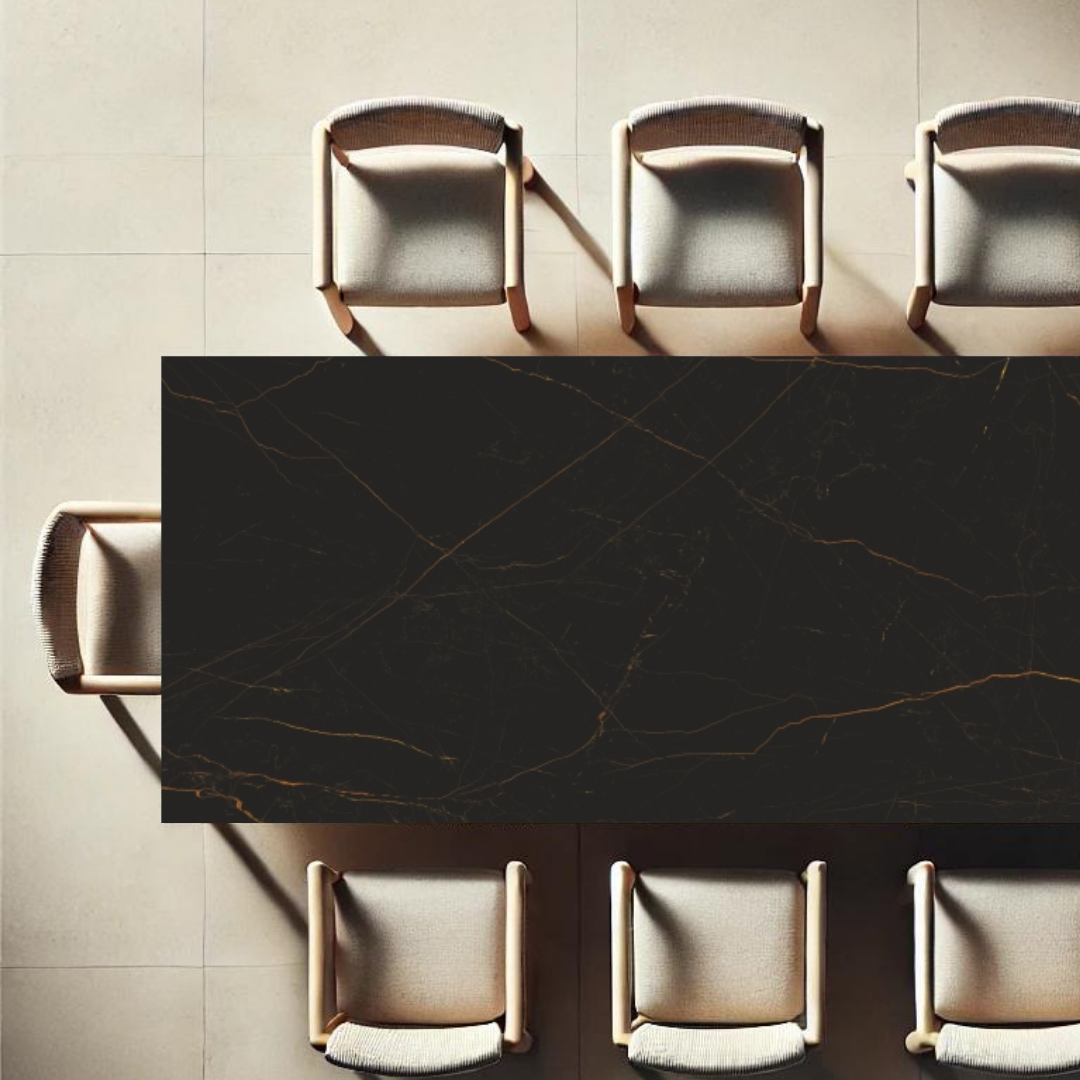
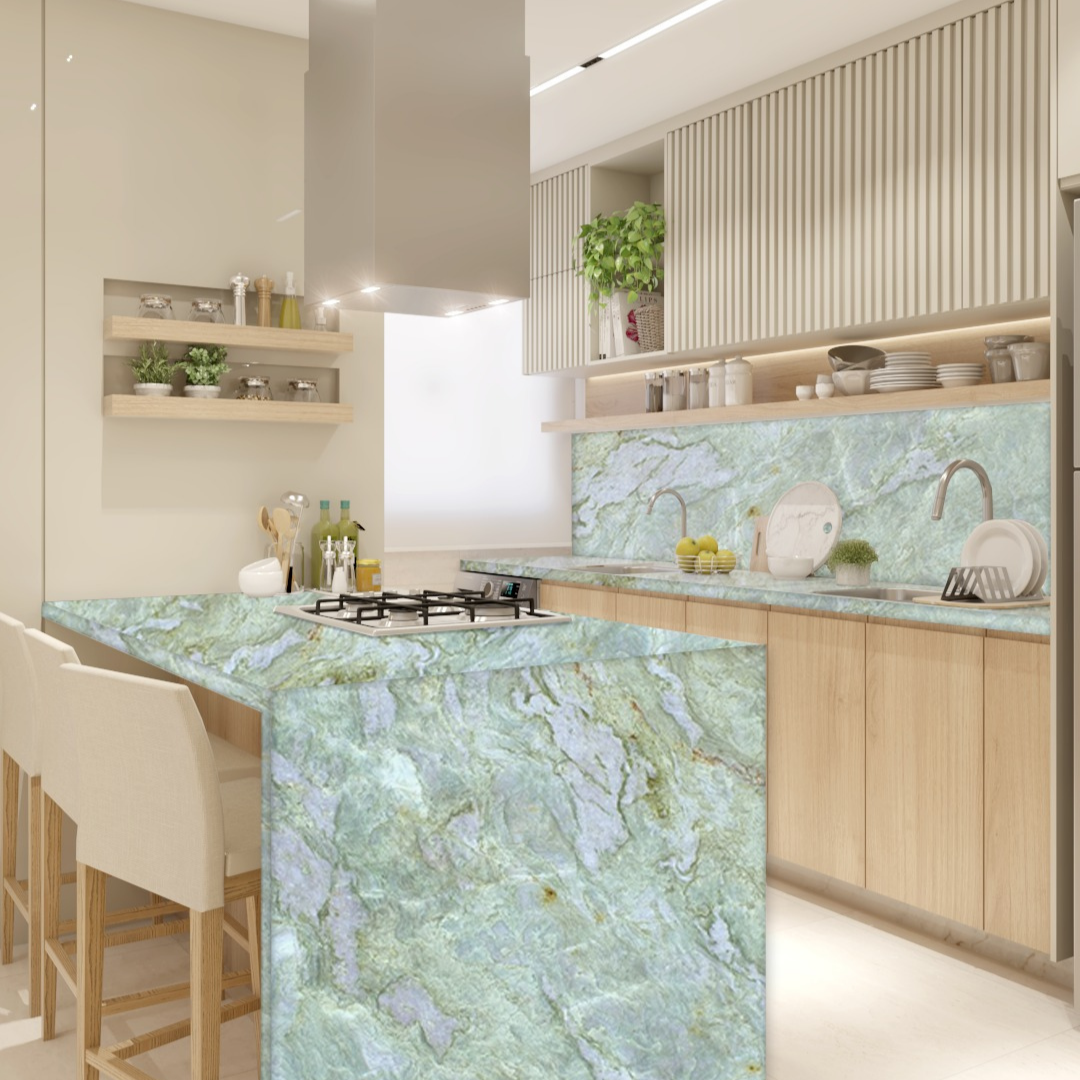
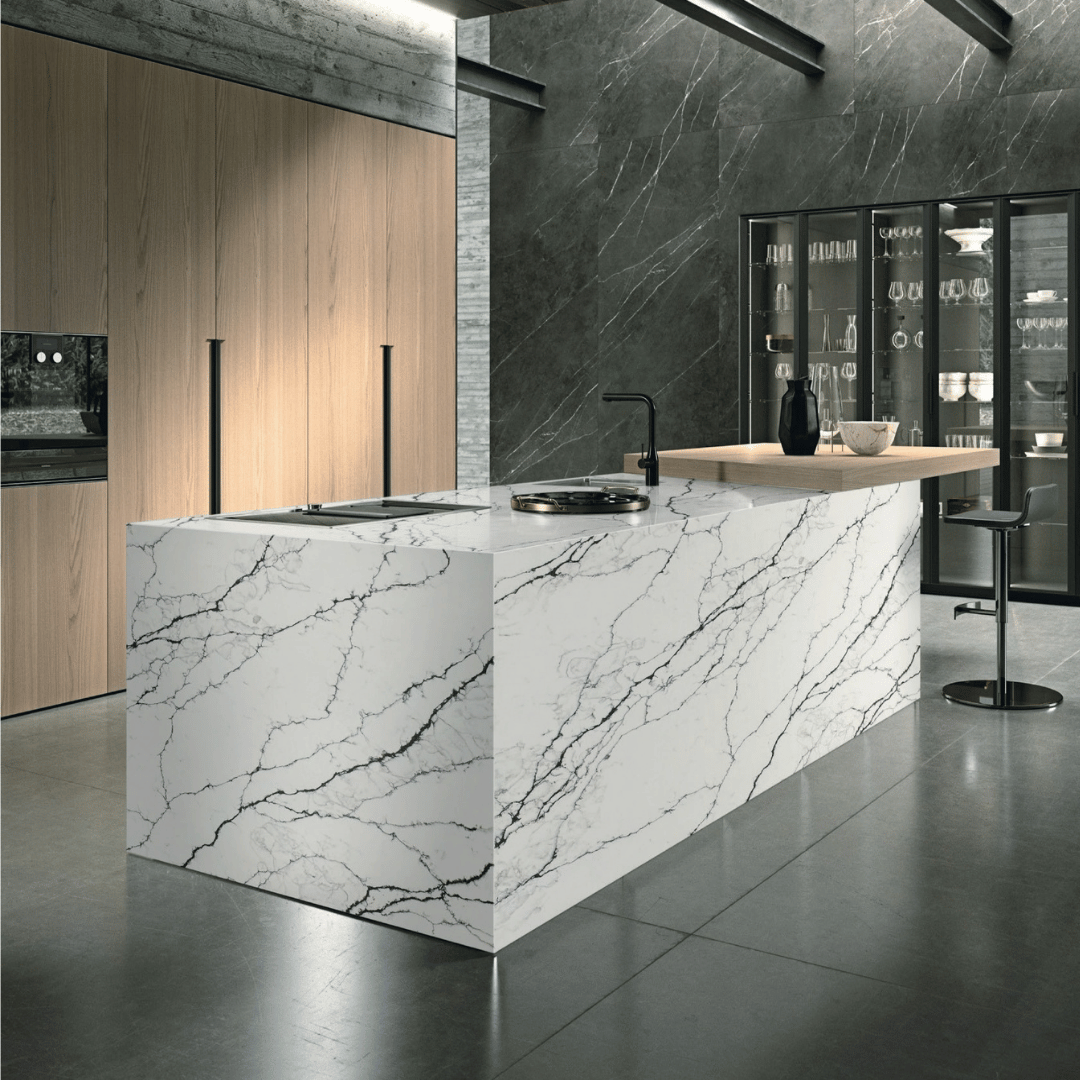
Nature-inspired slab patterns are characterized by their organic movement and textures that mimic natural elements. These patterns draw inspiration from various aspects of nature, including stone formations, wood grains, and even water flow. The use of these patterns in architectural surfaces allows designers to create spaces that resonate with the beauty and tranquility of the natural world.
Types of Nature-Inspired Patterns
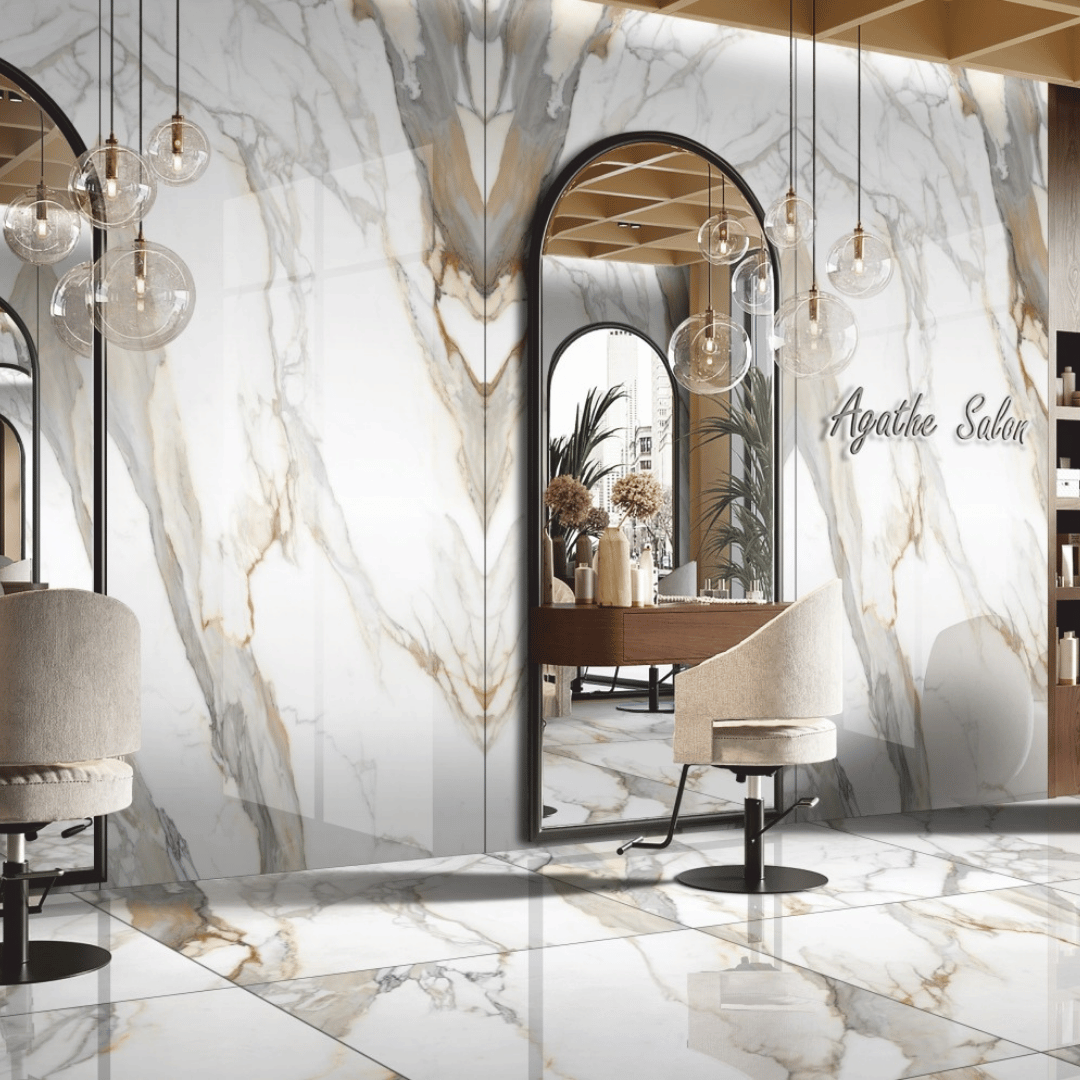
1. **Marble and Stone Veining:** The unique veining of marble and natural stone creates a sense of movement, reminiscent of flowing rivers or geological formations. These patterns can add depth and sophistication to any surface.
2. **Wood-Like Textures:** Porcelain slabs that imitate the appearance of wood grains offer a warm and inviting feel, perfect for creating cozy interiors without the maintenance concerns of real wood.
3. **Fluid Motifs:** Patterns that resemble waves or ripples can evoke a sense of calmness, making them ideal for spaces meant for relaxation, such as spas or bathrooms.
4. **Geometric Patterns Inspired by Nature:** Designs that combine natural elements with geometric shapes can create a striking visual contrast, appealing to modern aesthetics while still celebrating organic forms.
Advantages of Nature-Inspired Slab Patterns
Integrating nature-inspired slab patterns into your projects provides several advantages:
- Versatility: These patterns can be used in various applications, from countertops to wall cladding, making them suitable for both residential and commercial spaces.
- Durability: High-performance slabs, such as those offered by Builder Stone Global, are designed to withstand wear and tear, making them ideal for high-traffic areas.
- Aesthetic Appeal: The organic movement of these patterns can transform an ordinary space into a luxurious environment, enhancing the overall design.
- Eco-Friendly Options: Many nature-inspired slabs are made from sustainable materials, aligning with the principles of biophilic design.
How to Choose Nature-Inspired Slabs for Your Projects
Choosing the right nature-inspired slabs involves several considerations to ensure they align with your design vision and functional needs. Here’s a step-by-step guide to help you make informed decisions:
Step 1: Define Your Aesthetic Goals
Consider the overall theme of your project. Do you want a rustic, earthy feel, or a sleek, modern look? Identifying your aesthetic goals will help narrow down your options.
Step 2: Assess Functionality
Evaluate the intended use of the slabs. For high-traffic areas, opt for durable materials like porcelain slabs or granite, which offer exceptional performance and longevity.
Step 3: Explore Color and Pattern Options
Explore various color palettes and patterns. Nature-inspired slabs come in a range of hues and designs, allowing you to find the perfect match for your space.
Step 4: Consider Maintenance Requirements
Different materials have varying maintenance needs. For instance, while quartzite is highly durable, it may require sealing to maintain its appearance. On the other hand, porcelain slabs are typically low-maintenance and resistant to stains.
Step 5: Consult with Experts
Engage with professionals who specialize in architectural surfaces. Their expertise can provide valuable insights into material selection and design trends.
Expert Tips for Incorporating Nature-Inspired Design
To maximize the benefits of biophilic design, consider these expert tips:
1. Use Natural Light
Incorporate large windows and skylights to allow natural light to flood your space. This enhances the visibility of your nature-inspired slabs and creates a more inviting atmosphere.
2. Integrate Greenery
Add indoor plants to complement your nature-inspired surfaces. The combination of organic materials and living plants enhances the biophilic experience.
3. Create Flow with Patterns
Utilize patterns that create a sense of movement throughout your space. This could mean using similar slab patterns across different surfaces to create cohesion.
4. Balance with Other Materials
While nature-inspired slabs are stunning, balance them with other materials like metals or glass to create a dynamic aesthetic.
5. Focus on Functionality
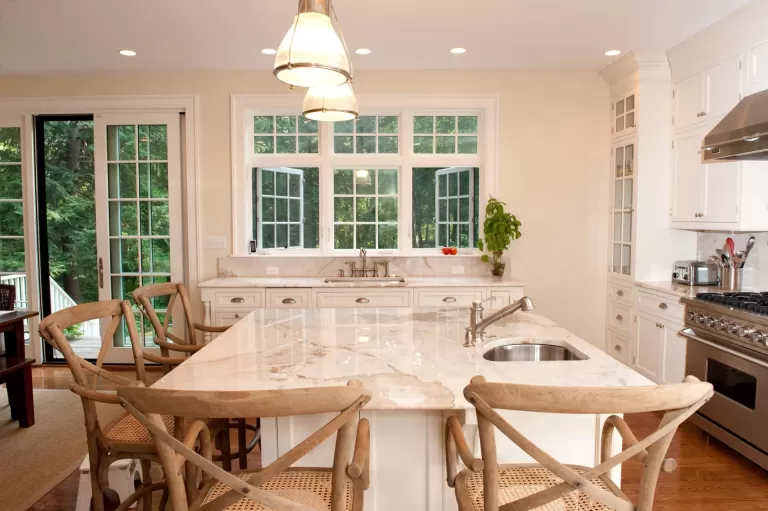
Ensure that your design choices align with the intended use of the space. For example, in kitchens, opt for non-porous surfaces that resist stains and scratches.
Case Studies and Examples
Examining successful implementations of nature-inspired slab patterns can provide inspiration for your projects. Here are a few notable examples:
1. The Green Building in Atlanta, GA
This commercial building integrates biophilic design principles, featuring a façade adorned with porcelain slabs that mimic natural stone. The organic patterns create a harmonious relationship between the structure and its surroundings, promoting sustainability and aesthetic appeal.
2. Residential Retreat in the North Georgia Mountains
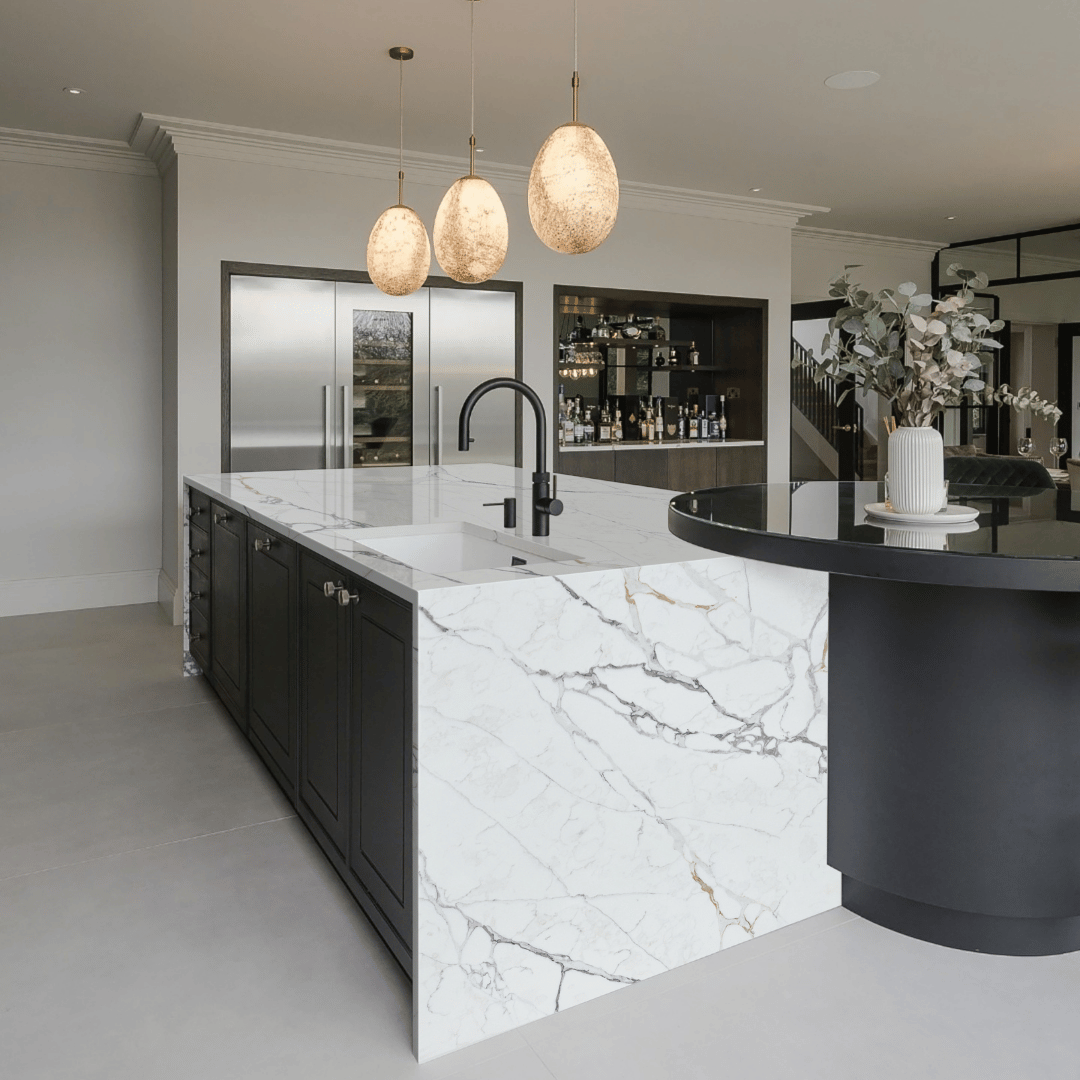
This luxurious home uses quartzite slabs with flowing patterns to create an organic feel throughout the interiors. The natural movement of the slabs echoes the surrounding landscape, enhancing the overall design.
3. Urban Office Space in Downtown Atlanta
In this office, wood-like porcelain slabs are used in conference rooms and common areas, creating a warm and inviting atmosphere that fosters collaboration and creativity among employees.
Frequently Asked Questions
1. What is biophilic design?
Biophilic design is an approach that seeks to connect people with nature through the built environment by integrating natural elements, materials, and patterns.
2. How can I incorporate nature-inspired slabs into my design?
Choose slabs that reflect your aesthetic goals, assess functionality, and consult with experts to ensure the right selection for your project.
3. What are the benefits of using natural stone in design?
Natural stone provides durability, aesthetic appeal, and can enhance well-being by connecting spaces with nature.
4. How do I maintain nature-inspired slabs?
Maintenance varies by material. Porcelain slabs are generally low-maintenance, while natural stones like quartzite may require sealing.
5. Are nature-inspired designs suitable for commercial spaces?
Yes, nature-inspired designs can enhance the aesthetics and productivity of commercial spaces, making them more inviting for employees and clients.
6. What trends are emerging in biophilic design?
Trends include the use of sustainable materials, incorporation of living walls, and maximizing natural light in designs.
7. Can nature-inspired patterns work in small spaces?
Absolutely! Nature-inspired patterns can create visual interest and make small spaces feel larger and more connected to the outdoors.
8. Where can I find quality nature-inspired slabs?
Builder Stone Global offers a wide range of premium quartz, porcelain, and natural stone slabs that fit nature-inspired designs. Contact us to explore our live inventory.
Conclusion
Incorporating nature-inspired slab patterns into your architectural designs can significantly enhance the connection between people and the natural world. By embracing biophilic design principles, you not only create visually stunning spaces but also promote well-being and productivity. At Builder Stone Global, we are committed to providing premium quality slabs that align with your design vision. Call +1 470-551-2092 to speak with our surface specialists or check our live inventory today!