The Ultimate Guide to Choosing Between Polished and Matte Slab Finishes in Kitchens
The Ultimate Guide to Choosing Between Polished and Matte Slab Finishes in Kitchens
When it comes to designing a kitchen, the choice between polished and matte slab finishes is not merely a matter of aesthetics; it profoundly influences the kitchen’s overall design character. This decision plays a crucial role in how light interacts with surfaces, the perceived space, and even the functionality of the materials used. In this comprehensive guide, we will delve into the nuances of polished and matte finishes, helping you make an informed choice that aligns with your design vision and practical needs.
Understanding Slab Finishes
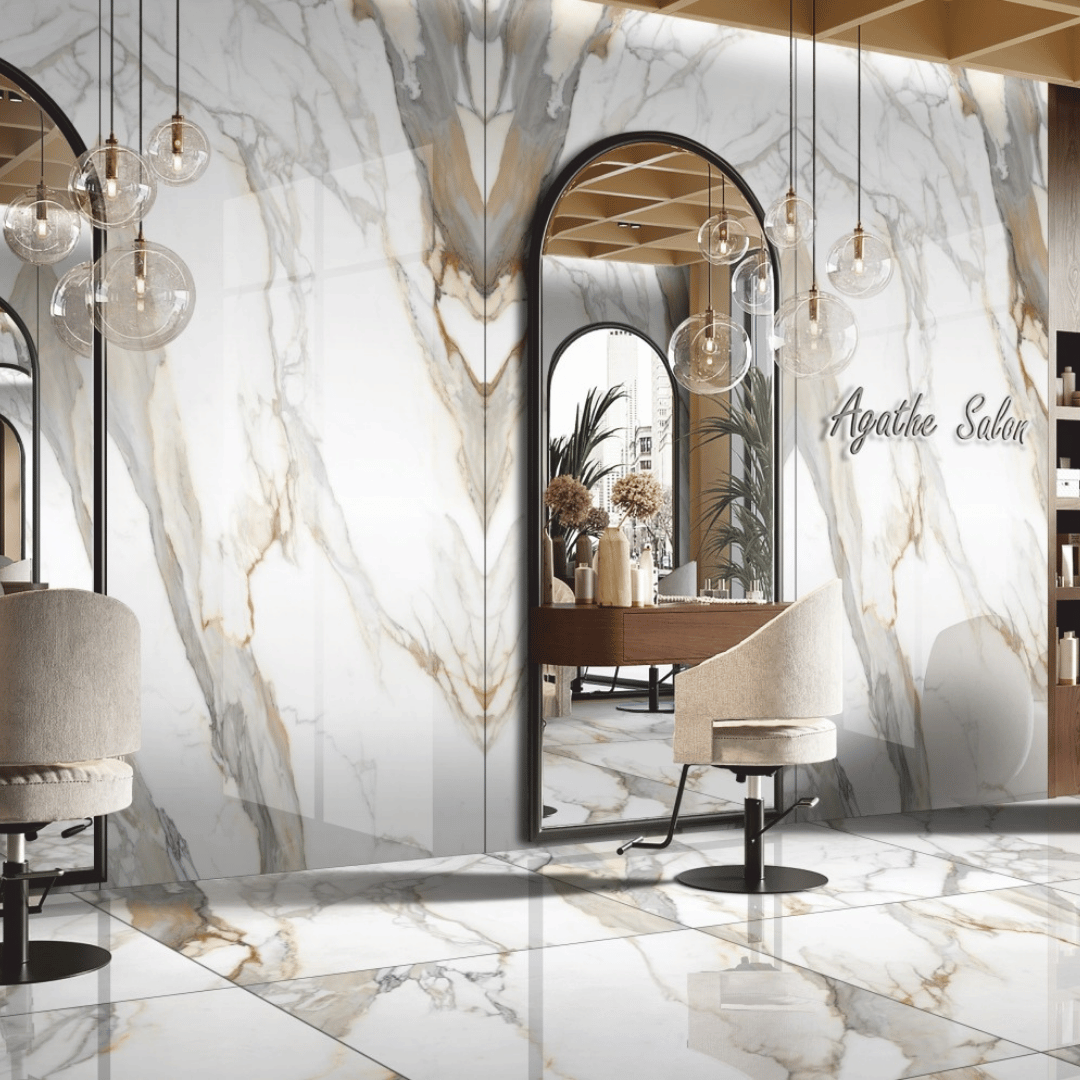
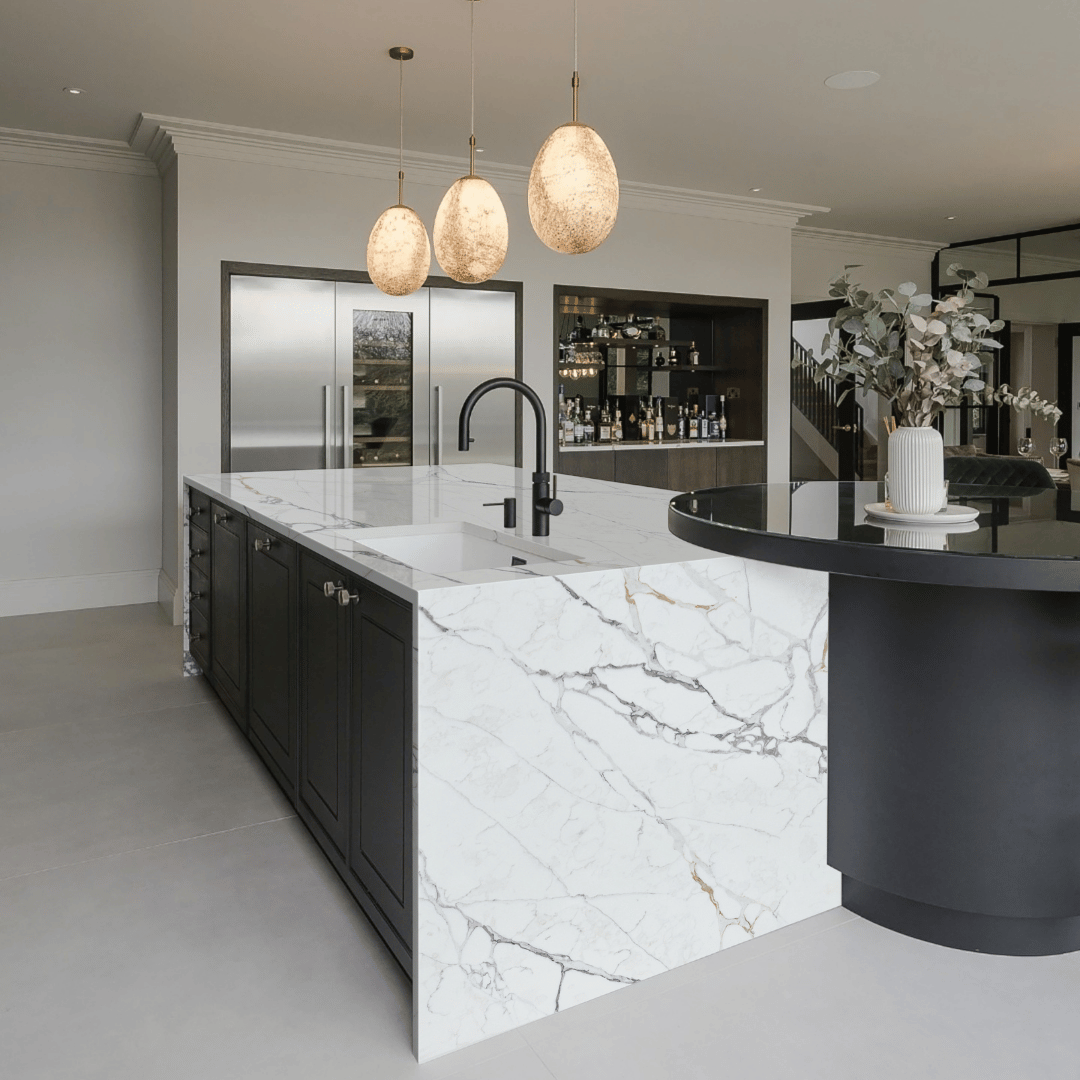
Slab finishes are the surface treatments applied to stone materials, such as quartz, granite, and porcelain, and they can broadly be categorized into two types: polished and matte. Polished surfaces are glossy and reflect light, enhancing the color and pattern of the stone. They are often associated with elegance and sophistication, making them a popular choice for high-end kitchens.
On the other hand, matte finishes provide a more subdued look with a non-reflective surface. This finish is favored for its modern appeal and ability to hide fingerprints and smudges, making it ideal for busy households. Understanding these two finishes is paramount for anyone looking to create a cohesive and appealing design in their kitchen.
The Aesthetic Impact of Finish Selection
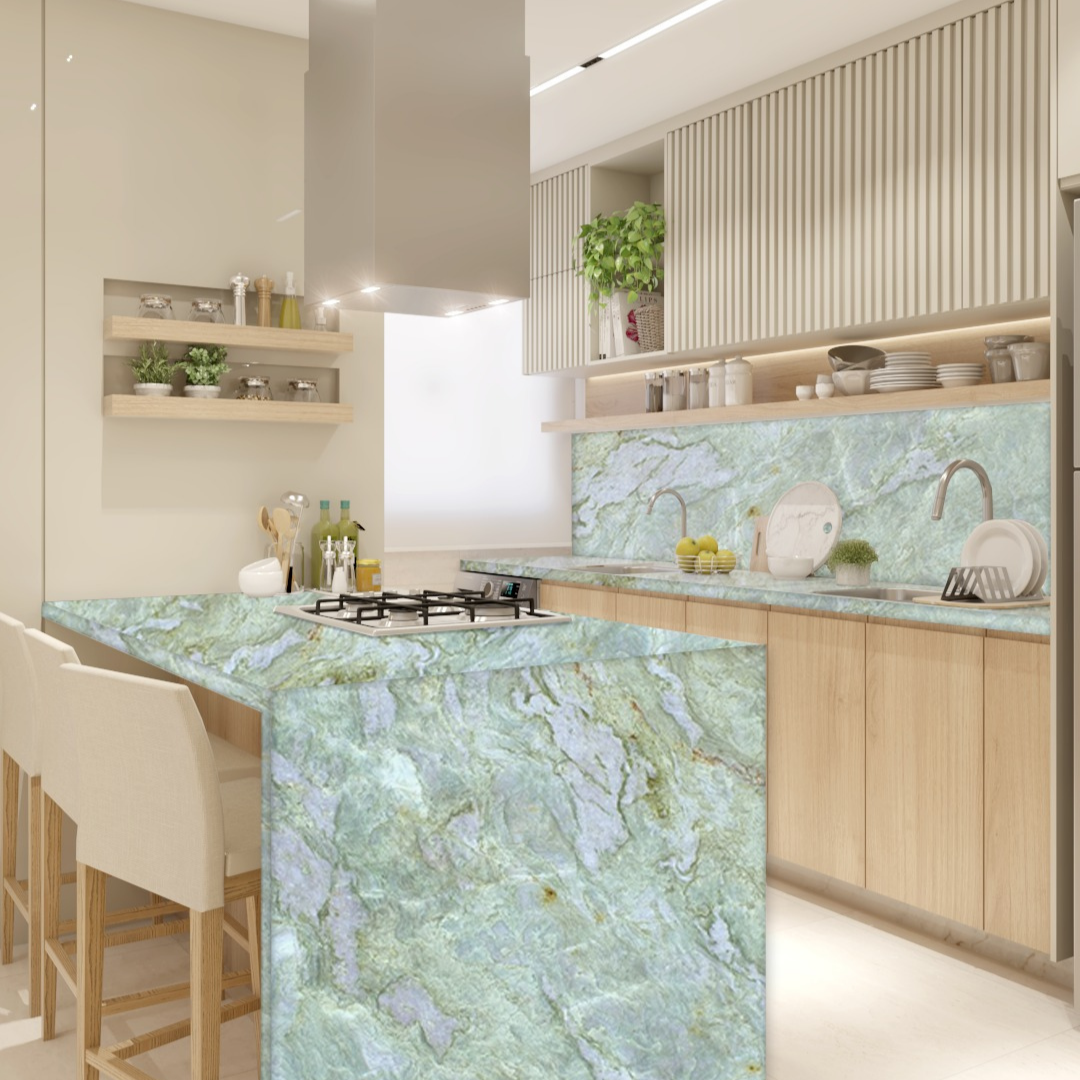
The finish of your kitchen surfaces can dramatically influence the overall aesthetic of the space. A polished finish can make a kitchen feel more open and airy by reflecting light, while a matte finish can create a sense of warmth and intimacy. Here are some key aesthetic considerations for each finish:
Polished Finishes
- Light Reflection: Polished surfaces reflect more light, which can brighten a space and create a feeling of openness.
- Color Enhancement: The glossiness of polished surfaces can enhance the natural colors and patterns in the stone, making them appear more vibrant.
- Luxury Appeal: Polished finishes are often associated with luxury and elegance, making them suitable for high-end designs.
Matte Finishes
- Subtle Sophistication: Matte finishes offer a more understated look that can evoke a sense of calm and tranquility.
- Texture and Depth: The non-reflective nature of matte surfaces can add texture and depth to a kitchen, making it feel more inviting.
- Modern Aesthetic: As design trends shift towards minimalism, matte finishes have become increasingly popular in contemporary kitchen designs.
Functional Differences Between Polished and Matte Finishes
Beyond aesthetics, the choice of slab finish can impact the functionality of your kitchen surfaces. Here are some key functional differences between polished and matte finishes:
Durability and Maintenance
Both polished and matte finishes have their unique maintenance requirements. Polished surfaces are generally more resistant to stains, but they can show scratches and fingerprints more readily. In contrast, while matte surfaces are less likely to show fingerprints, they can be more susceptible to stains and require more frequent cleaning.
Heat and Scratch Resistance
When it comes to heat resistance, both finishes can withstand high temperatures, but the polished surface may show heat marks more visibly. Matte finishes, while less reflective, may require protective measures against hot pots and pans.
Comparison Table
| Feature | Polished Finish | Matte Finish |
|---|---|---|
| Light Reflection | High | Low |
| Stain Resistance | High | Medium |
| Scratch Visibility | High | Low |
| Maintenance Frequency | Lower | Higher |
| Modern Appeal | Traditional | Contemporary |
Choosing the Right Finish for Your Kitchen Style
Your kitchen’s design style will heavily influence your choice of slab finish. Here are some popular kitchen styles and how each finish can enhance their aesthetic:
Modern Kitchens
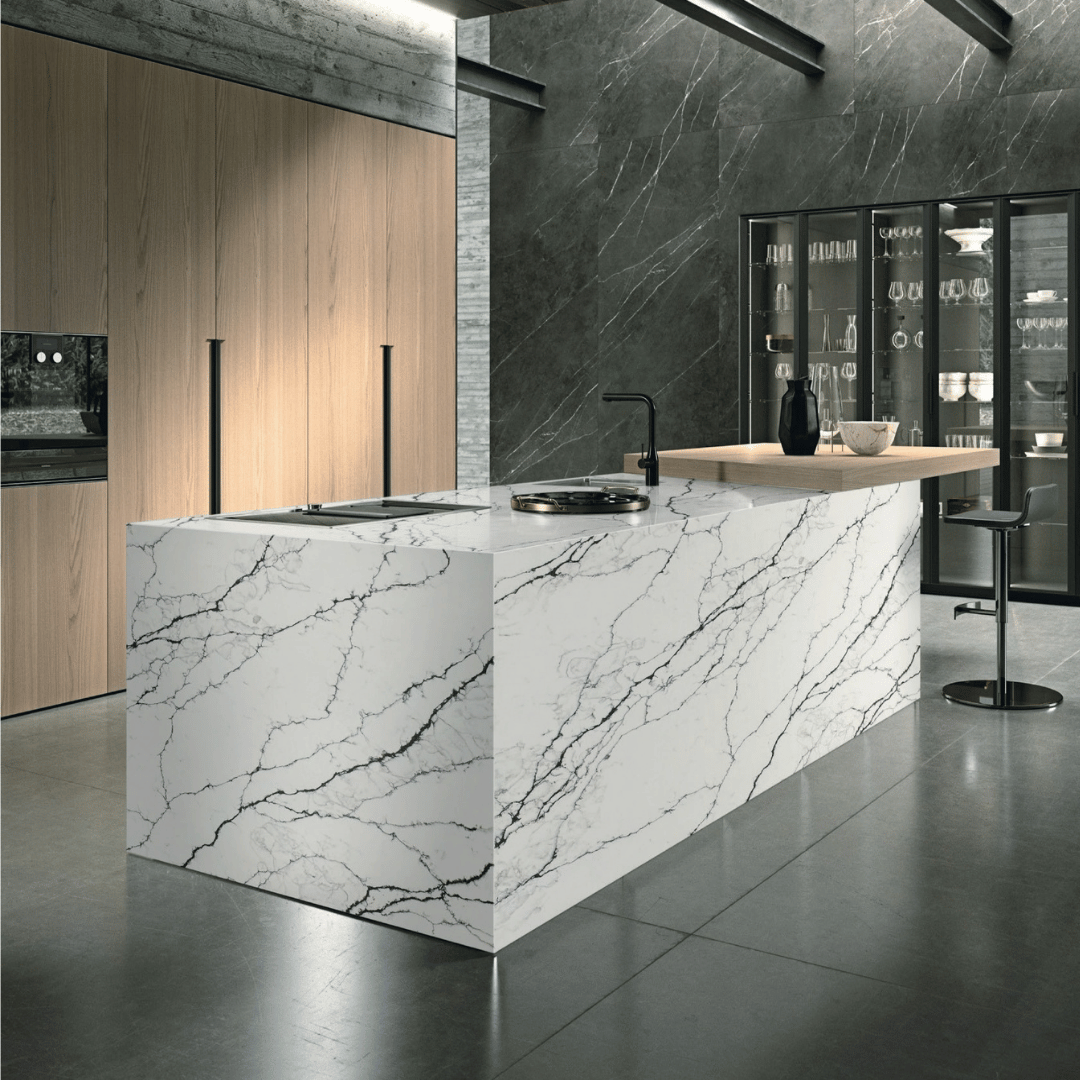
For modern kitchens that emphasize clean lines and minimalism, a matte finish is often the preferred choice. Its understated elegance complements the simplicity of modern design, creating a cohesive look.
Traditional Kitchens
In traditional kitchens, polished finishes can add a touch of sophistication and luxury. The reflective quality of polished surfaces can enhance classic materials like marble and granite, making them stand out as focal points.
Transitional Kitchens
Transitional kitchens blend both modern and traditional elements. In such spaces, a combination of polished and matte finishes can create visual interest and balance, allowing for a more dynamic design.
Care and Maintenance: Polished vs. Matte
Understanding the care requirements of your chosen finish is crucial for maintaining the beauty and longevity of your kitchen surfaces. Here are some maintenance tips for both polished and matte finishes:
Polished Finish Maintenance Tips
- Regularly clean with a soft cloth and pH-balanced cleaner.
- Avoid abrasive cleaners that can scratch the surface.
- Seal the surface regularly to maintain its shine and protect against stains.
Matte Finish Maintenance Tips
- Use a gentle cleaner specifically designed for matte finishes.
- Wipe up spills immediately to prevent staining.
- Consider using a matte sealer for added protection.
Expert Tips for Selecting Slab Finishes
When selecting the right finish for your kitchen slabs, consider the following expert tips:
- Think about the overall color palette of your kitchen. A polished finish can enhance brighter colors, while matte finishes can soften darker tones.
- Consider the functionality of your kitchen. If you cook frequently, a matte finish may be more practical due to its resistance to showing fingerprints.
- Consult with a professional designer to understand how different finishes work with your chosen materials.
Conclusion
Choosing between polished and matte slab finishes is a defining decision in your kitchen design journey. Both finishes offer unique aesthetic and functional qualities that can significantly impact the overall character of your space. By understanding the differences and considering your design style, maintenance preferences, and functional needs, you can make an informed choice that enhances your kitchen’s beauty and functionality. For a closer look at our premium quartz, porcelain, and natural stone slabs, check our live inventory or contact our surface specialists for expert guidance.
FAQs
1. What are the main differences between polished and matte finishes?
Polished finishes are glossy and reflect light, while matte finishes are non-reflective and provide a softer look.
2. Which finish is better for high-traffic kitchens?
Matte finishes are generally better for high-traffic kitchens as they hide fingerprints and smudges more effectively than polished finishes.
3. How do I maintain a polished slab finish?
Regular cleaning with a soft cloth and a pH-balanced cleaner is recommended, along with periodic sealing to maintain its shine.
4. Can matte finishes be used in modern kitchen designs?
Yes, matte finishes are increasingly popular in modern kitchen designs due to their clean, understated look.
5. Are polished finishes more expensive than matte finishes?
The cost can vary widely based on the material, but polished finishes may require more maintenance, impacting long-term costs.
6. How do I choose the right finish for my kitchen style?
Consider the overall design aesthetic of your kitchen and how each finish complements your chosen materials and colors.
7. Do matte finishes require more maintenance than polished finishes?
Matte finishes can require more frequent cleaning to prevent stains, while polished finishes may be easier to clean but show scratches more readily.
8. Can I mix polished and matte finishes in my kitchen?
Yes, many designers recommend mixing finishes for visual interest and balance, especially in transitional kitchen designs.