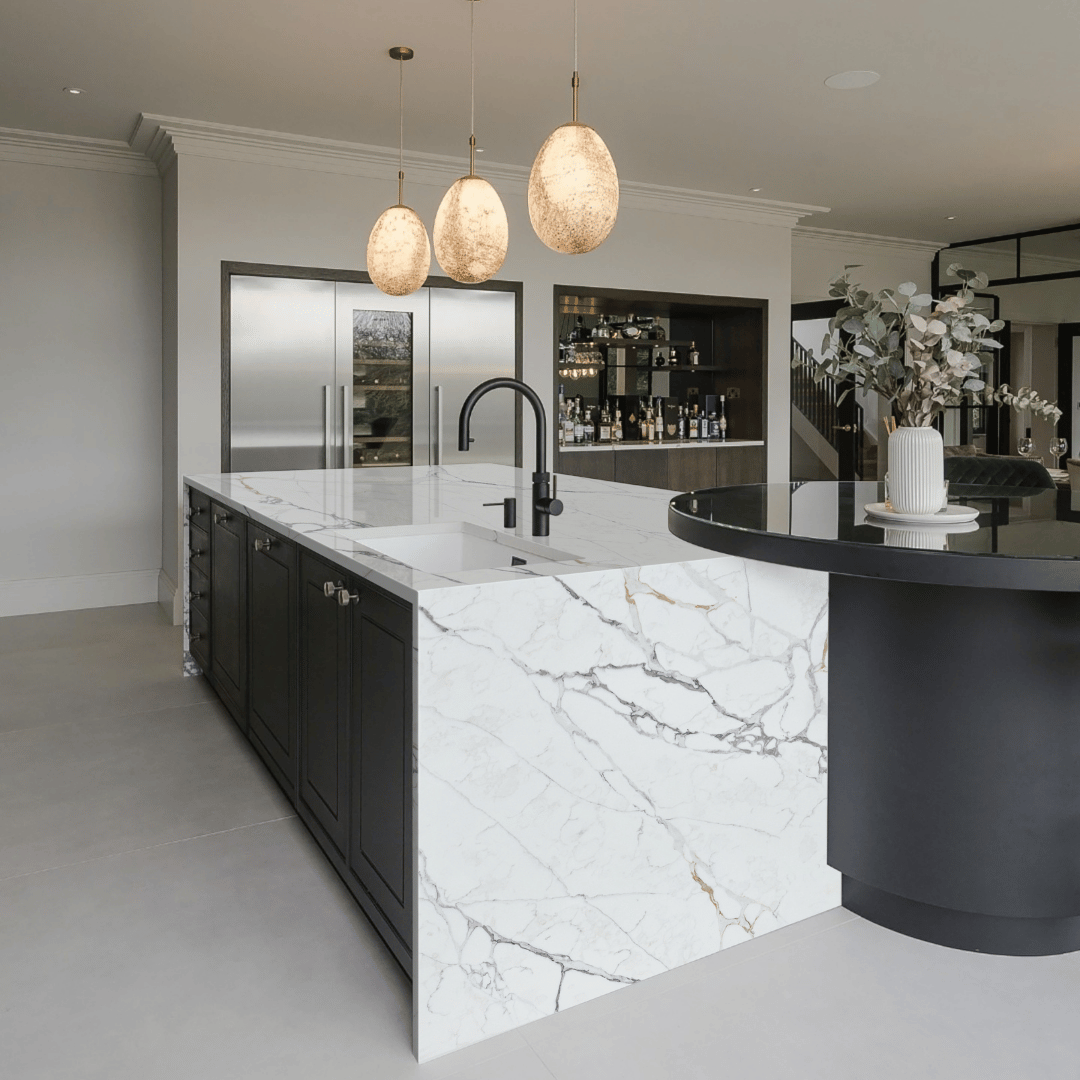
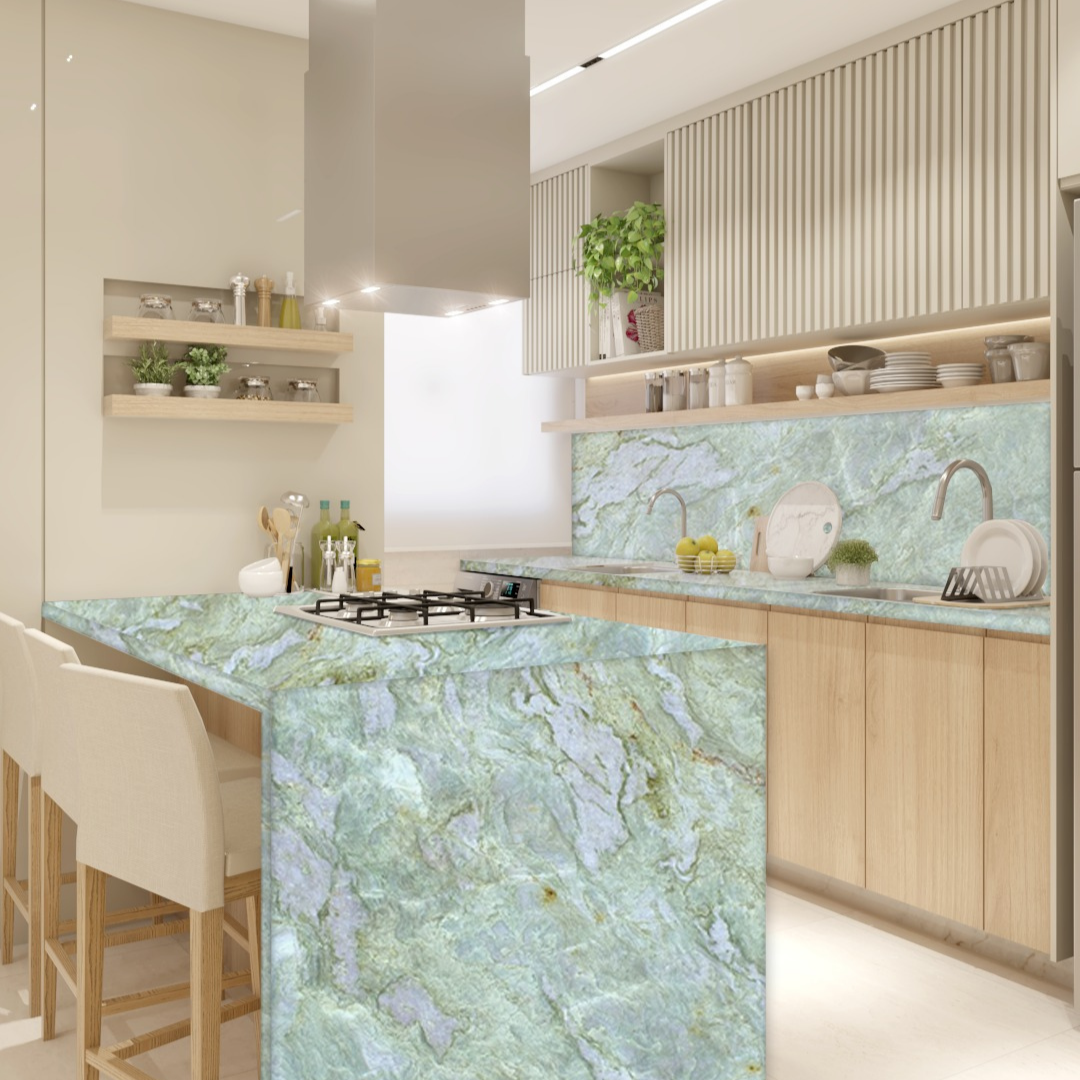
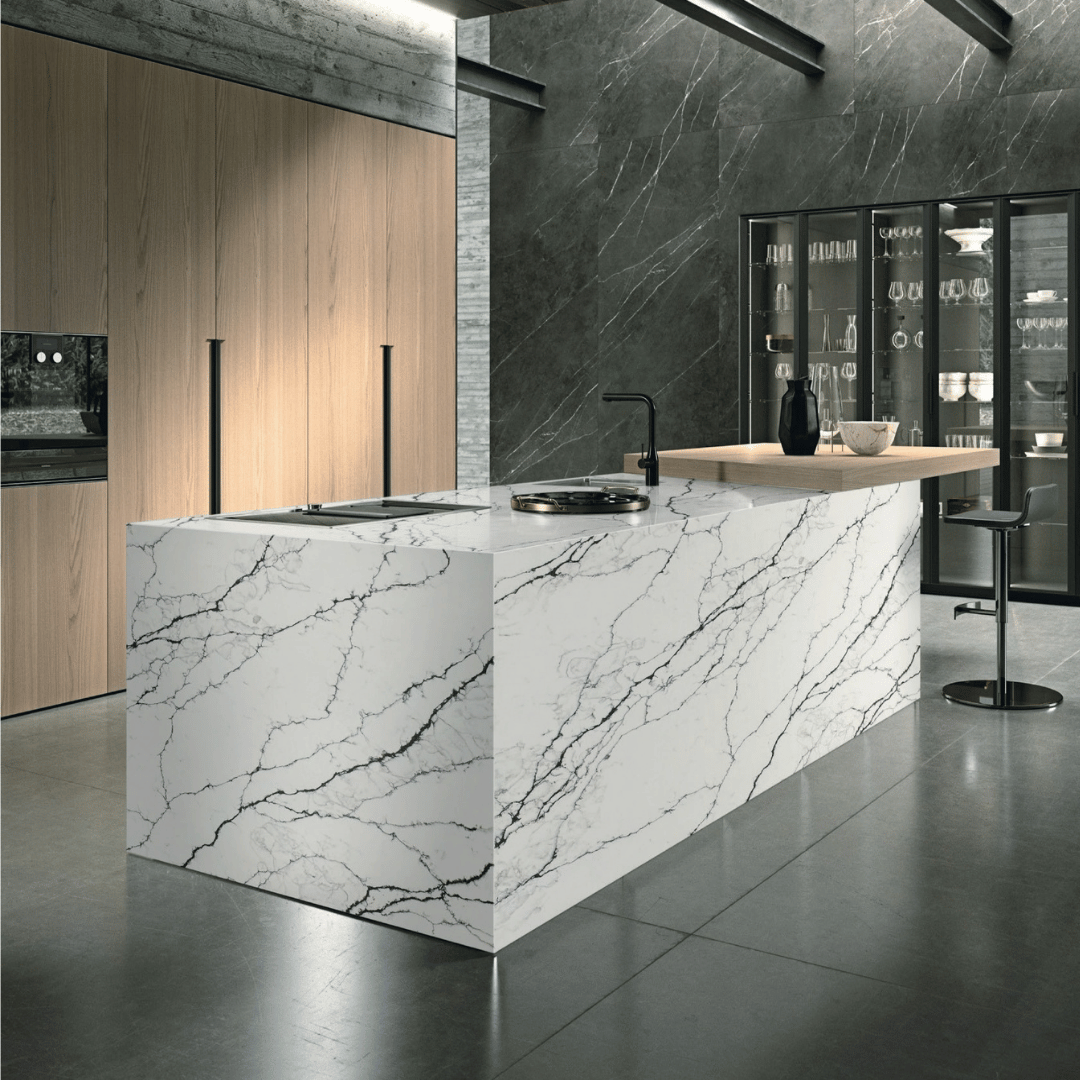
How Transitional Slab Colors Bridge Traditional and Contemporary Kitchen Design Styles
How Transitional Slab Colors Bridge Traditional and Contemporary Kitchen Design Styles
When it comes to kitchen design, the choice of colors can profoundly influence the ambiance and functionality of the space. Transitional slab colors have emerged as a popular choice, seamlessly blending traditional and contemporary aesthetics. This article will explore how these colors not only enhance the visual appeal of kitchens but also cater to the diverse preferences of homeowners and designers alike. You will learn about the characteristics of transitional colors, their applications in kitchen design, and how to select the perfect tones for your unique space.
What Are Transitional Slab Colors?
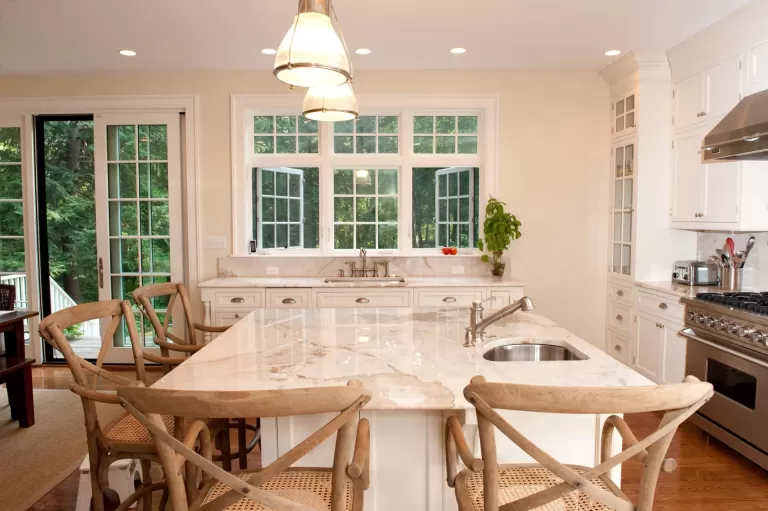
Transitional slab colors are those that create a visual bridge between traditional and contemporary design styles. These colors offer a versatile palette that can adapt to various kitchen themes, making them an ideal choice for homeowners looking to achieve a balanced look. Transitional colors often feature muted tones, soft whites, rich grays, and gentle earth tones, which can complement both classic and modern elements.
Why Choose Transitional Colors for Your Kitchen?
The decision to incorporate transitional slab colors in your kitchen can yield numerous benefits:
- Versatility: Transitional colors can easily blend with various design elements, allowing for flexibility in styling.
- Timeless Appeal: These colors are less likely to go out of style, ensuring that your kitchen remains visually appealing for years to come.
- Enhanced Resale Value: A well-designed kitchen with transitional colors can increase your home’s marketability, attracting potential buyers.
- Personalization: Transitional colors allow homeowners to express their unique tastes while accommodating a range of design preferences.
Key Characteristics of Transitional Colors
Understanding the characteristics of transitional colors is crucial for effective application in kitchen design:
- Neutral Base: Most transitional colors are rooted in neutral tones, allowing for easy pairing with other hues.
- Soft Contrast: Transitional colors often feature subtle contrasts that provide depth without overwhelming the space.
- Natural Inspiration: Many transitional colors draw inspiration from nature, incorporating earthy tones and organic textures.
Comparison Table: Transitional vs. Traditional vs. Contemporary Colors
| Color Type | Characteristics | Best Uses |
|---|---|---|
| Transitional | Neutral, soft contrasts, earthy tones | Kitchens, living spaces, versatile designs |
| Traditional | Rich, bold colors, ornate features | Classic designs, formal settings |
| Contemporary | Bold, bright colors, minimalist approach | Modern spaces, artistic impressions |
How to Incorporate Transitional Colors in Your Kitchen
Incorporating transitional slab colors into your kitchen design can be a rewarding experience. Here are some actionable steps to consider:
- Choose a Color Palette: Start by selecting a cohesive color palette that includes transitional colors. Consider using a combination of warm and cool tones for balance.
- Select Slab Materials: Decide on the materials for your countertops and surfaces. Premium quartz, porcelain, and natural stone slabs are excellent choices that can enhance the overall design.
- Mix Textures: Pair different textures to add depth to your kitchen. For instance, consider combining smooth quartz surfaces with rustic wooden cabinetry.
- Accent with Accessories: Use decorative items such as kitchenware, artwork, and textiles to tie in your transitional colors.
- Consult an Expert: Don’t hesitate to seek advice from design professionals or visit a premium slab showroom like Builder Stone Global to explore your options.
Top Transitional Slab Colors for 2026
As we look ahead to 2026, certain transitional slab colors are poised to dominate kitchen designs:
- Soft Gray: A versatile hue that works well with both warm and cool tones, soft gray can create a calming atmosphere.
- Warm Beige: This earthy tone adds warmth and pairs beautifully with wooden accents.
- Light Taupe: A sophisticated choice that provides a subtle backdrop for vibrant decor.
- Muted Green: Inspired by nature, muted green can bring a refreshing touch to kitchen spaces.
- Classic White: Timeless and adaptable, classic white remains a staple in transitional design.
Maintaining Your Transitional Slabs
To keep your transitional slabs looking their best, adhere to the following maintenance tips:
- Regular Cleaning: Clean surfaces with a mild detergent and soft cloth to avoid scratches.
- Avoid Harsh Chemicals: Steer clear of abrasive cleaners that can damage the finish of your slabs.
- Sealing Natural Stone: If using natural stone, ensure that it is properly sealed to prevent stains.
- Use Cutting Boards: Always use cutting boards to protect the surface from scratches and cuts.
Conclusion
Transitional slab colors are an excellent choice for homeowners looking to bridge the gap between traditional and contemporary kitchen designs. With their versatility, timeless appeal, and ability to enhance the overall aesthetic of your kitchen, these colors are sure to remain popular in the coming years. By carefully selecting your colors, materials, and textures, you can create a kitchen that is not only beautiful but also functional and inviting. For expert guidance on selecting the perfect transitional slabs for your kitchen, contact our surface specialists or check our live inventory today.
Frequently Asked Questions
What are transitional slab colors?
Transitional slab colors are hues that blend traditional and contemporary design elements, offering a versatile palette for kitchen designs.
Why should I choose transitional colors for my kitchen?
Transitional colors provide versatility, timeless appeal, enhanced resale value, and allow for personalized design.
What are some popular transitional slab colors for 2026?
Popular transitional slab colors for 2026 include soft gray, warm beige, light taupe, muted green, and classic white.
How do I maintain my transitional slabs?
Maintain transitional slabs by cleaning regularly, avoiding harsh chemicals, sealing natural stone, and using cutting boards.
Can transitional colors work in small kitchens?
Yes, transitional colors can enhance small kitchens by creating a sense of openness and cohesion.
What materials are best for transitional kitchen designs?
Premium quartz, porcelain, and natural stone are ideal materials for transitional kitchen designs.
How do I choose the right color palette for my kitchen?
Consider a cohesive palette that includes both warm and cool transitional colors to achieve balance.
Where can I find transitional slabs in Norcross, GA?
You can explore a wide selection of transitional slabs at Builder Stone Global in Norcross, GA.