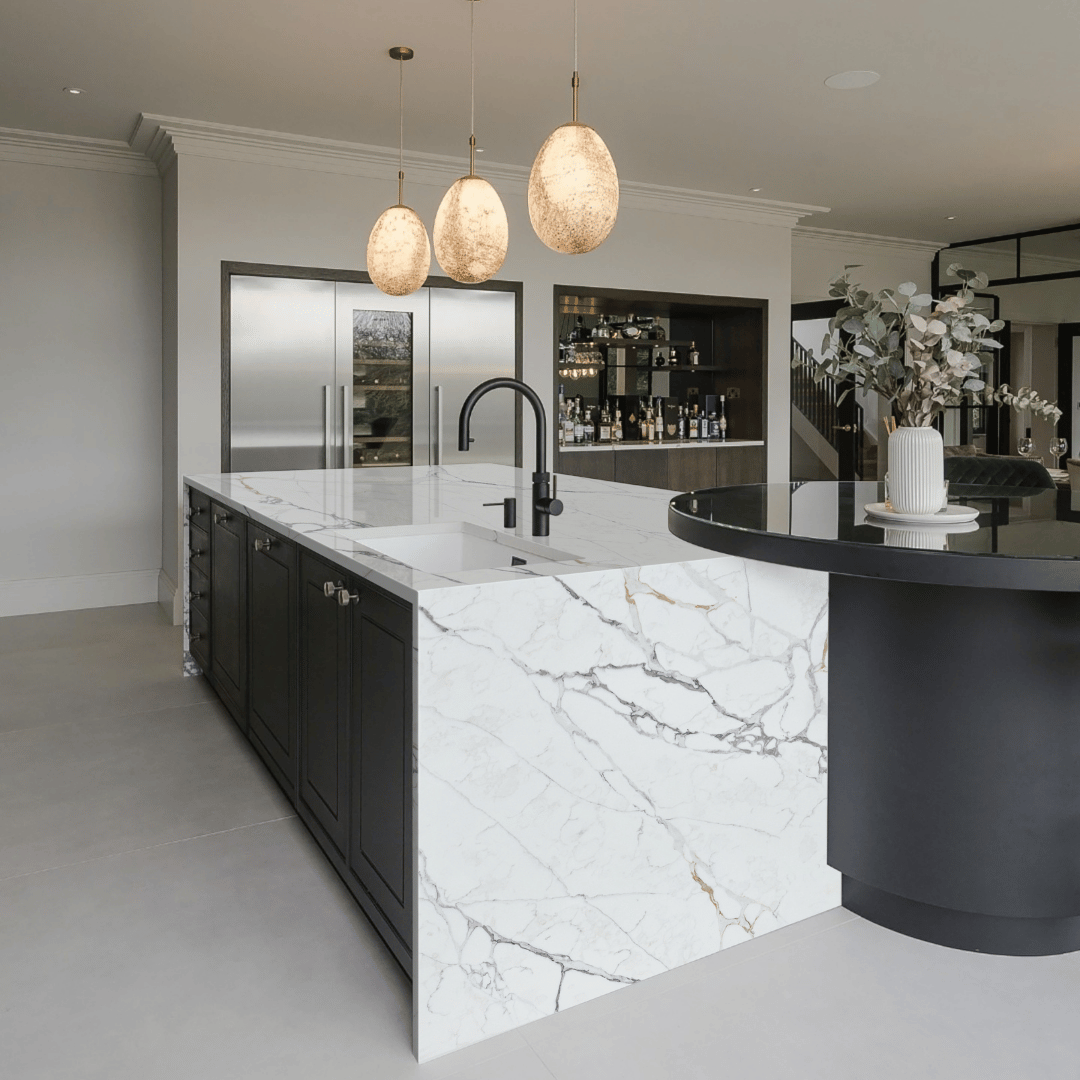
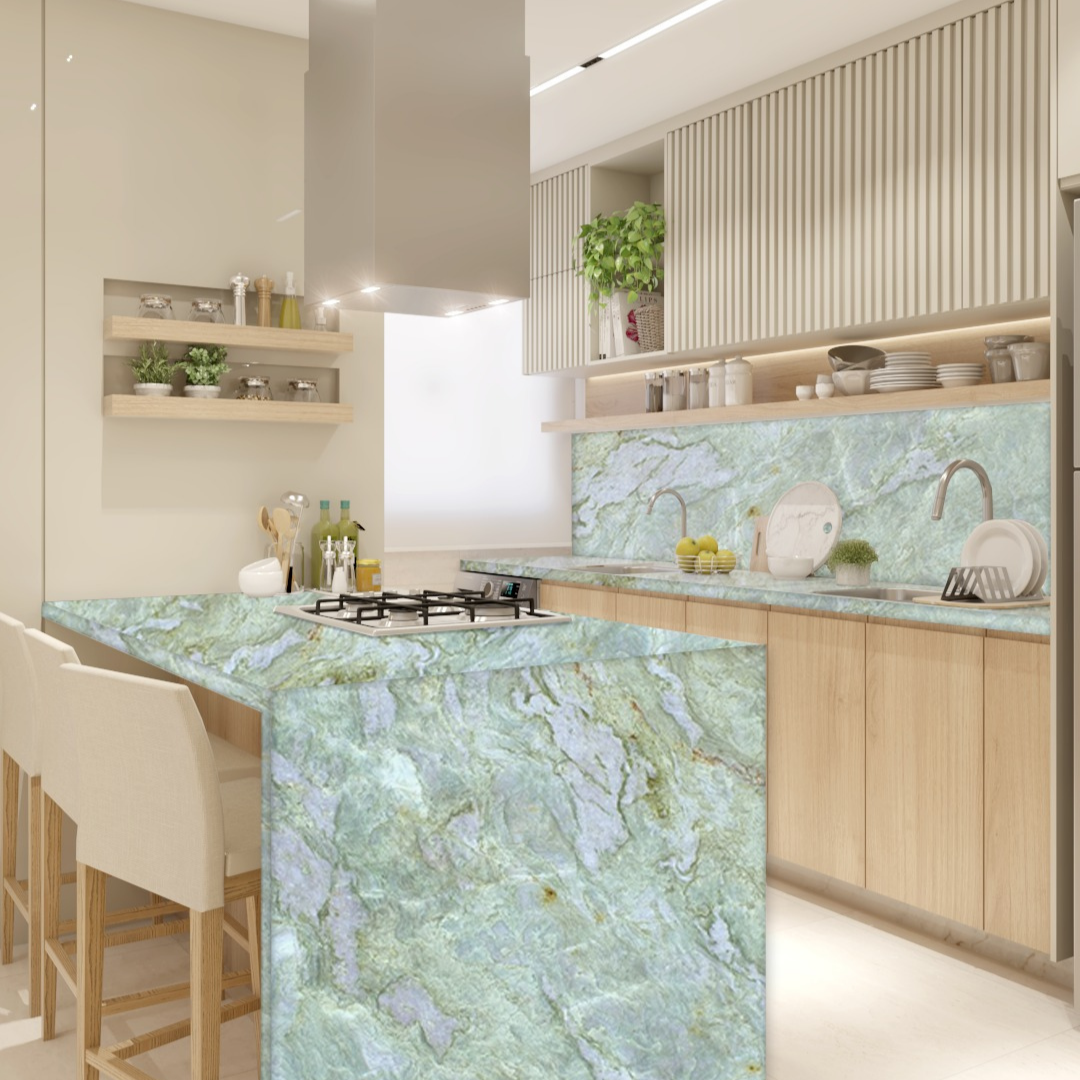
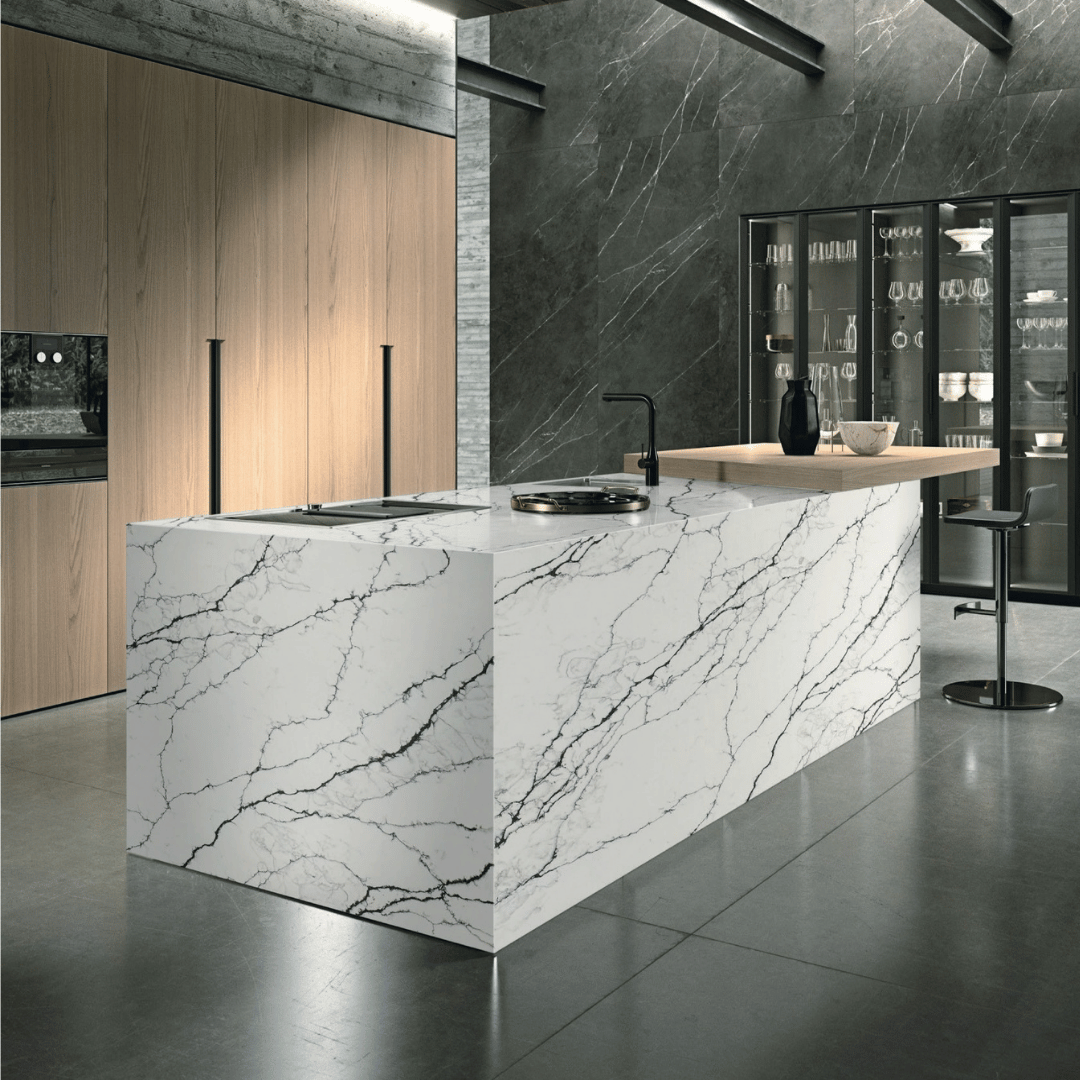
The Ultimate Guide to Kitchen Island Slab Selection for Cooking and Dining
The Ultimate Guide to Kitchen Island Slab Selection for Cooking and Dining
Choosing the right kitchen island slab is a pivotal decision for any homeowner, designer, or contractor. The kitchen island serves multiple functions — from cooking and dining to storage and preparation. Selecting the ideal slab material can enhance both the aesthetic appeal and functionality of your kitchen. In this guide, we will delve into the various aspects of kitchen island slab selection, discussing materials, finishes, and design considerations to help you make an informed choice.
Understanding Kitchen Island Slabs
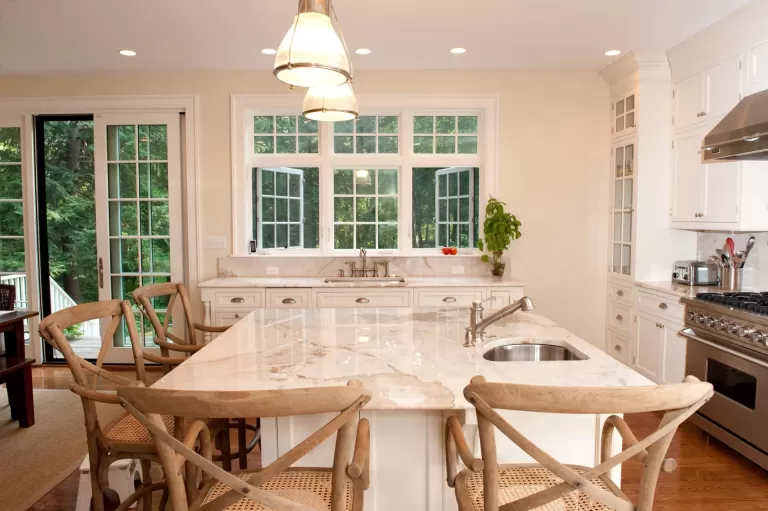
A kitchen island slab is a large piece of material that forms the surface of a kitchen island. It is crucial for both aesthetic and functional purposes, serving as a workspace for food preparation, a dining area, and additional storage. The slab’s choice can significantly impact the kitchen’s overall design, durability, and maintenance requirements. Understanding the various types of slabs available will help you choose the best option for your needs.
Key Factors to Consider When Choosing a Slab
When selecting a kitchen island slab, several crucial factors must be evaluated:
- Functionality: Consider how you will use the island. Will it primarily serve as a cooking area, dining space, or storage solution? This decision will influence the material you choose.
- Durability: Kitchen islands endure heavy use, so selecting a durable material is essential. Look for materials that resist scratches, stains, and heat.
- Aesthetic Appeal: The slab should complement your kitchen’s overall design. Consider color, pattern, and texture to enhance the aesthetic quality of the space.
- Maintenance: Different materials require varying levels of care. Assess how much maintenance you are willing to commit to over time.
- Budget: Determine your budget before starting your search. Premium materials may be more expensive but can offer greater longevity and aesthetic value.
Popular Materials for Kitchen Island Slabs
Several materials are commonly used for kitchen island slabs, each with unique properties:
1. Quartz
Quartz is a popular choice due to its durability and low maintenance requirements. Engineered from natural quartz crystals, it is non-porous, making it resistant to stains and bacteria. Builder Stone Global offers a wide selection of premium quartz slabs that combine aesthetic appeal with high performance. Check our live inventory for available options.
2. Granite
Granite is a natural stone known for its beauty and durability. Each slab is unique, adding a touch of luxury to any kitchen. However, granite requires periodic sealing to maintain its resistance to stains.
3. Porcelain
Porcelain slabs are gaining popularity due to their high resistance to heat and scratches. With a variety of colors and finishes available, they can mimic the appearance of natural stone while offering superior durability.
4. Quartzite
Quartzite combines the beauty of marble with the durability of granite. It is less porous than granite, making it a great option for high-traffic areas.
5. Solid Surface
Solid surface materials are versatile and can be seamlessly integrated into various designs. They are easy to maintain but may not be as heat-resistant as stone options.
Comparative Analysis of Slab Materials
| Material | Durability | Maintenance | Cost | Aesthetic Appeal |
|---|---|---|---|---|
| Quartz | High | Low | $$$ | Wide range of colors and patterns |
| Granite | Very High | Medium | $$$ | Unique natural patterns |
| Porcelain | High | Low | $$ | Various designs available |
| Quartzite | Very High | Medium | $$$ | Luxurious appearance |
| Solid Surface | Medium | Low | $$ | Seamless design options |
Design Considerations for Your Kitchen Island
The design of your kitchen island slab should reflect both functionality and style. Here are some essential considerations:
- Size: Ensure your island is proportionate to the kitchen space. A well-sized island can enhance workflow and create a more inviting atmosphere.
- Shape: Islands can be rectangular, square, or even circular. The shape should complement the overall kitchen layout.
- Edge Profile: The edge profile of the slab can impact both aesthetics and safety. Popular choices include eased, beveled, and mitered edges.
- Color and Pattern: Choose colors and patterns that harmonize with your kitchen’s cabinetry and decor. Neutral tones can create a timeless look, while bold colors can serve as a focal point.
Maintenance Tips for Your Kitchen Island Slab
Maintaining your kitchen island slab is crucial for its longevity and appearance. Here are some tips to consider:
- Regular Cleaning: Use a mild detergent and warm water to clean the surface. Avoid harsh chemicals that may damage the finish.
- Sealing: For natural stones like granite and quartzite, regular sealing is necessary to prevent stains and enhance durability.
- Heat Protection: Always use trivets or heat pads when placing hot pots and pans on the surface to avoid damage.
- Scratch Prevention: Use cutting boards to prevent scratches and maintain the surface’s integrity.
Expert Insights and Recommendations
Additionally, consult with design professionals or kitchen specialists to gain insights tailored to your specific project. Their experience can guide you in choosing the best material based on your cooking habits, family size, and lifestyle.
Frequently Asked Questions
1. What is the best material for a kitchen island slab?
The best material depends on your specific needs. Quartz is popular for its durability and low maintenance, while granite offers unique beauty.
2. How do I maintain a quartz kitchen island?
Regularly clean with mild soap and water, and avoid harsh chemicals. Quartz does not require sealing due to its non-porous nature.
3. Can I place hot pots on a granite slab?
While granite is heat-resistant, it is advisable to use trivets or heat pads to protect the surface from thermal shock.
4. How thick should my kitchen island slab be?
A thickness of 2cm to 3cm is standard for kitchen islands, with 3cm offering more durability and a more substantial appearance.
5. What colors are trending for kitchen island slabs?
Neutral tones such as whites and grays are popular, but bold colors like navy blue or deep green can also make a statement.
6. Is porcelain a good choice for kitchen islands?
Yes, porcelain is highly durable, resistant to scratches and stains, and comes in various designs, making it a great option for kitchen islands.
7. How do I choose the right edge profile for my slab?
The edge profile should match your kitchen’s style; eased edges offer a modern look, while beveled edges can add a classic touch.
8. Where can I find premium kitchen island slabs?
Builder Stone Global offers an extensive inventory of premium quartz, porcelain, and natural stone slabs. Visit our contact page for more information.