Why Your Kitchen Countertop Slab Material Choice Matters for Daily Function & Long-Term Satisfaction
Why Your Kitchen Countertop Slab Material Choice Matters for Daily Function & Long-Term Satisfaction
Choosing the right kitchen countertop slab material is a decision that can significantly impact your daily cooking experience and your long-term satisfaction with your kitchen space. Whether you’re a professional chef, a passionate home cook, or someone who simply enjoys entertaining guests, the material of your countertop can affect functionality, aesthetics, and durability. In this comprehensive guide, we will explore how your choice of countertop material influences not only the functionality of your kitchen but also your overall satisfaction with this essential space in your home. You will learn about various materials available, their pros and cons, and how to choose the right one for your specific needs and lifestyle.
Understanding Kitchen Countertop Materials
The kitchen countertop serves as the heart of culinary activity within a home. As such, understanding the various materials available can help you make an informed decision. The most popular countertop materials include:
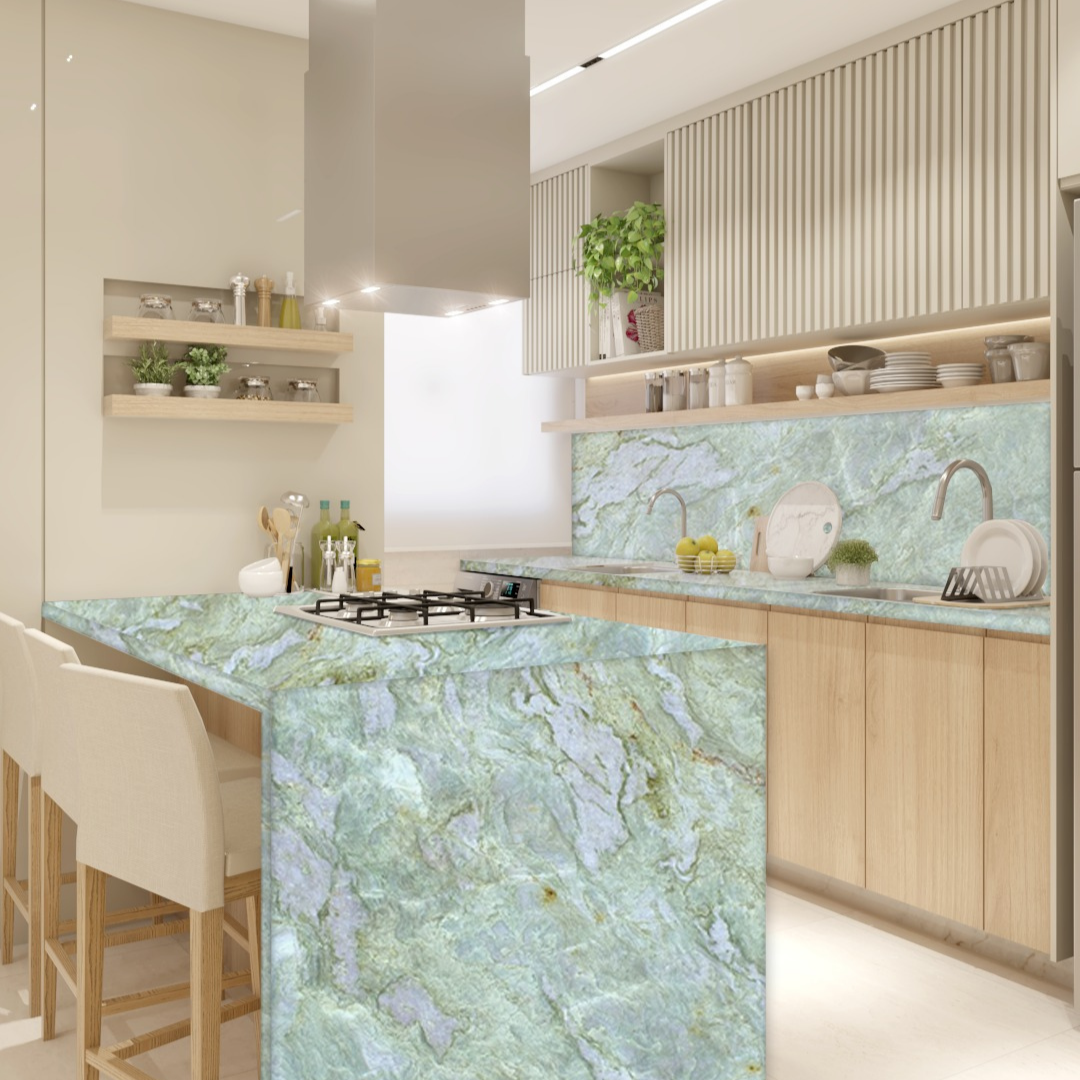
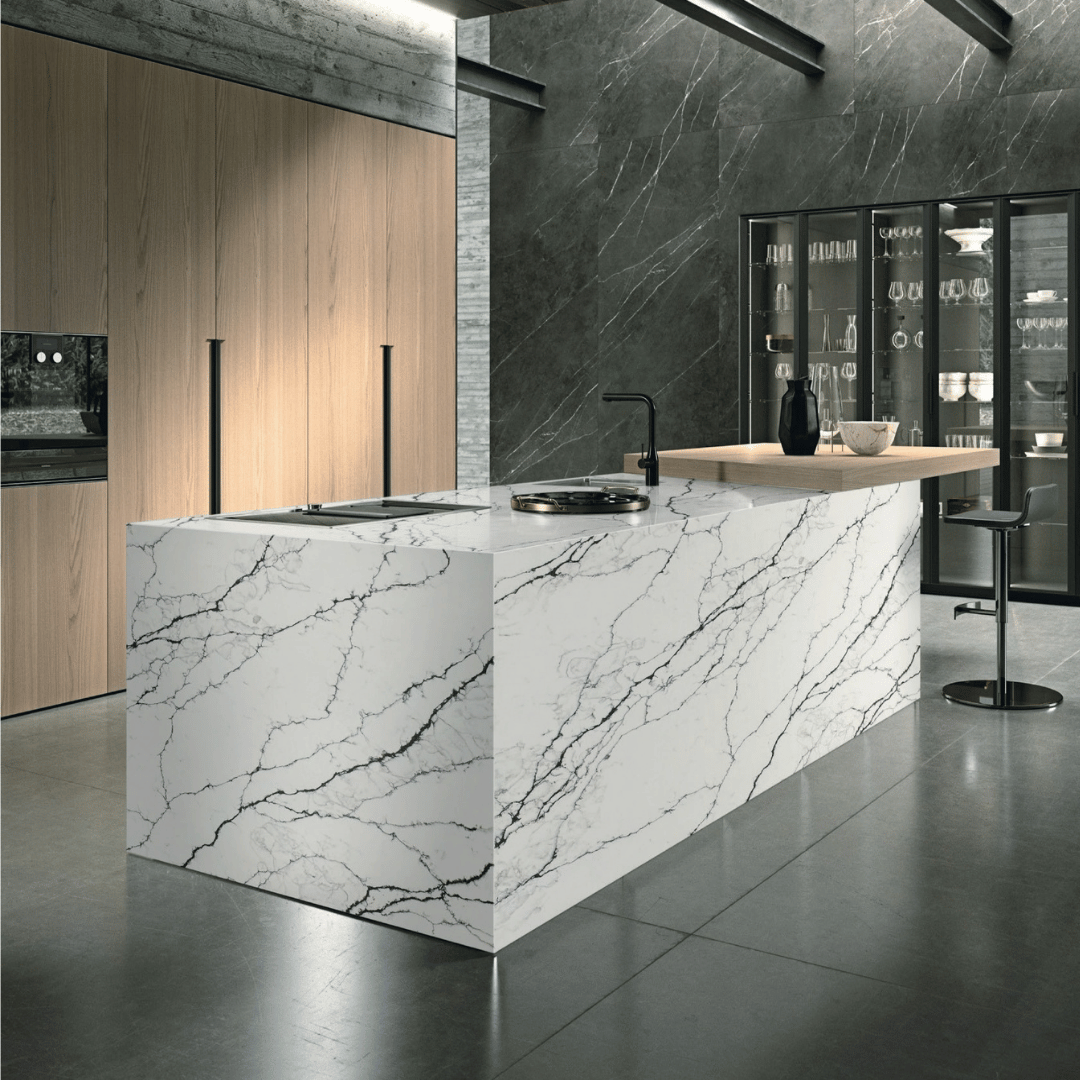
- Quartz: An engineered stone, quartz countertops are highly durable and non-porous, making them resistant to stains and bacteria. They are available in a wide range of colors and patterns, allowing for versatile design options.
- Granite: A natural stone, granite offers unique patterns and colors. It is heat and scratch-resistant, but it requires periodic sealing to maintain its durability and appearance.
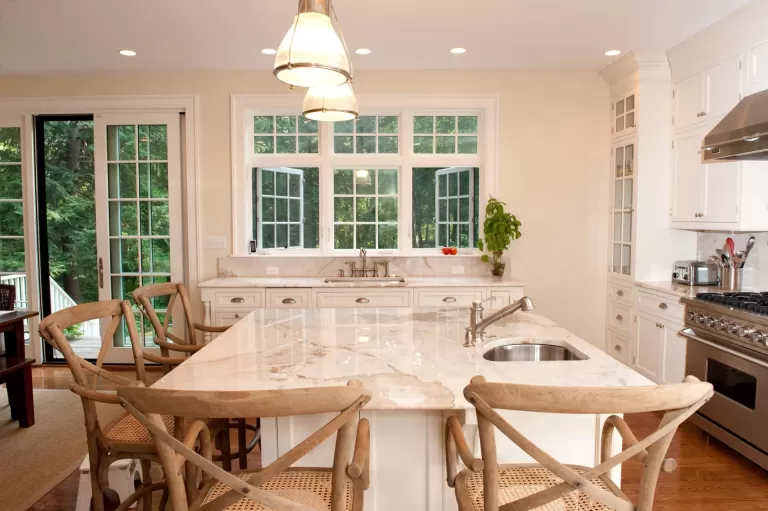
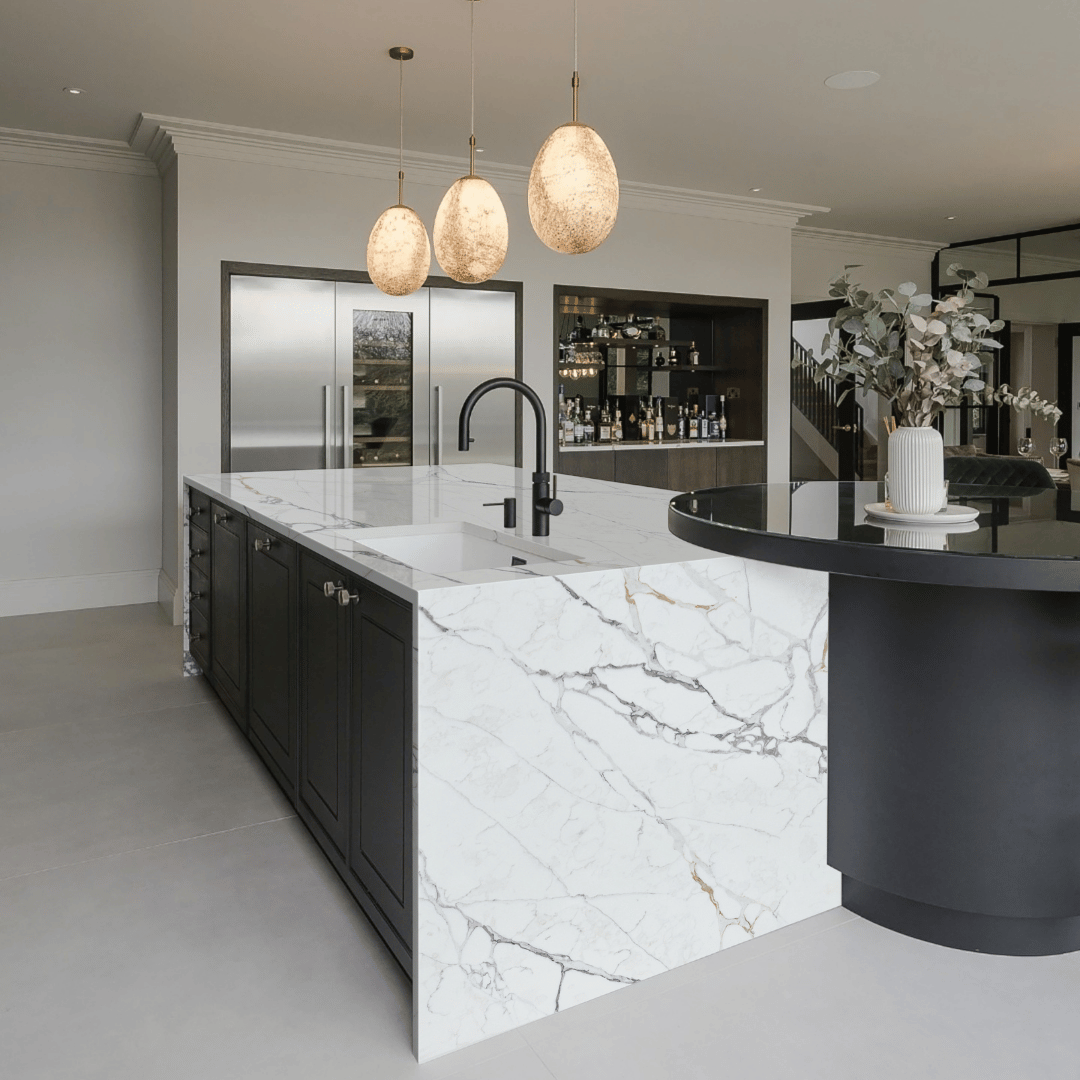
- Marble: Known for its luxury and elegance, marble is softer and more porous than granite, making it susceptible to scratches and stains. It’s ideal for low-traffic areas or as a decorative feature.
- Porcelain: Large format porcelain slabs are gaining popularity due to their high performance, scratch resistance, and versatility in design. They can mimic the look of natural stone while providing superior durability.
- Wood: Wooden countertops can add warmth and character to your kitchen. However, they require regular maintenance to prevent damage from water and heat.
The Impact of Material on Daily Function
When it comes to daily function, the choice of countertop material can influence cooking efficiency, maintenance, and even safety. Here are key factors to consider:
Durability and Maintenance
Countertops endure a lot of wear and tear. The durability of your chosen material will dictate how well it withstands daily use. For instance, quartz and porcelain slabs offer high resistance to scratches, heat, and stains, making them ideal for busy kitchens. In contrast, softer materials like marble may require more care and attention, as they can scratch and stain more easily.
Heat Resistance
Cooking often involves the use of hot pots and pans. Materials like granite and porcelain can handle high temperatures without damage, while wood and certain types of laminate may warp or discolor. Choosing a heat-resistant material ensures that your countertop can withstand the rigors of daily cooking.
Hygiene and Cleanliness
Countertops need to be sanitary, especially in food preparation areas. Non-porous materials like quartz and porcelain do not harbor bacteria and are easy to clean, making them favorable choices for health-conscious homeowners. In contrast, porous materials like marble require regular sealing to prevent bacteria buildup.
Long-Term Satisfaction: What to Consider
Long-term satisfaction with your countertop material goes beyond its immediate functionality. Consider the following aspects:
Aesthetic Appeal
The appearance of your countertops plays a significant role in the overall design of your kitchen. Choose a material that complements your cabinetry, flooring, and overall design theme. For example, if you’re aiming for a modern look, sleek quartz or polished porcelain might be ideal. On the other hand, if you prefer a rustic feel, consider natural wood or granite.
Resale Value
Investing in high-quality countertop materials can enhance your home’s resale value. Potential buyers often look for kitchens with premium finishes. Materials like quartz and granite are particularly appealing due to their durability and aesthetic appeal.
Cost Considerations
Your budget will inevitably influence your choice of countertop material. While natural stones like granite and marble can be more expensive, engineered materials like quartz may offer a more cost-effective solution without compromising quality. It’s essential to weigh the initial investment against the long-term benefits.
Comparative Analysis of Popular Countertop Materials
To help you visualize the differences between various countertop materials, we have created a comparison table:
| Material | Durability | Maintenance | Cost | Heat Resistance | Hygiene |
|---|---|---|---|---|---|
| Quartz | High | Low (easy to clean) | $$$ | Excellent | Non-porous |
| Granite | High | Moderate (requires sealing) | $$$ | Excellent | Porous (needs sealing) |
| Marble | Moderate | High (requires sealing) | $$$ | Good | Porous (needs sealing) |
| Porcelain | High | Low (easy to clean) | $$ | Excellent | Non-porous |
| Wood | Moderate | High (requires regular oiling) | $$ | Poor | Porous (needs sealing) |
Expert Tips for Choosing the Right Material
Choosing the right kitchen countertop slab material can seem overwhelming, but these expert tips can guide you:
- Evaluate Your Lifestyle: Consider how often you cook, the types of meals you prepare, and how much maintenance you’re willing to commit to.
- Consider the Entire Kitchen Design: Your countertop should harmonize with your cabinets, flooring, and appliances, contributing to a cohesive aesthetic.
- Test Samples: Visit a showroom, like our Norcross showroom, to see and feel samples. This can help you visualize how the material will look in your kitchen.
- Consult Professionals: Don’t hesitate to reach out to interior designers or stone specialists who can provide insights tailored to your specific needs.
- Think About Future Trends: Research current design trends to select a material that will remain stylish and functional over the years.
FAQs
1. What is the best material for kitchen countertops?
The best material depends on your specific needs. Quartz and porcelain are popular for their durability and low maintenance, while granite offers natural beauty.
2. How do I maintain my kitchen countertops?
Maintenance varies by material. Quartz and porcelain require simple cleaning with soap and water, while granite and marble need periodic sealing.
3. Can I use hot pots on my countertops?
Materials like granite and porcelain can withstand hot pots, but it’s best to use trivets to protect all surfaces from potential damage.
4. How do I choose a color for my countertops?
Consider your kitchen’s color scheme and the overall aesthetic you want to achieve. Neutral colors often provide versatility, while bold colors can make a statement.
5. Are there eco-friendly countertop options?
Yes, materials like recycled glass, bamboo, and certain types of quartz can be eco-friendly options for environmentally conscious homeowners.
6. What are the costs associated with different countertop materials?
Costs vary widely. Generally, quartz and granite range from $50 to $200 per square foot, while porcelain tends to be more affordable.
7. How long do kitchen countertops last?
With proper care, countertops can last anywhere from 10 to 50 years, depending on the material.
8. Can I install countertops myself?
While some homeowners choose to DIY, professional installation is recommended for heavy materials like granite and quartz to ensure proper handling and fitting.
9. What is the most durable countertop material?
Quartz and porcelain are known for their durability, while granite also offers significant strength against scratches and heat.
10. How do I remove stains from my countertops?
Stain removal techniques vary by material. For quartz, a mixture of baking soda and water can be effective, while granite may need specialized cleaners.
11. Is it safe to cut directly on my countertops?
It is not recommended to cut directly on any countertop surface, as it can cause scratches. Always use a cutting board.
12. How can I make my countertops last longer?
Regular cleaning, avoiding harsh chemicals, and using cutting boards or trivets can help prolong the life of your countertops.
Conclusion
Your choice of kitchen countertop slab material is critical to both daily functionality and long-term satisfaction. By understanding the various materials available, their pros and cons, and considering your lifestyle, you can make an informed decision that enhances your kitchen experience. For premium quality quartz, porcelain, and natural stone slabs, visit our Norcross showroom or check our live inventory to explore your options.