The Complete Guide to Outdoor Kitchen Slab Material Selection for Climate Resistance
The Complete Guide to Outdoor Kitchen Slab Material Selection for Climate Resistance
Creating the ultimate outdoor kitchen involves careful consideration of various elements, one of the most critical being the selection of slab materials. The right choice not only enhances the aesthetic appeal but also ensures durability and climate resistance. This comprehensive guide will walk you through the essential factors to consider when selecting outdoor kitchen slab materials, focusing on their ability to withstand different weather conditions. Whether you reside in the humid Southeast or the arid Southwest, understanding how different materials perform in various climates is crucial for achieving a long-lasting outdoor kitchen. In this guide, we will explore the best options available, including quartz, porcelain, and natural stone, and how they can elevate your outdoor culinary experience.
Understanding Climate Impact on Outdoor Kitchens
The climate in which your outdoor kitchen is located significantly affects the performance and longevity of the materials used. Factors such as temperature fluctuations, humidity levels, and precipitation can lead to wear and tear, making it essential to choose resistant materials. For instance, areas with high humidity, like parts of Georgia and Florida, require materials that can resist moisture and mold growth. On the other hand, regions with extreme heat conditions need slabs that can withstand high temperatures without warping or cracking.
Top Outdoor Kitchen Slab Materials
When it comes to outdoor kitchens, several slab materials are popular due to their durability and aesthetic appeal. Here are the top contenders:
1. Quartz
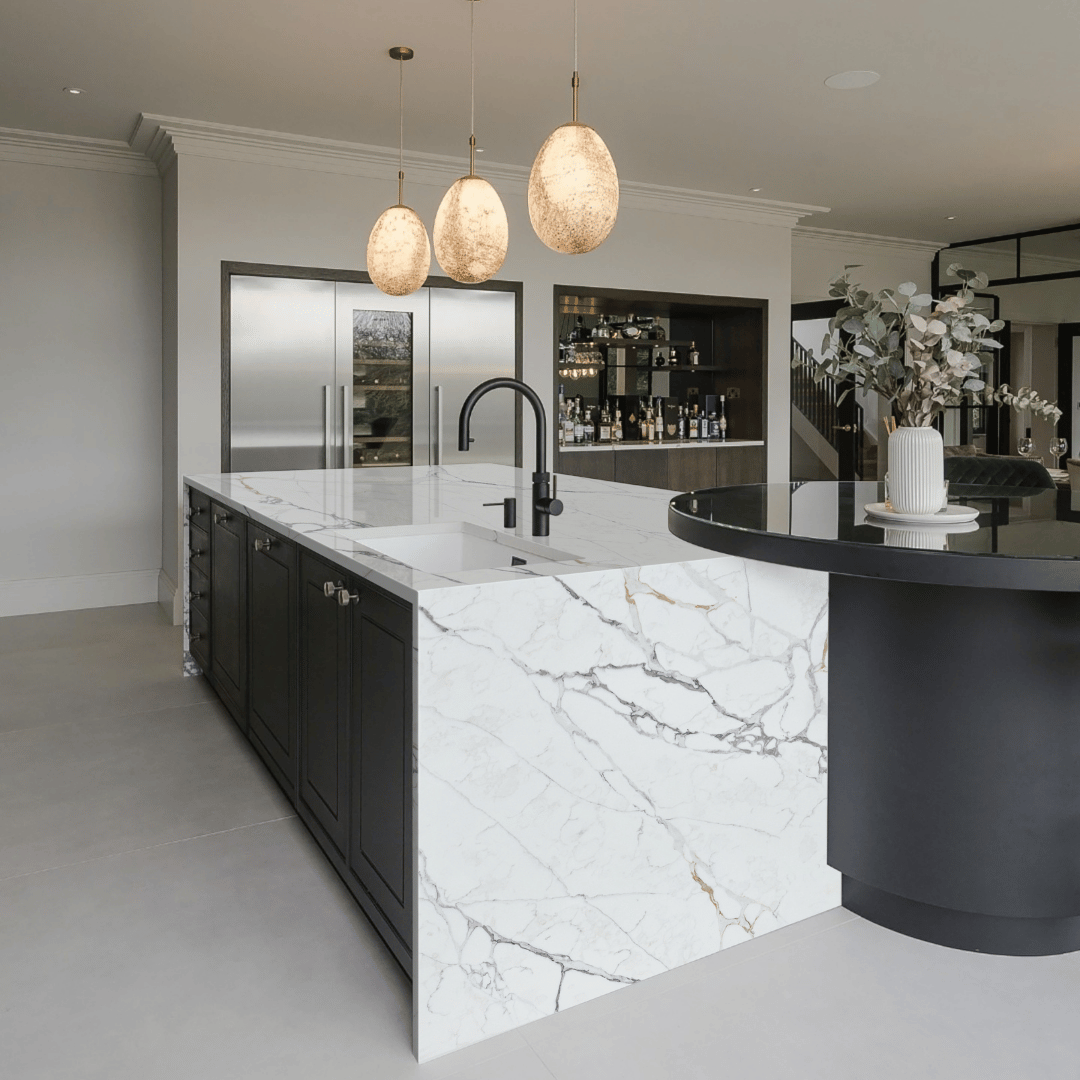
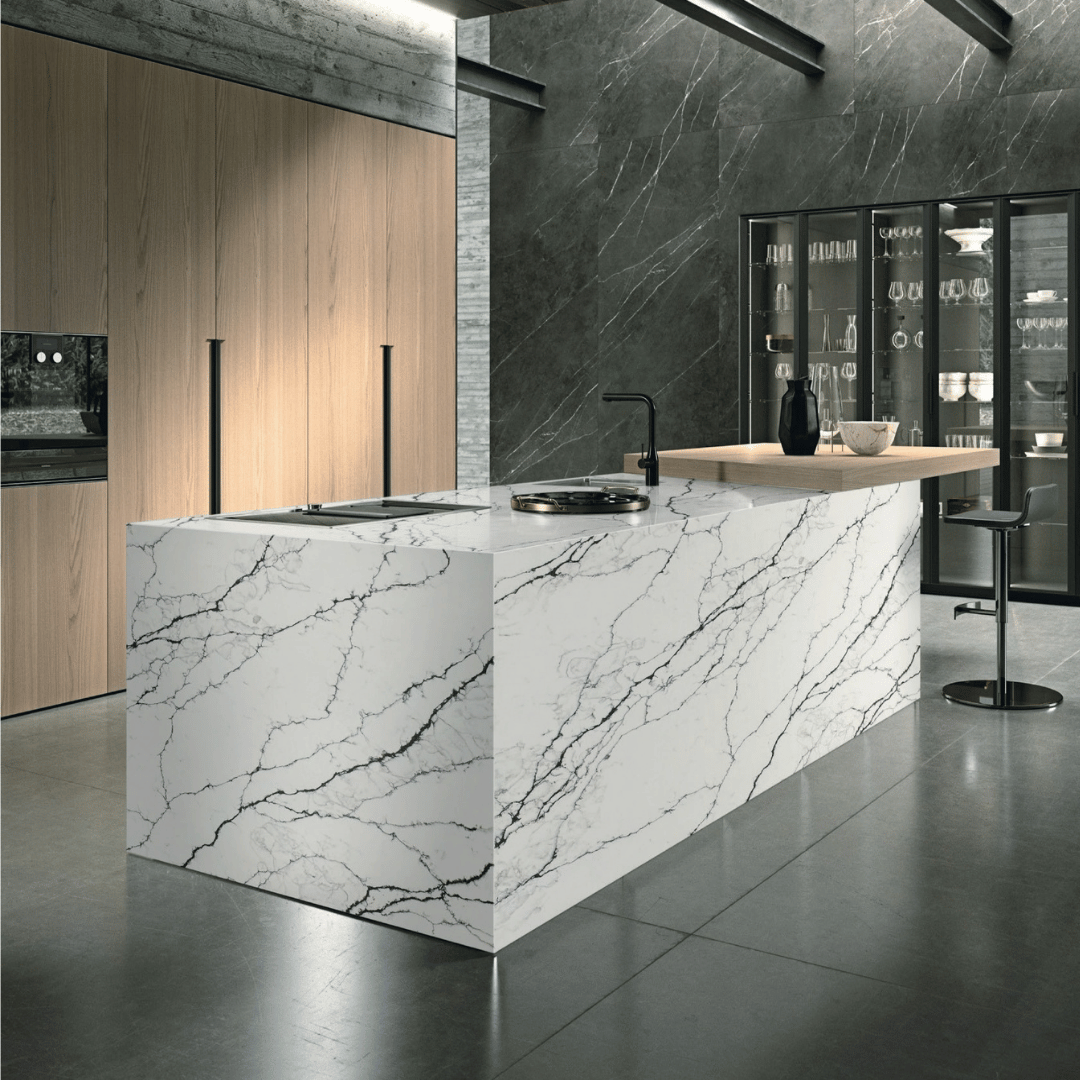
Quartz slabs, especially HD quartz surfaces, are engineered to provide a blend of beauty and resilience. They are non-porous, making them resistant to moisture and stains, which is particularly beneficial in humid climates. Additionally, they come in a variety of colors and patterns, allowing for design flexibility.
2. Porcelain
Porcelain slabs are another excellent choice for outdoor kitchens. Known for their high performance, they are resistant to heat, scratches, and stains. Large format porcelain slabs are especially popular for creating seamless countertops that enhance the visual appeal of outdoor spaces. Their durability in extreme weather conditions makes them a preferred option for many homeowners.
3. Natural Stone
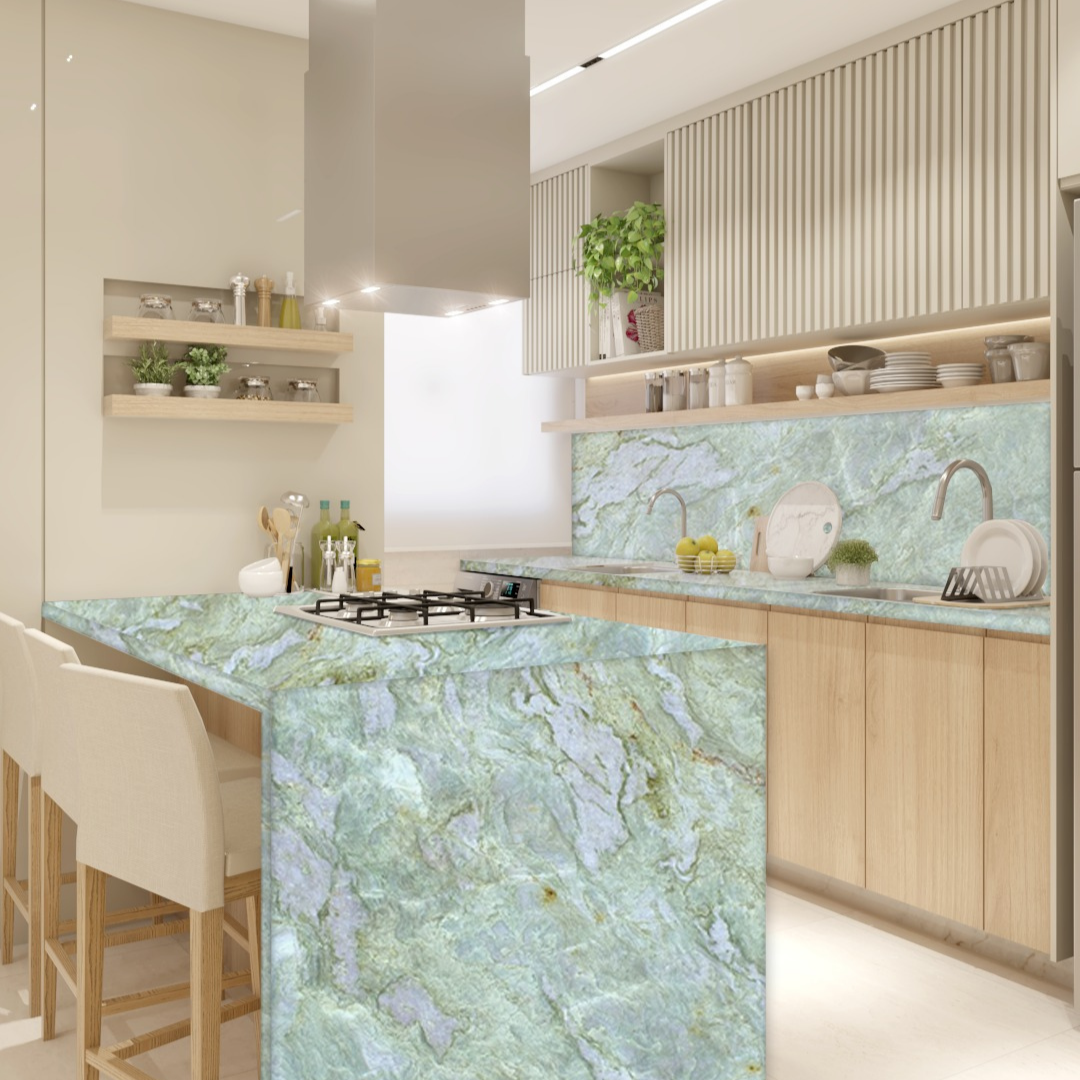
Natural stones like granite and quartzite offer unique beauty and strength. Granite, for instance, is highly favored for its resistance to heat and scratches, making it ideal for outdoor cooking surfaces. Quartzite, while also durable, provides a more elegant aesthetic with its stunning patterns. However, natural stones require regular sealing to maintain their appearance and performance.
4. Concrete
Concrete slabs are versatile and can be customized to fit any design. They are durable and can withstand various weather conditions. However, they can be prone to cracking if not installed properly, especially in regions with temperature fluctuations.
5. Solid Surface Materials
Solid surface materials can mimic the look of natural stone while providing a non-porous surface that is easy to maintain. Though generally more expensive, they offer excellent durability and design flexibility.
Comparing Material Performance by Climate
| Material | Humidity Resistance | Heat Resistance | Maintenance Needs |
|---|---|---|---|
| Quartz | High | Moderate | Low |
| Porcelain | High | High | Low |
| Granite | Moderate | High | Moderate |
| Quartzite | Moderate | High | High |
| Concrete | Moderate | Moderate | High |
| Solid Surface | High | Moderate | Low |
The table above summarizes the performance of various outdoor kitchen slab materials based on their resistance to humidity and heat, as well as their maintenance needs. As you can see, porcelain and solid surface materials excel in humidity resistance, making them suitable for humid climates.
Expert Tips for Material Selection
Here are additional tips to guide your selection process:
- Evaluate Your Cooking Style: If you plan to cook frequently outdoors, prioritize materials that can withstand high temperatures and are easy to clean.
- Consider Aesthetics: Choose colors and patterns that complement your home’s architecture and outdoor decor.
- Think About Longevity: Invest in high-performance materials that will last, even in challenging weather conditions.
- Ask About Sealing: For natural stone options, inquire about sealing requirements to maintain their appearance and performance.
- Explore Finishes: Matte finishes can hide fingerprints and stains better than polished surfaces, which may be a consideration for outdoor kitchens.
Maintenance and Care for Outdoor Slabs
Proper maintenance is key to ensuring the longevity of your outdoor kitchen slabs. Here are some general maintenance tips for various materials:
Quartz and Solid Surface Materials
These materials are relatively low-maintenance. Regular cleaning with mild soap and water is usually sufficient. Avoid harsh chemicals that can damage the surface.
Porcelain
Porcelain requires minimal maintenance; however, it’s advisable to clean spills immediately to prevent staining. A soft cloth and mild detergent will keep it looking pristine.
Natural Stone
Natural stones like granite and quartzite should be sealed regularly, typically every 1-3 years, to prevent staining and maintain their appearance. Clean with pH-neutral cleaners to avoid damaging the sealant.
Concrete
Concrete surfaces should be sealed to protect against moisture and staining. Regular cleaning and resealing as needed will help maintain its integrity.
Conclusion
Choosing the right slab material for your outdoor kitchen is crucial for ensuring its durability and performance in varying climates. Whether you opt for quartz, porcelain, or natural stone, understanding the unique characteristics of each material will help you make an informed decision. For premium quality slabs tailored to your outdoor kitchen needs, visit our Norcross showroom or check our live inventory. Our surface specialists are here to assist you in selecting the perfect material that aligns with your design vision and functional requirements.
FAQs
1. What is the most durable material for outdoor kitchens?
Porcelain is considered one of the most durable materials for outdoor kitchens due to its high resistance to heat, moisture, and scratches.
2. How do I maintain my outdoor kitchen slabs?
Maintenance varies by material; however, regular cleaning with mild soap and water is a good practice for most surfaces. Natural stones may require periodic sealing.
3. Can I use indoor materials for outdoor kitchens?
It’s not advisable to use indoor materials for outdoor kitchens, as they may not withstand the outdoor elements and could lead to premature wear.
4. How often should I seal natural stone slabs?
Natural stone slabs should typically be sealed every 1-3 years, depending on usage and exposure to the elements.
5. Are there eco-friendly options for outdoor kitchen materials?
Yes, there are eco-friendly options available, including recycled materials and sustainably sourced natural stones.
6. What are the benefits of using quartz for outdoor kitchens?
Quartz slabs are non-porous, resistant to stains, and available in a wide range of colors and patterns, making them a versatile choice for outdoor kitchens.
7. How do temperature fluctuations affect outdoor slabs?
Temperature fluctuations can lead to cracking or warping in some materials. Choosing materials designed for outdoor use can mitigate these risks.
8. What is the price range for outdoor kitchen slabs?
Prices can vary widely based on material and quality, ranging from $50 to $200 per square foot. Consulting with a local supplier can provide more accurate estimates.