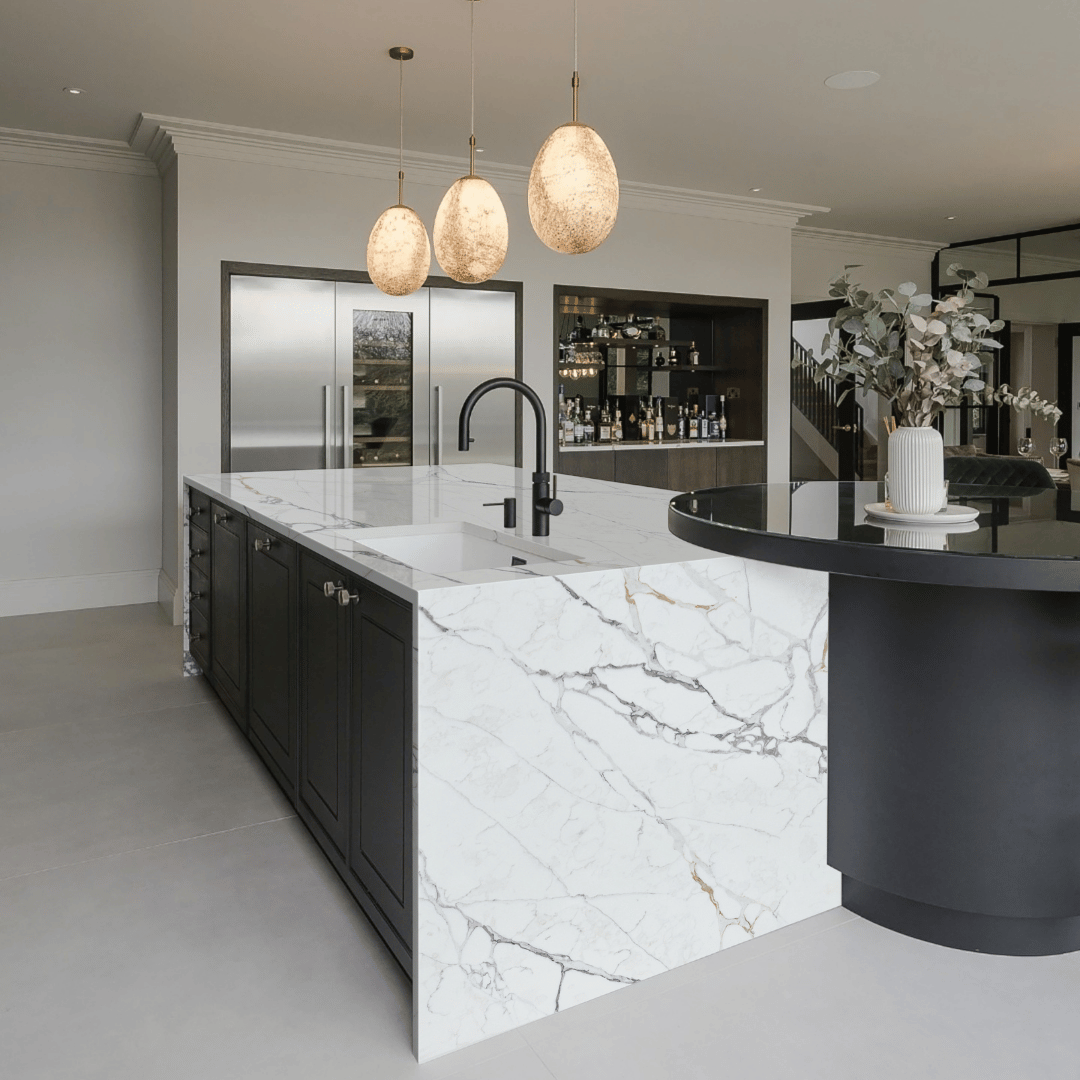
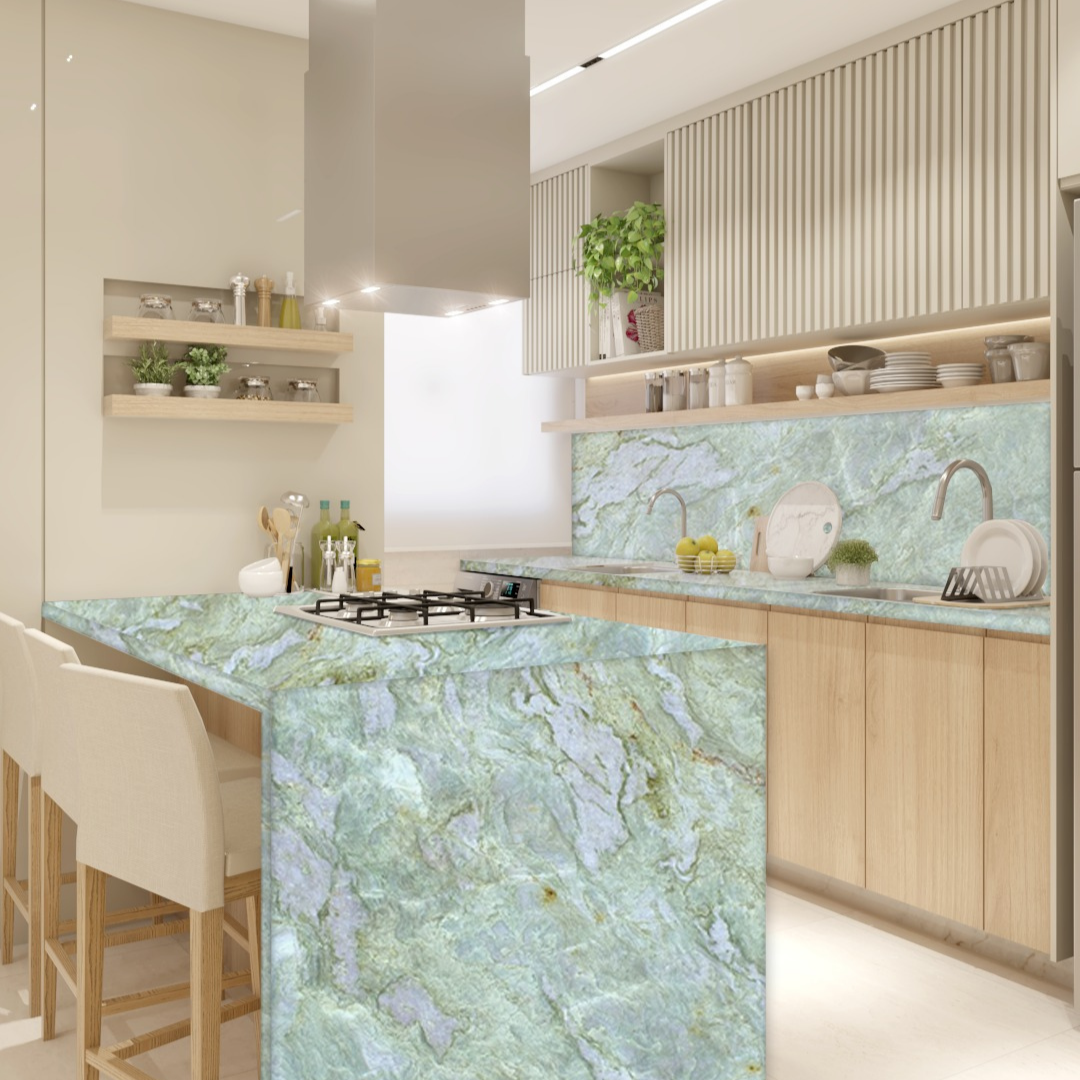
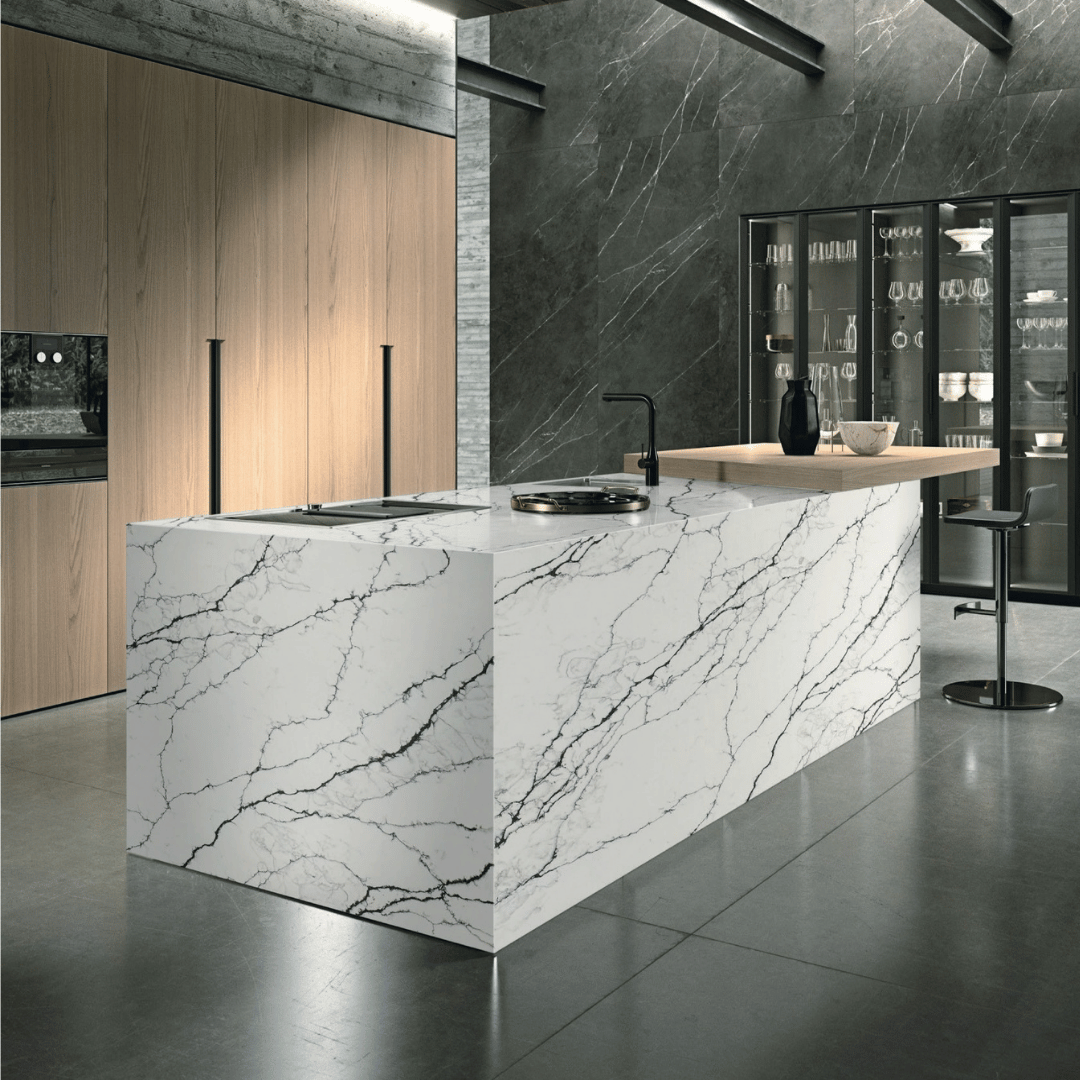
How Slab Shower Wall Applications Create Seamless, Grout-Free Bathroom Environments
How Slab Shower Wall Applications Create Seamless, Grout-Free Bathroom Environments
In the realm of modern bathroom design, the quest for cleanliness, elegance, and functionality has led to the rise of slab shower wall applications. This innovative approach to shower design not only enhances the aesthetic appeal of the bathroom but also solves common issues associated with traditional tile installations, such as grout lines that trap dirt and moisture. In this comprehensive guide, we will explore how slab shower wall applications can transform your bathroom into a seamless, grout-free sanctuary. From the materials used to installation techniques and maintenance tips, this article will provide you with all the information necessary to make an informed decision about your next bathroom renovation project.
1. Understanding Slab Shower Wall Applications
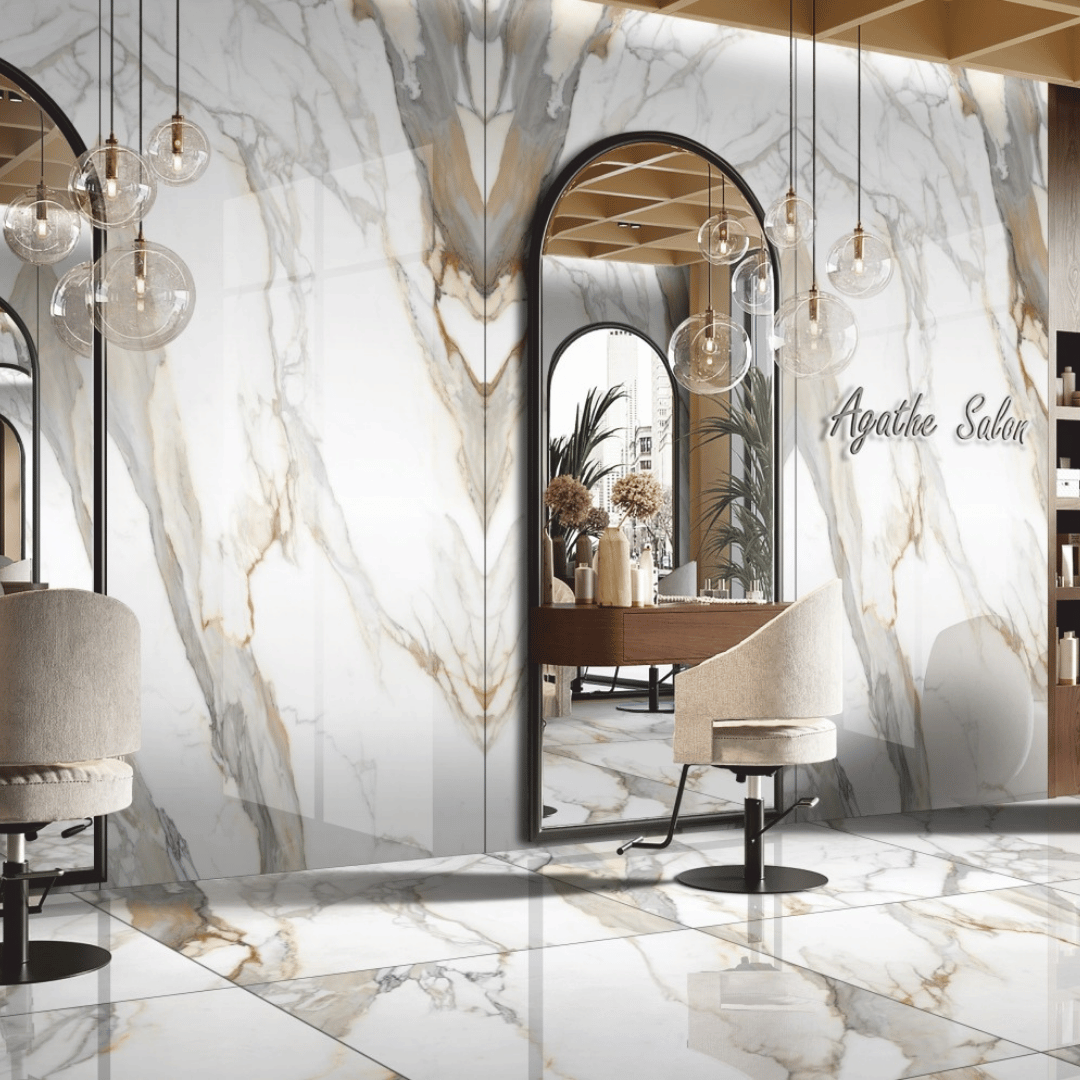
Slab shower wall applications involve the use of large, solid panels of stone, quartz, or porcelain to create a continuous surface in the shower area. Unlike traditional tile installations, which require grout lines between each tile, slab walls provide a smooth, uninterrupted surface that enhances both the visual appeal and functional performance of the shower. These slabs are available in various finishes and colors, allowing homeowners and designers to create a customized look that complements the overall design of the bathroom.
2. Benefits of Seamless, Grout-Free Shower Walls
Choosing slab shower walls offers several advantages over traditional tiled walls:
- Reduced Maintenance: The absence of grout lines means less maintenance, as there are fewer areas for mold and mildew to accumulate. This makes cleaning a breeze, requiring only a simple wipe-down with a mild cleaner.
- Enhanced Aesthetics: Slab walls provide a sleek, modern look that can elevate the overall design of the bathroom. The continuous surface creates an illusion of space and can make smaller bathrooms feel larger and more open.
- Improved Durability: Slab materials are often more durable than traditional tiles, resisting chips, cracks, and stains. This means a longer lifespan and better performance in high-moisture environments.
- Water Resistance: The seamless nature of slab walls significantly reduces the risk of water penetration, which can lead to structural issues over time. This is especially important in shower areas where water exposure is constant.
- Design Flexibility: With a variety of materials and colors available, slab shower walls can be tailored to fit any design aesthetic, from minimalist to luxurious.
3. Materials Used in Slab Shower Walls
When selecting materials for slab shower walls, it’s essential to consider durability, maintenance, and aesthetic preferences. Common materials include:
- Quartz: Engineered quartz slabs are non-porous and highly resistant to stains and scratches, making them an excellent choice for bathrooms. They come in a wide array of colors and patterns, allowing for creative design.
- Porcelain: Large format porcelain slabs are known for their strength and versatility. They can mimic the appearance of natural stone while offering exceptional durability and ease of maintenance.
- Natural Stone: Options such as marble, granite, and quartzite provide a timeless, luxurious look. While they may require more maintenance than engineered materials, they offer unique patterns and colors that can enhance any bathroom design.
4. Installation Process for Slab Shower Walls
The installation of slab shower walls requires careful planning and execution. Here’s a step-by-step guide to the process:
- Preparation: Begin by measuring the shower area accurately. Ensure the walls are clean, dry, and structurally sound. Remove any existing tiles or wall coverings as necessary.
- Choosing the Right Slab: Select the material and finish that best suits your design vision and functional needs. Visit a trusted slab supplier, such as Builder Stone Global, to view live inventory and make an informed choice.
- Cutting the Slabs: Professional installers will cut the slabs to fit the dimensions of the shower area. Precision is crucial here to ensure a perfect fit.
- Adhesive Application: Use a high-quality adhesive specifically designed for the chosen material. Apply the adhesive to the wall surface and the back of the slab.
- Positioning the Slabs: Carefully position the slabs on the wall, ensuring they are level and aligned. Use spacers if necessary to maintain even gaps.
- Sealing Edges: Once the slabs are in place, seal the edges with a waterproof sealant to prevent water infiltration.
- Finishing Touches: After the adhesive has cured, apply any additional trim or finishing elements to complete the look.
5. Maintenance Tips for Slab Shower Walls
To keep your slab shower walls looking pristine, follow these maintenance tips:
- Regular Cleaning: Wipe down the walls after each use with a soft cloth and a mild, pH-balanced cleaner. Avoid abrasive cleaners that can scratch the surface.
- Seal Natural Stone: If using natural stone slabs, be sure to apply a sealant periodically to protect against stains and moisture absorption.
- Address Stains Promptly: In case of spills or stains, address them immediately to prevent permanent discoloration.
- Inspect for Damage: Regularly inspect the slabs for any signs of damage or wear, and address any issues promptly to ensure the longevity of the installation.
6. Comparing Slab Shower Walls to Traditional Tile
When considering bathroom renovations, it’s essential to weigh the pros and cons of slab shower walls against traditional tile installations. The following table highlights key differences:
| Feature | Slab Shower Walls | Traditional Tile |
|---|---|---|
| Installation Time | Faster due to fewer pieces | Longer due to multiple tiles and grout |
| Maintenance | Low maintenance, no grout | Higher maintenance, grout cleaning required |
| Aesthetic Appeal | Modern, seamless look | Varied patterns, may appear busier |
| Durability | Highly durable, resistant to cracking | Can chip or crack, grout can deteriorate |
| Water Resistance | Excellent, seamless barrier | Variable, depends on grout quality |
7. Expert Insights and Design Tips
To maximize the benefits of slab shower walls in your bathroom design, consider these expert insights:
- Choose Light Colors: Lighter slabs can help make a small bathroom feel larger and more open.
- Incorporate Lighting: Strategic lighting can enhance the beauty of the slabs and highlight their unique patterns.
- Use Complementary Materials: Pair slab walls with matching or complementary materials for flooring and fixtures to create a cohesive design.
- Consult Professionals: Work with experienced designers and installers to ensure a flawless execution of your vision.
8. Frequently Asked Questions
What are slab shower walls?
Slab shower walls are large panels of materials like quartz, porcelain, or natural stone used to create a seamless shower surface without grout lines.
What are the benefits of using slab walls in showers?
Slab walls offer reduced maintenance, enhanced aesthetics, improved durability, better water resistance, and design flexibility compared to traditional tile walls.
How are slab shower walls installed?
Slab shower walls are installed by measuring and cutting the slabs to size, applying adhesive, positioning the slabs on the wall, and sealing the edges to prevent water infiltration.
What materials are best for slab shower walls?
Quartz, porcelain, and natural stone are popular choices for slab shower walls due to their durability, water resistance, and aesthetic appeal.
How do I maintain slab shower walls?
Maintain slab shower walls by regularly cleaning with a mild cleaner, sealing natural stone periodically, and addressing stains promptly.
Are slab shower walls more expensive than tiles?
While the initial cost of slab walls may be higher, the long-term savings in maintenance and durability often make them a more cost-effective option.
Can I use slab walls in a small bathroom?
What is the expected lifespan of slab shower walls?
Are there eco-friendly options for slab shower walls?
In conclusion, slab shower wall applications offer an innovative solution for creating seamless, grout-free bathroom environments that are both beautiful and functional. With their myriad benefits, including reduced maintenance and enhanced aesthetics, they are an excellent choice for any bathroom renovation project. For more information or to explore our range of premium slab materials, contact Builder Stone Global today!