

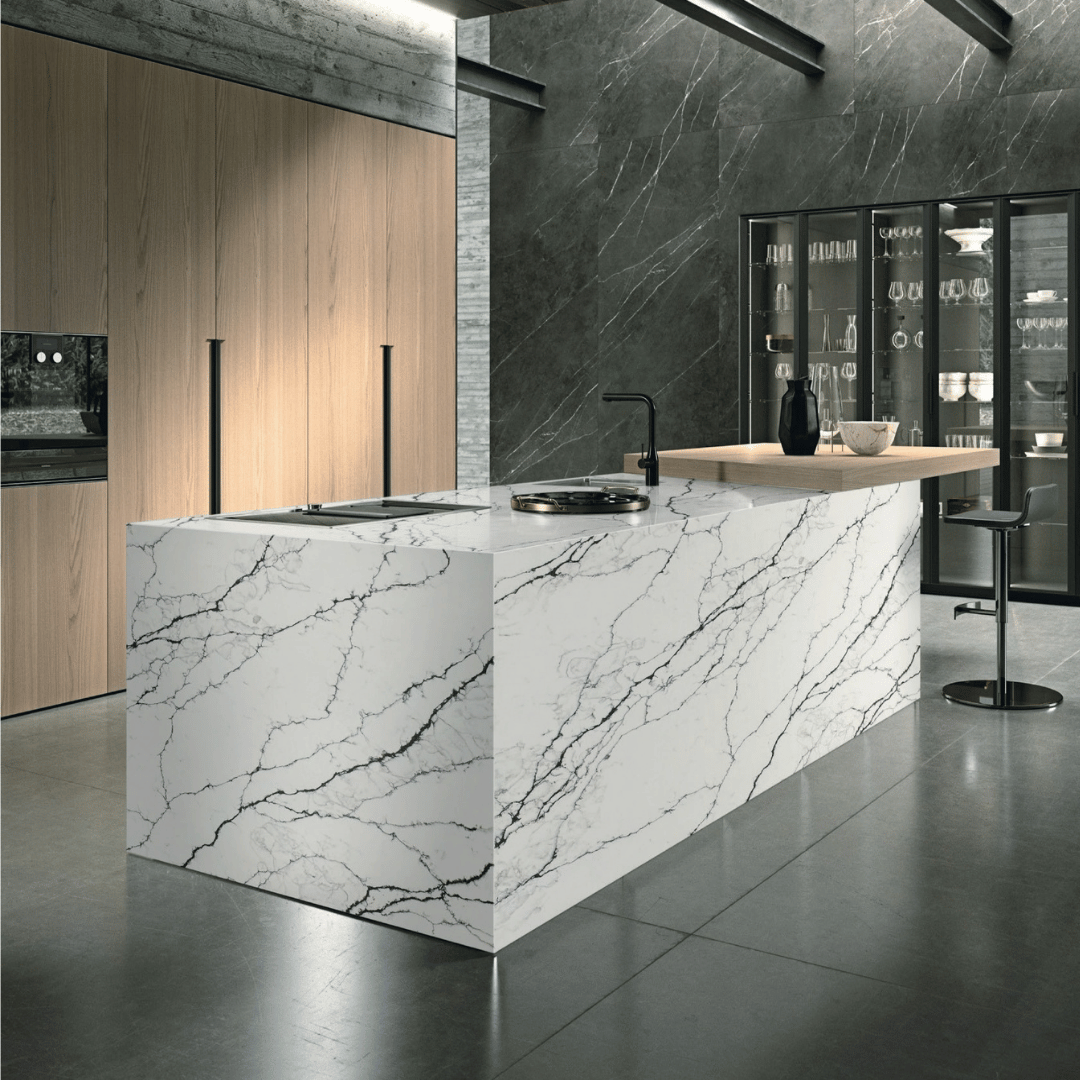
The Complete Guide to Slab Flexural Strength and Overhang Capabilities
The Complete Guide to Slab Flexural Strength and How It Affects Overhang Capabilities
Understanding slab flexural strength is crucial for architects, builders, and designers who aim to create safe and aesthetically pleasing structures. This comprehensive guide delves into the nuances of slab flexural strength, its implications for overhang capabilities, and practical applications in architectural design. By the end of this article, you will have a solid grasp of how flexural strength influences the performance of quartz, porcelain, and natural stone slabs, especially when considering overhangs in kitchen and bathroom designs.
What is Flexural Strength?
Flexural strength is defined as the ability of a material to resist deformation under load. It is a critical property for slab materials, particularly those used in countertops and architectural surfaces. For instance, when a force is applied to a slab, it experiences tension on one side and compression on the other. The flexural strength indicates how much load a slab can bear before it bends or fails. This property is especially significant in applications where slabs are extended beyond their support, as in overhangs.
The Importance of Flexural Strength in Slabs
In architectural design, flexural strength plays a vital role in ensuring safety and functionality. A slab with high flexural strength can support more weight without bending or breaking, making it ideal for various applications such as kitchen countertops, bathroom vanities, and even flooring.
For instance, quartz slabs, often favored for their durability and aesthetic appeal, exhibit impressive flexural strength, making them suitable for both residential and commercial applications. As a premium quartz slab distributor in Norcross, GA, Builder Stone Global ensures that our products meet stringent performance standards, providing architects and designers with reliable material options.
Factors Affecting Flexural Strength
Several factors influence the flexural strength of slabs, including:
- Material Composition: The type of material significantly impacts its flexural properties. Natural stones like granite and quartzite have high flexural strength, while some manufactured materials may vary.
- Thickness: Generally, thicker slabs exhibit higher flexural strength. For example, 3cm slabs are often recommended for applications requiring overhangs due to their superior strength compared to 2cm counterparts.
- Finish Type: The finish applied to a slab can also affect its performance. Polished surfaces may have different strength characteristics compared to honed or textured finishes.
- Environmental Factors: Conditions such as temperature and humidity can influence the material’s performance over time.
Understanding Overhang Capabilities
Overhangs are architectural features that extend beyond the supporting structure, creating a visually appealing design while providing functional benefits. However, they require careful consideration of flexural strength to ensure safety and stability.
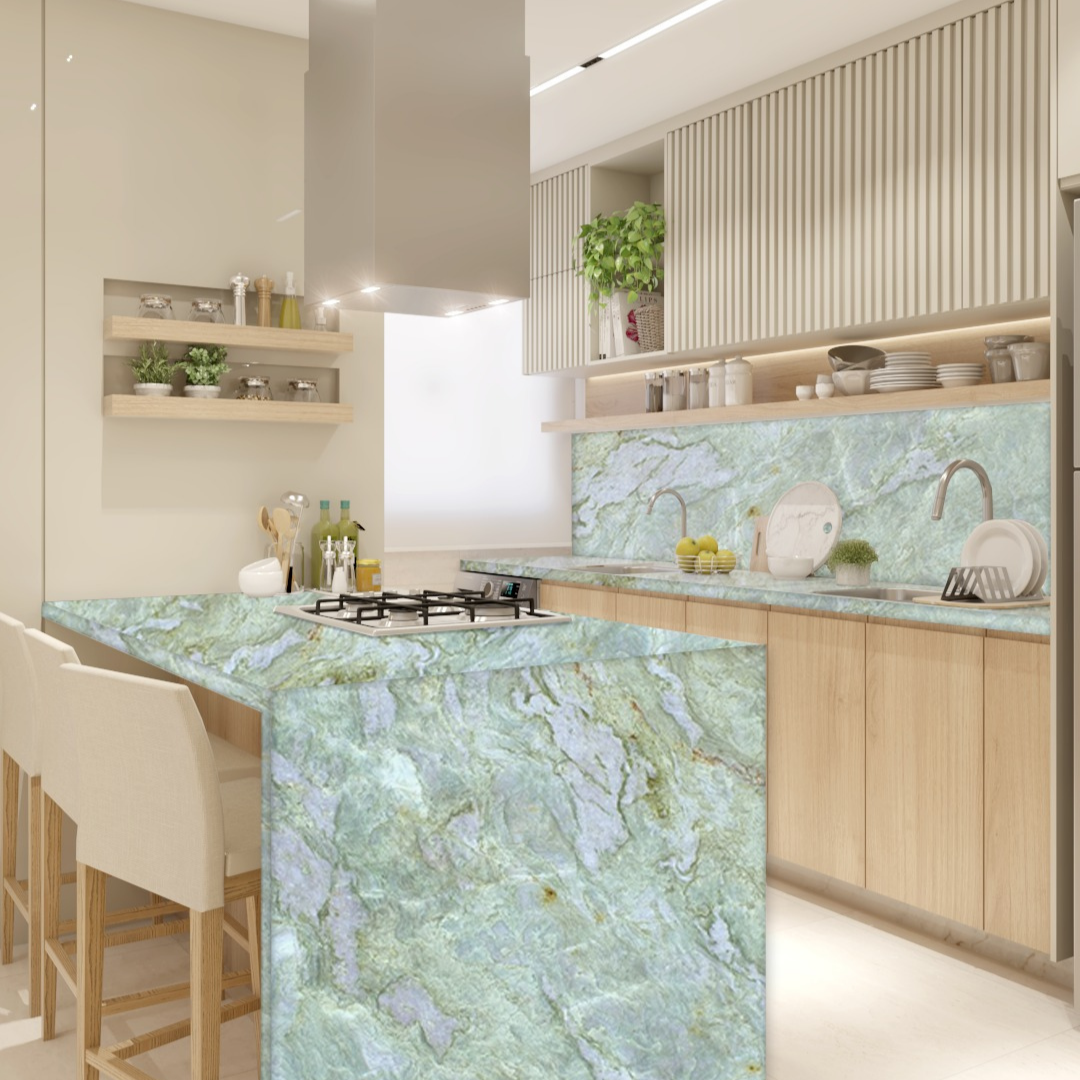
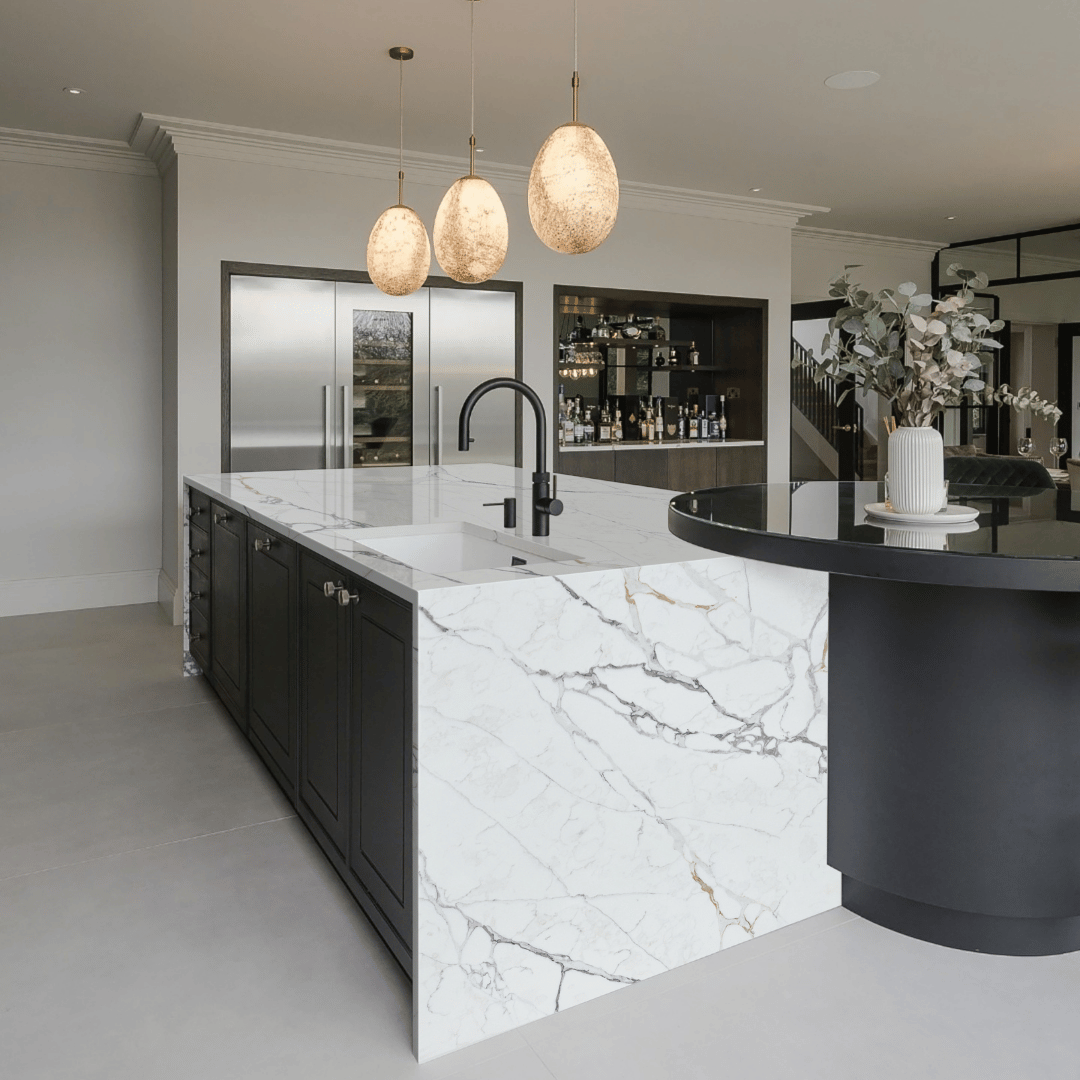
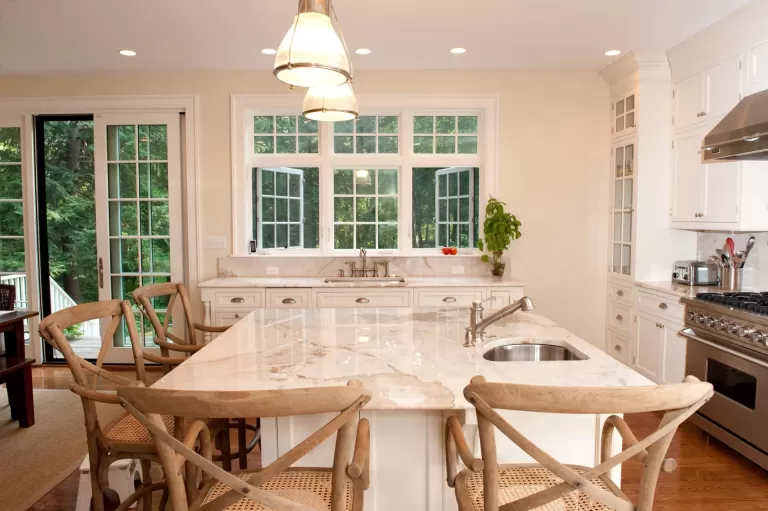
For example, in kitchen countertops, overhangs are common in island designs. A well-designed overhang allows for seating and enhances usability without compromising structural integrity. Typically, a 12-inch overhang is recommended for quartz and granite materials, but this can vary based on the slab’s flexural strength.
How to Calculate Flexural Strength
Flexural strength can be calculated using standardized tests, such as the three-point bending test. The formula is as follows:
| Parameter | Symbol | Unit |
|---|---|---|
| Maximum Load | P | Newtons (N) |
| Length of Span | L | Millimeters (mm) |
| Width of Specimen | b | Millimeters (mm) |
| Thickness of Specimen | d | Millimeters (mm) |
The flexural strength, σ, can be calculated using the formula:
σ = (3PL) / (2bd2)
Where:
- σ: Flexural strength (MPa)
- P: Maximum load applied before failure (N)
- L: Length of the support span (mm)
- b: Width of the specimen (mm)
- d: Thickness of the specimen (mm)
Designing with Overhangs: Best Practices
When designing overhangs in architectural surfaces, consider the following best practices:
- Choose the Right Material: Select materials with high flexural strength, such as quartz or granite, to ensure durability and safety.
- Consider Thickness: Opt for thicker slabs (3cm) when planning significant overhangs to minimize the risk of sagging or breaking.
- Support Structures: Incorporate support brackets or corbels for long overhangs to enhance stability.
- Consult Professionals: Collaborate with structural engineers to assess load capacities and design specifications.
Common Materials and Their Flexural Strengths
Here’s a comparison of common slab materials and their typical flexural strengths:
| Material | Flexural Strength (MPa) |
|---|---|
| Granite | 100-200 |
| Quartz | 70-150 |
| Porcelain | 50-120 |
| Quartzite | 120-250 |
This table illustrates the superiority of granite and quartzite in terms of flexural strength, making them prime choices for applications requiring extended overhangs.
Frequently Asked Questions
What is flexural strength?
Flexural strength is the ability of a material to withstand bending forces without breaking.
Why is flexural strength important in slab design?
It ensures that slabs can support the intended loads without bending or breaking, especially in overhang applications.
How can I calculate the flexural strength of a slab?
Flexural strength can be calculated using the three-point bending test and the provided formula.
What materials are best for overhangs?
Granite and quartz are highly recommended due to their high flexural strength.
What is the recommended overhang length for quartz slabs?
A 12-inch overhang is generally recommended, but it can vary based on the specific slab strength.
Can environmental factors affect slab performance?
Yes, temperature and humidity can influence the durability and flexural properties of slabs.
What thickness is ideal for overhangs?
3cm thick slabs are preferred for significant overhangs to reduce the risk of sagging.
How do I choose the right slab for my project?
Consider factors such as flexural strength, thickness, and finish type, and consult with professionals for guidance.
Where can I find premium slabs in Georgia?
Visit Builder Stone Global’s live inventory or contact us to explore our extensive selection of high-performance slabs.
What should I expect from a stone showroom visit?
Expect to see a variety of slabs, receive expert advice, and explore design possibilities tailored to your project.
How do I maintain my stone surfaces?
Regular cleaning and proper sealing are essential to maintain the beauty and durability of stone surfaces.
What are the latest trends in kitchen countertop colors?
Explore our insights on trending kitchen countertop colors for 2026.
Conclusion
In conclusion, understanding slab flexural strength is essential for any architectural project involving overhangs. By selecting the right materials and adhering to best practices, architects and designers can create stunning, functional spaces that stand the test of time. At Builder Stone Global, we are committed to providing premium quality slabs that meet the highest performance standards. For more information, call +1 470-551-2092 or visit our Norcross showroom today.