How Florida Coastal Projects Benefit from UV-Resistant and Salt-Air Durable Slab Materials
How Florida Coastal Projects Benefit from UV-Resistant and Salt-Air Durable Slab Materials
When embarking on construction projects along Florida’s stunning coastlines, it’s essential to consider materials that can withstand the unique environmental challenges posed by the region. Coastal projects in Florida face exposure to intense UV radiation and corrosive salt air, making the choice of materials critical. This is where UV-resistant and salt-air durable slab materials come into play. In this article, we will explore how these materials can enhance the longevity and aesthetic appeal of coastal architecture, backed by expert insights and real-world examples.
Understanding Coastal Environments
Florida’s coastal regions are characterized by a humid subtropical climate, which leads to high levels of UV radiation and salt-laden air. This unique combination can significantly impact construction materials. For example, studies conducted by the Florida State Parks indicate that structures near saltwater are more susceptible to accelerated weathering and degradation. Therefore, selecting materials that can withstand these conditions is essential for ensuring the durability and longevity of coastal projects.
The Importance of UV-Resistant Materials
UV radiation can cause significant damage to many building materials, leading to discoloration, brittleness, and structural weaknesses. UV-resistant materials are designed to withstand prolonged exposure to sunlight without deteriorating. This is particularly important in coastal areas where the sun’s rays are often intensified by the reflection off the water. According to the National Renewable Energy Laboratory, materials that can resist UV damage not only maintain their appearance but also enhance the overall energy efficiency of buildings by minimizing heat absorption.
Benefits of Salt-Air Durable Slabs
Salt air can be highly corrosive, particularly to metals, which can lead to structural failures if not properly managed. Salt-air durable slabs, such as those made from high-performance porcelain or quartzite, offer several advantages:
- Corrosion Resistance: Unlike traditional stone, many engineered slabs are designed to resist corrosion from salt air.
- Low Porosity: Materials with low porosity do not absorb saltwater, reducing the risk of damage.
- Long-Term Aesthetic Appeal: Salt-air durable slabs maintain their color and finish, ensuring that coastal projects retain their beauty over time.
Selecting the Right Materials for Your Project
Choosing the right slab materials for Florida coastal projects involves several considerations:
- Assess Environmental Conditions: Evaluate the specific conditions of the project site, including proximity to saltwater and exposure to sunlight.
- Consider Material Properties: Look for materials that are UV-resistant, low-porosity, and high-performance.
- Consult with Experts: Engage with surface specialists like Builder Stone Global to ensure you select the best options for your needs.
Top UV-Resistant and Salt-Air Durable Slab Options
Here are some of the leading slab materials ideal for Florida’s coastal projects:
| Material | UV Resistance | Salt-Air Durability | Best Applications |
|---|---|---|---|
| High-Performance Porcelain | Excellent | Excellent | Countertops, Facades |
| Quartzite | Good | Excellent | Countertops, Walls |
| Granite | Moderate | Good | Countertops, Flooring |
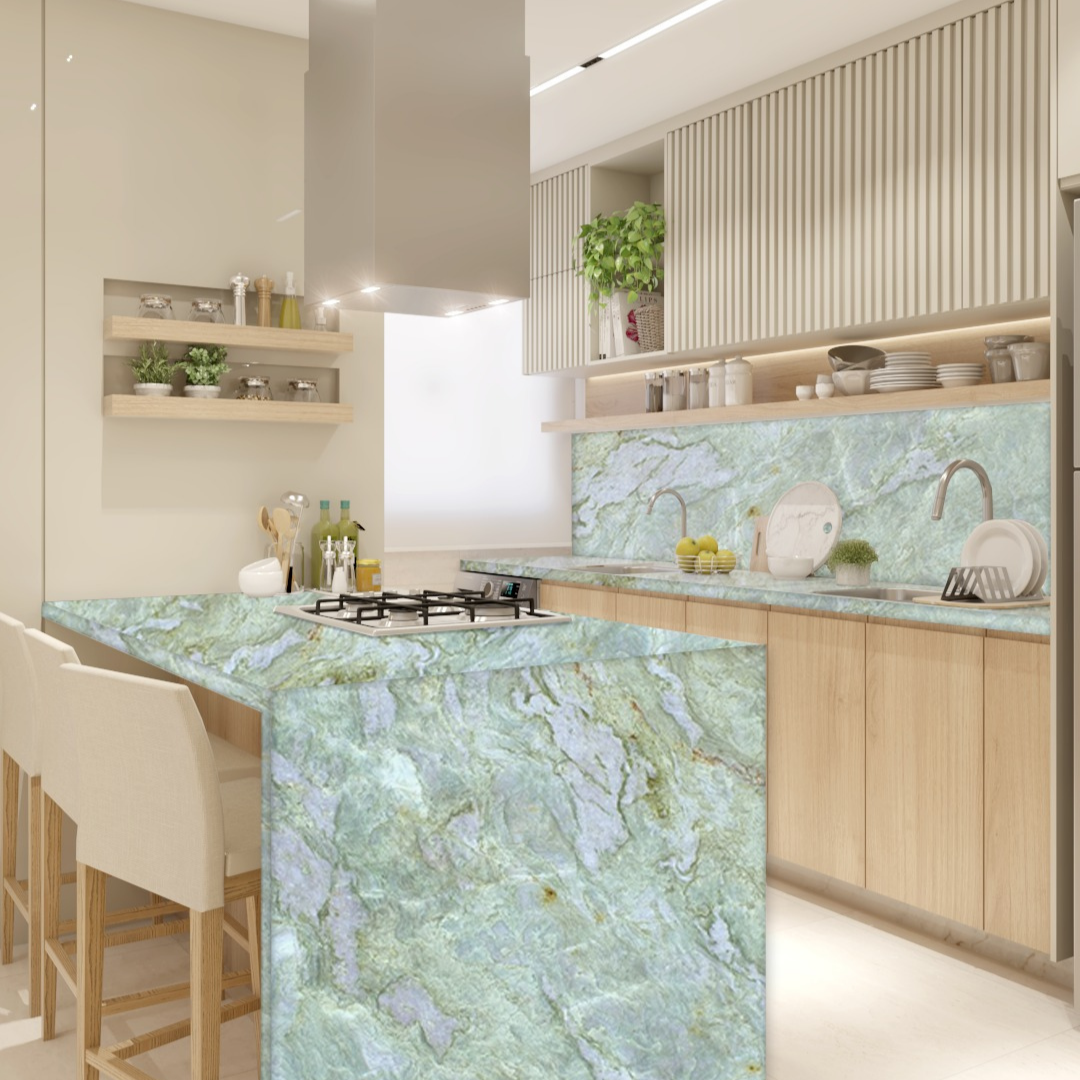
| HD Quartz Surfaces | Excellent | Good | Countertops, Backsplashes |
Maintaining Your Coastal Slab Surfaces
To ensure the longevity of your UV-resistant and salt-air durable slabs, proper maintenance is crucial. Here are some expert tips:
- Regular Cleaning: Use a soft cloth and mild detergent to clean surfaces, avoiding harsh chemicals that can degrade the material.
- Avoid Abrasive Tools: When cleaning, avoid scouring pads or abrasive cleaners that can scratch the surface.
- Seal When Necessary: Depending on the type of material, periodic sealing may be required to maintain performance.
Case Studies: Successful Coastal Projects
Several coastal projects in Florida have successfully utilized UV-resistant and salt-air durable slabs, showcasing their effectiveness:
1. Beachfront Resort in Miami
This resort utilized high-performance porcelain for its outdoor walkways, ensuring both durability and aesthetic appeal. The choice of material allowed the resort to maintain its stunning appearance despite the harsh coastal environment.
2. Luxury Oceanfront Homes in Naples
In Naples, luxury homes have incorporated quartzite countertops that not only resist salt air but also provide a sophisticated look. Homeowners report high satisfaction with the longevity and performance of these surfaces.
3. Coastal Commercial Complex in Jacksonville
A commercial complex in Jacksonville chose HD quartz surfaces for their low-maintenance properties and resistance to UV rays. This decision has resulted in reduced upkeep costs and a consistently appealing exterior.
Conclusion
Florida coastal projects demand materials that can withstand the unique environmental challenges of the region. UV-resistant and salt-air durable slab materials not only enhance the longevity and aesthetic appeal of structures but also contribute to overall energy efficiency and reduced maintenance costs. By selecting the right materials and ensuring proper upkeep, builders and homeowners can create beautiful, lasting coastal environments.
For more information on selecting premium quality slabs for your coastal projects, call +1 470-551-2092 to speak with our surface specialists or check our live inventory.
FAQs
1. What are UV-resistant slab materials?
UV-resistant slab materials are designed to withstand prolonged exposure to sunlight without degrading or losing their color.
2. Why are salt-air durable slabs important for coastal projects?
Salt-air durable slabs resist corrosion and weathering caused by saltwater, ensuring longevity and structural integrity.
3. How do I maintain my coastal slab surfaces?
Regular cleaning with mild detergent and avoiding abrasive tools can help maintain your slab surfaces.
4. What are the best materials for Florida coastal projects?
High-performance porcelain, quartzite, and HD quartz surfaces are all excellent choices for coastal environments.
5. How can I choose the right slab for my project?
Consider environmental conditions, material properties, and consult with experts to make informed decisions.
6. Are there warranties for UV-resistant materials?
Many manufacturers offer warranties for UV-resistant materials, providing assurance of their durability and performance.
7. What is the difference between quartz and quartzite?
Quartz is an engineered stone, while quartzite is a natural stone known for its durability and resistance to weathering.
8. How does UV exposure affect my building materials?
UV exposure can cause fading, brittleness, and structural weaknesses in materials that are not UV-resistant.