Why Augmented Reality Slab Visualization Is Transforming Material Selection
Why Augmented Reality Slab Visualization Is Transforming Material Selection
In the world of architectural design and interior decoration, the selection of surface materials plays a pivotal role in achieving the desired aesthetic and functionality. With the rise of technology, particularly augmented reality (AR), clients now have access to innovative tools that are revolutionizing how they choose materials. Augmented reality slab visualization is not just a trend; it’s a game-changer that enhances decision-making, reduces uncertainty, and ultimately leads to better design outcomes. In this article, we will explore how augmented reality is changing the landscape of surface material selection, particularly focusing on quartz, porcelain, and natural stone slabs. We will delve into its benefits, applications, and the future of this technology in the architectural space.
What is Augmented Reality?
Augmented reality (AR) is a technology that overlays digital information—such as images, sounds, and other data—onto the real world. Unlike virtual reality, which creates a completely immersive environment, AR enhances the user’s perception of reality by blending virtual elements with the real world. This technology has found applications in various fields, including gaming, education, healthcare, and, notably, architectural design.
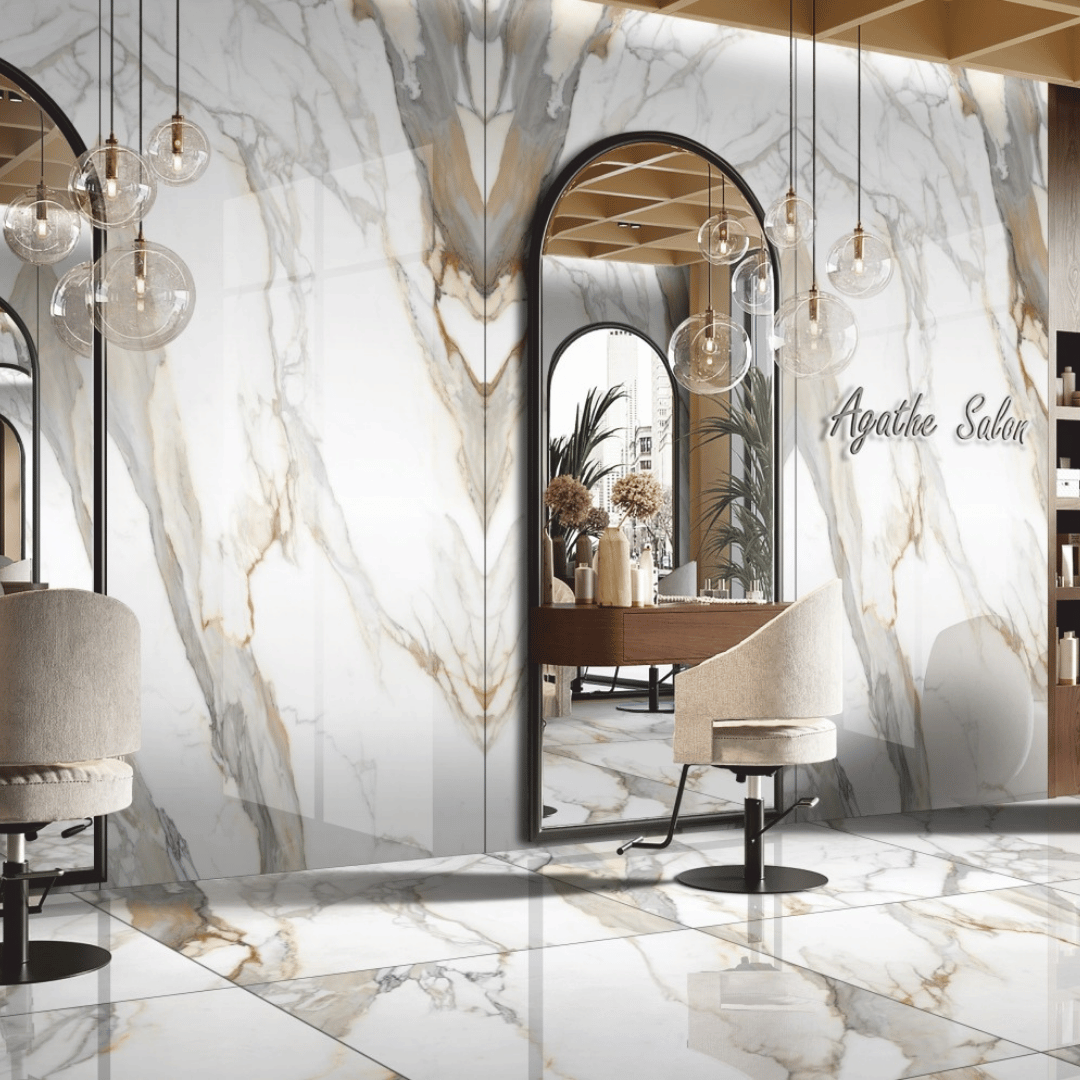
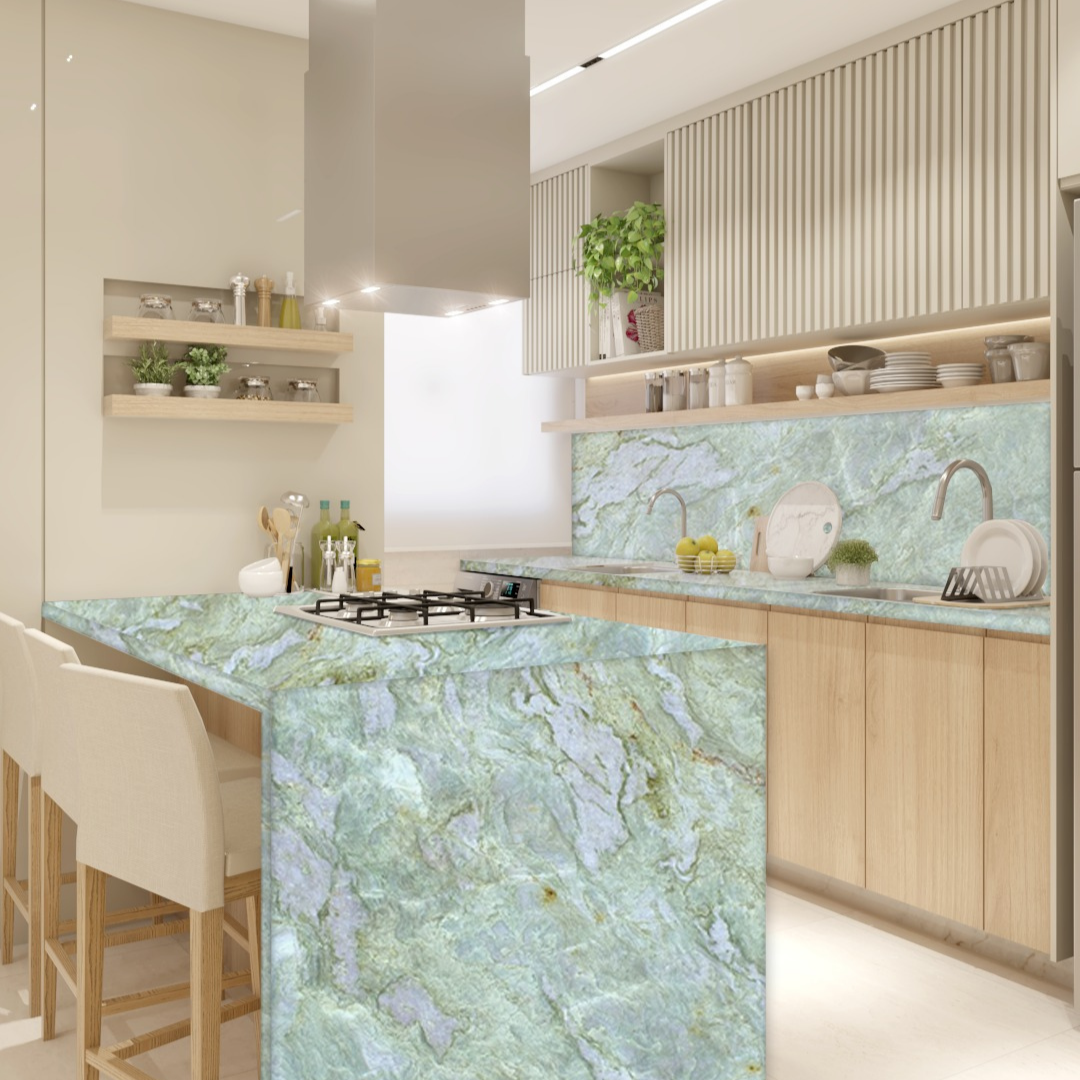
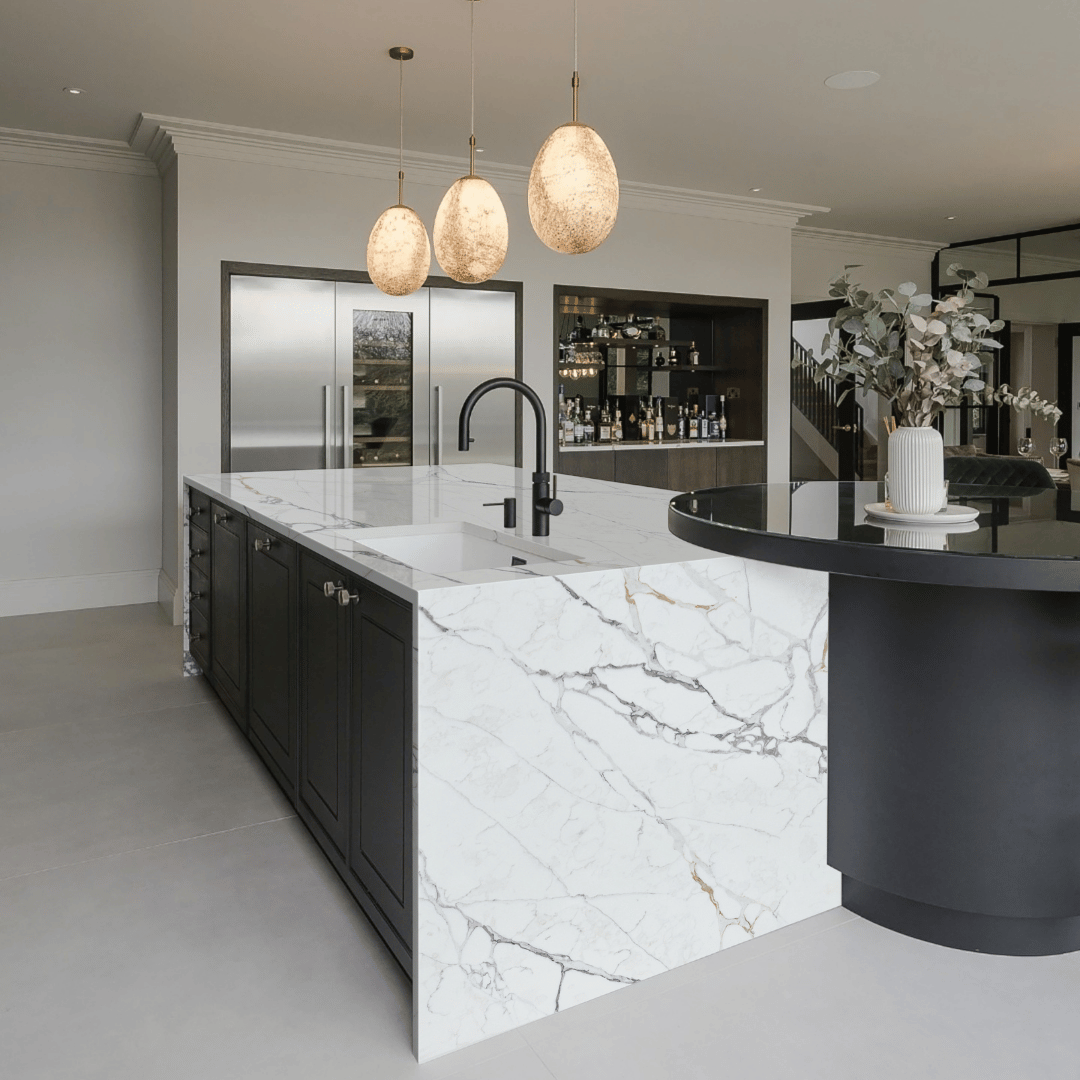
In the context of surface material selection, AR allows clients to visualize how different materials will look and feel in their spaces before making a purchase. By using AR applications, clients can see simulated versions of quartz, porcelain, and natural stone slabs on surfaces in their homes or commercial spaces. This capability significantly reduces the guesswork involved in choosing materials, leading to more informed decisions.
The Importance of Slab Visualization
Slab visualization is crucial in the architectural and design process for several reasons:
- Enhanced Decision-Making: Clients can visualize the material’s color, texture, and pattern in their intended space, making it easier to decide.
- Reduced Material Waste: By accurately visualizing how a material will look, clients are less likely to order incorrectly, reducing waste and saving costs.
- Improved Communication: AR tools facilitate better communication between clients and designers, ensuring everyone is on the same page regarding material choices.
For instance, at Builder Stone Global, clients can access an extensive inventory of quartz and natural stone slabs, enabling them to visualize these materials in their own spaces through augmented reality. This innovative approach aligns with our commitment to providing premium quality and architectural elegance in surface materials.
How AR is Changing Material Selection
Augmented reality is revolutionizing material selection in several key ways:
1. Immersive Experiences
AR provides immersive experiences that allow clients to engage with materials interactively. For example, clients can use mobile apps to scan their physical space and overlay different slab options. This interaction helps them understand how various patterns and colors work together in real time.
2. Real-Time Customization
With AR, clients can customize their selections on the spot. They can adjust colors, textures, and finishes to see how these changes affect the overall look. This flexibility leads to more personalized design outcomes.
3. Accessibility of Information
AR applications often come with detailed information about each material, including durability, maintenance requirements, and pricing. This accessibility empowers clients to make informed decisions without relying solely on sales representatives.
4. Virtual Showrooms
AR enables the creation of virtual showrooms where clients can explore a wide range of materials without visiting a physical location. This convenience is especially beneficial for clients in remote areas or those with busy schedules.
Benefits of Augmented Reality Slab Visualization
The integration of augmented reality into slab visualization offers numerous benefits:
1. Improved Client Satisfaction
Clients who can visualize their choices are generally more satisfied with their selections. The ability to see how a slab will look in their space reduces anxiety and fosters confidence in their decisions.
2. Streamlined Design Process
AR technology streamlines the design process by allowing for immediate feedback and adjustments. Designers can quickly modify designs based on client preferences, leading to faster project timelines.
3. Enhanced Marketing Opportunities
For companies like Builder Stone Global, AR visualization serves as a powerful marketing tool. It showcases the quality and variety of slabs available, attracting potential clients and setting the company apart from competitors.
4. Cost Efficiency
By reducing the likelihood of errors in material selection, AR can lead to significant cost savings. Clients avoid costly mistakes associated with ordering incorrect slabs, while companies minimize waste and improve inventory management.
Case Studies and Examples
Several companies and projects have successfully implemented augmented reality in their material selection processes:
1. Case Study: IKEA Place
IKEA’s AR app, IKEA Place, allows users to place virtual furniture in their homes. This innovative tool not only enhances the shopping experience but also provides insights into how different materials and colors can transform a space.
2. Case Study: Houzz
The Houzz app includes AR features that allow users to visualize home design elements, including countertops and flooring. By leveraging AR, Houzz has effectively improved client engagement and satisfaction.
3. Builder Stone Global’s AR Initiative
At Builder Stone Global, we are exploring augmented reality tools to enhance our clients’ experience in selecting quartz, porcelain, and natural stone slabs. By integrating AR into our showroom experience, clients can visualize their choices in real-time, ensuring they select the perfect material for their projects.
Expert Tips for Using AR in Design
Here are some additional expert tips for effectively using AR in design:
- Choose the Right Application: Select AR applications that are user-friendly and offer a wide range of materials.
- Engage Clients: Encourage clients to interact with the AR tools to explore different designs and materials.
- Provide Guidance: Offer support and guidance during the AR experience to help clients navigate their options effectively.
The Future of AR in Architecture
The future of augmented reality in architecture and design looks promising. As technology continues to evolve, we can expect even more sophisticated AR applications that offer enhanced realism and interactivity. Potential advancements include:
- Integration with AI: Combining AR with artificial intelligence could lead to personalized design recommendations based on client preferences and project requirements.
- Improved Material Simulation: Future AR tools may provide hyper-realistic simulations of materials, including their interaction with lighting and environment.
- Collaboration Tools: Enhanced collaboration features may allow designers and clients to work together in real time, regardless of location.
As a leading quartz slab distributor in Norcross, GA, Builder Stone Global is committed to staying at the forefront of technology and innovation in the stone industry. Our extensive in-stock inventory of high-performance slabs and our dedication to architectural excellence position us as a trusted partner for architects, designers, and homeowners alike.
FAQ
1. What is augmented reality slab visualization?
Augmented reality slab visualization is a technology that allows clients to see how different surface materials, such as quartz or porcelain, will look in their actual spaces before making a purchase.
2. How does AR help in selecting materials?
AR helps clients visualize materials in real time, customize their selections, and access detailed information about each option, leading to more informed decisions.
3. Are there any cost benefits to using AR for material selection?
Yes, AR reduces the likelihood of ordering incorrect materials, which can lead to significant cost savings by minimizing waste and avoiding costly mistakes.
4. Can I use AR on my mobile device?
Most AR applications are compatible with mobile devices, allowing clients to visualize materials directly from their smartphones or tablets.
5. What types of materials can be visualized using AR?
AR can be used to visualize a wide range of materials, including quartz, porcelain, granite, and other natural stone slabs.
6. How can I get started with AR slab visualization?
To get started, explore AR applications offered by slab distributors like Builder Stone Global, or visit a showroom that incorporates AR technology.
7. Is augmented reality the future of material selection?
Yes, as AR technology continues to advance, it is poised to become a standard tool in material selection, enhancing client experiences and decision-making processes.
8. Where can I find high-quality stone slabs in Norcross, GA?
Builder Stone Global offers an extensive inventory of premium quartz, porcelain, and natural stone slabs. Visit our live inventory to explore available options.