Why Design Trends Toward Natural Materials Are Driving Renewed Interest in Real Stone
Why Design Trends Toward Natural Materials Are Driving Renewed Interest in Real Stone
In recent years, the architectural and interior design landscapes have seen a remarkable shift towards natural materials, with real stone taking center stage. As homeowners, architects, and designers alike seek to create spaces that resonate with authenticity and sustainability, the allure of natural stone has grown immensely. This article delves into why design trends favoring natural materials are revitalizing interest in real stone, exploring its aesthetic appeal, durability, and environmental benefits. By the end of this comprehensive guide, you will understand the driving forces behind this trend and how to incorporate natural stone into your projects effectively.
The Rise of Natural Materials in Design
The increasing interest in natural materials stems from a growing awareness of environmental issues and a desire for authenticity in design. As more consumers prioritize sustainability, materials that are biodegradable, renewable, and locally sourced have gained popularity. According to a study by NAIOP, 66% of respondents indicated that sustainability is a significant factor in their purchasing decisions. This trend is especially evident in the use of natural stone, which offers timeless beauty and durability.
Aesthetic Appeal of Natural Stone
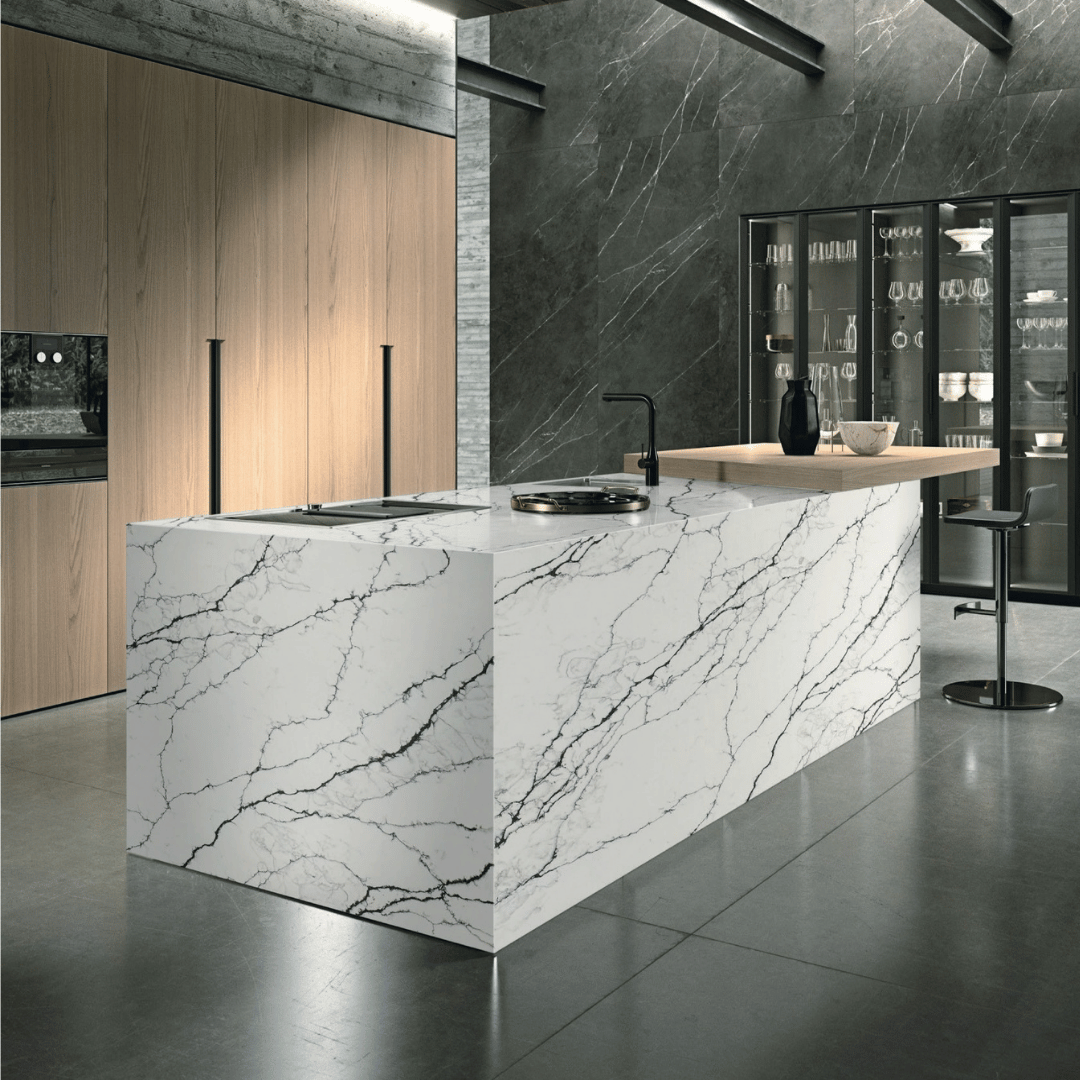
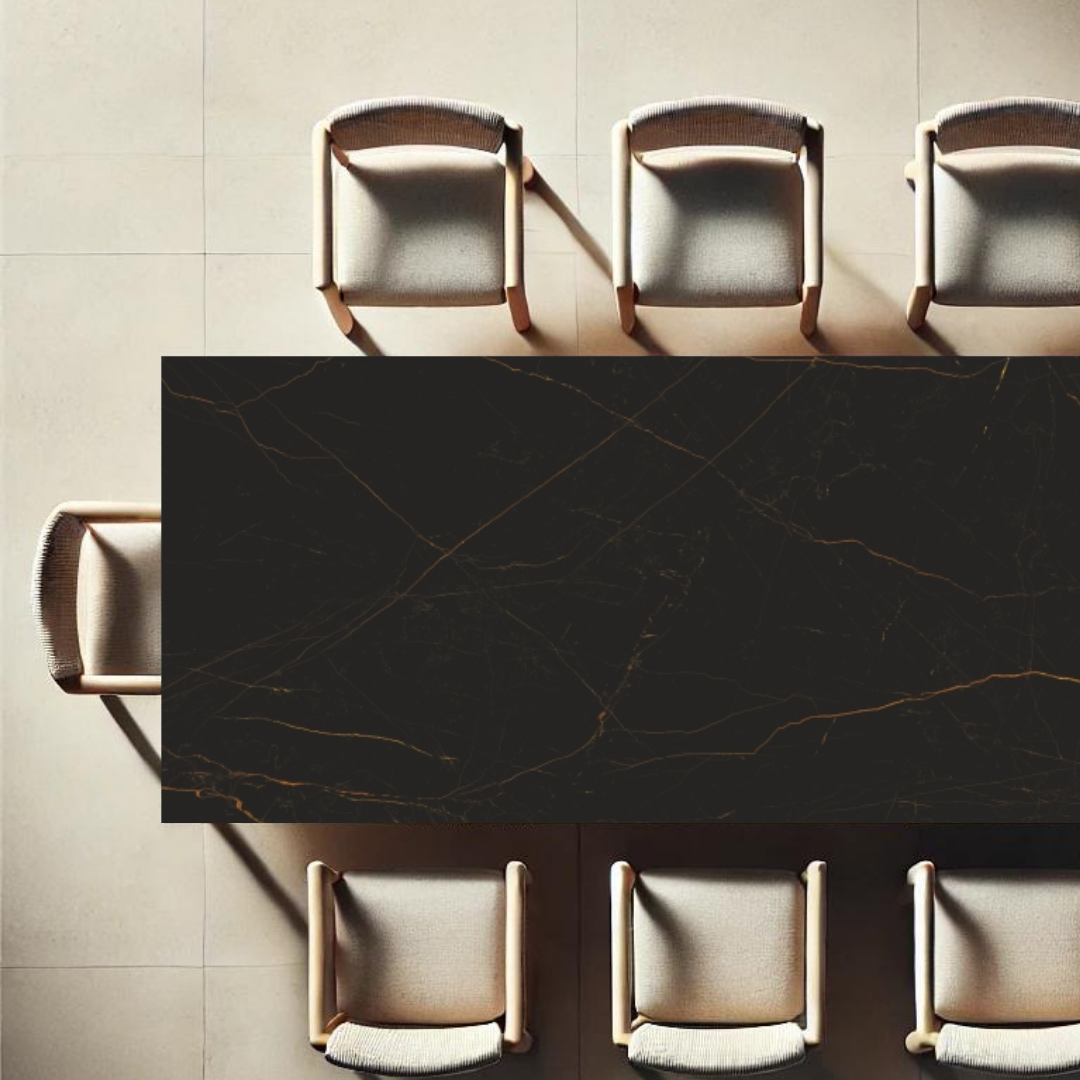
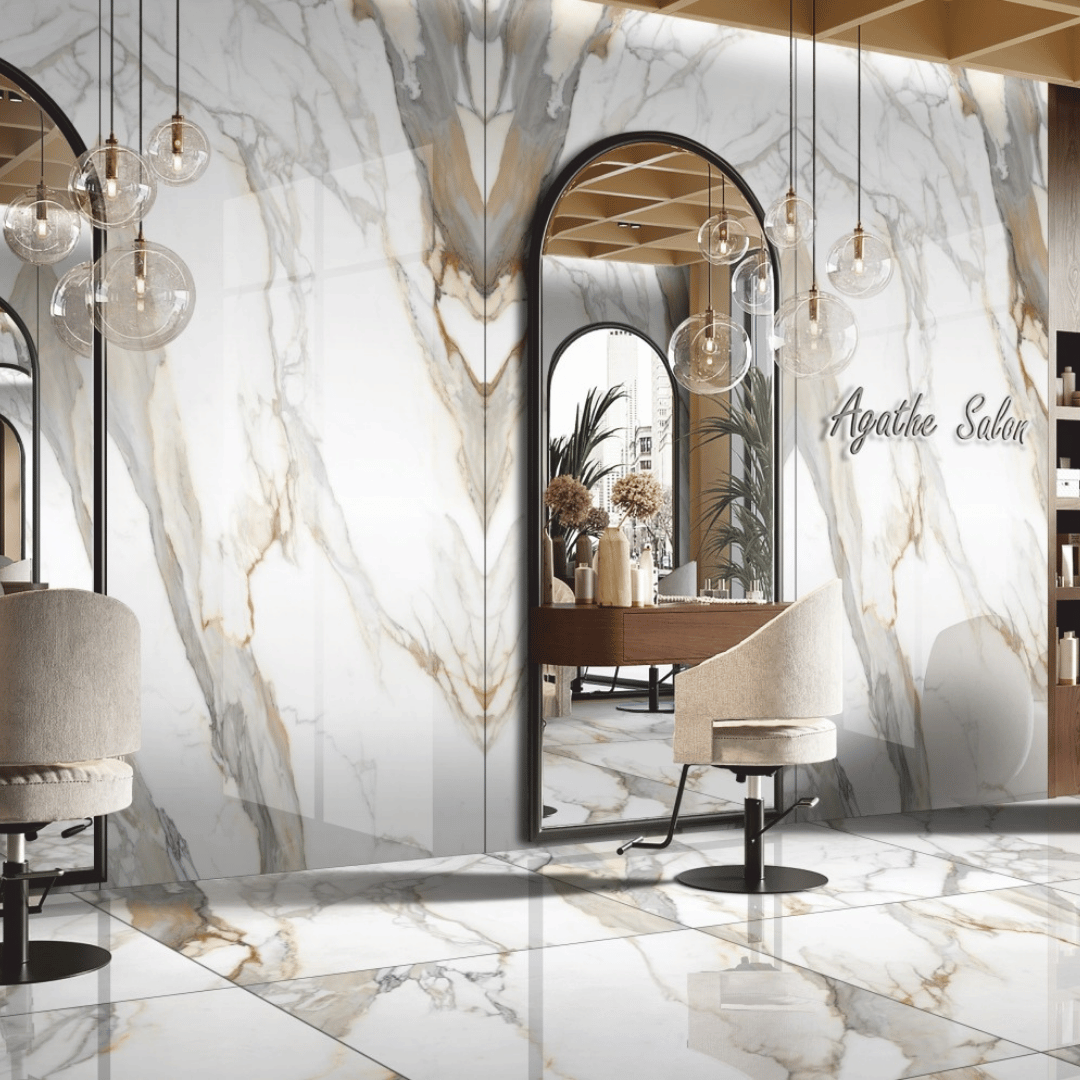
Natural stone possesses an unparalleled aesthetic quality that synthetic materials often cannot replicate. The unique textures, colors, and patterns found in stones such as granite, marble, and quartzite lend a sense of elegance and sophistication to any space. For instance, premium quartz slabs are favored for their striking designs and versatility, making them ideal for both residential and commercial applications.
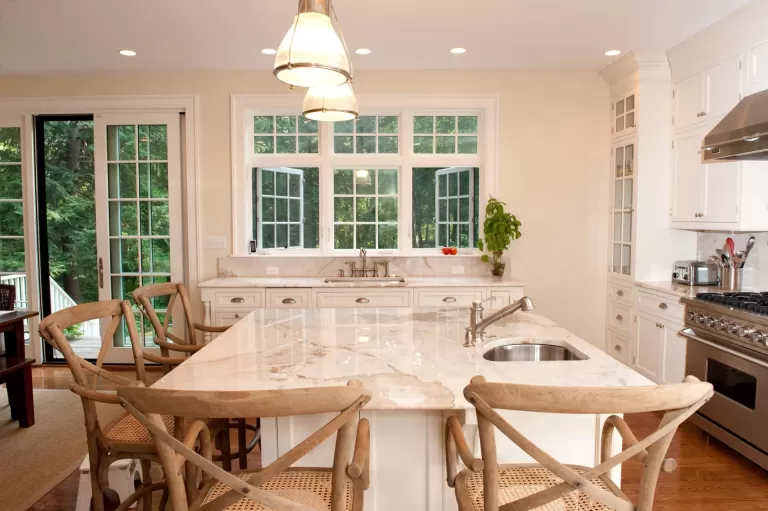
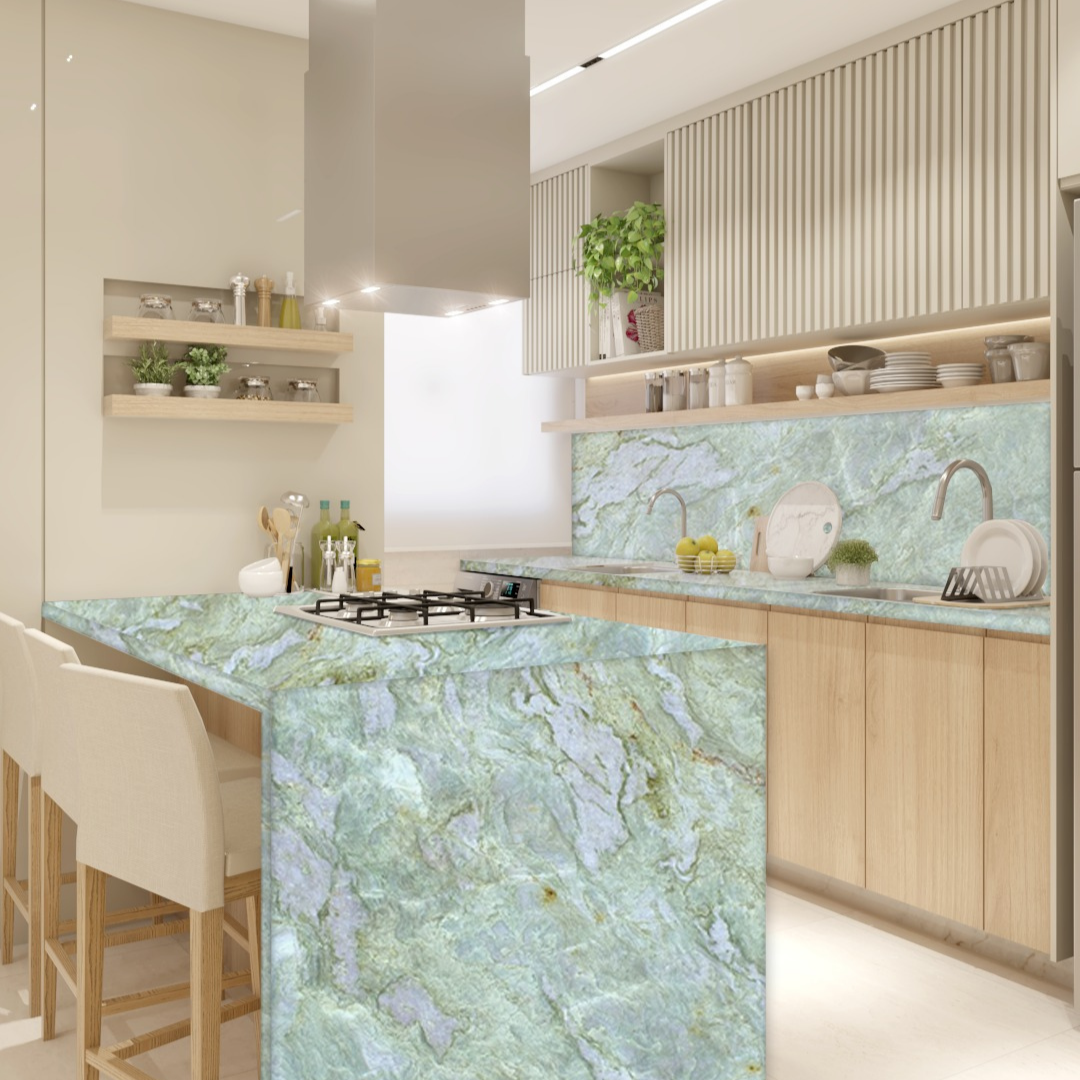
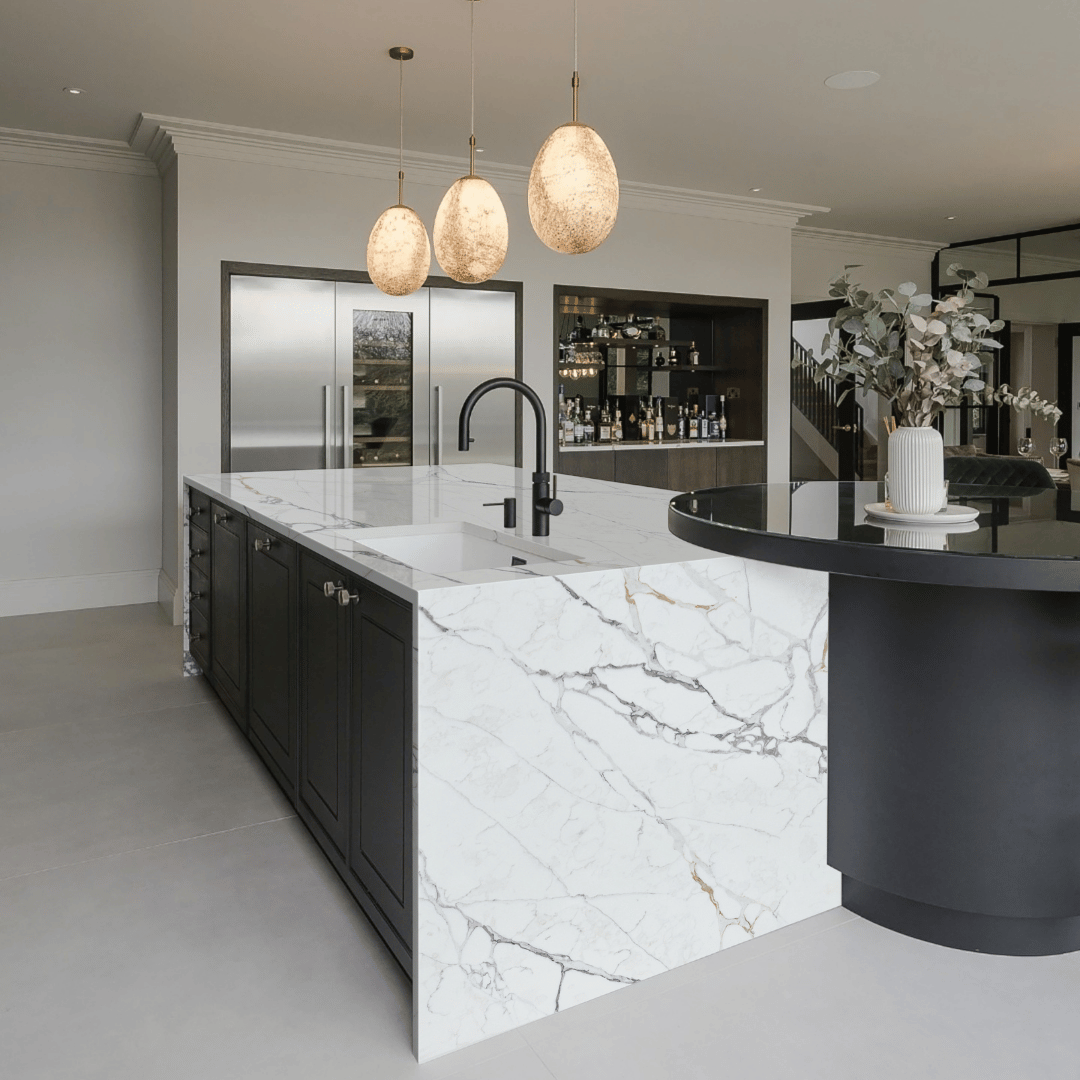
Moreover, natural stone can seamlessly blend with various design styles, from rustic to modern. A study conducted by the Facility Management & Maintenance highlights that 75% of designers believe that the use of natural materials enhances the overall aesthetic of a project. This trend is evident in contemporary kitchens, where natural stone countertops create a focal point that elevates the design.
Comparison of Aesthetic Qualities
| Material | Unique Features | Design Styles |
|---|---|---|
| Granite | Variety of colors, heat resistance | Modern, Rustic |
| Marble | Luxurious veining, classic appeal | Traditional, Contemporary |
| Quartzite | Durability, natural patterns | Modern, Transitional |
Durability and Longevity of Real Stone
One of the most compelling reasons for choosing natural stone is its durability. Unlike synthetic materials, which may wear down over time, real stone is inherently resilient. For example, granite is highly resistant to scratches and heat, making it an ideal choice for kitchen countertops. According to a report from the Natural Stone Institute, properly maintained natural stone can last a lifetime, making it a worthwhile investment for both homeowners and businesses.
Additionally, natural stone surfaces are less likely to harbor bacteria and allergens, contributing to healthier indoor environments. This is particularly important in kitchens and bathrooms, where hygiene is paramount. By opting for natural stone, you are not only enhancing the aesthetics of your space but also investing in a long-lasting, low-maintenance material.
Environmental Benefits of Using Natural Stone
In an age where sustainability is a priority, the environmental benefits of natural stone cannot be overlooked. As a product of the Earth, natural stone is a renewable resource that requires minimal processing, resulting in a lower carbon footprint compared to manufactured materials. The U.S. Environmental Protection Agency (EPA) emphasizes the importance of sustainable materials in construction, highlighting that natural stone is often sourced locally, reducing transportation emissions.
Moreover, natural stone is recyclable and can be repurposed, further enhancing its sustainability profile. For instance, remnants from stone fabrication can be used for smaller projects, such as decorative features or landscaping elements. Utilizing natural stone aligns with the principles of sustainable design, making it a responsible choice for environmentally conscious consumers.
Incorporating Natural Stone in Your Projects
Integrating natural stone into your design projects can elevate both aesthetics and functionality. Here are some ways to effectively incorporate natural stone:
- Countertops: Use premium quartz or granite slabs for kitchen and bathroom countertops to enhance durability and style.
- Backsplashes: Create stunning backsplashes using porcelain slabs or natural stone to add texture and visual interest.
- Feature Walls: Consider a full-height stone wall in living areas to create a dramatic focal point.
- Outdoor Spaces: Use natural stone for patios, walkways, and fire pits to create inviting outdoor areas.
For an extensive selection of natural stone options, visit our live inventory to explore various colors and finishes available at Builder Stone Global.
Expert Tips for Selecting Natural Stone
Choosing the right natural stone for your project requires careful consideration. Here are some expert tips to guide your selection:
1. **Evaluate Color and Pattern:** Take samples to see how the stone looks in different lighting conditions.
2. **Consider Maintenance Needs:** Some stones require sealing to prevent staining, while others have natural resistance.
3. **Check for Certifications:** Look for stones that meet environmental standards, ensuring they are sustainably sourced.
4. **Consult with Experts:** Don’t hesitate to reach out to professionals for advice on the best stone types for your specific project.
Future Trends in Natural Stone Design
The future of natural stone design looks promising, with several trends emerging:
- Textured Finishes: Homeowners are increasingly opting for textured finishes that highlight the stone’s natural beauty.
- Bold Colors: Vibrant colors and unique patterns are becoming popular, allowing for personalized design statements.
- Eco-Friendly Practices: The demand for sustainably sourced stone is on the rise, with more consumers seeking eco-friendly options.
As the industry evolves, staying informed about these trends will help you create spaces that resonate with contemporary design sensibilities.
FAQs
1. What are the benefits of using natural stone?
Natural stone offers durability, aesthetic appeal, and environmental benefits, making it a popular choice for various applications.
2. How do I maintain natural stone surfaces?
Regular cleaning with pH-neutral cleaners and periodic sealing can help maintain the beauty and longevity of natural stone surfaces.
3. Is natural stone environmentally friendly?
Yes, natural stone is a sustainable material that requires minimal processing and can often be sourced locally, reducing its carbon footprint.
4. What types of natural stone are best for countertops?
Granite, quartzite, and premium quartz are excellent choices for countertops due to their durability and aesthetic appeal.
5. Can natural stone be used outdoors?
Absolutely! Natural stone is highly durable and weather-resistant, making it ideal for outdoor applications.
6. How do I choose the right natural stone for my project?
Consider the stone’s intended use, aesthetic qualities, and maintenance needs when selecting natural stone.
7. What design styles work well with natural stone?
Natural stone complements a wide variety of design styles, including modern, rustic, traditional, and contemporary.
8. Where can I find premium natural stone slabs?
Visit our live inventory to explore a variety of premium natural stone slabs available at Builder Stone Global.