Quartz vs Porcelain Countertops: Which One Fits Your Atlanta Metro Project?
Quartz vs Porcelain Countertops: Which One Fits Your Atlanta Metro Project?
When it comes to selecting the perfect countertop for your Atlanta Metro project, the debate between quartz and porcelain is a common one. Both materials offer distinct advantages and can elevate the aesthetics and functionality of your kitchen or bathroom. In this article, we will explore the differences between quartz and porcelain countertops, helping you make an informed decision based on your specific needs and preferences.
Why Choose Premium Quartz, Porcelain & Natural Stone Slabs?
Countertops play a crucial role in both the design and functionality of your space. Premium quartz and porcelain slabs are popular choices due to their durability, aesthetic appeal, and versatility. Quartz is engineered from natural stone and resin, offering a non-porous surface that resists staining and scratching. On the other hand, porcelain is a high-performance ceramic material that boasts exceptional durability and can be manufactured in large formats, making it ideal for modern designs.
HD Quartz Technology & Surface Performance
HD quartz surfaces are known for their superior quality and design versatility. The advanced technology used in the manufacturing of HD quartz results in a dense, non-porous surface that is highly resistant to stains, scratches, and heat. This makes quartz an excellent choice for high-traffic areas such as kitchens and bathrooms. Additionally, HD quartz is available in a wide range of colors and patterns, allowing homeowners and designers to achieve their desired aesthetic.
Porcelain, while also durable, is distinct in its manufacturing process. Made from natural clay and minerals, porcelain is fired at high temperatures, resulting in a dense, hard surface that is resistant to moisture and UV rays. This makes porcelain a great option for both indoor and outdoor applications, as it can withstand the elements without fading or deteriorating.
Kitchen & Bathroom Applications
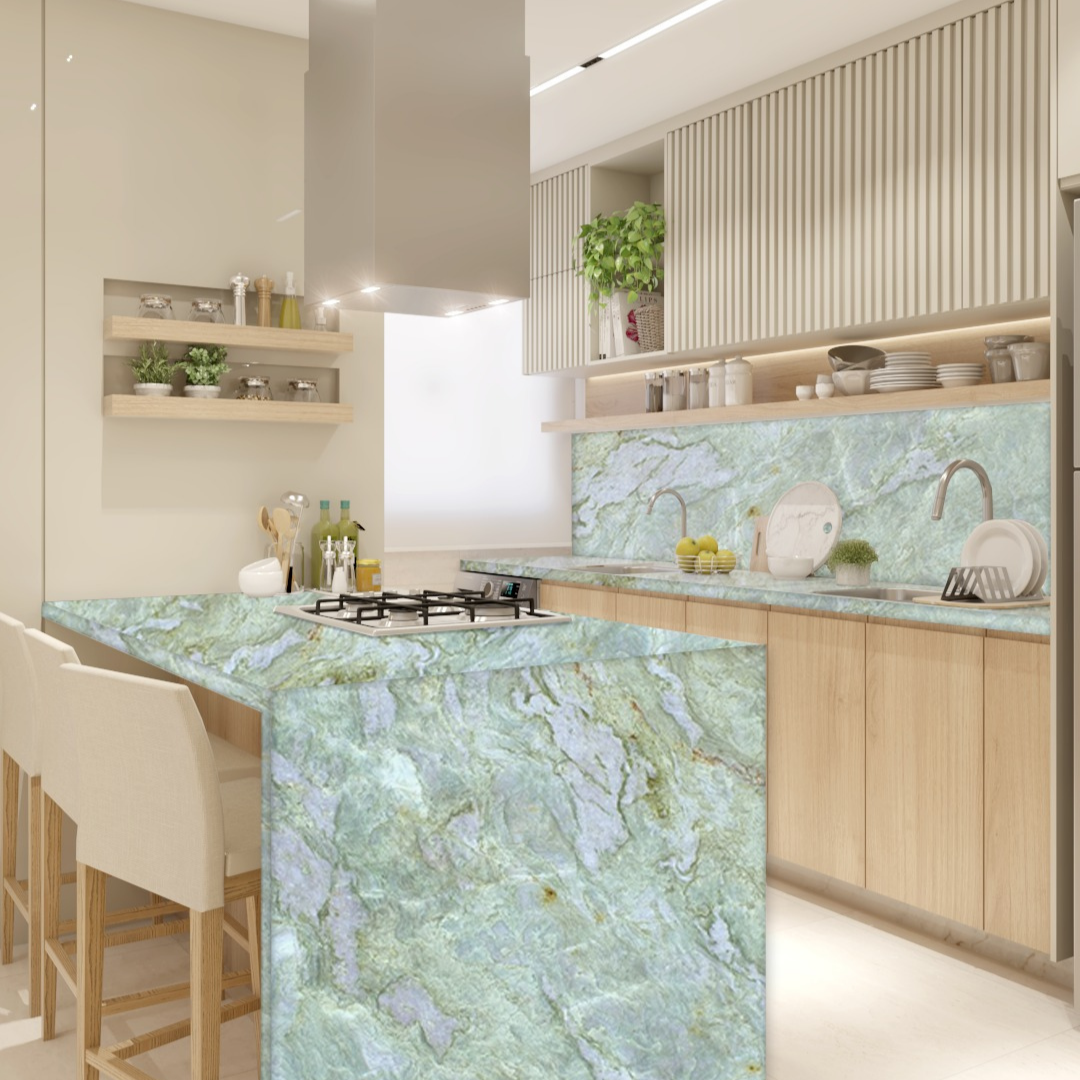
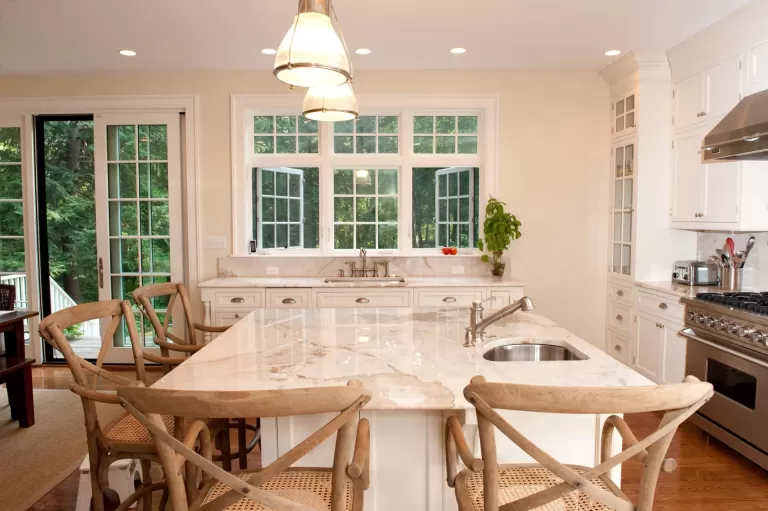
When it comes to kitchen applications, both quartz and porcelain have their merits. Quartz countertops are often favored for their luxurious appearance and durability. They are available in various finishes, including polished and matte, which can complement any kitchen design. Homeowners appreciate quartz for its low maintenance, as it does not require sealing, unlike natural stone alternatives.
In bathrooms, quartz countertops provide a sophisticated look while being resistant to water damage. They are easy to clean, making them a popular choice for vanities and countertops. Porcelain, with its wide range of designs and colors, can also be an excellent choice for bathroom countertops, especially for those looking to create a modern or minimalist aesthetic.
Architectural & Commercial Projects
For architectural and commercial projects, both quartz and porcelain offer unique benefits. Quartz is often used in commercial spaces due to its durability and low maintenance requirements. It’s perfect for high-traffic areas and can be customized to fit any design scheme.
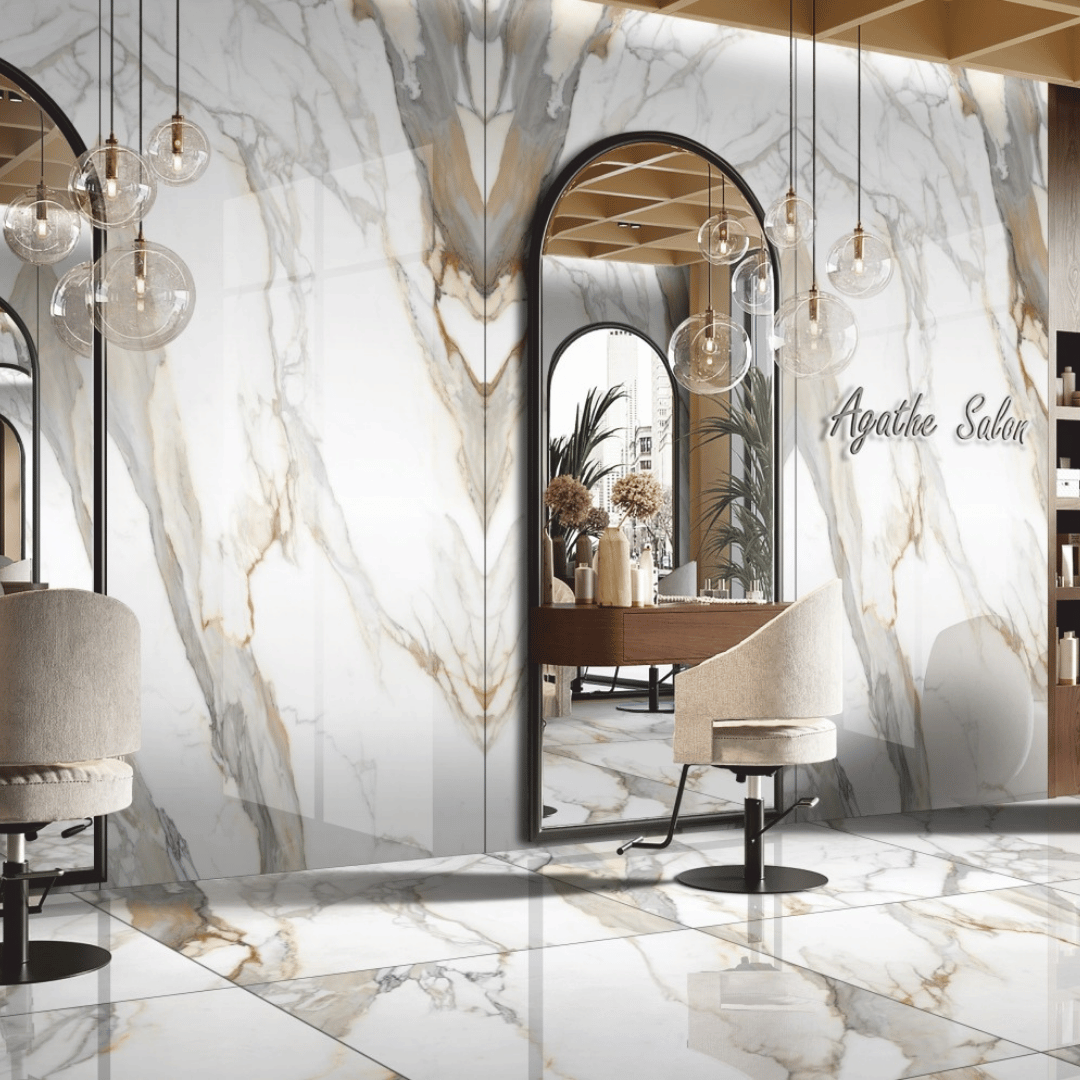
Porcelain’s ability to be manufactured in large formats makes it a favorite among architects and designers. Large format porcelain slabs can create seamless surfaces, eliminating the need for grout lines, which can be a significant advantage in commercial settings. Additionally, porcelain’s heat resistance makes it suitable for kitchen applications in restaurants and cafes.
Dealer & Fabricator Partnership Program
At Builder Stone Global, we understand the importance of having reliable partners in your countertop project. Our dealer and fabricator partnership program is designed to provide you with access to premium quartz and porcelain slabs, extensive inventory, and expert support. Whether you are a contractor, designer, or homeowner, our program ensures you have the resources you need for a successful project.
Frequently Asked Questions About Quartz, Porcelain & Natural Stone Slabs
1. What is the difference between HD quartz and standard quartz?
HD quartz features advanced manufacturing technology that results in a more durable and aesthetically pleasing surface compared to standard quartz.
2. What is the difference between full body and non full body porcelain?
Full body porcelain is colored throughout the entire slab, while non-full body porcelain has a color and pattern applied to only the surface.
3. What slab thickness options are available?
Both quartz and porcelain slabs typically come in thicknesses of 1.5 cm, 2 cm, or 3 cm, allowing for flexibility in design.
4. Are there limitations on edge profiles?
Yes, certain edge profiles may be limited based on the thickness of the slab and the material type. It’s best to consult with your fabricator.
5. How durable is porcelain?
Porcelain is highly durable, resistant to scratches, stains, and moisture, making it a great choice for both residential and commercial applications.
6. How heat resistant are quartz and porcelain?
Both materials are heat resistant, but it is recommended to use trivets or hot pads to protect the surface from extreme temperatures.
7. What are the fabricator requirements for these materials?
Fabricators should be experienced with both quartz and porcelain to ensure proper installation and finishing techniques.
8. How can I check inventory availability?
You can check our live inventory on our website to see available slabs in real-time.
9. What are the typical lead times for ordering?
Lead times can vary based on inventory and custom orders, so it’s best to contact us directly for more accurate information.
How to Contact Builder Stone Global
If you have further questions or would like to explore our slab collections, we invite you to contact our team. You can also check our live inventory to view available slabs or visit our Norcross showroom.
In conclusion, both quartz and porcelain countertops offer unique benefits that cater to different styles and needs. When deciding between the two for your Atlanta Metro project, consider factors such as durability, aesthetics, maintenance, and application. With the right material, you can create a stunning and functional space that meets your design vision.