
How Lighting Changes Slab Color: Warm vs Cool LEDs, Sunlight, Reflection
How Lighting Changes Slab Color: Warm vs Cool LEDs, Sunlight, Reflection
When it comes to choosing the perfect surface material for your home or commercial space, the color and appearance of slabs play a crucial role in the overall design aesthetic. However, many individuals underestimate the impact of lighting on how these materials are perceived. The interplay between natural and artificial light can dramatically alter the color of quartz, porcelain, and natural stone slabs, leading to significant variations in appearance. In this article, we’ll explore how different lighting sources, including warm and cool LEDs, sunlight, and reflections, can affect the color of slabs and provide tips on how to choose the right lighting for your space.
Understanding Color Temperature
Color temperature, measured in Kelvin (K), describes the warmth or coolness of a light source. Lower Kelvin values (around 2700K to 3000K) produce warm light, which creates a cozy, inviting atmosphere. Higher values (5000K and above) produce cool light, resembling daylight and offering a more clinical, vibrant feel. When selecting lighting for your slab surfaces, understanding these temperature differences is essential.
Warm LEDs and Their Effects on Slab Color
Warm white LEDs (2700K to 3000K) are popular for residential and hospitality applications due to their ability to add warmth and richness to interiors. When illuminating quartz or natural stone slabs, warm lighting can enhance the golden, amber, or reddish tones, making the surface appear more inviting. For example, a warm LED light can enrich the hues in a cream or beige quartz slab, creating a harmonious, welcoming atmosphere.
However, while warm lighting can accentuate certain colors, it may also obscure others. Slabs with cooler undertones—such as gray or blue flecks—might appear muted or less vibrant under warm lighting. For spaces where a true representation of the slab’s colors is crucial, such as in showrooms or design studios, relying solely on warm lighting may not be ideal.
Cool LEDs and Their Impact on Slab Colors
In contrast, cool white LEDs (5000K to 6500K) offer a bright, clear light that mimics natural daylight. This type of lighting tends to reveal the true colors of slabs more accurately, making it an excellent choice for kitchens, bathrooms, and commercial spaces where precision is essential. Cool lighting can enhance the brightness of lighter slabs and highlight any intricate patterns or veining.
However, it’s important to note that while cool lighting can bring out the clarity of colors, it may also make warm-toned slabs appear stark or uninviting. For example, a warm-toned granite slab may lose its inviting warmth under cool LED lights, leading to a less flattering appearance.
The Role of Sunlight
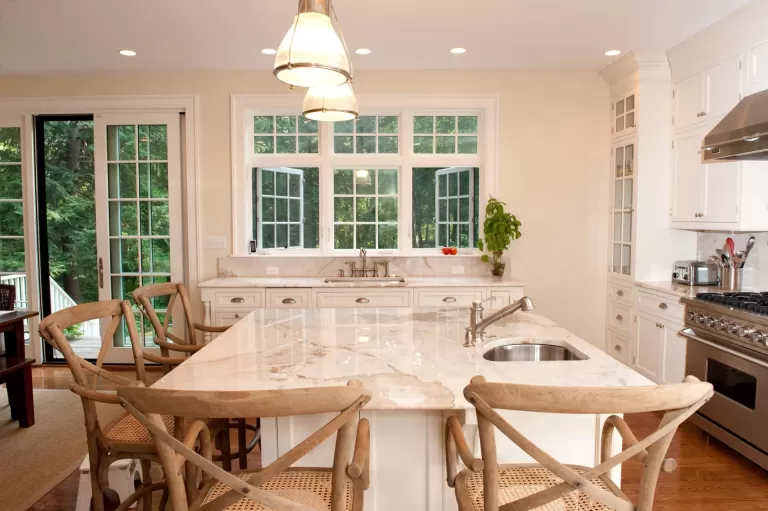
Natural sunlight is perhaps the most dynamic and unpredictable light source. Depending on the time of day and the direction of light, sunlight can significantly change the perception of color in slabs. Morning and evening sunlight, with its soft, warm quality, can soften the appearance of slabs, enhancing warm tones and creating a cozy ambiance. Conversely, midday sunlight, which is harsher and cooler, can intensify colors and reveal every detail, often making slabs look more vibrant and lively.
When working with natural light, consider the orientation of your windows and how sunlight will interact with your slabs throughout the day. Ideally, if you want to maintain a warm atmosphere, you might want to steer clear of large windows that allow for direct midday sunlight to flood the space.
The Impact of Reflections
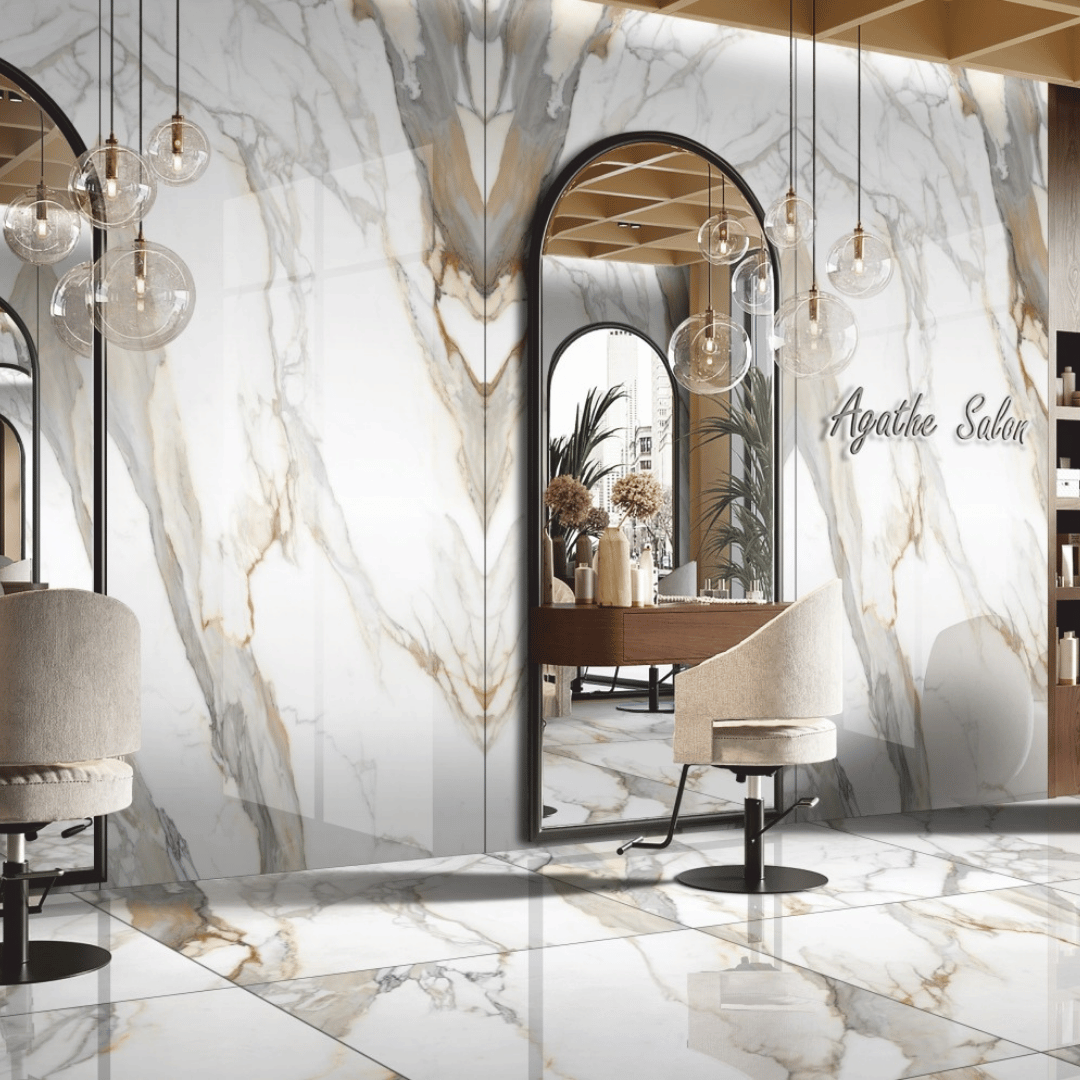
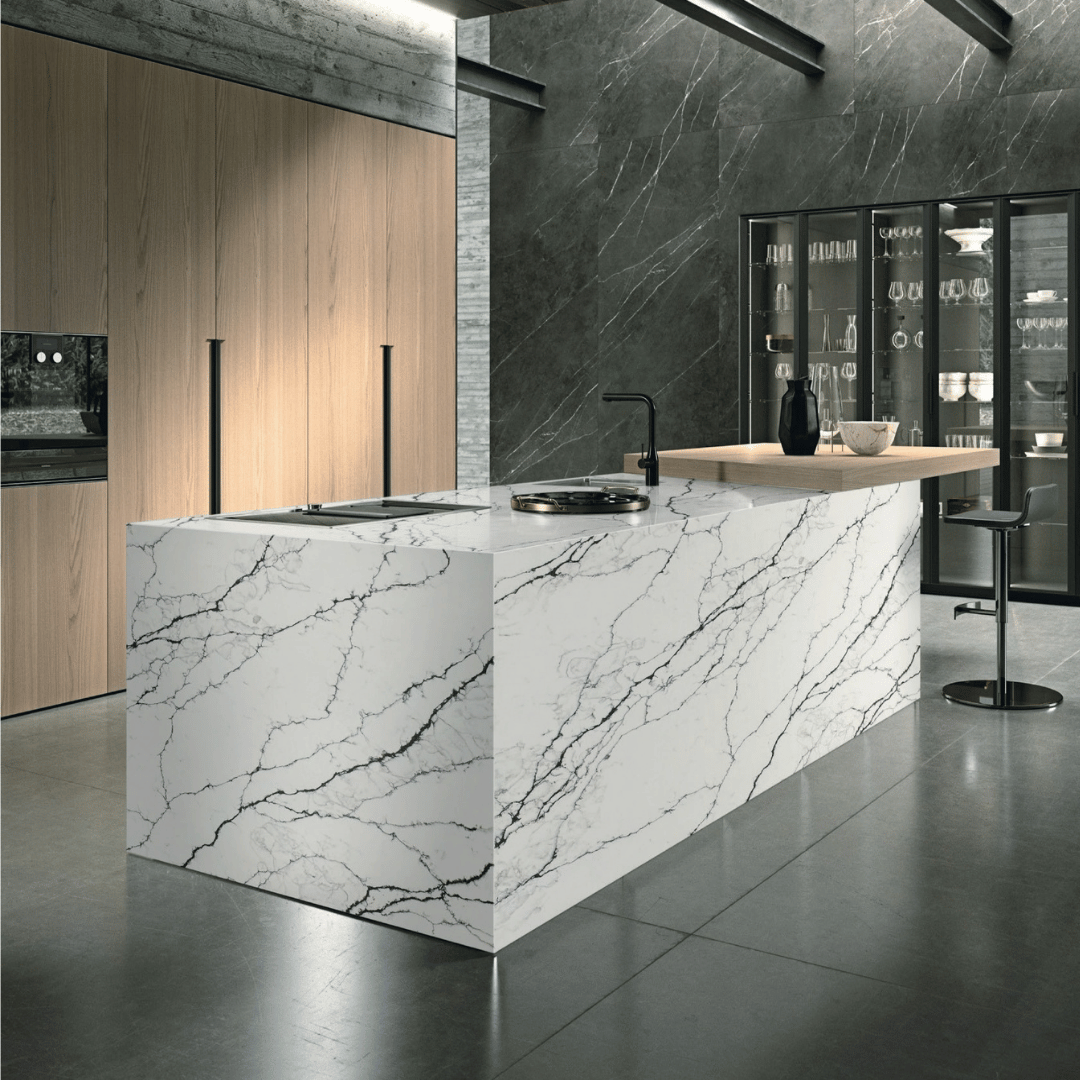
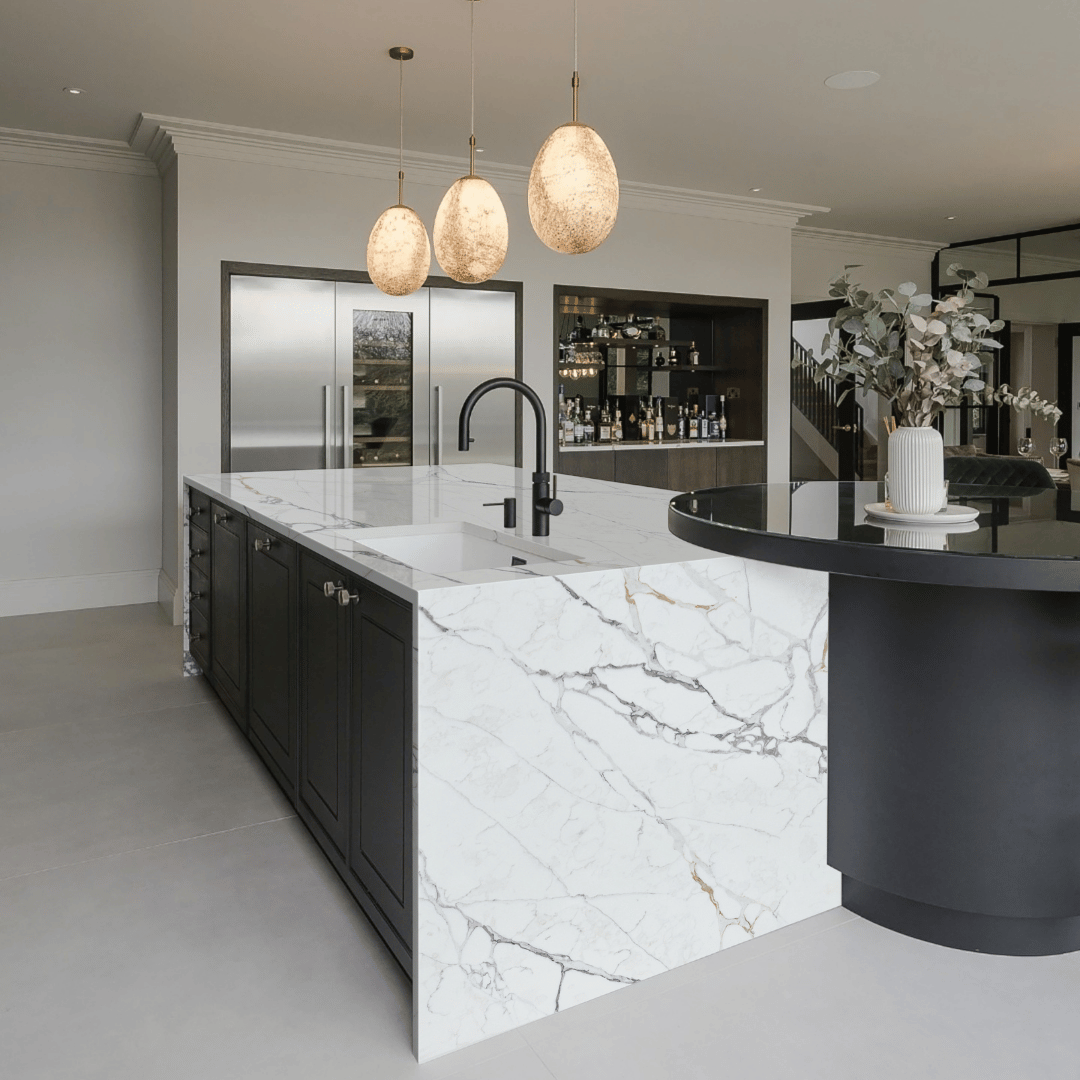
The finish of a slab greatly influences how it interacts with light. Polished surfaces reflect light, which can enhance colors and create a vibrant, dynamic appearance. However, this high reflectivity can also result in glare, which may distract from the beauty of the slab itself.
On the other hand, matte finishes absorb light, leading to a softer, more subdued color representation. While this can be more forgiving in terms of maintenance and fingerprints, it may not showcase the slab’s full potential in terms of color and detailing. Consider the intended environment when choosing a finish; high-traffic areas may benefit from more matte finishes, while showrooms might favor polished surfaces to emphasize color vibrancy.
Choosing the Right Lighting for Your Slabs
When selecting lighting for your slabs, consider the following tips:
- Assess the Color Temperature: Determine whether you want warm, cool, or a combination of both lighting to achieve the desired effect on your slabs.
- Utilize Dimmable Lighting: Installing dimmable LEDs allows you to adjust the intensity and warmth of the light based on the time of day and desired mood.
- Incorporate Multiple Light Sources: Use a combination of ambient, task, and accent lighting to create depth and highlight the beauty of your slabs.
- Evaluate Natural Light Dynamics: Observe how sunlight interacts with your slabs throughout the day and adjust window treatments to control excessive brightness or glare.
- Test Before You Commit: Always test lighting options in your space with the actual slabs to see how different temperatures and finishes interact.
Conclusion
The color of quartz, porcelain, and natural stone slabs is not a fixed attribute; it is influenced by various lighting conditions. Understanding how warm and cool LEDs, sunlight, and reflections affect slab color can help you make informed decisions that enhance your space’s aesthetic. By carefully considering your lighting choices, you can ensure that your slabs maintain their beauty and complement your design vision. For expert advice and to explore our extensive collection of premium slabs, contact our team or check our live inventory today!