Shower Walls with Porcelain Slabs: Pros, Cons, and Maintenance Tips
Shower Walls with Porcelain Slabs: Pros, Cons, and Maintenance Tips
When it comes to designing or renovating a bathroom, one of the most critical decisions you’ll make is choosing the right materials for your shower walls. Porcelain slabs are becoming increasingly popular for shower walls due to their durability, aesthetic appeal, and ease of maintenance. In this article, we will explore the pros and cons of using porcelain slabs for shower walls, along with essential maintenance tips to keep them looking their best.
Why Choose Porcelain Slabs for Shower Walls?
Porcelain slabs are a fantastic choice for shower walls for several reasons:
- Durability: Porcelain is known for its strength and resistance to chipping, cracking, and scratching, making it an ideal material for high-moisture areas like showers.
- Water Resistance: Porcelain’s non-porous nature means it does not absorb water, reducing the risk of mold and mildew growth.
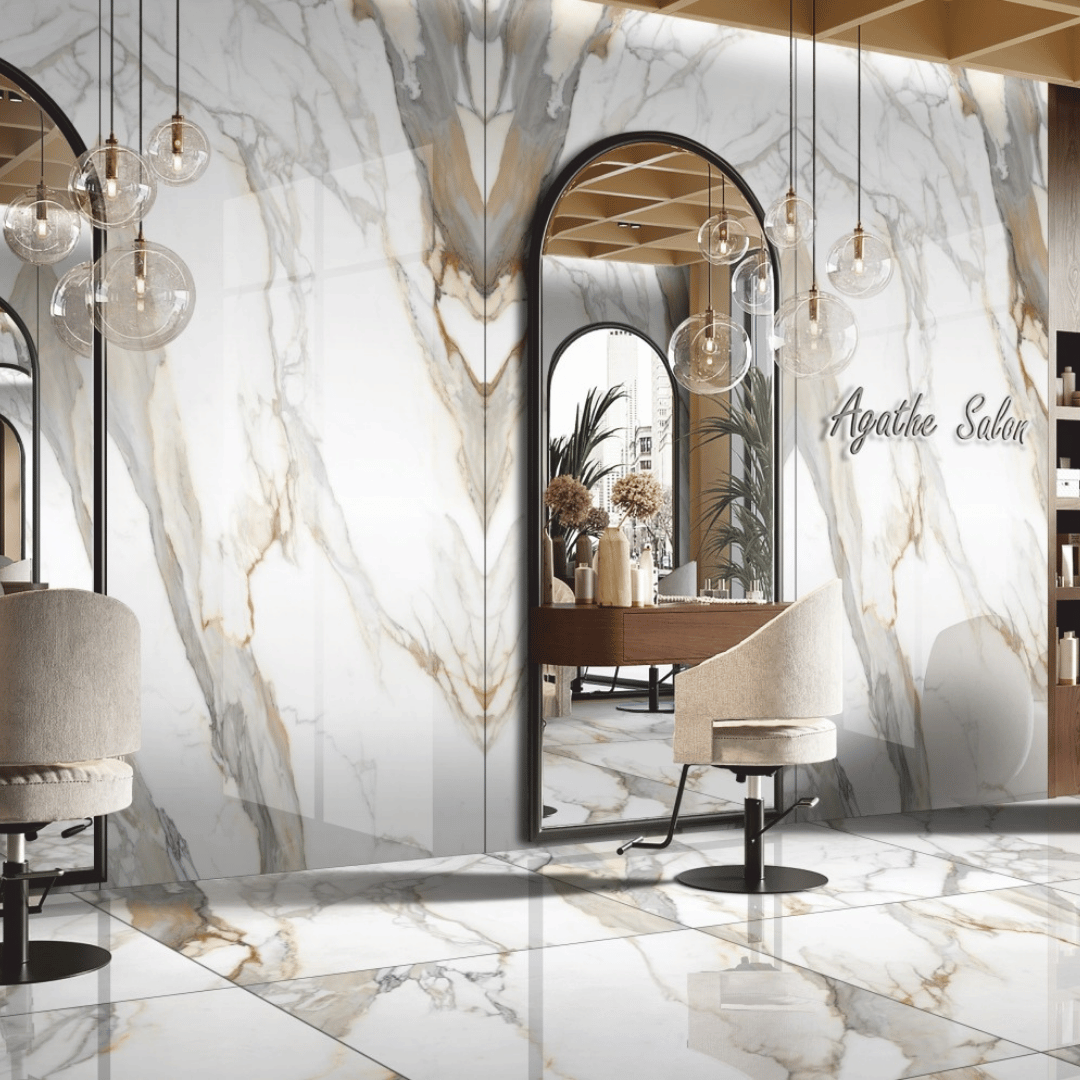
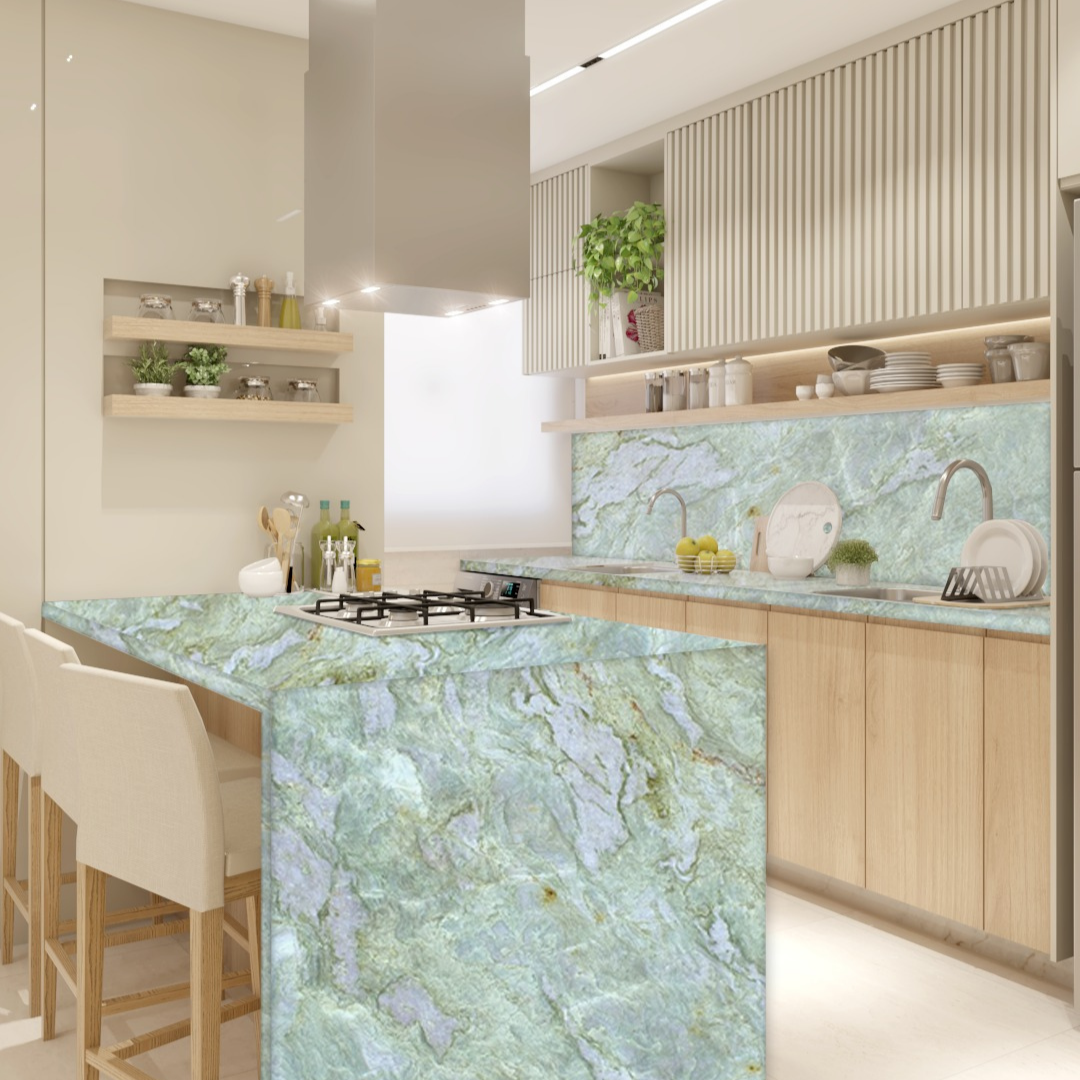
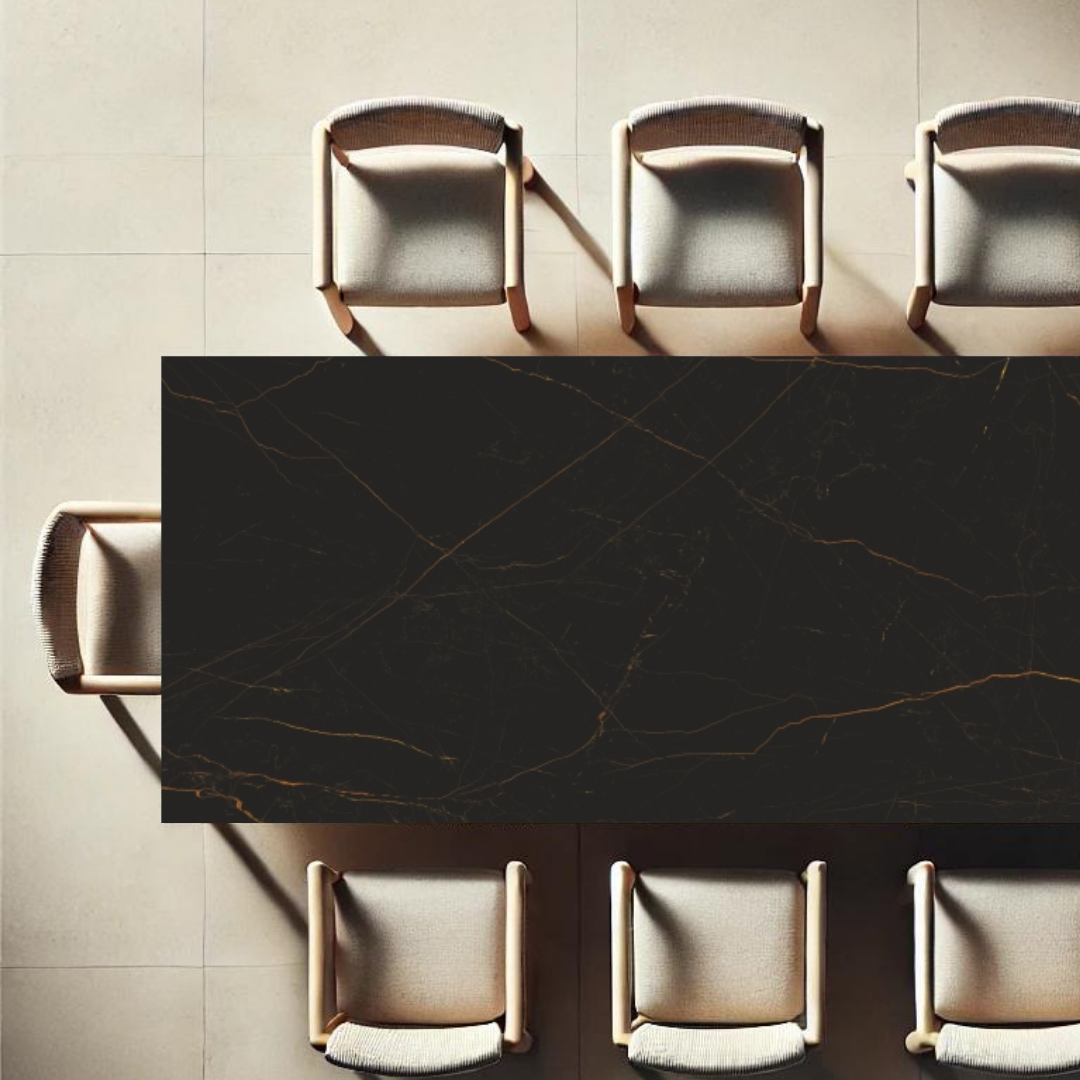
- Aesthetic Appeal: Available in a wide range of colors, patterns, and finishes, porcelain slabs can mimic the look of natural stone or other materials, allowing for a luxurious finish.
- Easy Maintenance: Porcelain’s smooth surface makes it easy to clean, requiring only mild detergent and water to maintain its appearance.
Pros of Using Porcelain Slabs for Shower Walls
1. Low Maintenance
One of the most significant advantages of porcelain slabs is their low maintenance requirements. Unlike grout lines associated with traditional tile, porcelain slabs have minimal joints, which means there are fewer areas for mold and mildew to grow. Regular cleaning with a non-abrasive cleaner keeps the surfaces looking pristine.
2. Versatile Design Options
Porcelain slabs come in an array of colors, sizes, and finishes, allowing homeowners to create a customized look that fits their design aesthetic. Whether you prefer a sleek modern style or a classic look, there’s a porcelain slab to match your vision.
3. High Durability
Porcelain is fired at high temperatures, resulting in a dense, durable material that withstands the rigors of daily use. It is less likely to chip or crack compared to other materials, making it ideal for shower walls.
4. Heat Resistance
Porcelain slabs can withstand high temperatures, making them suitable for various applications in the bathroom, including steam showers or areas where hot water might splash.
5. Eco-Friendly Options
Many porcelain slabs are made from recycled materials and are eco-friendly, allowing homeowners to make sustainable choices without sacrificing style or performance.
Cons of Using Porcelain Slabs for Shower Walls
1. Higher Initial Cost
While porcelain slabs offer numerous benefits, the initial investment can be higher compared to traditional tiles. Quality porcelain products can be more expensive, but their durability can lead to cost savings over time.
2. Installation Complexity
Installing porcelain slabs can be more complex than traditional tile due to their size and weight. Proper installation often requires professional assistance to ensure a flawless finish.
3. Limited Repair Options
In the event of a crack or damage, repairing porcelain slabs can be challenging. Unlike smaller tiles that can be replaced individually, a damaged slab may require complete removal and replacement.
4. Slippery Surface
Depending on the finish, porcelain slabs can be slippery when wet. To mitigate this, homeowners may consider textured finishes or use mats in the shower area for added safety.
Maintenance Tips for Porcelain Shower Walls
1. Regular Cleaning
To keep your porcelain slabs looking fresh, clean them regularly using a soft cloth or sponge with mild detergent and warm water. Avoid using abrasive cleaners or scrubbers that can scratch the surface.
2. Dry After Use
After each shower, wipe down the walls with a squeegee or towel to remove excess water. This practice will help prevent water spots and reduce soap scum buildup.
3. Use a pH-Neutral Cleaner
For deeper cleaning, opt for a pH-neutral cleaner specifically designed for porcelain surfaces. Avoid acidic or harsh cleaners that could damage the finish over time.
4. Seal Grout Lines
If your porcelain slabs have grout lines, ensure they are sealed properly to prevent moisture infiltration and mold growth. Reseal the grout every few years for optimal protection.
5. Address Stains Promptly
In the event of a stain, address it as soon as possible. For tough stains, a mixture of baking soda and water can effectively lift discoloration without damaging the porcelain.
Conclusion
Porcelain slabs offer a stylish, durable, and low-maintenance option for shower walls. While they come with a higher initial investment and some challenges, the long-term benefits, including aesthetic appeal and ease of care, make them a worthy consideration for any bathroom renovation. By following proper maintenance tips, homeowners can ensure their porcelain shower walls remain beautiful and functional for years to come. Whether you are a homeowner or a designer, consider the advantages of porcelain slabs for your next project.
For more information on selecting the right materials for your bathroom or to explore our extensive range of porcelain slabs, contact our team today!