
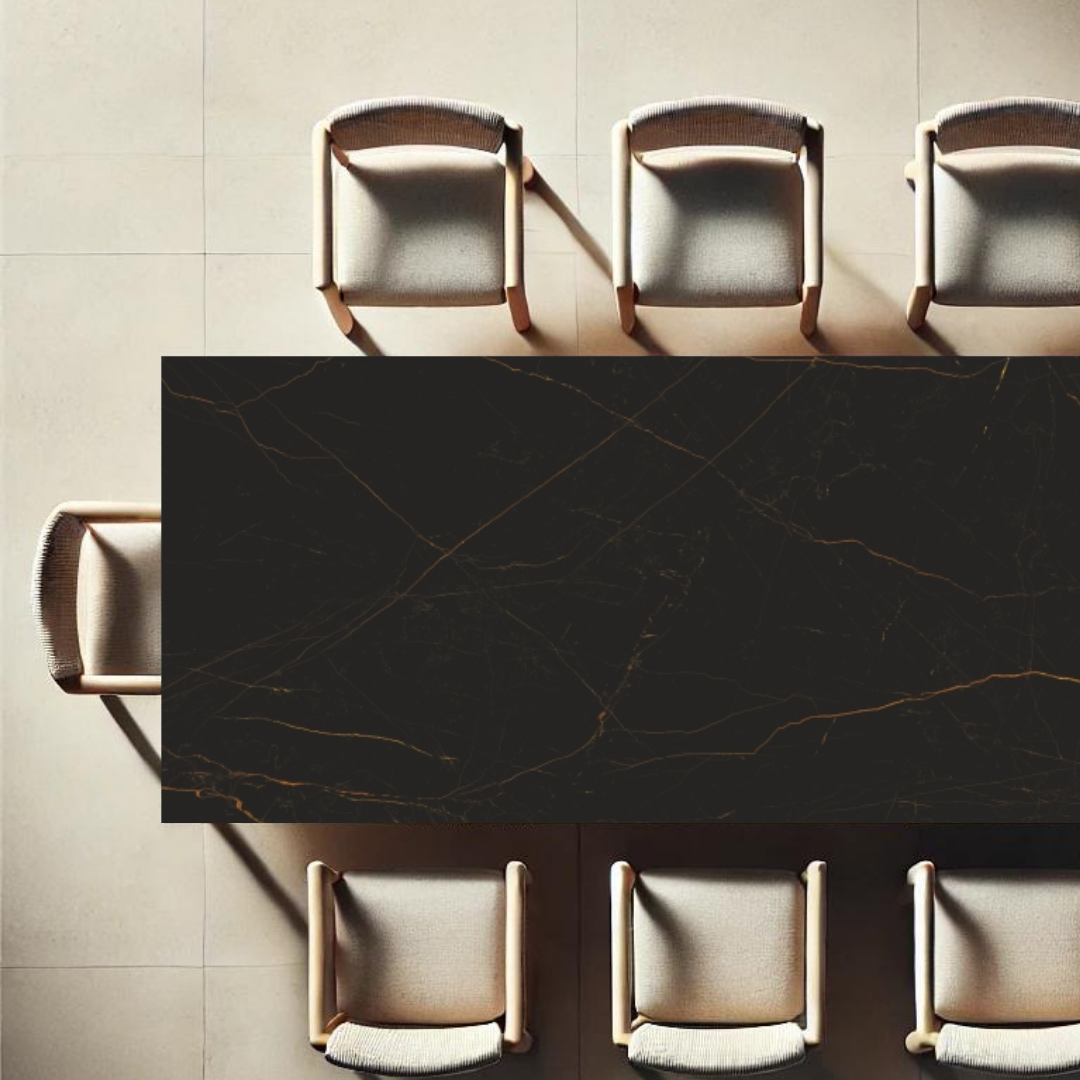
Designer Secrets: How Pros Choose Veining That Looks Natural
Designer Secrets: How Pros Choose Veining That Looks Natural
When it comes to selecting materials for architectural surfaces, the veining in stone slabs plays a crucial role in achieving a design that looks both beautiful and natural. The right veining can enhance the aesthetic appeal of a space, providing depth, contrast, and a sense of organic flow. In this article, we will explore the designer secrets behind choosing veining that looks natural, focusing on premium quartz, porcelain, and natural stone slabs.
Understanding Veining in Stone Slabs
Veining refers to the patterns and lines that run through slabs of stone. These can be subtle or pronounced, depending on the type of stone and its formation process. Natural stones like marble, granite, and quartzite are prized for their unique veining, which is a result of geological processes over millions of years. On the other hand, engineered stones like quartz and porcelain offer the advantage of customizable veining, allowing designers to achieve the desired look while maintaining durability and consistency.
1. The Importance of Color Coordination
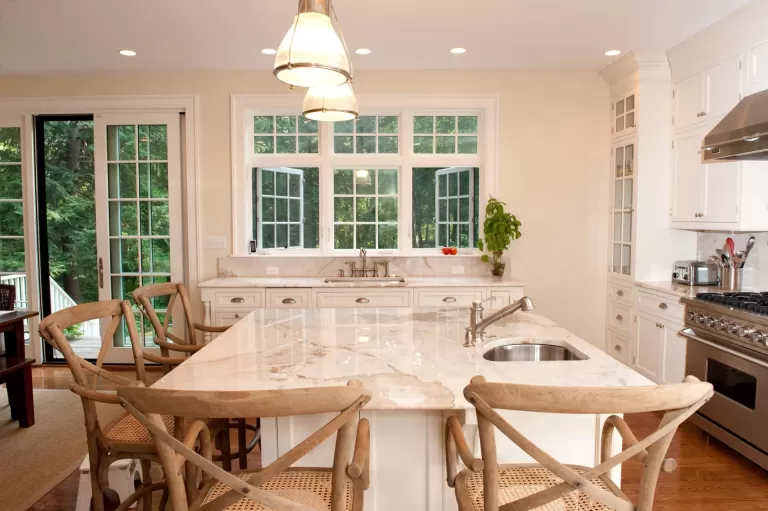
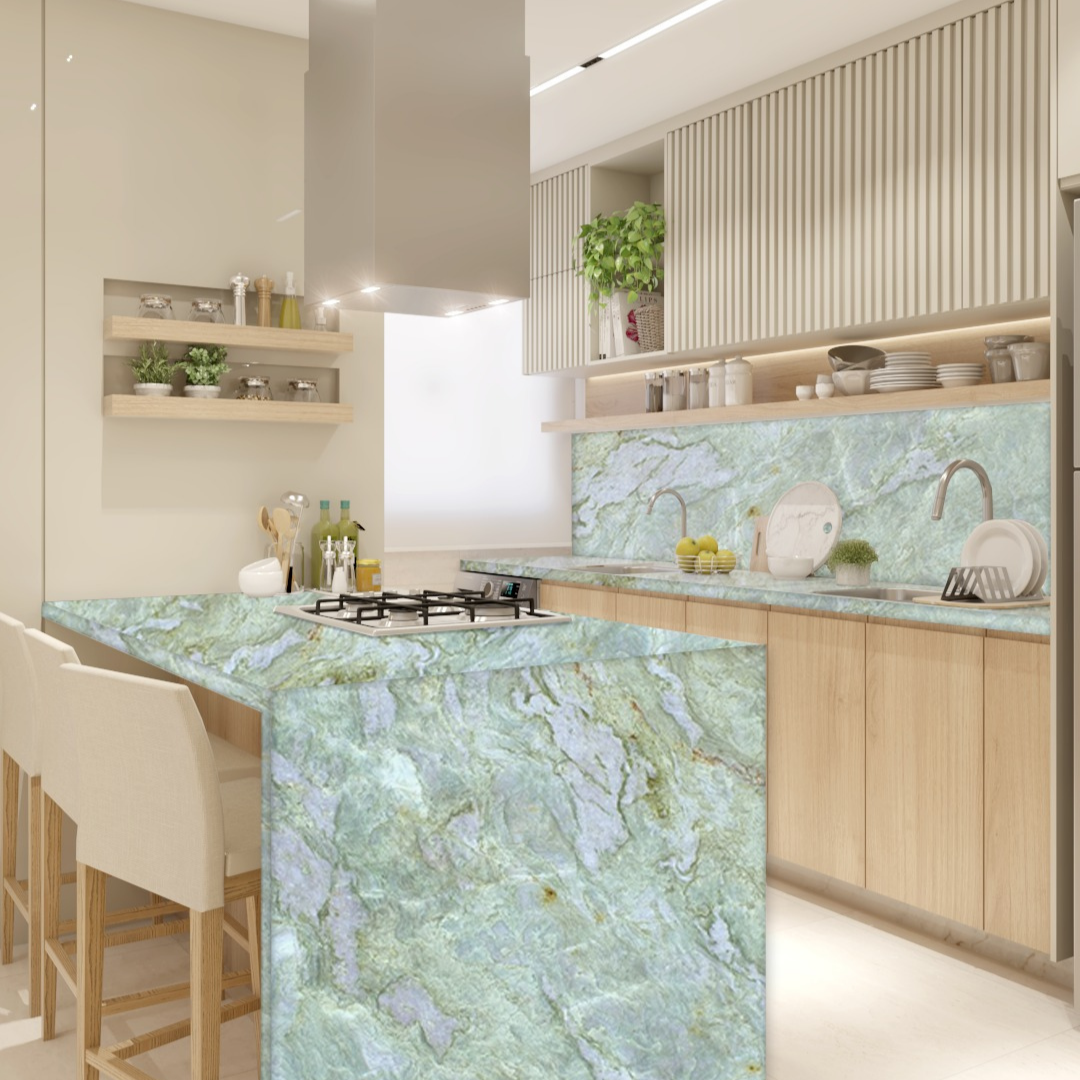
One of the first steps in choosing veining that looks natural is to consider the overall color palette of the space. Designers recommend selecting a stone slab whose veining complements the existing colors in the room. For instance, in a kitchen with warm wood cabinets, a quartz slab with warm beige or gold veining would create a cohesive look. In contrast, cool-toned veining in shades of gray or blue might suit a modern, sleek design.
2. Scale and Proportion Matter
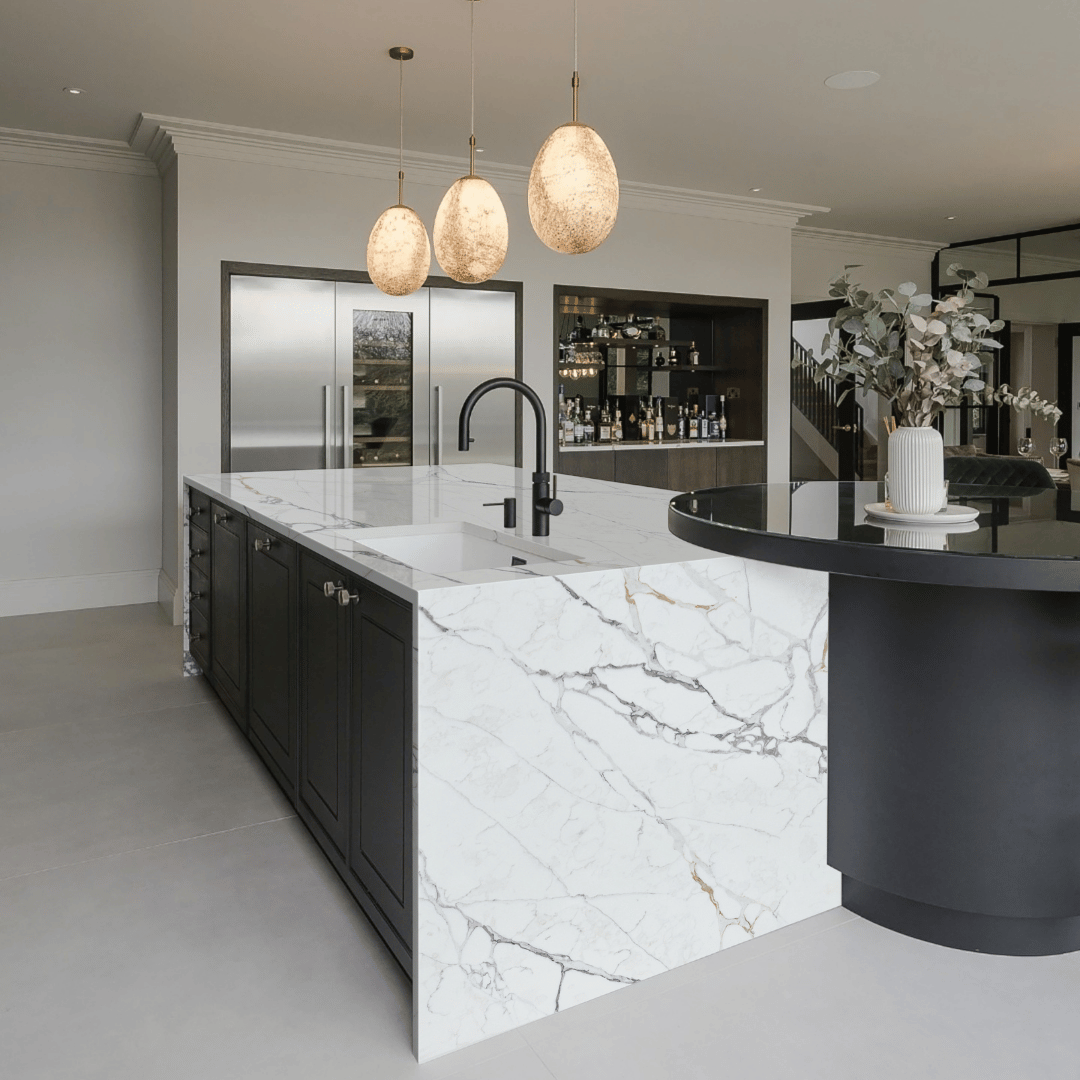
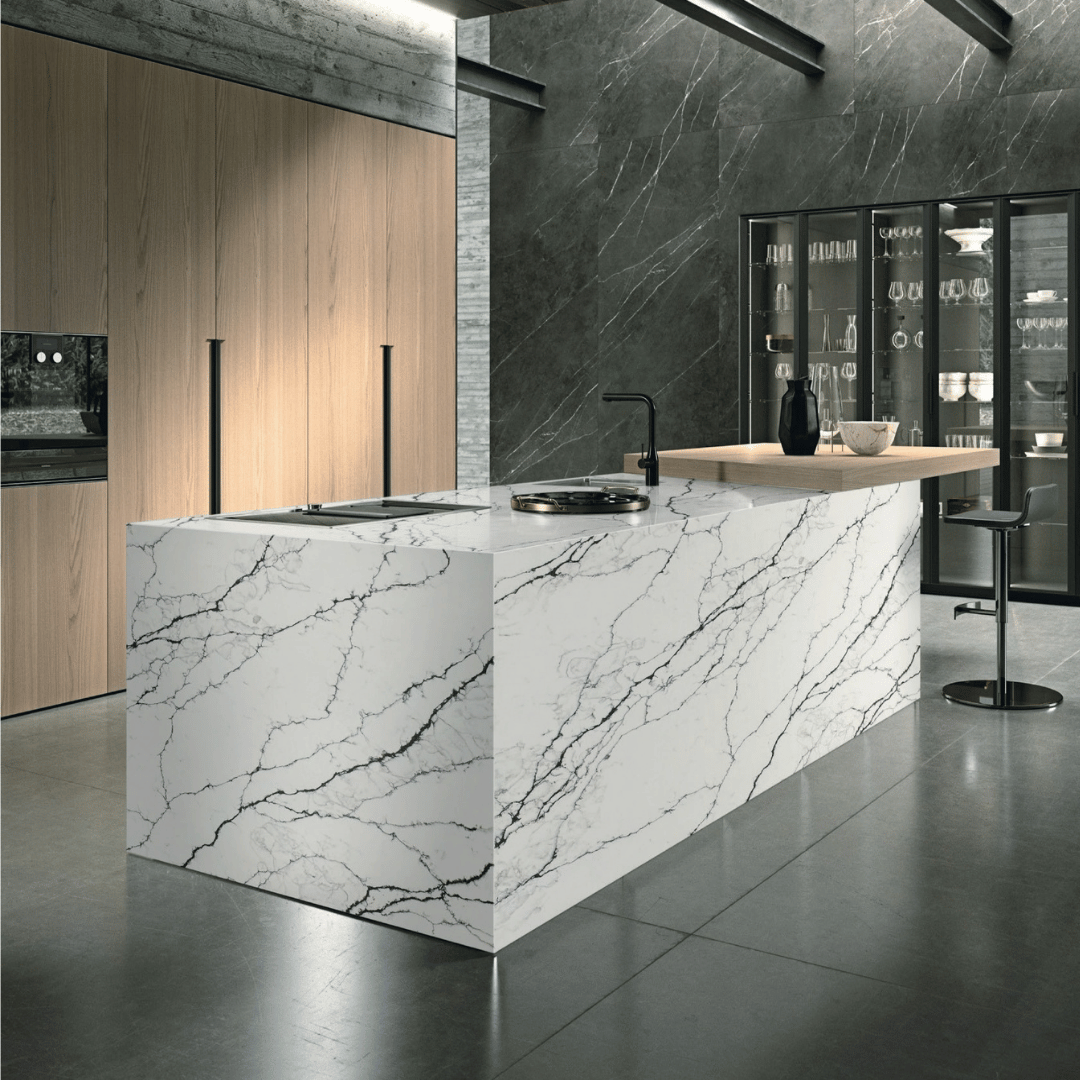
Another essential factor is the scale of the veining. Large, dramatic veins can make a bold statement but may overwhelm smaller spaces. Conversely, fine, delicate veins can add elegance without dominating the area. Designers often use a mix of both to create a balanced look, using larger veining on focal points like islands or countertops, while opting for subtler patterns in less prominent areas.
3. Embracing Natural Variation
When selecting natural stone, it’s important to embrace the inherent variations that come with it. Each slab of natural stone is unique, with its own veining patterns and color differences. Designers often recommend viewing multiple slabs to find one that speaks to the desired aesthetic. This approach ensures that the final installation looks organic and not overly uniform.
4. Consider the Finish
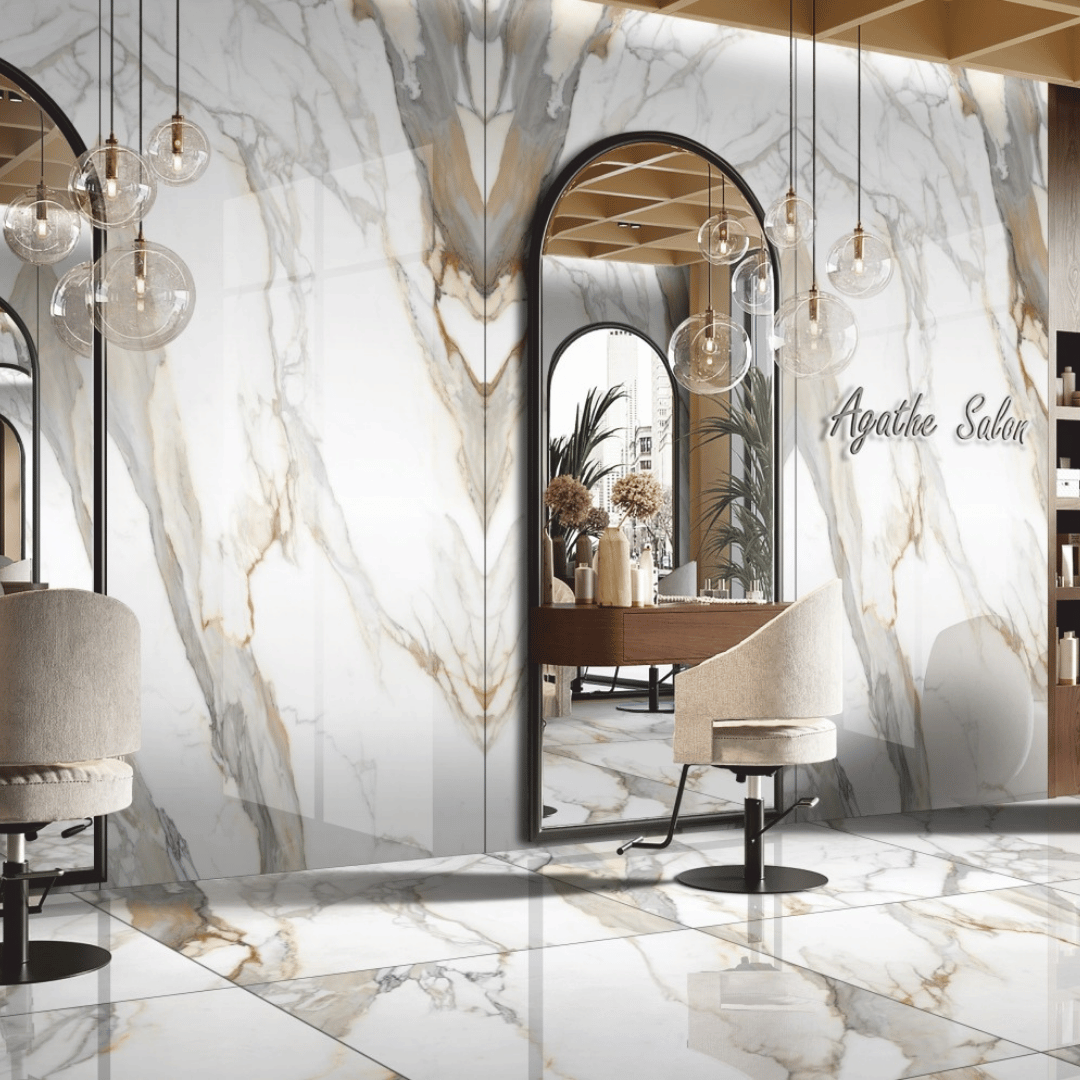
The finish of the stone slab can significantly impact how the veining appears. Polished finishes enhance the color and depth of the veining, making it more prominent, while matte finishes offer a softer, more subdued look. Designers may choose a polished finish for high-impact areas like kitchen countertops and a honed finish for flooring to provide a more understated elegance.
5. Matching Veining with Architectural Style
Different architectural styles call for different approaches to veining. For example, traditional designs may benefit from classic, flowing veining patterns found in marble, while contemporary spaces might call for more geometric and linear veins found in quartz or porcelain. Designers keep the overall style of the home in mind, ensuring that the veining enhances the architectural integrity of the space.
6. Layering Textures
Layering textures can create a visually rich environment. Designers often pair veined stone slabs with other materials such as wood, metal, or glass to add depth and interest. For example, a quartz countertop with bold veining can be complemented by sleek cabinetry or textured tile backsplashes to create a harmonious and dynamic design.
7. Testing Samples in Different Lighting
The way veining looks can change dramatically based on lighting conditions. Designers recommend testing samples in the actual space where they will be installed, under various lighting conditions throughout the day. This helps ensure that the veining appears as intended, whether in natural light or artificial light.
8. Seeking Professional Guidance
Finally, enlisting the help of a surface specialist can be invaluable when choosing veining that looks natural. Experts can provide insights into the latest trends, material performance, and maintenance requirements, ensuring that the selected slabs not only meet aesthetic expectations but also fit the practical needs of the space.
Conclusion
Choosing veining that looks natural in stone slabs is an art form that combines color coordination, scale, natural variation, finish type, architectural style, texture layering, lighting considerations, and professional guidance. By understanding these designer secrets, homeowners and builders can create stunning, cohesive spaces that reflect their unique style and vision. If you’re looking for premium quartz, porcelain, or natural stone slabs with exquisite veining, visit Builder Stone Global today.
For more information or to check our live inventory, view available slabs or contact our team for assistance. Let us help you transform your space with beautiful architectural surfaces!