Norcross Kitchen Countertops: The Ultimate Showdown Between Quartz and Porcelain
Norcross Kitchen Countertops: The Ultimate Showdown Between Quartz and Porcelain
When it comes to selecting the perfect countertop for your kitchen, the choices can be overwhelming. In Norcross, homeowners are increasingly drawn to two materials that stand out in terms of style, durability, and performance: quartz and porcelain. Both offer unique advantages, making them popular choices among interior designers, builders, and homeowners alike. In this article, we will explore the key differences between quartz and porcelain, helping you make an informed decision for your kitchen countertop.
Why Choose Premium Quartz, Porcelain & Natural Stone Slabs?
Choosing the right material for your kitchen countertop is essential to creating a functional and aesthetically pleasing space. Premium quartz and porcelain slabs provide a blend of beauty and durability, making them ideal for kitchen applications. These materials not only enhance the visual appeal of your kitchen but also withstand the rigors of daily use.
Understanding Quartz Countertops
Quartz countertops are engineered stone surfaces composed of approximately 90-95% crushed quartz crystals mixed with resins, polymers, and pigments. This combination results in a highly durable, non-porous surface that resists stains, scratches, and bacteria. Here are some of the key benefits of quartz countertops:
- Durability: Quartz is one of the hardest materials available, making it resistant to chips and cracks.
- Non-Porous Surface: Unlike natural stones, quartz countertops do not require sealing, making them low-maintenance.
- Variety of Colors and Patterns: Quartz is available in a wide range of colors and patterns, allowing homeowners to achieve their desired aesthetic.
- Consistent Appearance: Because quartz is engineered, it offers a uniform look that can be difficult to achieve with natural stones.
Exploring Porcelain Countertops
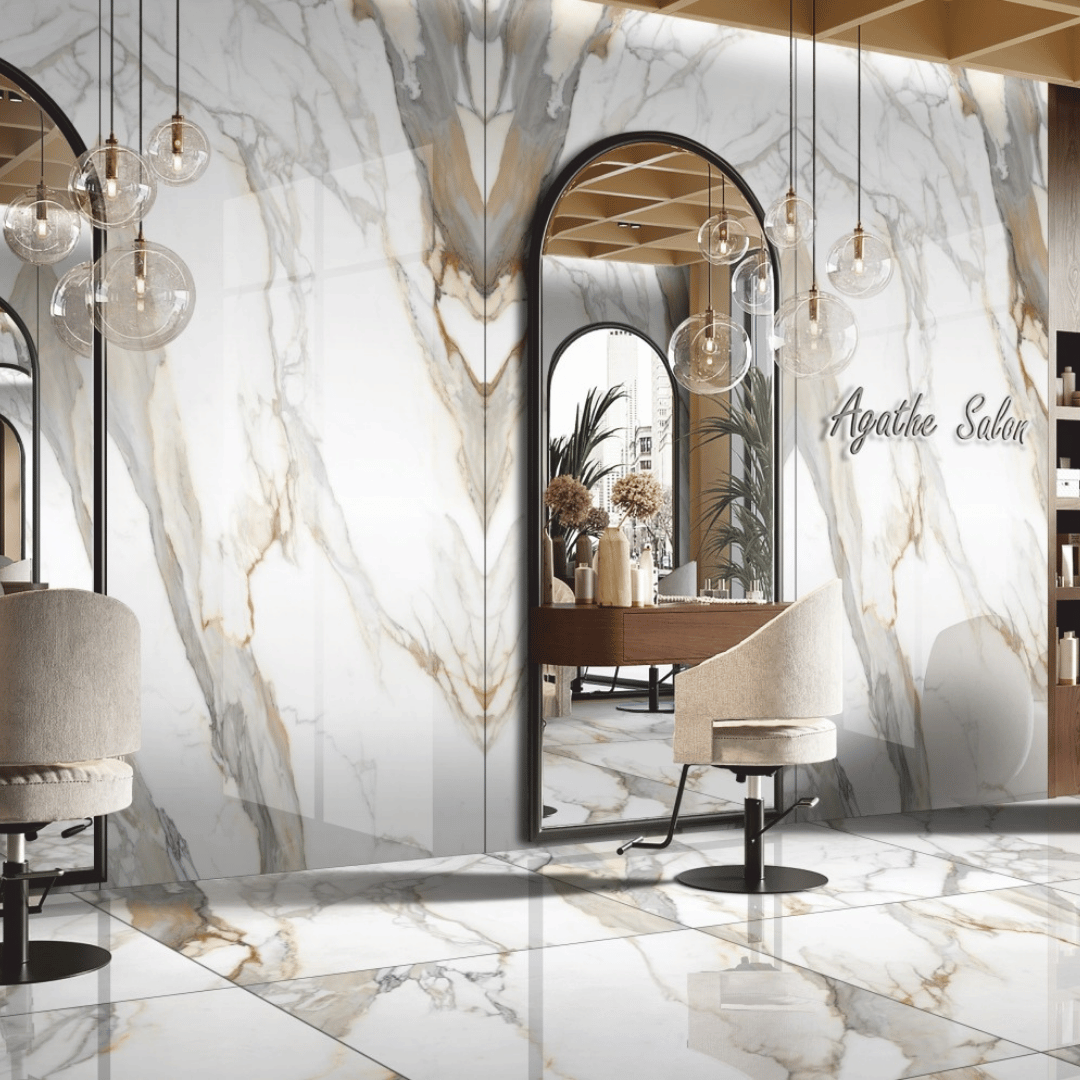
Porcelain countertops are made from a mixture of natural clay, kaolin, and other minerals that are fired at high temperatures to create a dense, durable surface. Porcelain is known for its versatility and can mimic the appearance of natural stone, wood, or even concrete. Here are some advantages of choosing porcelain countertops:
- Heat Resistance: Porcelain is highly resistant to heat, making it an excellent choice for kitchen environments where hot pots and pans may be placed directly on the surface.
- Scratch and Stain Resistance: Porcelain is non-porous, meaning it does not absorb liquids or flavors, making it resistant to stains and easy to clean.
- Lightweight: Compared to other materials, porcelain is lighter, making it easier to handle during installation.
- Eco-Friendly Options: Many porcelain manufacturers offer sustainable options made from recycled materials.
Head-to-Head: Quartz vs. Porcelain
1. Aesthetic Appeal
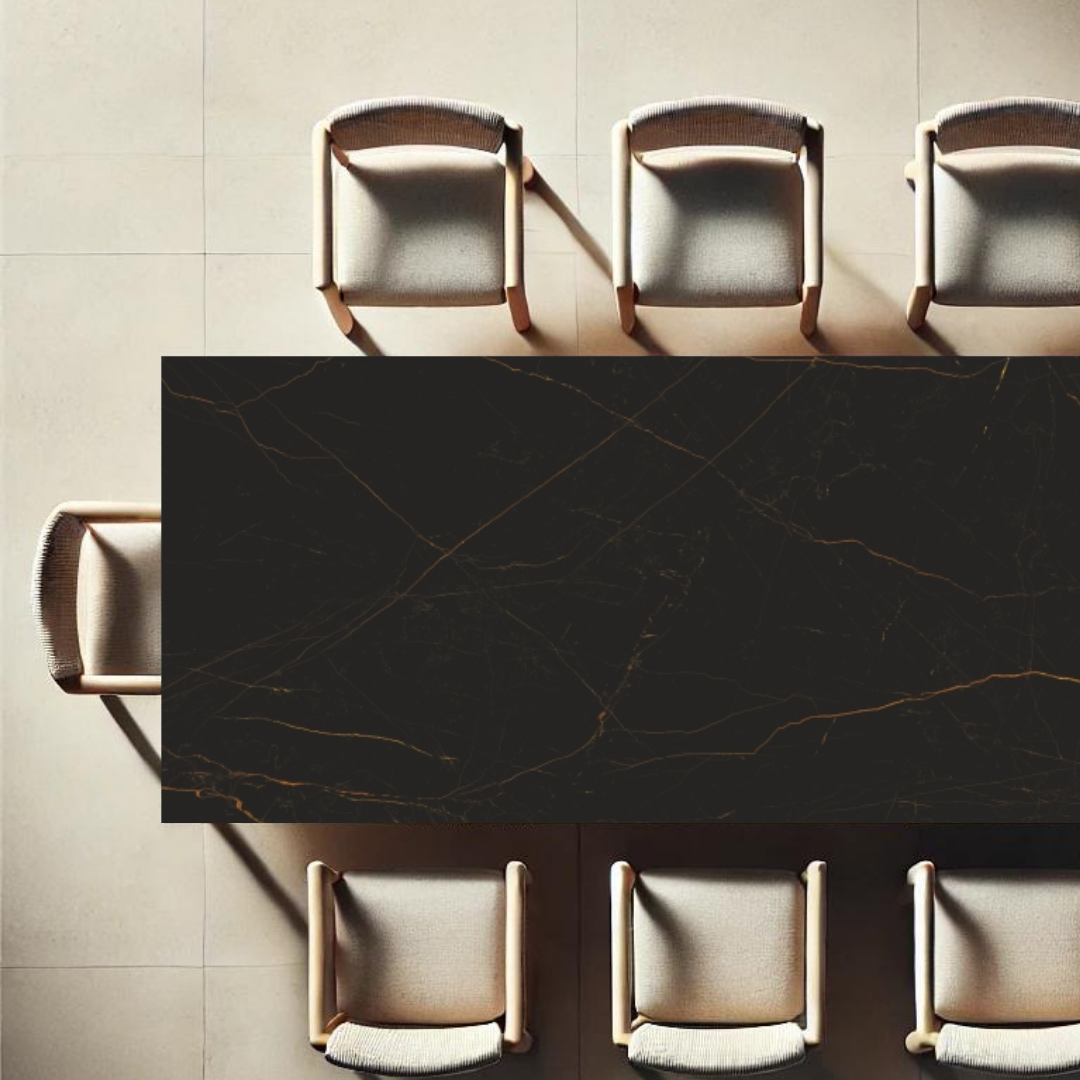
Both quartz and porcelain offer stunning visual options, but they differ in style. Quartz comes in a wider range of colors and patterns due to its engineered nature, while porcelain can beautifully replicate the look of natural stone. If you desire a specific design or color scheme for your kitchen, quartz may be the better choice.
2. Durability
When it comes to durability, both materials excel. Quartz is incredibly tough and resistant to scratches and chips, while porcelain’s high-temperature firing process makes it highly durable and heat-resistant. If your kitchen sees heavy use, either material will serve you well.
3. Maintenance
Quartz countertops require minimal maintenance due to their non-porous nature. They can be easily cleaned with soap and water. Porcelain, likewise, is easy to maintain but may require occasional sealing depending on the specific product. Both materials offer a low-maintenance solution compared to natural stones.
4. Cost
Cost can vary based on brand, quality, and installation. Generally, quartz slabs may be on the higher end of the price spectrum, whereas porcelain can offer budget-friendly options without compromising quality. It is essential to consider your budget when choosing between the two.
5. Installation
Both quartz and porcelain require professional installation due to their weight and the need for precise measurements. However, porcelain’s lighter weight may offer some flexibility in installation compared to heavier quartz slabs.
Kitchen Applications
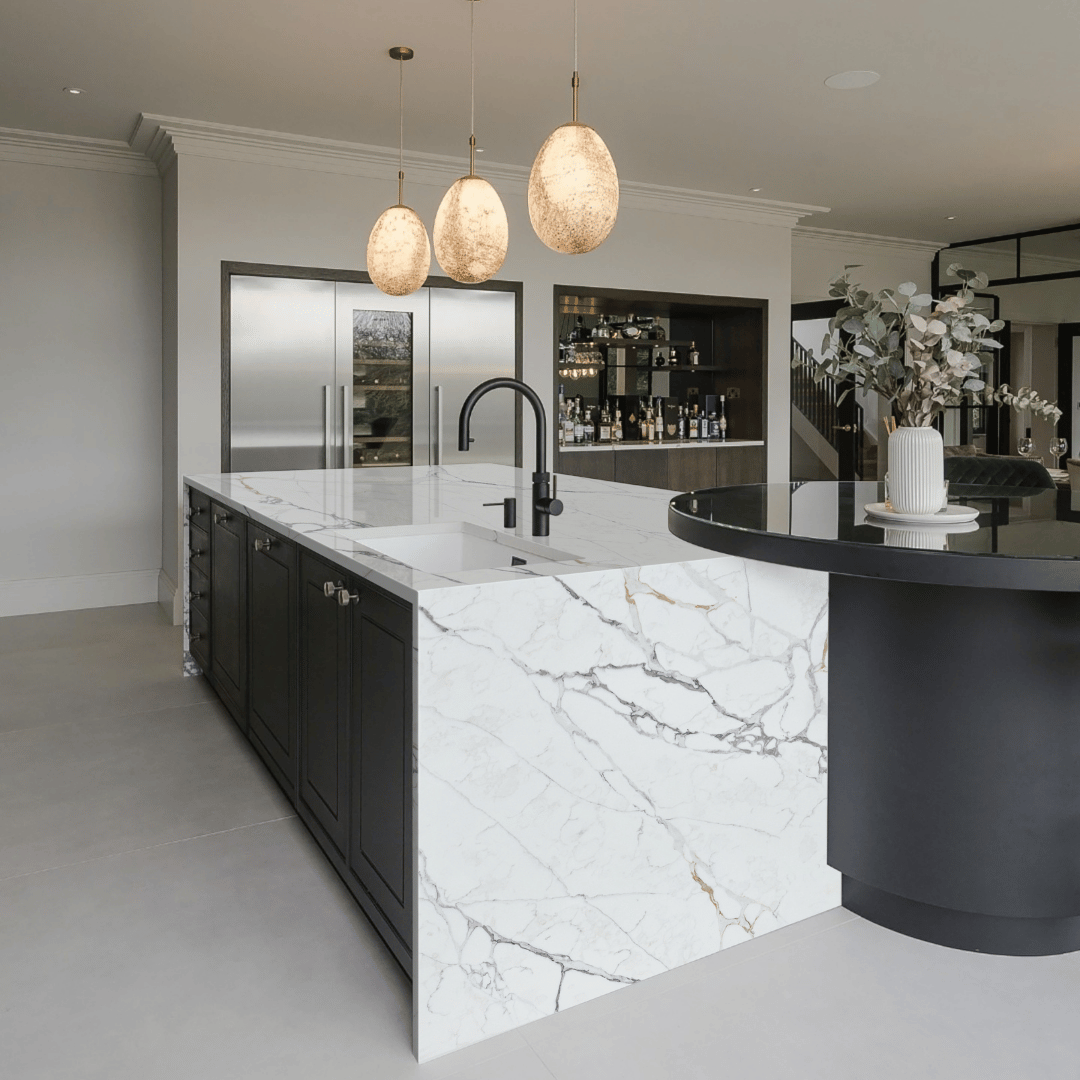
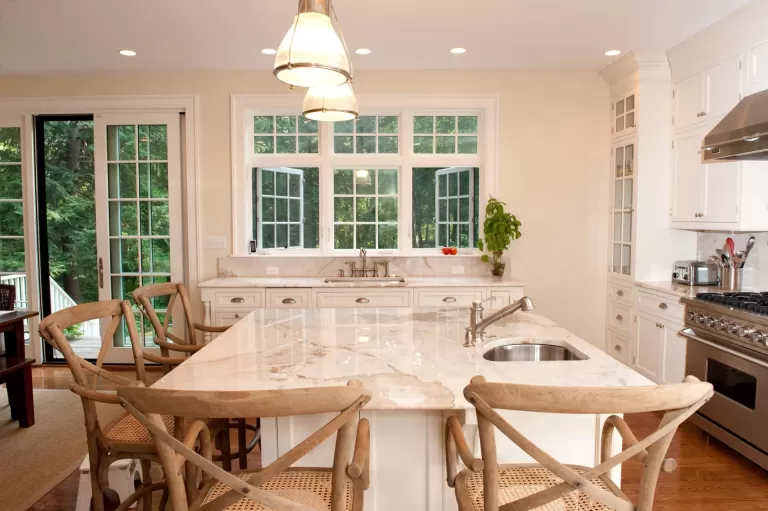
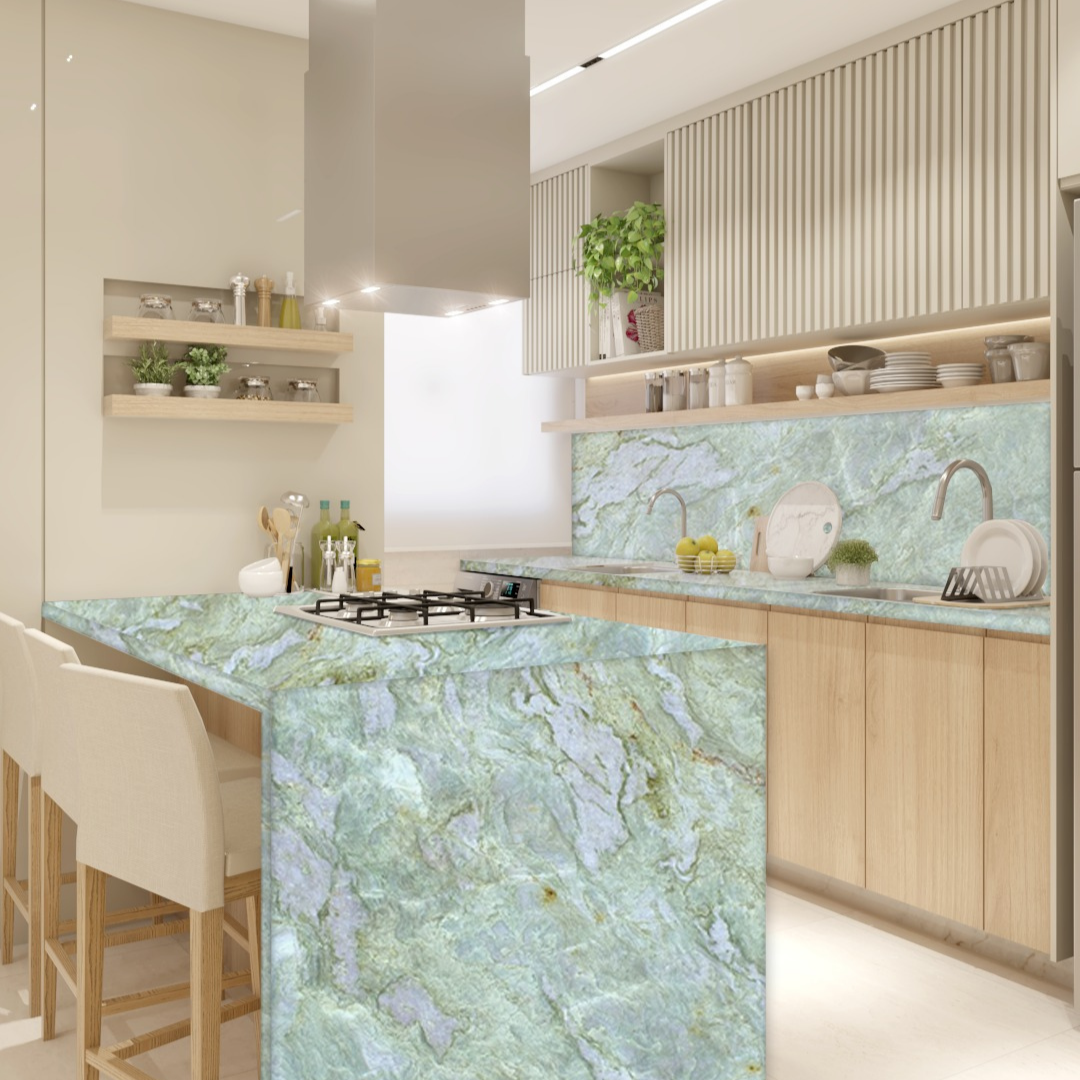
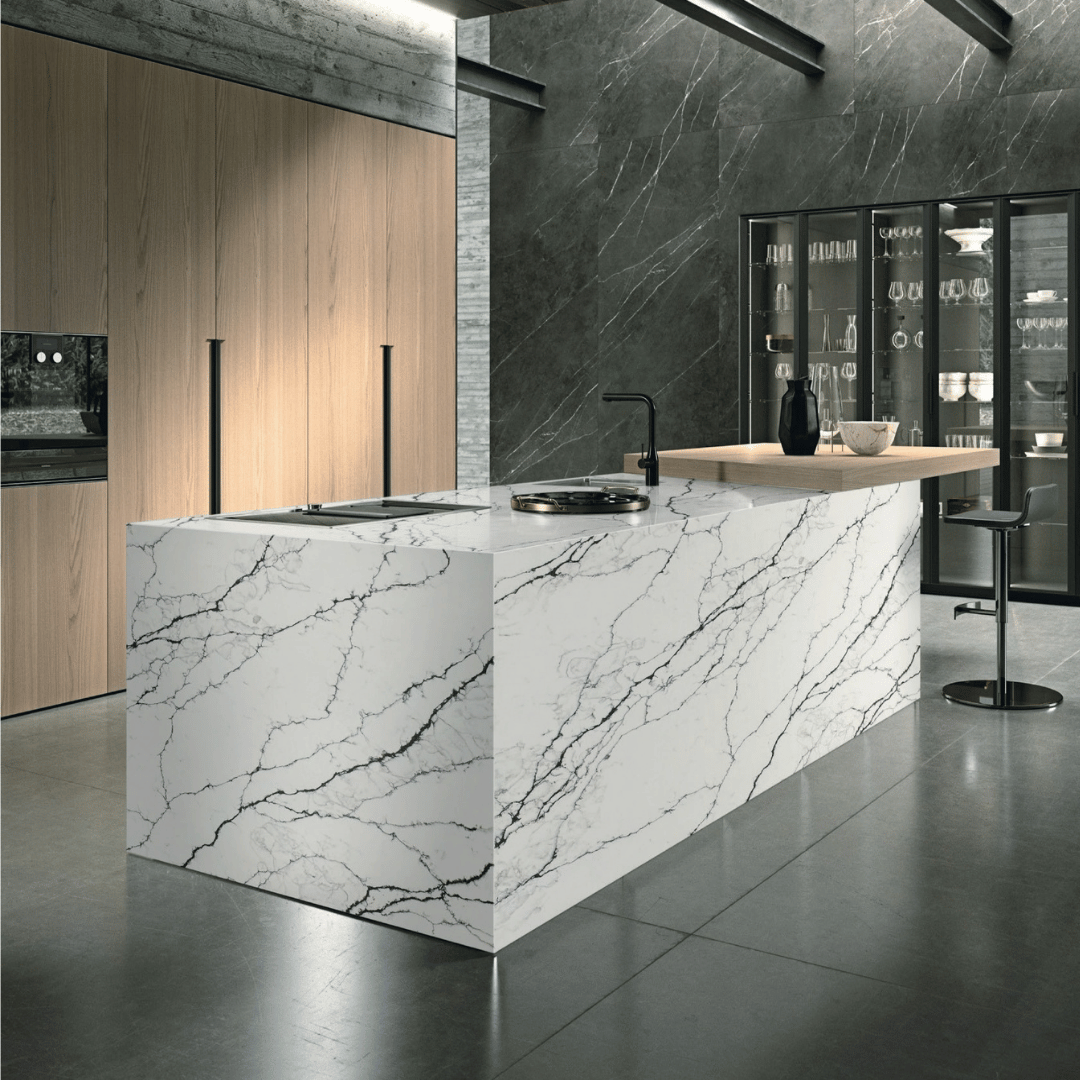
Both quartz and porcelain are highly versatile and suitable for various kitchen applications. Whether you are considering a countertop for a kitchen island, a breakfast bar, or a full kitchen renovation, both materials can enhance your kitchen’s functionality and style.
Architectural & Commercial Projects
For architects and designers working on commercial projects, the choice between quartz and porcelain can also be influenced by specific project requirements. Quartz’s durability makes it a favorite for high-traffic areas, while porcelain’s design flexibility allows it to adapt to various architectural styles.
Dealer & Fabricator Partnership Program
At Builder Stone Global, we offer a comprehensive partnership program for dealers and fabricators looking to provide high-quality quartz and porcelain options to their clients. Our extensive inventory and commitment to quality make us a trusted source for premium slabs in Norcross and beyond.
Frequently Asked Questions About Quartz, Porcelain & Natural Stone Slabs
1. **What is the difference between HD quartz and standard quartz?**
HD quartz offers enhanced durability and performance compared to standard quartz due to its advanced manufacturing techniques.
2. **What are full body vs non-full body porcelain slabs?**
Full body porcelain is colored throughout, while non-full body porcelain has a colored surface with a different color underneath.
3. **What slab thickness options are available?**
Slab thicknesses typically range from 1cm to 3cm, depending on the material.
4. **Are there edge profile limitations?**
Yes, certain edge profiles may be limited based on the material and thickness of the slab.
5. **How durable is porcelain?**
Porcelain is highly durable, resistant to scratches, chips, and stains.
6. **What is the heat resistance of quartz and porcelain?**
Porcelain has a higher heat resistance compared to quartz.
7. **What are the fabricator requirements for installation?**
Fabricators should have experience with the specific material being used for proper installation.
8. **How can I check inventory availability?**
You can check our live inventory on our website.
9. **What are typical lead times for ordering slabs?**
Lead times can vary based on availability and order size; please contact us for specifics.
How to Contact Builder Stone Global
If you’re ready to elevate your kitchen with premium quartz or porcelain countertops, contact our team at Builder Stone Global. Our surface specialists are here to assist you in finding the perfect slab for your project. Call us at +1 470-551-2092 or request slab information to schedule a showroom visit today!
In conclusion, both quartz and porcelain have unique features that make them excellent choices for kitchen countertops. Your decision will depend on your specific needs, style preferences, and budget. Whether you choose quartz or porcelain, you can be confident that either material will provide beauty and durability for years to come.