Quartz Slabs vs Porcelain: A Comprehensive Durability Comparison for Architectural Surfaces
Quartz Slabs vs Porcelain: A Comprehensive Durability Comparison for Architectural Surfaces
Updated on August 14, 2026
When it comes to choosing materials for countertops, flooring, and other architectural surfaces, durability is a key consideration for homeowners, architects, and builders alike. Among the most popular options are quartz slabs and porcelain slabs, both renowned for their beauty and functionality. In this article, we will delve deep into the durability of quartz and porcelain, providing insights to help you make an informed decision for your next project.
Why Choose Premium Quartz and Porcelain Slabs?
Quartz and porcelain are both exceptional materials that offer a range of benefits. Quartz slabs are engineered stones made from natural quartz crystals combined with resins and pigments, resulting in a non-porous surface that is highly resistant to stains and scratches. On the other hand, porcelain slabs are made from clay and other natural minerals, fired at high temperatures to create a dense, durable material. Understanding the nuances of each can help you select the right option for your needs.
Durability Comparison: Quartz Slabs
Quartz slabs are known for their impressive durability. Here are some of the key factors that contribute to their resilience:
- Scratch Resistance: Quartz slabs have a high resistance to scratches due to their non-porous nature. The resin used in their composition provides a strong surface that can withstand the wear and tear of everyday use, making it an ideal choice for kitchen countertops.
- Stain Resistance: Because quartz is non-porous, it is highly resistant to stains from common household substances like wine, coffee, and oils. This makes maintenance easier, as spills can be wiped away without fear of discoloration.
- Impact Resistance: Quartz is inherently strong and can withstand impacts better than many natural stones. This quality makes it a popular choice for high-traffic areas.
- Heat Resistance: While quartz can handle moderate heat, it’s important to use trivets or hot pads to protect the surface from extreme temperatures, as high heat can cause the resin to warp.
Durability Comparison: Porcelain Slabs
Porcelain slabs also offer remarkable durability. Here’s a closer look at what makes porcelain a strong contender:
- Scratch and Chip Resistance: Porcelain is incredibly hard, making it resistant to scratches and chips. Its dense surface ensures that it maintains its integrity even in busy environments.
- Stain Resistance: Similar to quartz, porcelain is non-porous and resists staining, allowing for easy cleanup of spills without worrying about long-term damage.
- Heat Resistance: Porcelain is highly heat resistant and can withstand high temperatures without sustaining damage. This makes it an excellent choice for kitchen applications where hot pots and pans may come into contact with the surface.
- Fade Resistance: Porcelain maintains its color over time, even when exposed to sunlight, making it suitable for outdoor applications as well.
Considerations for Selecting Between Quartz and Porcelain
While both materials offer exceptional durability, there are a few considerations to keep in mind when selecting between quartz slabs and porcelain:
- Design Versatility: Quartz slabs come in a wide variety of colors and patterns, often mimicking the look of natural stones. Porcelain slabs also offer diverse design options, including large format tiles that can create seamless surfaces.
- Installation: The installation process for both materials varies. Quartz is generally easier to install due to its weight and flexibility, while porcelain may require specialized tools due to its density.
- Cost: Pricing can vary significantly between quartz and porcelain depending on the brand, style, and source. Generally, quartz tends to be more expensive due to its manufacturing process.
- Long-Term Value: Evaluate how each material will perform in your specific environment. Consider factors such as exposure to heat, potential for scratches, and overall wear and tear when making your decision.
Kitchen and Bathroom Applications
Both quartz and porcelain are excellent choices for kitchen and bathroom applications due to their durability:
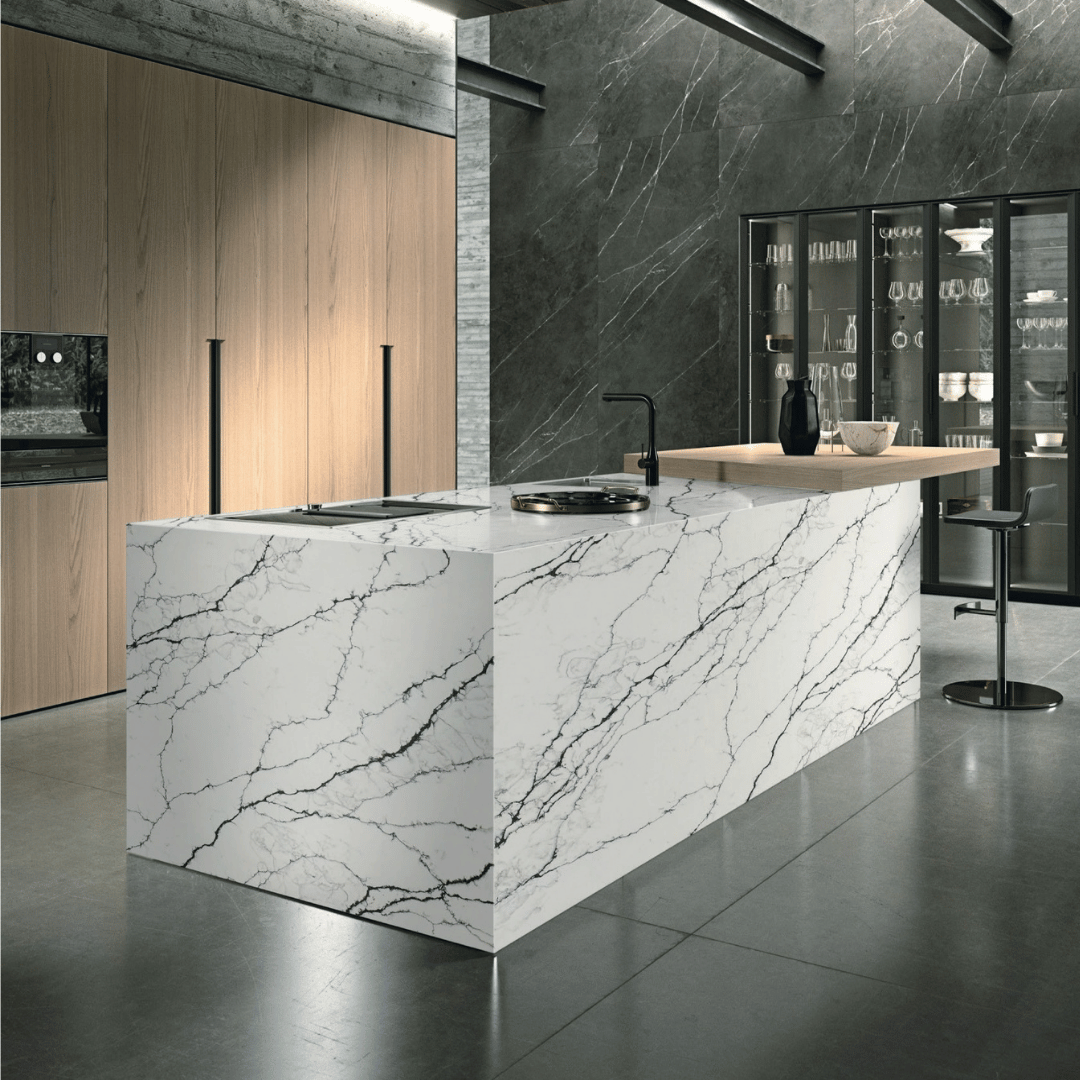
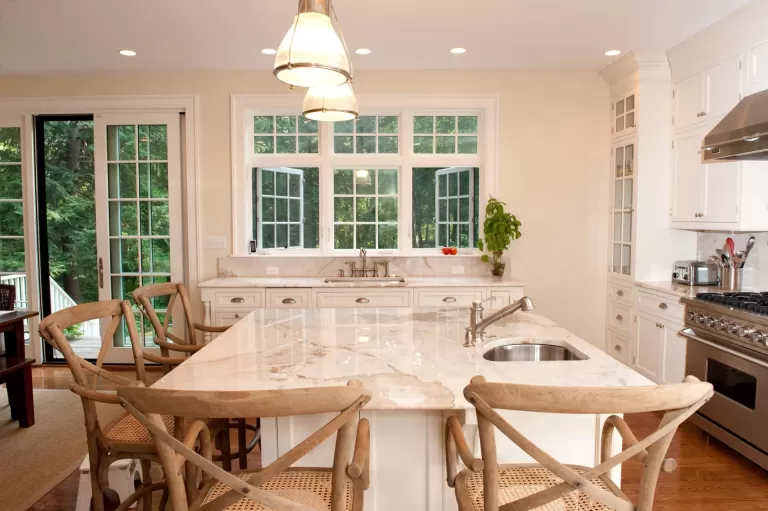
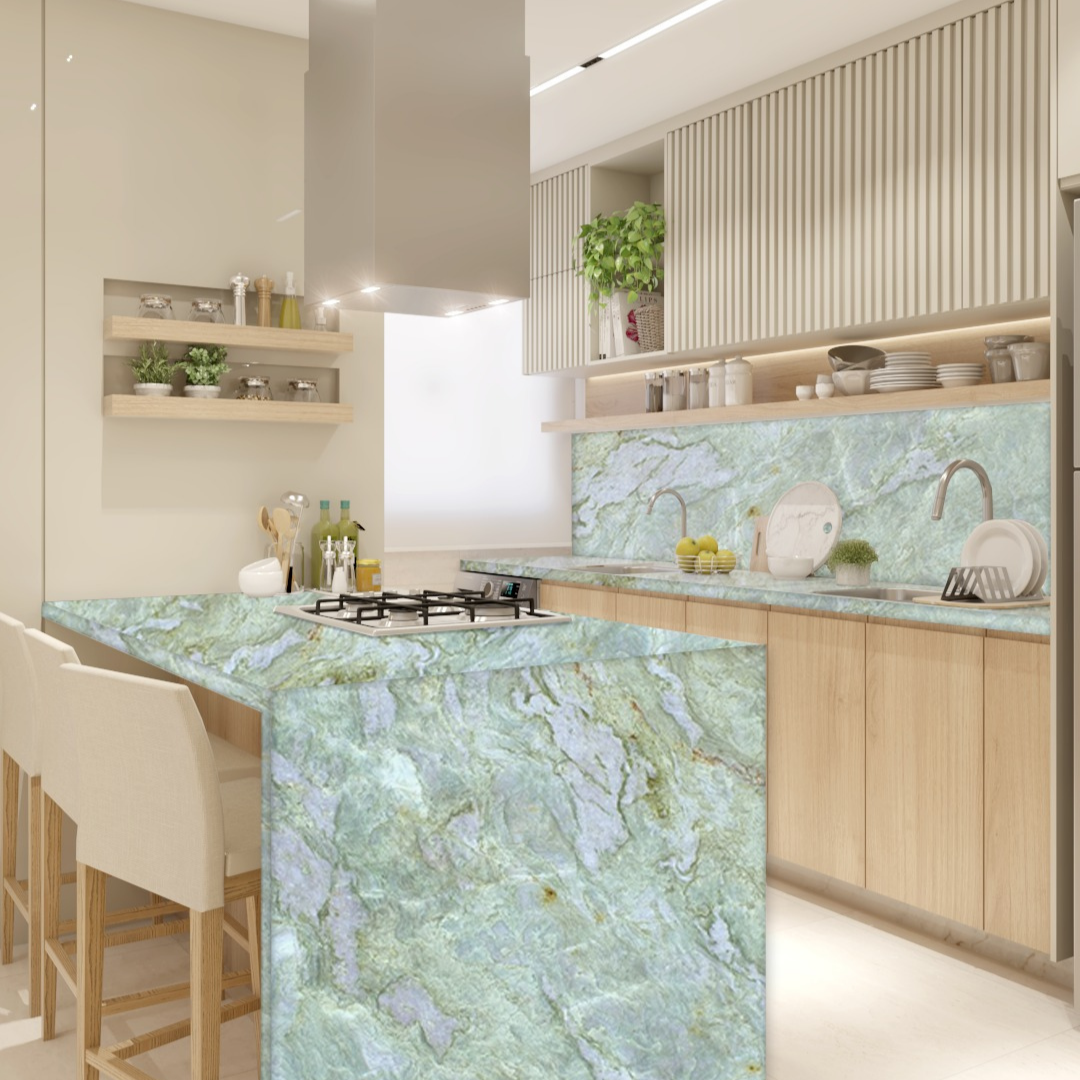
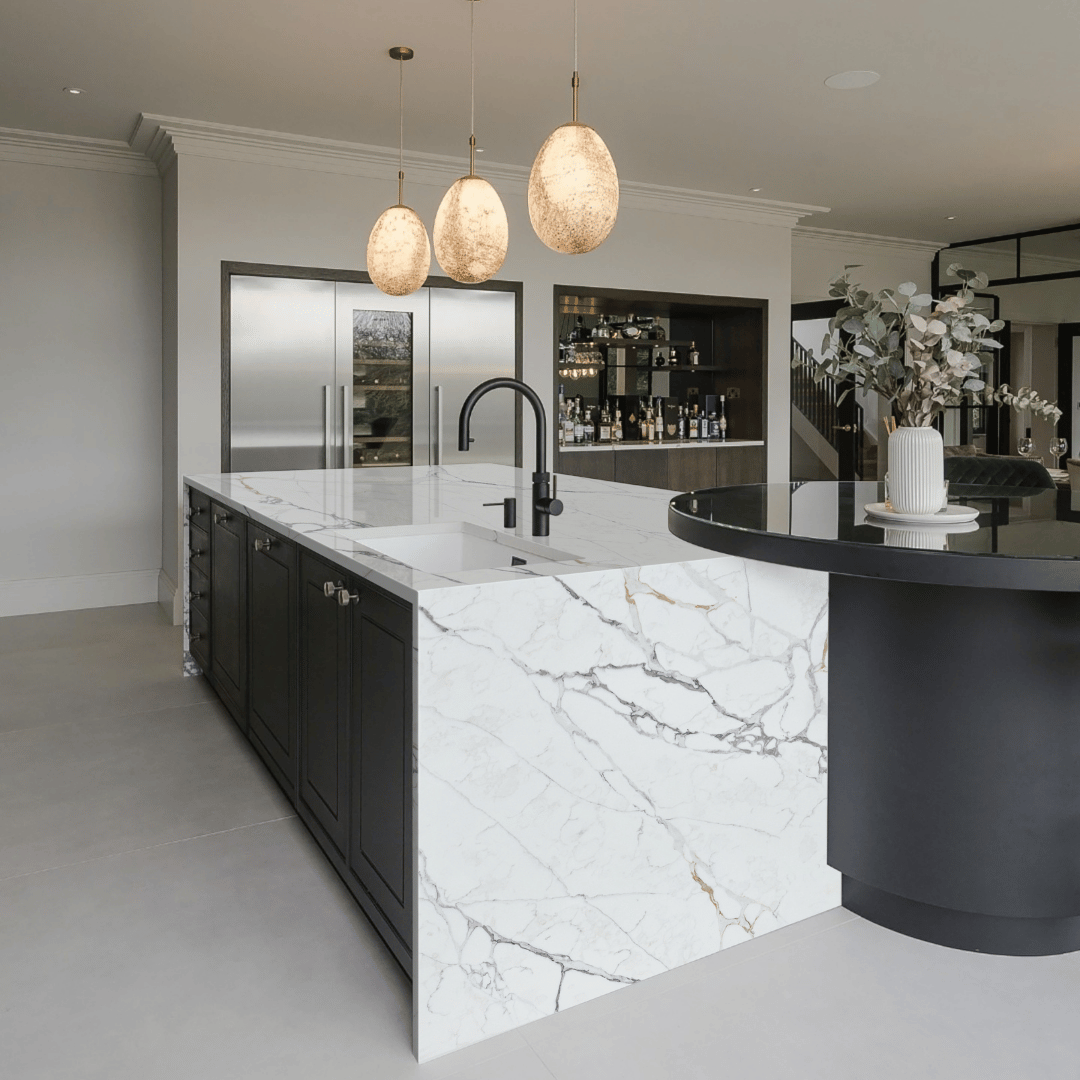
- Kitchen Countertops: Quartz shines in kitchen environments where stains and scratches are a concern. Porcelain is equally effective, especially for those who prefer a more contemporary look.
- Bathroom Vanities: Both materials can create stunning bathroom vanities that are resistant to moisture and humidity, ensuring long-lasting beauty.
Architectural and Commercial Projects
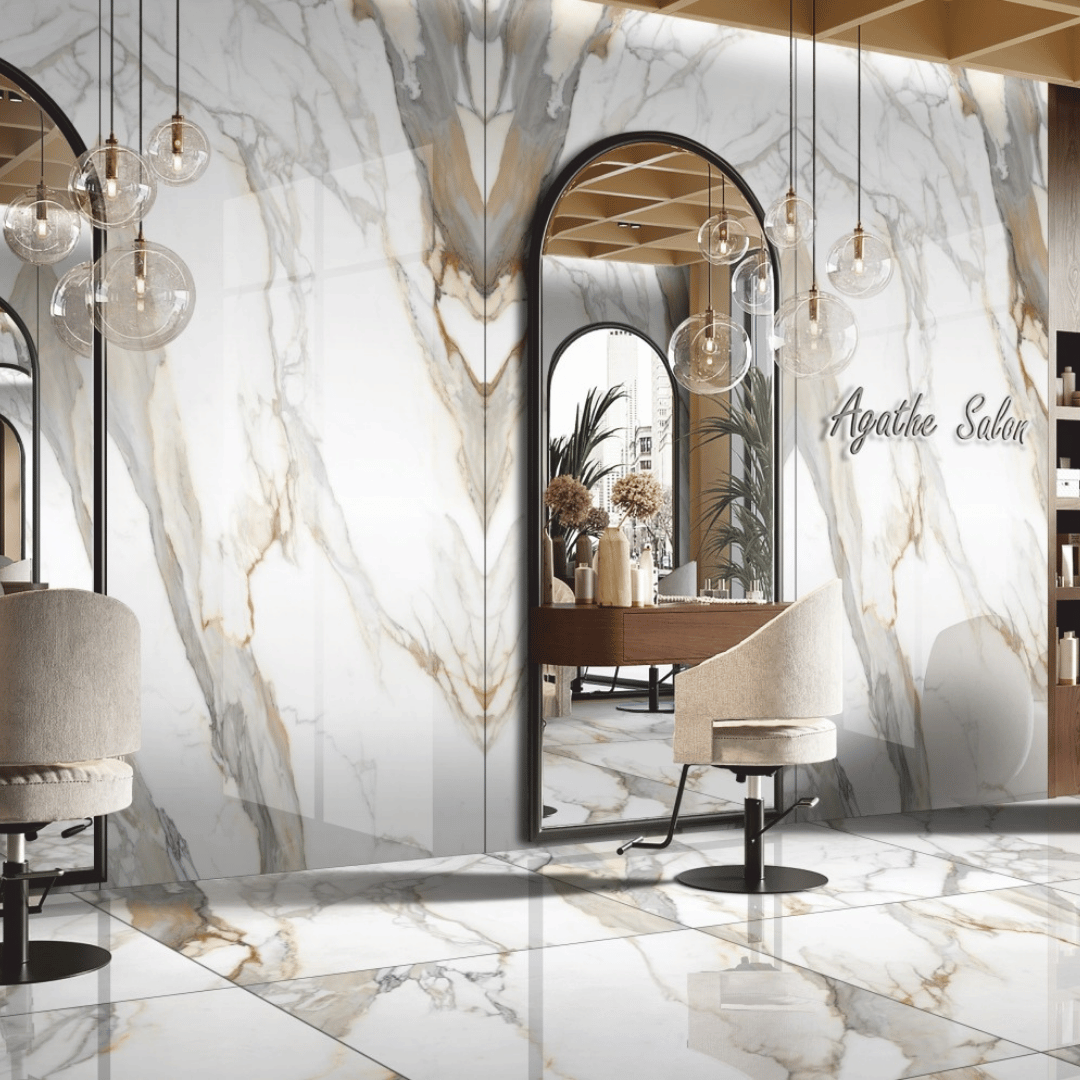
In architectural and commercial settings, the durability of the chosen materials is paramount. Quartz and porcelain slabs provide the strength needed for high-traffic areas:
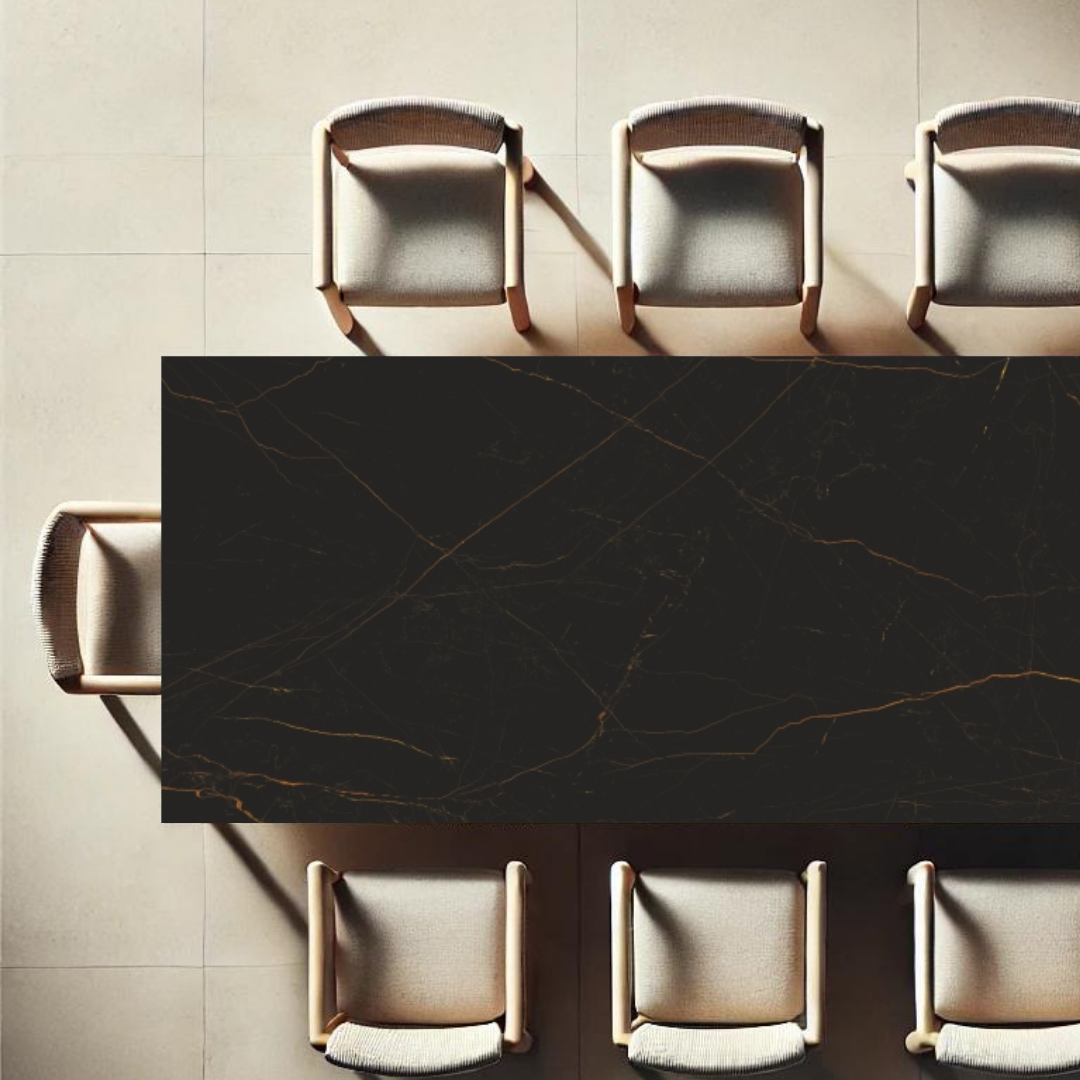
- Commercial Kitchens: Porcelain’s heat and scratch resistance make it ideal for commercial kitchens, while quartz provides a beautiful option that can withstand daily use.
- Retail Spaces: Both options can enhance the aesthetic of retail spaces while offering the durability needed to handle foot traffic and spills.
Dealer & Fabricator Partnership Program
For fabricators and dealers looking to supply high-quality quartz and porcelain slabs, Builder Stone Global offers a robust partnership program. By partnering with us, you gain access to:
- Extensive in-stock quartz and porcelain inventory
- Luxury surface collections designed for impact
- Reliable regional distribution for timely project completion
Frequently Asked Questions About Quartz and Porcelain Slabs
Here are some common questions regarding the durability of quartz and porcelain slabs:
- What is the difference between HD quartz and standard quartz?
- What are full body vs non-full body porcelain slabs?
- What slab thickness options are available for quartz and porcelain?
- Are there edge profile limitations for quartz and porcelain slabs?
- How durable is porcelain compared to quartz?
- How heat resistant are quartz and porcelain slabs?
- What are the fabricator requirements for working with quartz and porcelain?
- How can I check inventory availability for quartz and porcelain slabs?
- What are the average lead times for orders?
How to Contact Builder Stone Global
For more information on quartz and porcelain slabs, or to schedule a showroom appointment in Norcross, GA, please contact our team. We are here to help you find the perfect surfaces for your architectural needs.
Call us at +1 470-551-2092 or visit our contact page to request slab information.
Conclusion
Ultimately, both quartz slabs and porcelain slabs are durable materials that offer unique benefits. Your choice will depend on your specific needs, design preferences, and the demands of your space. By evaluating the durability characteristics and applications of each, you can make a well-informed decision that ensures long-lasting beauty and performance for your surfaces.