
How Stone Slabs Are Graded: A Comprehensive Guide for Atlanta Homeowners
How Stone Slabs Are Graded: A Comprehensive Guide for Atlanta Homeowners
When it comes to selecting the perfect stone slabs for your home renovation or construction project, understanding the grading system can save you time, money, and stress. Stone slabs, whether they are granite, quartzite, or porcelain, come in various grades that indicate their quality, appearance, and durability. This guide aims to educate Atlanta homeowners on how stone slabs are graded and what to look for when making your choice.
Why Grading Matters
The grading of stone slabs is essential because it affects not only the aesthetic appeal but also the longevity and functionality of the surface. Higher-grade slabs typically offer better performance, uniformity, and fewer defects, making them a preferred choice for high-end projects. Understanding the grading system allows you to make informed decisions that align with your style and budget.
Understanding the Grading System
Stone slabs are generally graded on a scale from A to D, with A being the highest quality. The grading criteria can vary depending on the type of stone, but the following factors are commonly considered:
1. Appearance
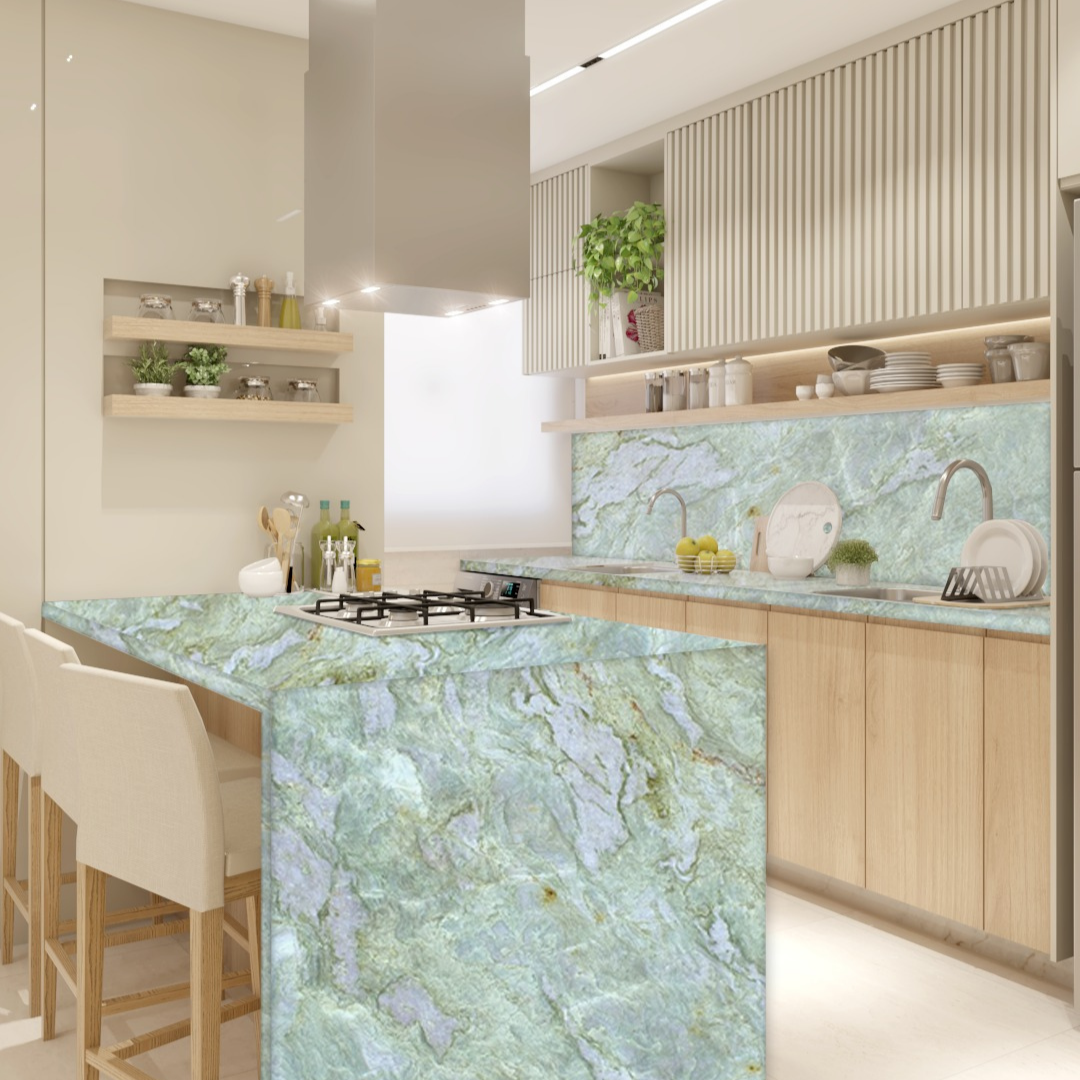
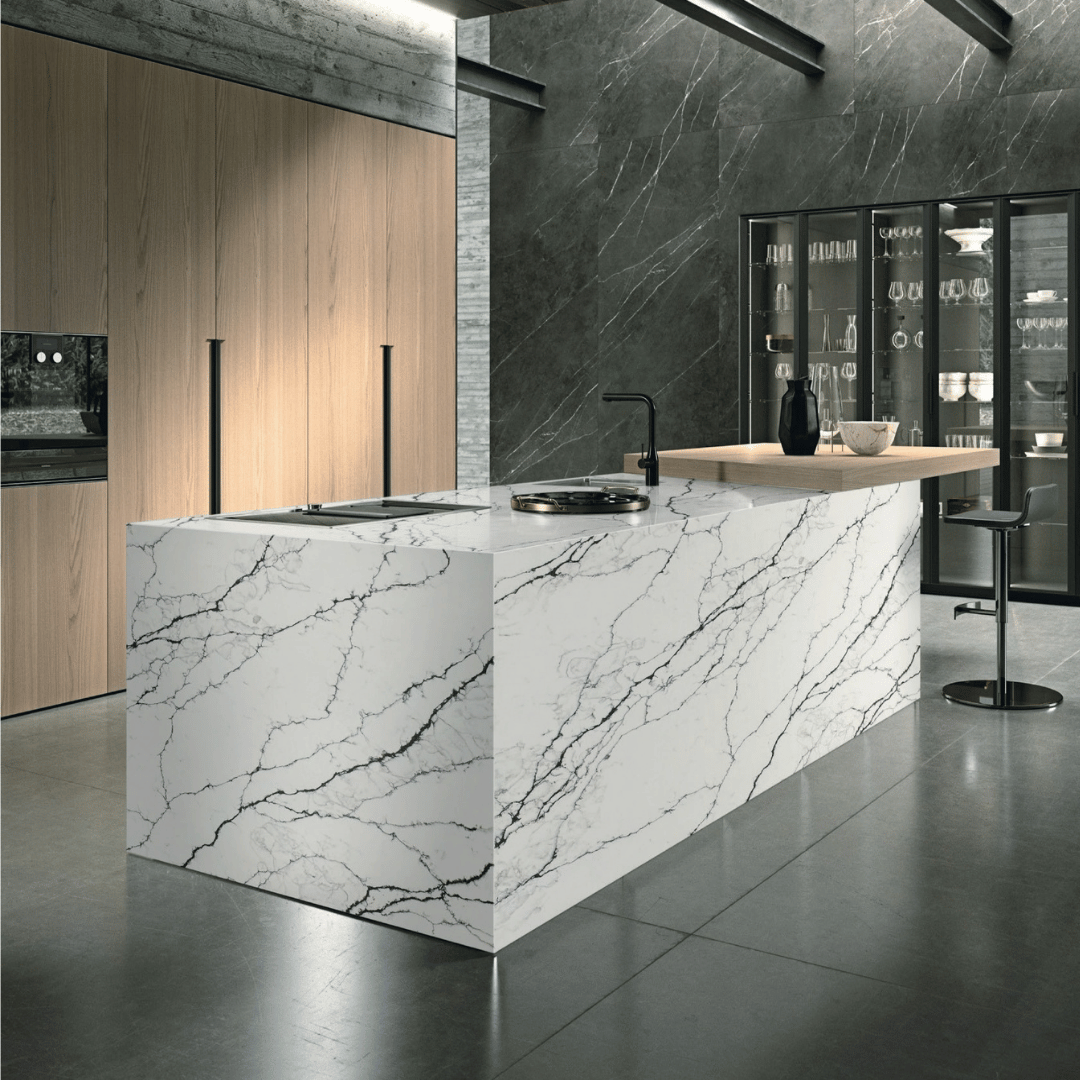
The visual characteristics of the slab are a significant factor in grading. High-grade slabs usually have consistent color patterns, minimal veining, and fewer blemishes. In contrast, lower-grade slabs may display more variations and imperfections.
2. Thickness
Thickness is another crucial aspect of grading. Premium slabs often come in thicker options, providing enhanced durability and allowing for more intricate edge profiles. Standard thicknesses typically range from 2 cm to 3 cm, but higher-grade options may offer thicker profiles.
3. Durability and Performance
Durability is a vital consideration when grading stone slabs. High-grade materials are less porous, more resistant to stains, and can withstand heat and heavy use. For instance, porcelain slabs are known for their excellent durability, making them suitable for both kitchen and bathroom applications.
4. Sourcing and Manufacturing
The origin of the stone and the manufacturing process also play a role in grading. Slabs sourced from reputable quarries and processed under strict quality control standards tend to be graded higher. This ensures that the materials meet specific performance criteria and aesthetic standards.
Types of Stone Slabs and Their Grades
Let’s explore the grading specifics for different types of stone slabs commonly used in Atlanta homes:
Granite
Granite slabs are graded based on color consistency, thickness, and the presence of natural fissures. Grade A granite is uniformly colored with minimal imperfections, while lower grades may have visible flaws and more significant color variations.
Quartzite
Quartzite slabs are graded similarly to granite, focusing on the consistency of color and pattern. High-grade quartzite will have fewer natural inclusions, providing a more elegant appearance.
Porcelain
Porcelain slabs are graded on their manufacturing process and durability. Grade A porcelain offers high resistance to scratches and stains, while lower grades may not have the same performance guarantees.
How to Choose the Right Grade for Your Project
Choosing the right grade of stone slabs depends on your project requirements and budget. Here are some tips to help you make the right choice:
1. Assess Your Needs
Consider where you plan to install the slabs. High-traffic areas like kitchens and bathrooms may benefit from higher-grade materials, while lower grades may suffice for decorative applications.
2. Budget Wisely
While higher-grade slabs offer superior quality, they also come at a premium price. Balancing your budget with your aesthetic goals is crucial. Remember to factor in the long-term value of investing in higher-grade materials.
3. Consult with Professionals
Working with experienced countertop fabricators and stone suppliers can provide valuable insights into the best options for your needs. They can guide you in selecting the right grade based on your specific project requirements.
Frequently Asked Questions
1. What is the difference between full body and non-full body porcelain slabs?
Full body porcelain slabs have a consistent color throughout, while non-full body slabs may have a surface finish with a different color or pattern.
2. Are thicker slabs always better?
Thicker slabs are generally more durable and can handle more weight, making them ideal for countertops. However, the best choice will depend on your specific application.
3. How do I care for my stone slabs?
Proper maintenance involves regular sealing (for porous materials like granite and quartzite), cleaning with appropriate products, and avoiding abrasive materials.
4. What are the most durable materials for kitchen countertops?
Quartz and porcelain are among the most durable materials, providing excellent resistance to scratches, stains, and heat.
5. Can I mix different grades of stone in one project?
While it’s possible, mixing grades can lead to aesthetic inconsistencies. It’s usually best to select a consistent grade for a cohesive look.
6. How can I determine the quality of a stone slab?
Examine the slab closely for imperfections, check its thickness, and inquire about its sourcing and manufacturing process.
7. What is the average lifespan of stone slabs?
With proper care, high-quality stone slabs can last for decades, making them a worthwhile investment in your home.
8. Is it necessary to seal my stone slabs?
While some materials like porcelain are non-porous and don’t require sealing, others like granite and quartzite benefit from regular sealing to prevent stains.
9. What are the lead times for ordering stone slabs?
Lead times can vary based on inventory availability and the complexity of your order. It’s best to consult your supplier for specific timelines.
10. How do I know if I’m getting a good deal on stone slabs?
Research market prices, compare different suppliers, and consider the grade and quality of the material when evaluating deals.
Conclusion
Understanding how stone slabs are graded is vital for Atlanta homeowners looking to invest in quality surfaces for their projects. By considering the factors outlined in this guide and consulting with professionals, you can select the right materials that meet your aesthetic and functional needs. If you’re ready to begin your journey in choosing the perfect stone slabs, contact our team or check our live inventory for available options. Visit our Norcross showroom to explore our premium selections firsthand!