Sintered Stone vs. Porcelain Slab: Atlanta Designer’s Verdict
Sintered Stone vs. Porcelain Slab: Atlanta Designer’s Verdict
When it comes to high-end architectural surfaces, designers often face the choice between sintered stone and porcelain slabs. Both materials offer distinct advantages, but which one is the best fit for your project? In this article, we will explore the characteristics, benefits, and applications of sintered stone and porcelain slabs, providing insights from Atlanta’s finest designers.
Why Choose Premium Quartz, Porcelain & Natural Stone Slabs?
Premium materials are essential in creating stunning interiors that not only look beautiful but also stand the test of time. Quartz, porcelain, and natural stone slabs each bring unique qualities that cater to different design needs. Sintered stone and porcelain slabs, in particular, have gained popularity due to their durability, aesthetic versatility, and practicality, making them favorites among designers.
Understanding Sintered Stone
Sintered stone is a relatively new material in the design world, made through an advanced manufacturing process that fuses natural minerals at high temperatures to create a dense, non-porous surface. This process results in a product that is resistant to scratches, stains, and heat, providing an excellent option for high-traffic areas.
Benefits of Sintered Stone
- Durability: Sintered stone is incredibly tough and can withstand heavy use, making it ideal for kitchens, bathrooms, and commercial spaces.
- Design Versatility: Available in various colors, patterns, and finishes, sintered stone can mimic the look of natural stone while offering more consistency.
- Low Maintenance: Non-porous and resistant to staining, sintered stone requires minimal upkeep, making it a practical choice for busy households.
- Environmental Impact: Many sintered stones are made from recycled materials, making them a more eco-friendly choice.
Exploring Porcelain Slabs
Porcelain slabs, on the other hand, are created from a mixture of clay, feldspar, and other natural materials that are fired at extremely high temperatures. This process results in a strong, dense material that is resistant to moisture and stains. Porcelain slabs are often used for countertops, flooring, and wall coverings.
Benefits of Porcelain Slabs
- Wide Range of Aesthetics: With various colors, patterns, and textures, porcelain slabs offer extensive design possibilities to suit any aesthetic.
- Heat & Scratch Resistance: Porcelain slabs are notoriously resistant to heat and scratches, making them ideal for cooking and entertaining spaces.
- Easy to Clean: The non-porous surface of porcelain makes it easy to wipe clean and maintain.
- Affordability: Porcelain slabs are generally more budget-friendly compared to sintered stone, making them accessible for various projects.
Atlanta Designers Weigh In
To understand the preferences of local designers, we consulted several Atlanta-based professionals about their experiences with sintered stone and porcelain slabs.
Design Aesthetic
Many designers expressed a preference for sintered stone for its ability to deliver a high-end look with the durability necessary for everyday use. “Sintered stone embodies luxury while still being practical,” noted one designer. “It allows for seamless installations that are visually striking, especially in larger spaces. However, porcelain also has its merits, particularly for projects with tighter budgets or where extensive customization is needed.”
Functionality
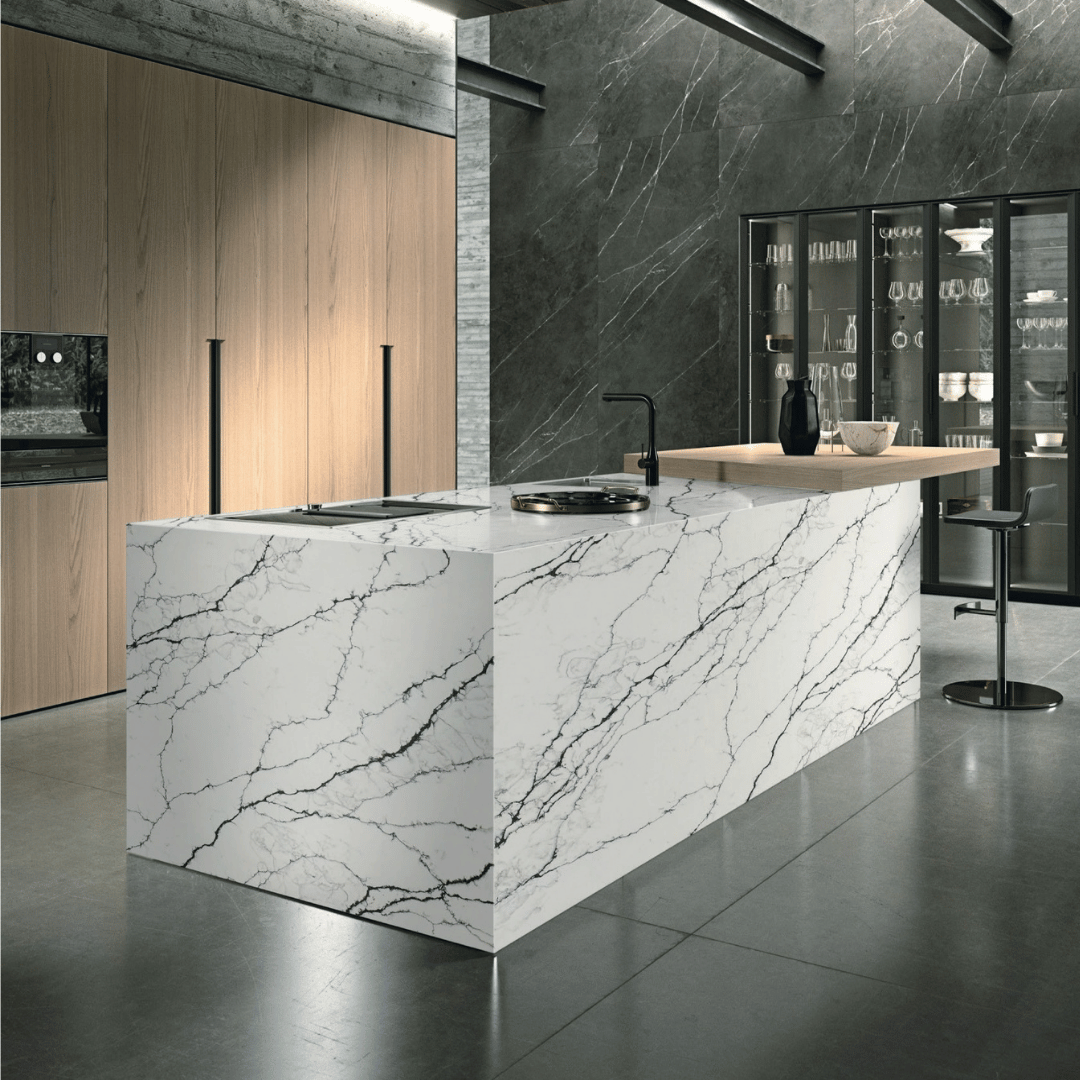
When it comes to functionality, both materials hold their own. Designers highlighted that sintered stone’s heat and scratch resistance make it a favorite for kitchen applications. “We often recommend sintered stone for kitchen islands and countertops because of its durability,” one designer shared. “However, porcelain’s affordability and wide range of designs make it a strong contender for bathroom vanities and backsplashes.”
Project Considerations
Designers also emphasized the importance of considering the specific needs of each project when choosing between these materials. “For high-end residential projects, sintered stone can elevate the overall design,” said another designer. “On the other hand, for commercial spaces where cost and ease of installation are critical, porcelain slabs may be the better option.”
Kitchen & Bathroom Applications
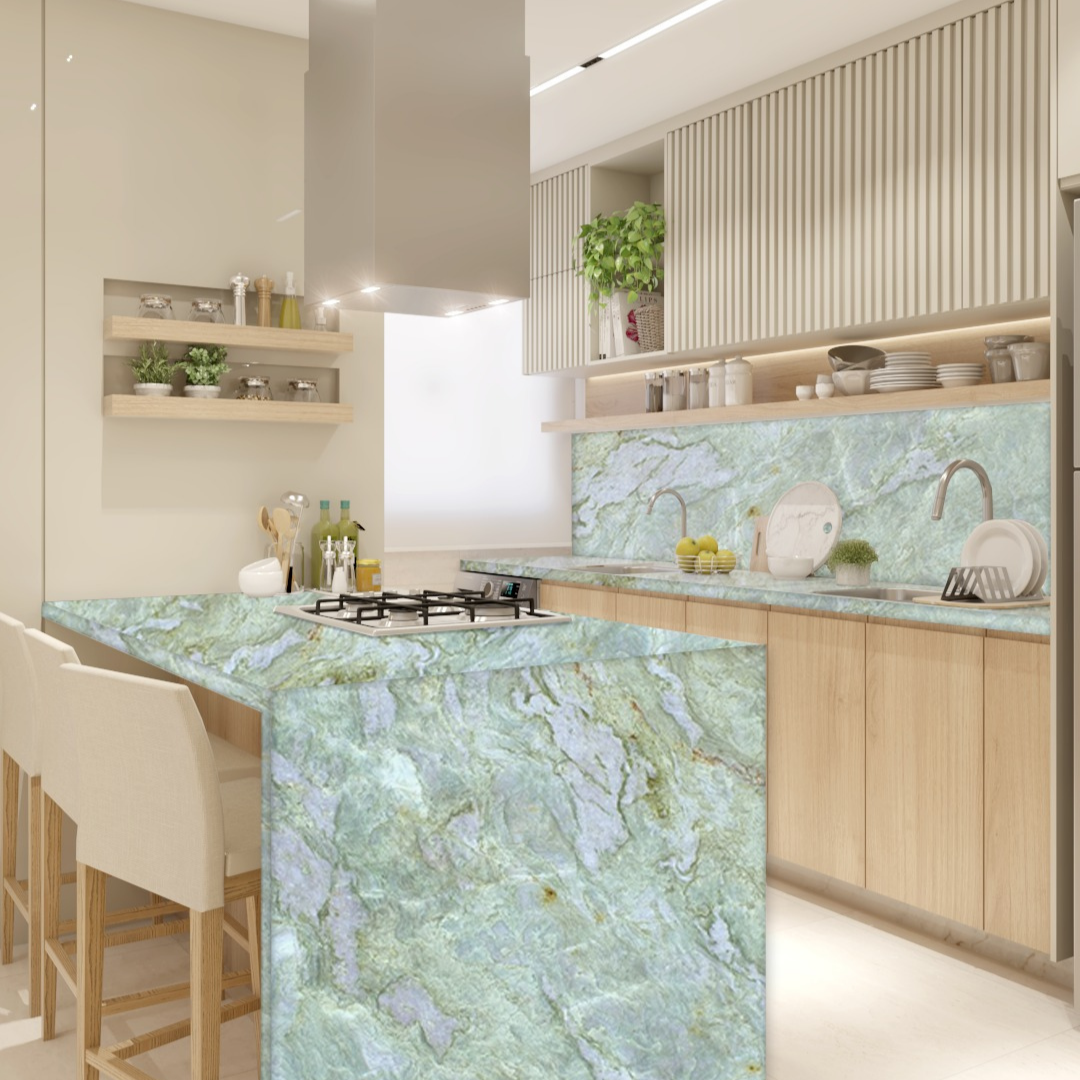
Both sintered stone and porcelain slabs excel in kitchen and bathroom applications. Sintered stone’s durability makes it a prime candidate for countertops, while porcelain’s variety allows for creative backsplash designs.
Kitchen Countertops
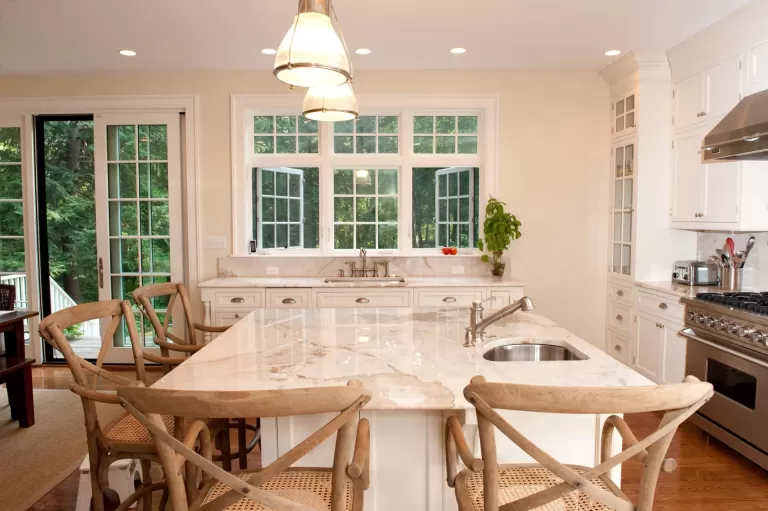
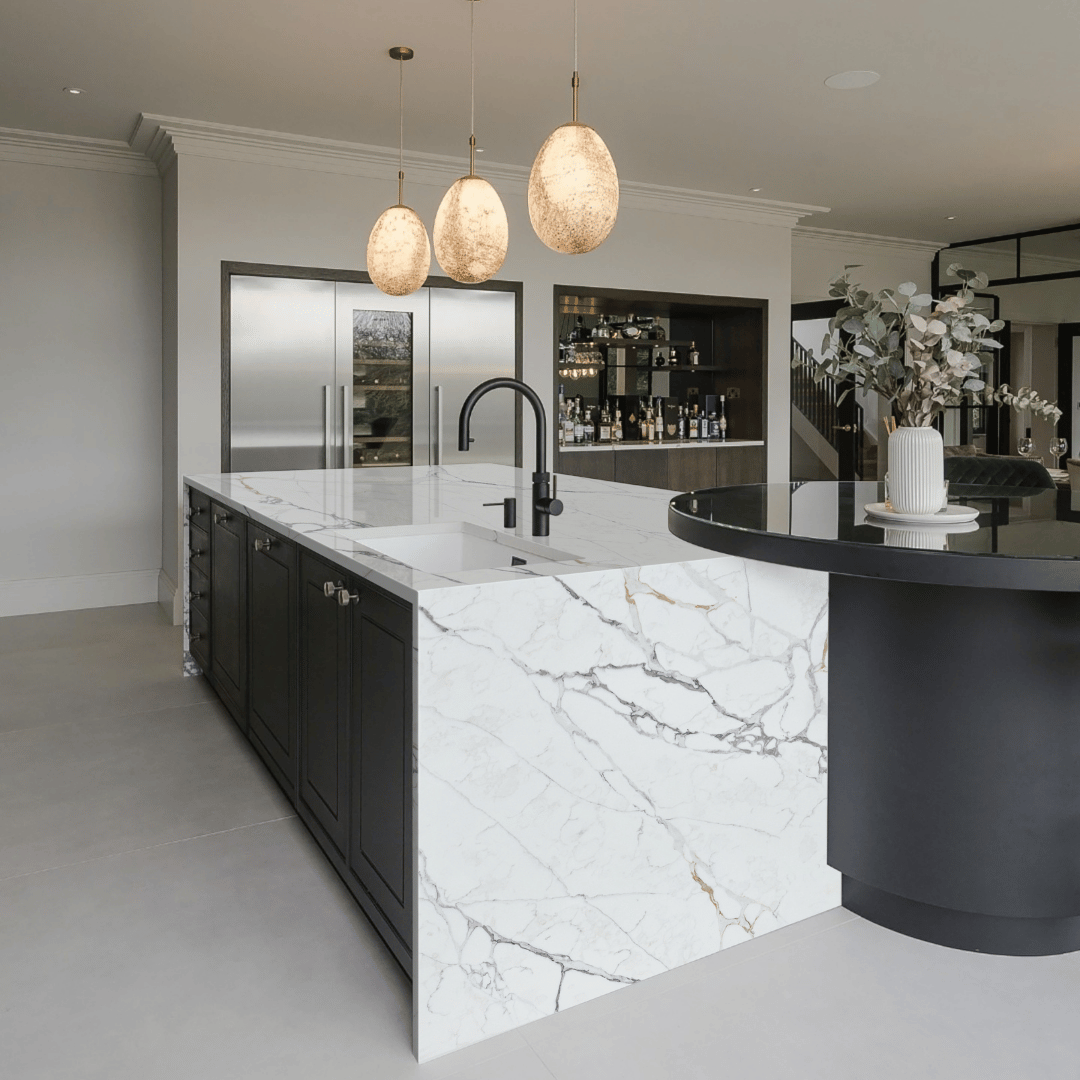
For kitchen countertops, sintered stone offers unparalleled performance, resisting heat and stains while delivering a sleek, modern aesthetic. Porcelain slabs can also work well, especially in more casual settings where budget constraints play a role.
Bathroom Vanities
In bathrooms, designers often recommend porcelain slabs due to their water resistance and variety of designs. However, sintered stone can add a touch of luxury and sophistication, making it ideal for high-end projects.
Architectural & Commercial Projects
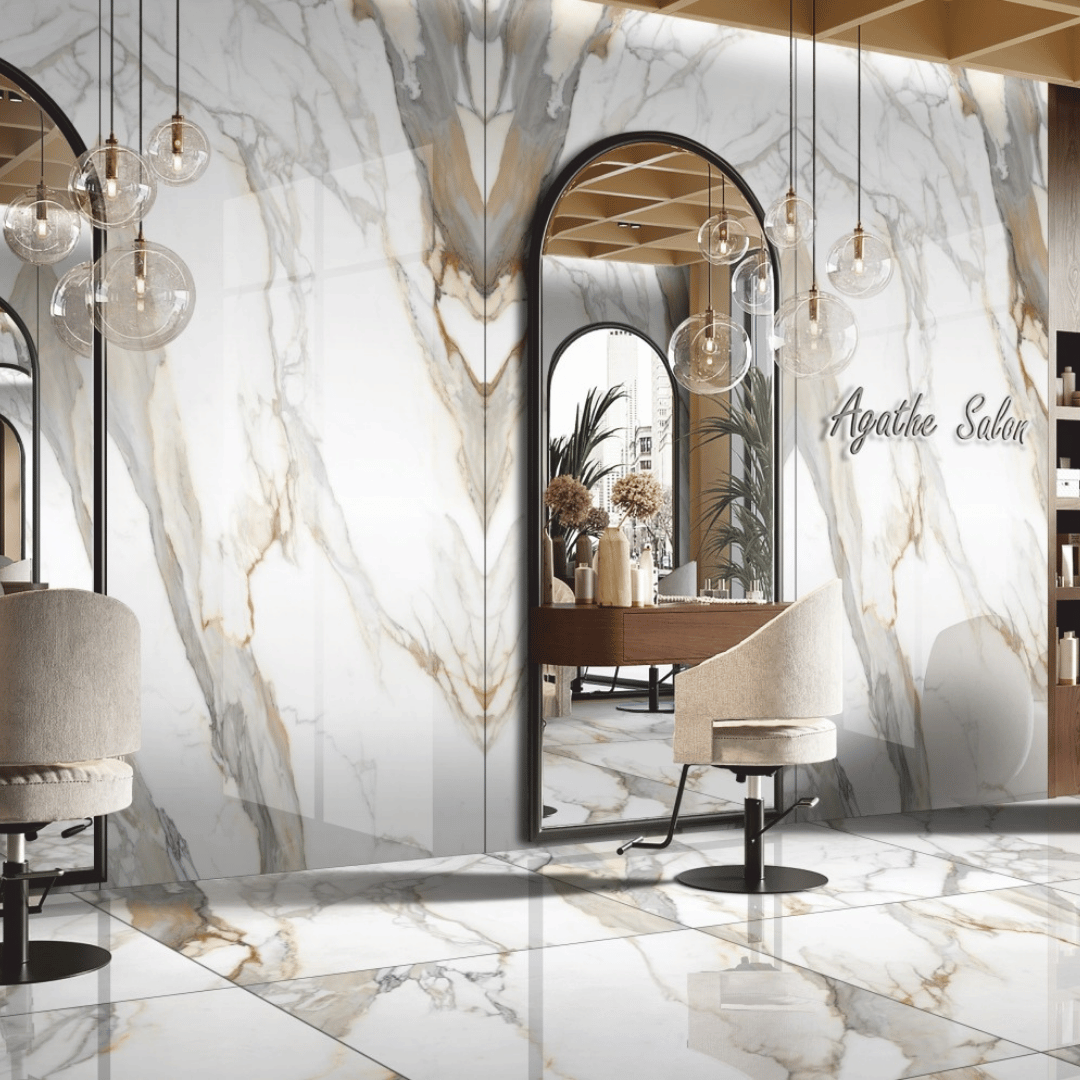
In commercial settings, durability and aesthetics are crucial. Sintered stone’s toughness makes it perfect for high-traffic areas, while porcelain slabs can provide cost-effective, visually appealing options for walls and flooring.
Dealer & Fabricator Partnership Program
For designers looking to incorporate these materials into their projects, partnering with a reliable slab distributor is essential. Builder Stone Global offers a robust dealer and fabricator partnership program, providing access to extensive inventory and resources for premium quartz, porcelain, and natural stone slabs.
Frequently Asked Questions About Quartz, Porcelain & Natural Stone Slabs
1. What is the difference between HD quartz and standard quartz?
HD quartz offers enhanced performance features, such as improved durability and design versatility, compared to standard quartz.
2. What are full body vs. non-full body porcelain slabs?
Full body porcelain slabs are manufactured with color and pattern throughout the entire thickness, while non-full body slabs have a surface layer with a different color or design.
3. What slab thickness options are available?
Most slabs come in various thicknesses, typically ranging from 1cm to 3cm, allowing flexibility in design and application.
4. Are there edge profile limitations?
Yes, certain edge profiles may be limited based on the slab material and thickness, so it’s essential to consult with your fabricator.
5. How durable is porcelain?
Porcelain is highly durable, resistant to scratches, stains, and heat, making it suitable for both residential and commercial applications.
6. What is the heat resistance of sintered stone?
Sintered stone is highly heat resistant, making it safe for use in kitchens and other high-heat environments.
7. What are the fabricator requirements for these materials?
Fabricators should have experience with both sintered stone and porcelain slabs, as cutting and finishing techniques may vary.
8. How can I check inventory availability?
You can check live inventory on our website or contact us for real-time availability updates.
9. What are typical lead times for orders?
Lead times can vary based on the specific material and order size, so it’s best to consult with your supplier for accurate timelines.
How to Contact Builder Stone Global
If you’re ready to explore premium quartz, porcelain, and natural stone slabs for your next project, contact Builder Stone Global today. Our surface specialists are here to assist you in making the best choice for your design needs.
Call to Action
Call +1 470-551-2092 to speak with our surface specialists, check live inventory, or visit our Norcross showroom to explore our extensive collection of slabs. Let’s bring your vision to life with the finest materials available.