

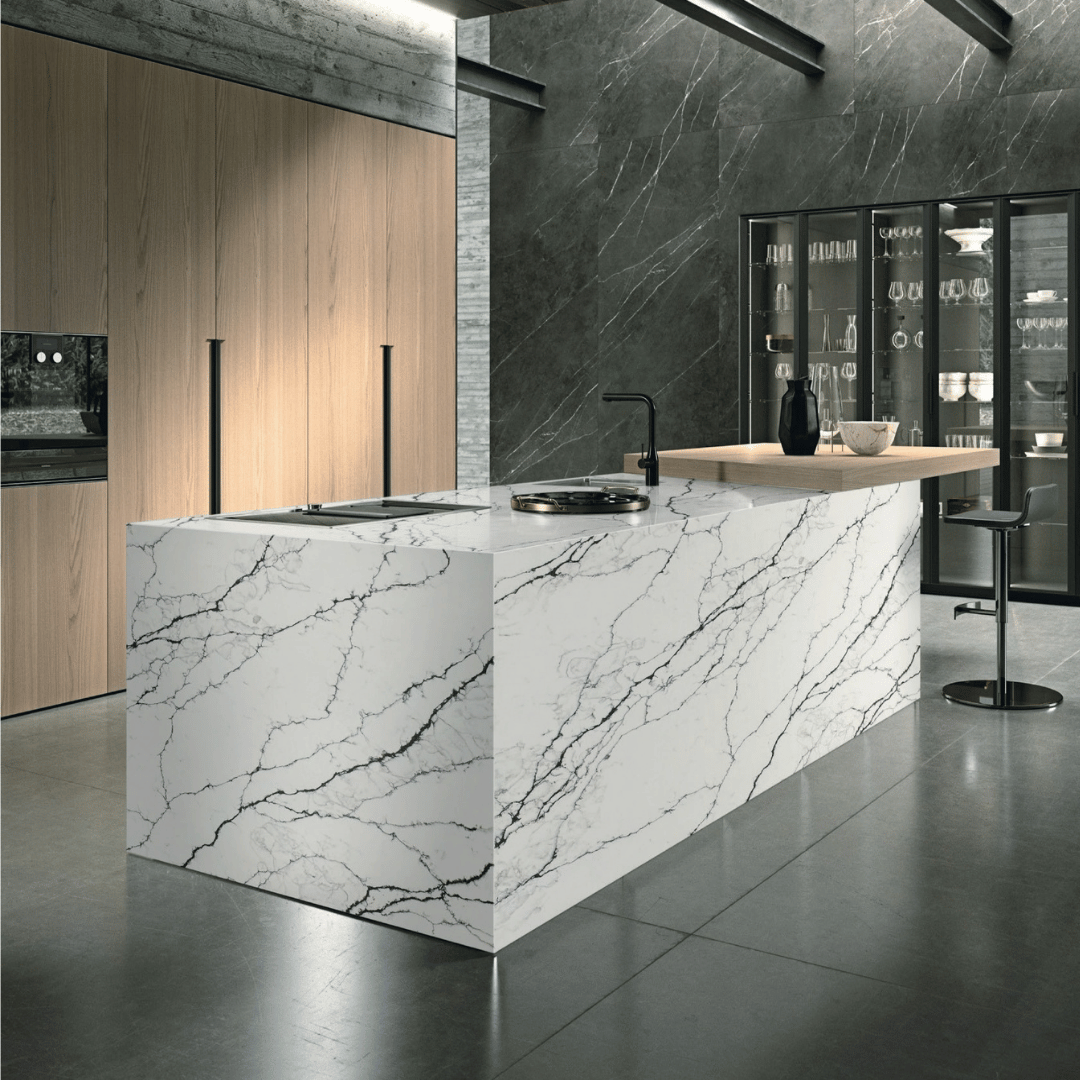
How Architectural-Grade Slab Sizing Meets the Demands of Large-Scale Design Projects
How Architectural-Grade Slab Sizing Meets the Demands of Large-Scale Design Projects
In the realm of architectural design, the significance of slab sizing cannot be overstated. As projects scale in size and complexity, the demand for architectural-grade slabs that meet stringent performance and aesthetic standards becomes paramount. This article delves into how architectural-grade slab sizing addresses these challenges, particularly within the context of large-scale design projects. We will explore the features that define architectural-grade slabs, the advantages they offer, and how they integrate into various design applications. By the end, you will understand the critical role that slab sizing plays in creating spaces that are not only visually striking but also durable and functional.
What Are Architectural-Grade Slabs?
Architectural-grade slabs are high-performance surfaces made from materials such as quartz, porcelain, and natural stone. These slabs are designed to meet the rigorous demands of architectural projects, providing not only aesthetic appeal but also structural integrity and durability. They are available in a variety of sizes, thicknesses, and finishes, making them suitable for a wide range of applications, from countertops and flooring to wall cladding and facades.
At Builder Stone Global, we specialize in premium quartz, porcelain, and natural stone slabs, ensuring that our clients have access to the highest quality materials for their architectural needs. Our extensive inventory includes architectural-grade slabs that are ideal for large-scale design projects, providing the perfect balance of beauty and performance.
Importance of Slab Sizing in Architectural Design
Slab sizing is a critical factor in architectural design, particularly for large-scale projects that require precision and attention to detail. The dimensions of a slab can significantly impact the overall aesthetic, functionality, and structural performance of a space. Here are some key reasons why slab sizing is essential:
- Aesthetic Impact: The size and scale of slabs can influence the visual dynamics of a space. Larger slabs create a seamless look, minimizing grout lines and enhancing the elegance of the design.
- Structural Integrity: Proper slab sizing ensures that the material can withstand the loads and stresses it will encounter in its application. This is especially important in commercial and industrial settings.
- Installation Efficiency: Understanding the optimal slab size can streamline the installation process, reducing labor costs and time delays. This is crucial for large-scale projects that operate under tight schedules.
- Design Flexibility: Architectural-grade slabs come in various sizes and thicknesses, allowing designers to choose options that best fit their vision and requirements.
Benefits of Architectural-Grade Slab Sizing
The benefits of using architectural-grade slabs with appropriate sizing are manifold:
1. Enhanced Durability
Architectural-grade slabs are engineered for longevity. They resist scratches, stains, and heat, making them ideal for high-traffic areas. For example, quartz slabs have a non-porous surface that inhibits the growth of bacteria and stains, ensuring a clean and hygienic environment.
2. Aesthetic Versatility
With a wide range of colors, patterns, and finishes, architectural-grade slabs can complement any design style, from modern to traditional. This versatility allows architects and designers to create unique spaces tailored to their clients’ preferences.
3. Sustainability
Many architectural-grade slabs are made from sustainable materials, contributing to environmentally friendly construction practices. For instance, recycled content in certain quartz surfaces helps reduce the environmental impact of building projects.
4. Cost-Effectiveness
While the initial investment in architectural-grade slabs may be higher than lower-quality alternatives, their durability and low maintenance requirements often lead to cost savings over time. This is particularly beneficial in large-scale projects where budget constraints are common.
Applications of Architectural-Grade Slabs
Architectural-grade slabs are utilized in a variety of applications, showcasing their versatility and functionality:
1. Countertops
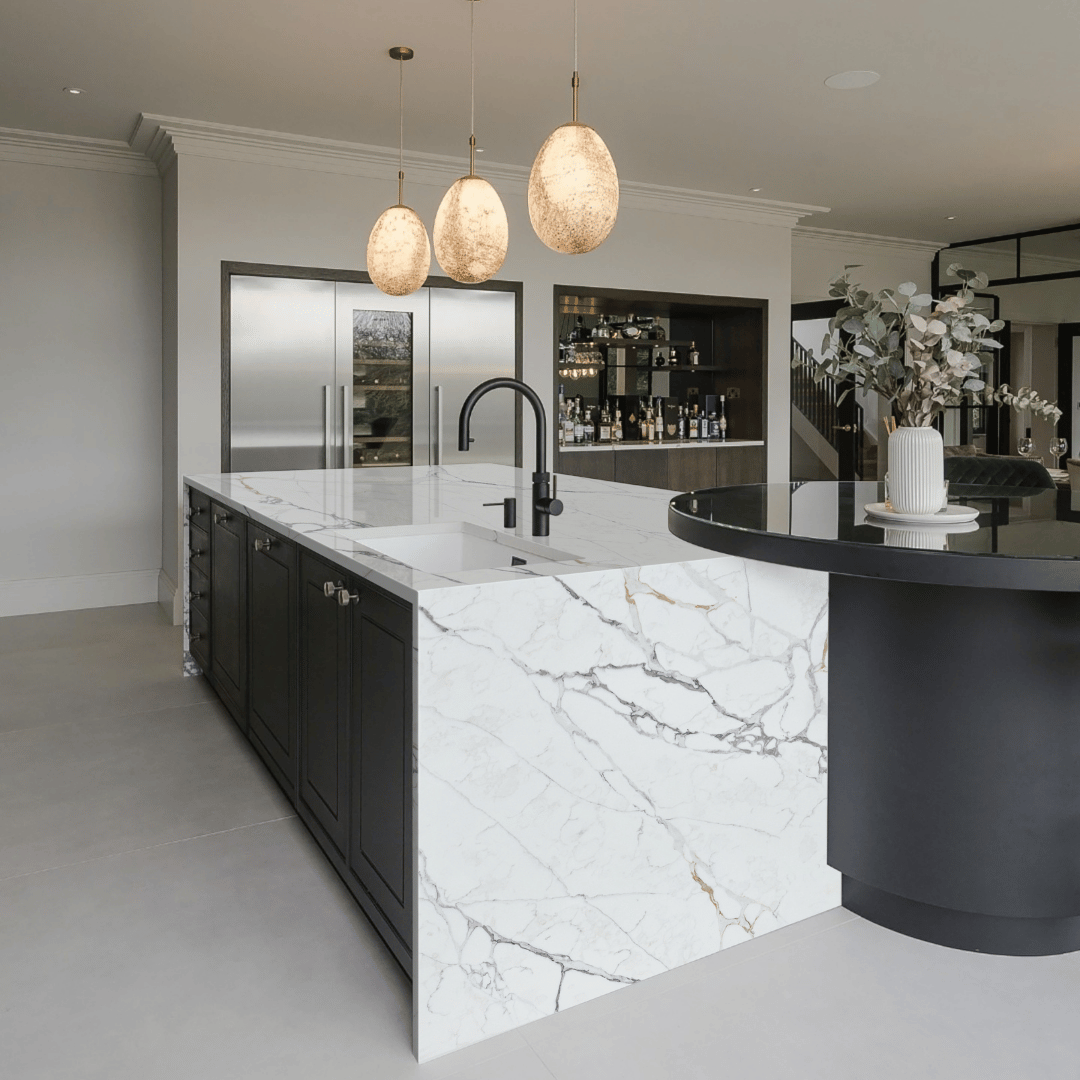
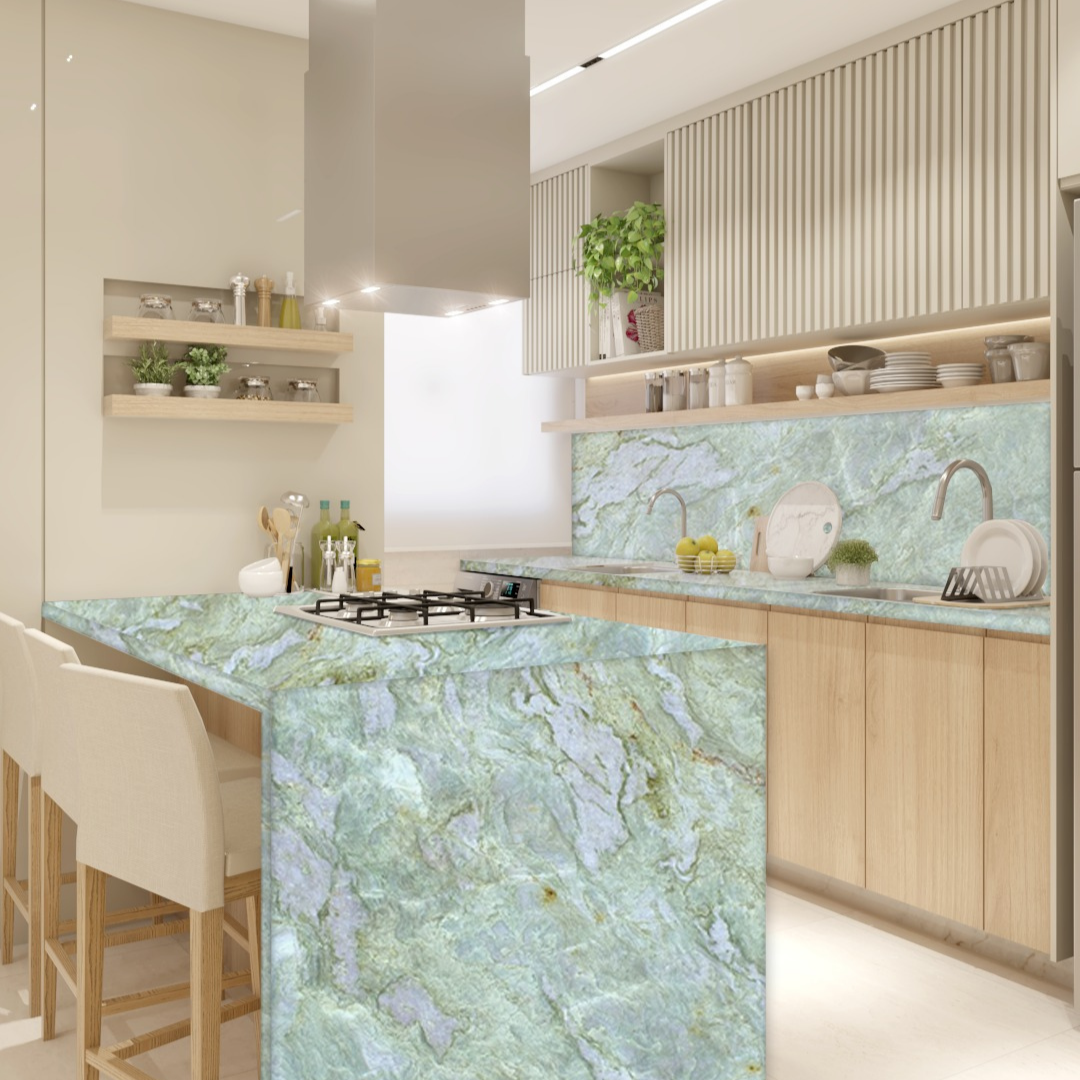
In both residential and commercial spaces, architectural-grade slabs are a popular choice for countertops due to their durability and aesthetic appeal. They can be customized to fit any kitchen or bathroom design, providing a seamless look that enhances the overall style.
2. Flooring
Large-format slabs are increasingly used in flooring applications to create expansive, uninterrupted surfaces. This not only enhances the visual impact but also simplifies maintenance.
3. Wall Cladding
Architectural-grade slabs can be used for wall cladding in both interior and exterior applications. Their resistance to weathering and fading makes them ideal for creating stunning facades that stand the test of time.
4. Fireplaces
Using architectural-grade slabs around fireplaces offers both functionality and style. These materials can withstand high temperatures while providing a luxurious finish.
5. Outdoor Spaces
Many architectural-grade slabs are suitable for outdoor applications, including patios and pool surrounds. Their durability and resistance to the elements make them an excellent choice for enhancing outdoor living areas.
How to Choose the Right Slab Size for Your Project
Selecting the appropriate slab size is crucial for achieving the desired aesthetic and functional outcomes in your design project. Here are some key considerations:
1. Evaluate the Space
Assess the dimensions of the area where the slabs will be installed. Larger spaces may benefit from larger slabs, while smaller areas might require more modest sizes to maintain proportion.
2. Consider the Design Style
Different design styles may call for varying slab dimensions. For example, minimalist designs may favor larger, uninterrupted surfaces, while traditional styles might incorporate smaller, more intricate patterns.
3. Assess the Functionality
Think about the intended use of the space. High-traffic areas may require thicker slabs for added durability, while decorative applications might prioritize aesthetic considerations.
4. Consult with Experts
Engaging with surface specialists, like those at Builder Stone Global, can provide valuable insights into the best slab sizes for your specific project needs.
Case Studies and Examples
To illustrate the impact of architectural-grade slab sizing on large-scale design projects, consider the following case studies:
1. Luxury Hotel Lobby
A luxury hotel in Atlanta utilized large-format porcelain slabs for its lobby flooring. The seamless installation created a sophisticated atmosphere, while the durability of the material ensured it could withstand heavy foot traffic.
2. High-End Residential Kitchen
In a high-end residential kitchen, quartz slabs were used for both countertops and backsplashes. The choice of larger slabs minimized seams, creating a clean, modern look that appealed to the homeowners’ design sensibilities.
3. Commercial Office Space
A commercial office in Norcross opted for granite slabs for their reception area. The choice of architectural-grade granite not only enhanced the aesthetic appeal but also provided a durable surface that would endure daily use.
Conclusion
Architectural-grade slab sizing is a fundamental aspect of large-scale design projects, influencing both aesthetics and functionality. By selecting the right slab sizes and materials, architects and designers can create spaces that are visually stunning, durable, and tailored to their clients’ needs. At Builder Stone Global, we offer an extensive inventory of premium quartz, porcelain, and natural stone slabs to meet the demands of any architectural project. Whether you’re looking to enhance a residential kitchen or a commercial space, our surface specialists are here to guide you in making the best choices for your design vision.
FAQs
1. What are architectural-grade slabs?
Architectural-grade slabs are high-performance surfaces made from materials like quartz, porcelain, and natural stone, designed to meet rigorous architectural standards.
2. How do I choose the right slab size for my project?
Consider the space dimensions, design style, intended use, and consult with surface specialists for guidance on optimal slab sizing.
3. What are the benefits of using large-format slabs?
Large-format slabs reduce seams, enhance aesthetics, simplify maintenance, and can create a more spacious feel in a room.
4. Are architectural-grade slabs durable?
Yes, architectural-grade slabs are engineered for durability, resisting scratches, stains, and heat, making them suitable for high-traffic areas.
5. Can architectural-grade slabs be used outdoors?
Many architectural-grade slabs are designed for outdoor use, providing durability and resistance to weathering.
6. How do I maintain architectural-grade slabs?
Maintenance typically involves regular cleaning with mild soap and water, avoiding harsh chemicals, and following specific care instructions for each material type.
7. Are there eco-friendly options for architectural-grade slabs?
Yes, many slabs are made from sustainable materials or contain recycled content, contributing to environmentally friendly building practices.
8. Where can I find architectural-grade slabs in Norcross, GA?
Builder Stone Global offers a wide selection of premium architectural-grade slabs in Norcross, GA, with a knowledgeable team to assist you.