Quartz Slabs in Bathroom Vanities vs. Kitchen Countertops: A Comprehensive Guide
Quartz Slabs in Bathroom Vanities vs. Kitchen Countertops: A Comprehensive Guide
Updated on August 14, 2026
When it comes to choosing the perfect surface material for your home, quartz slabs have emerged as a top contender due to their durability, aesthetic appeal, and low maintenance requirements. This guide will delve into how quartz slabs perform in bathroom vanity applications compared to kitchen countertops, helping homeowners, interior designers, and contractors make informed decisions. With extensive experience in the natural stone distribution industry, Builder Stone Global is your trusted source for premium quartz, porcelain, and natural stone slabs in Norcross, GA, and beyond.
1. Introduction to Quartz Slabs
Quartz slabs are engineered stone surfaces made from 90-95% crushed natural quartz crystals combined with resins, pigments, and polymers. This unique composition gives quartz slabs their impressive strength and versatility, making them suitable for various applications, including both bathroom vanities and kitchen countertops. Unlike natural stones, quartz slabs are non-porous, which means they do not require sealing and are resistant to stains and bacteria.
2. Advantages of Quartz Slabs
Before diving into the specific applications of quartz slabs, it’s essential to understand the advantages that make them a popular choice:
- Durability: Quartz slabs are highly resistant to scratches, chips, and cracks, making them ideal for high-traffic areas.
- Low Maintenance: Their non-porous nature means that spills do not penetrate, reducing the need for regular sealing.
- Aesthetic Variety: Available in a wide range of colors and patterns, quartz can mimic the look of natural stone while offering unique design possibilities.
- Hygienic Surface: The non-porous surface prevents bacteria and mold growth, making it a safe choice for kitchens and bathrooms.
- Consistent Quality: Unlike natural stone, quartz slabs are manufactured to exact specifications, ensuring consistent color and quality.
3. Quartz Slabs in Bathroom Vanity Applications
When considering quartz slabs for bathroom vanities, several factors come into play:
3.1 Design Flexibility
Bathroom vanities often require a balance of functionality and aesthetics. Quartz slabs come in various colors and patterns, allowing homeowners to create a cohesive and stylish look. Whether opting for a sleek, modern design or a more traditional appeal, quartz can adapt to various styles.
3.2 Durability Against Moisture
Bathrooms are prone to moisture, making it crucial to choose materials that can withstand humid conditions. Quartz slabs excel in this area due to their non-porous nature, which prevents water absorption and reduces the risk of mold and mildew growth.
3.3 Maintenance Considerations
One of the significant advantages of quartz in bathroom applications is its low maintenance requirements. Unlike natural stones that may need periodic sealing, quartz surfaces simply require regular cleaning with mild soap and water. This ease of maintenance is appealing to homeowners looking for a long-lasting solution.
3.4 Customization Options
With the ability to fabricate quartz slabs into various shapes and sizes, custom vanity designs can be easily achieved. From integrated sinks to unique edge profiles, the design possibilities are nearly limitless.
4. Quartz Slabs in Kitchen Countertops
Much like bathroom vanities, kitchen countertops must meet specific performance criteria:
4.1 Resistance to Heat and Stains
Kitchens are areas of high activity, with cooking spills and hot cookware being common. Quartz slabs are engineered to withstand high temperatures, although using trivets for hot pots is advisable. Their non-porous surface also means that spills from oils, sauces, or beverages do not stain, making cleanup a breeze.
4.2 Versatile Design Applications
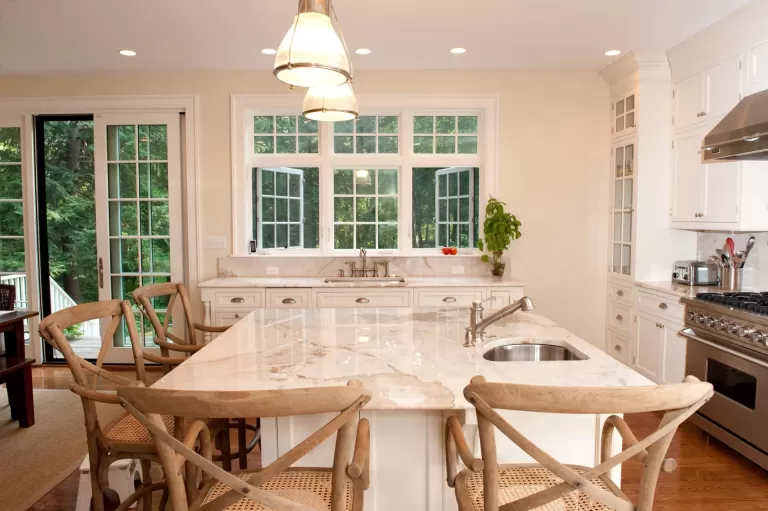
Similar to bathroom vanities, quartz countertops offer a range of design options. Homeowners can choose from various colors and patterns to complement their kitchen’s overall aesthetic. Whether aiming for a minimalist look or a bold statement piece, quartz can fulfill these design needs.
4.3 Family-Friendly Features
For families, durability and ease of cleaning are paramount. Quartz surfaces are not only tough against scratches but also easy to clean, making them ideal for busy kitchens.
4.4 Integration with Other Features
Quartz countertops can be seamlessly integrated with backsplashes, sinks, and other kitchen elements, providing a unified look that enhances the kitchen’s design.
5. Comparing Performance: Bathroom vs. Kitchen
To better understand how quartz slabs perform in these two applications, consider the following comparison:
| Feature | Bathroom Vanity | Kitchen Countertop |
|---|---|---|
| Moisture Resistance | Excellent | Good |
| Stain Resistance | Excellent | Excellent |
| Heat Resistance | Good | Excellent |
| Design Flexibility | High | High |
| Maintenance | Low | Low |
As the table illustrates, both applications benefit from the inherent qualities of quartz slabs. However, the bathroom may have a slight edge in moisture resistance, while the kitchen excels in heat resistance.
6. Expert Tips for Choosing Quartz Slabs
- Color and Pattern: Select a color that complements your overall design theme.
- Finish: Decide between polished or matte finishes based on your aesthetic and functional needs.
- Thickness: Determine the appropriate slab thickness for your application. Standard thicknesses are typically 2cm or 3cm.
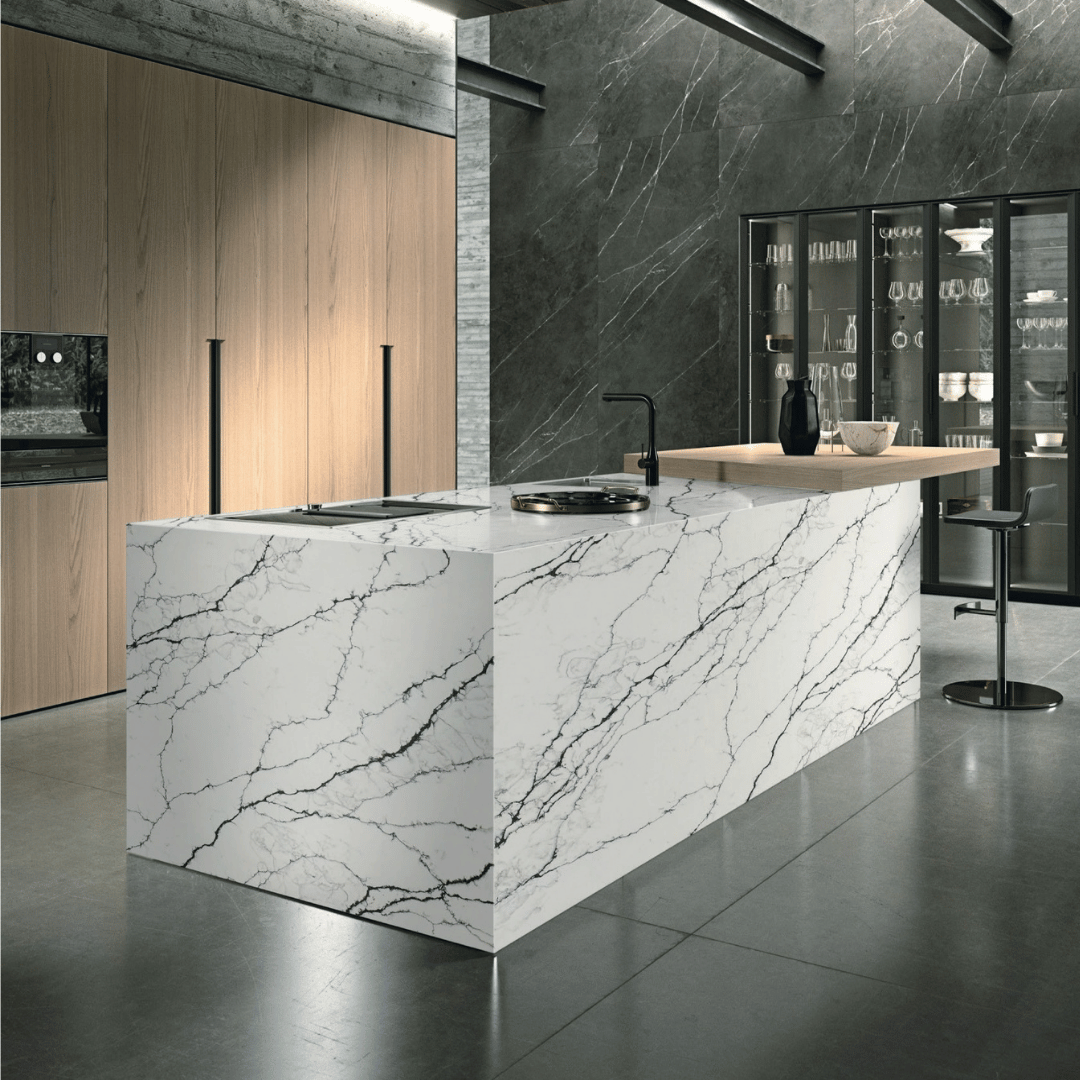
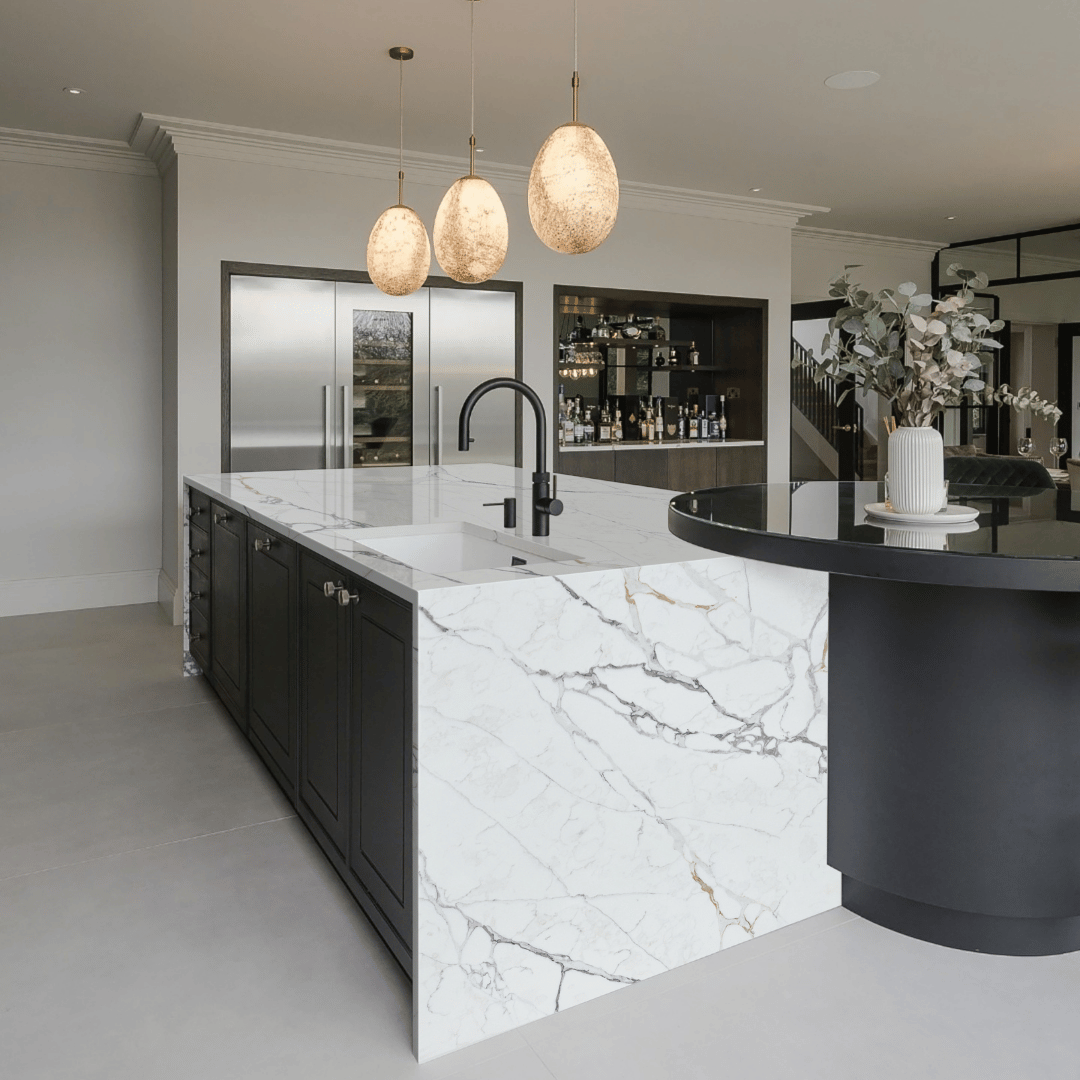
- Edge Profile: Choose an edge profile that enhances the design, such as a beveled or waterfall edge.
7. Frequently Asked Questions
7.1 What is the lifespan of quartz slabs?
Quartz slabs can last a lifetime with proper care and maintenance, making them an excellent investment for both bathrooms and kitchens.
7.2 Are quartz slabs heat resistant?
While quartz slabs have good heat resistance, it is recommended to use trivets for hot pots and pans to avoid any potential damage.
7.3 Can quartz slabs be used outdoors?
Quartz is not recommended for outdoor use as UV rays can cause fading and discoloration over time.
7.4 How do I clean quartz surfaces?
Cleaning quartz surfaces is straightforward; simply use mild soap and water with a soft cloth or sponge.
7.5 Are quartz slabs eco-friendly?
Quartz slabs are considered environmentally friendly due to their durability and low maintenance requirements, reducing waste over time.
7.6 Can I customize quartz slabs?
Yes, quartz slabs can be customized to fit specific design needs, including unique shapes and edge profiles.
7.7 What should I avoid when using quartz slabs?
Avoid using harsh chemicals or abrasive cleaners, as these can damage the surface of quartz slabs.
7.8 How do quartz slabs compare to granite?
While both quartz and granite are durable, quartz has the advantage of being non-porous and requiring less maintenance.
8. Conclusion
In conclusion, quartz slabs offer unparalleled performance for both bathroom vanities and kitchen countertops. Their durability, low maintenance, and aesthetic versatility make them an excellent choice for any home. Whether you’re planning a renovation or building a new space, consider the benefits of quartz for your surfaces. For premium quartz slabs and expert guidance, contact Builder Stone Global or check our live inventory today.