HD Quartz Slabs vs. Natural Marble: A Comprehensive Comparison
HD Quartz Slabs vs. Natural Marble: A Comprehensive Comparison
When it comes to choosing a surface material for countertops, flooring, or architectural elements, both HD quartz slabs and natural marble offer unique aesthetics and performance characteristics. Understanding how these two materials compare can guide homeowners, architects, and designers in making informed decisions. In this article, we will delve into the appearance, performance, maintenance, and overall value of HD quartz slabs compared to natural marble. By the end, you will have a clear understanding of which material aligns best with your project needs.
1. Appearance: HD Quartz vs. Natural Marble
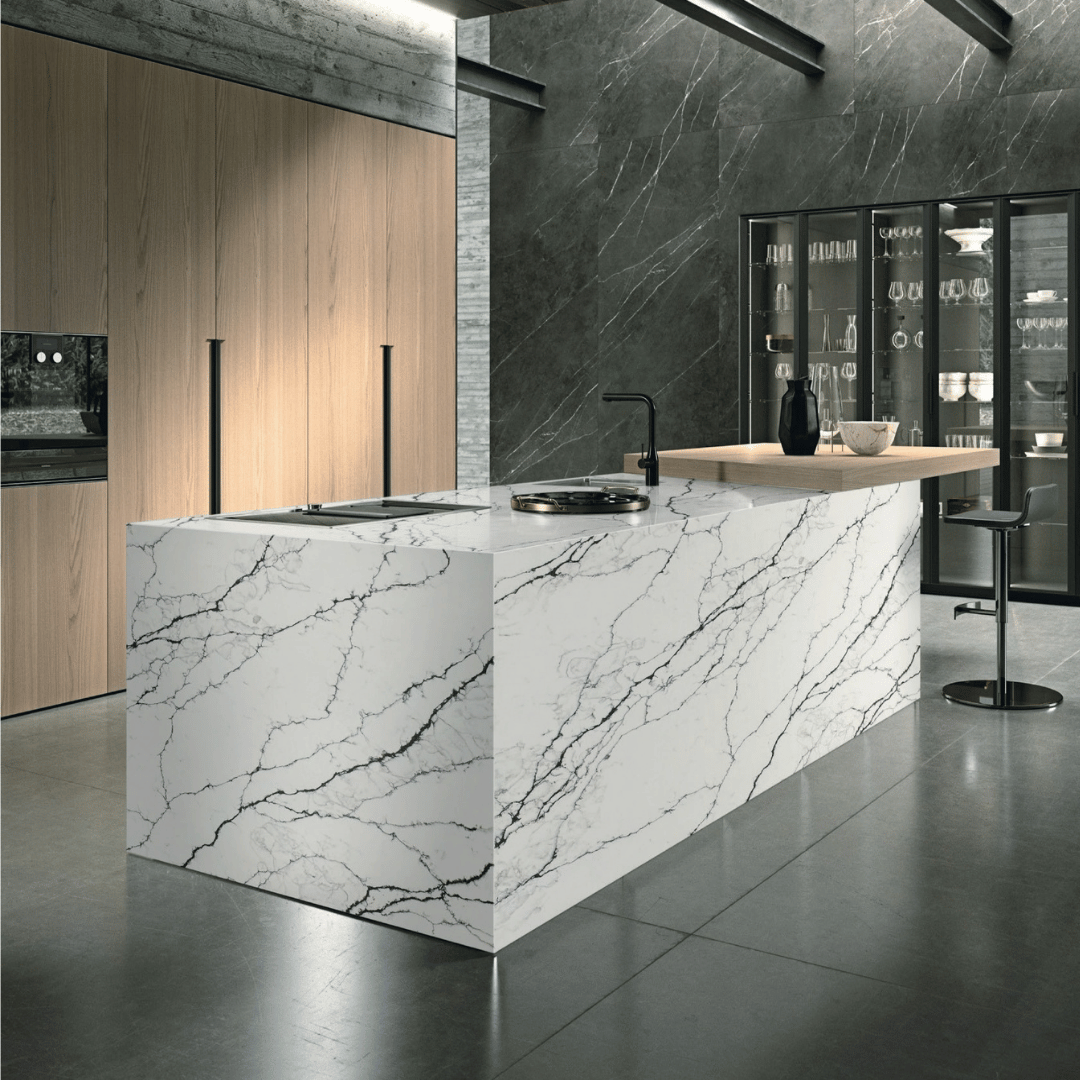
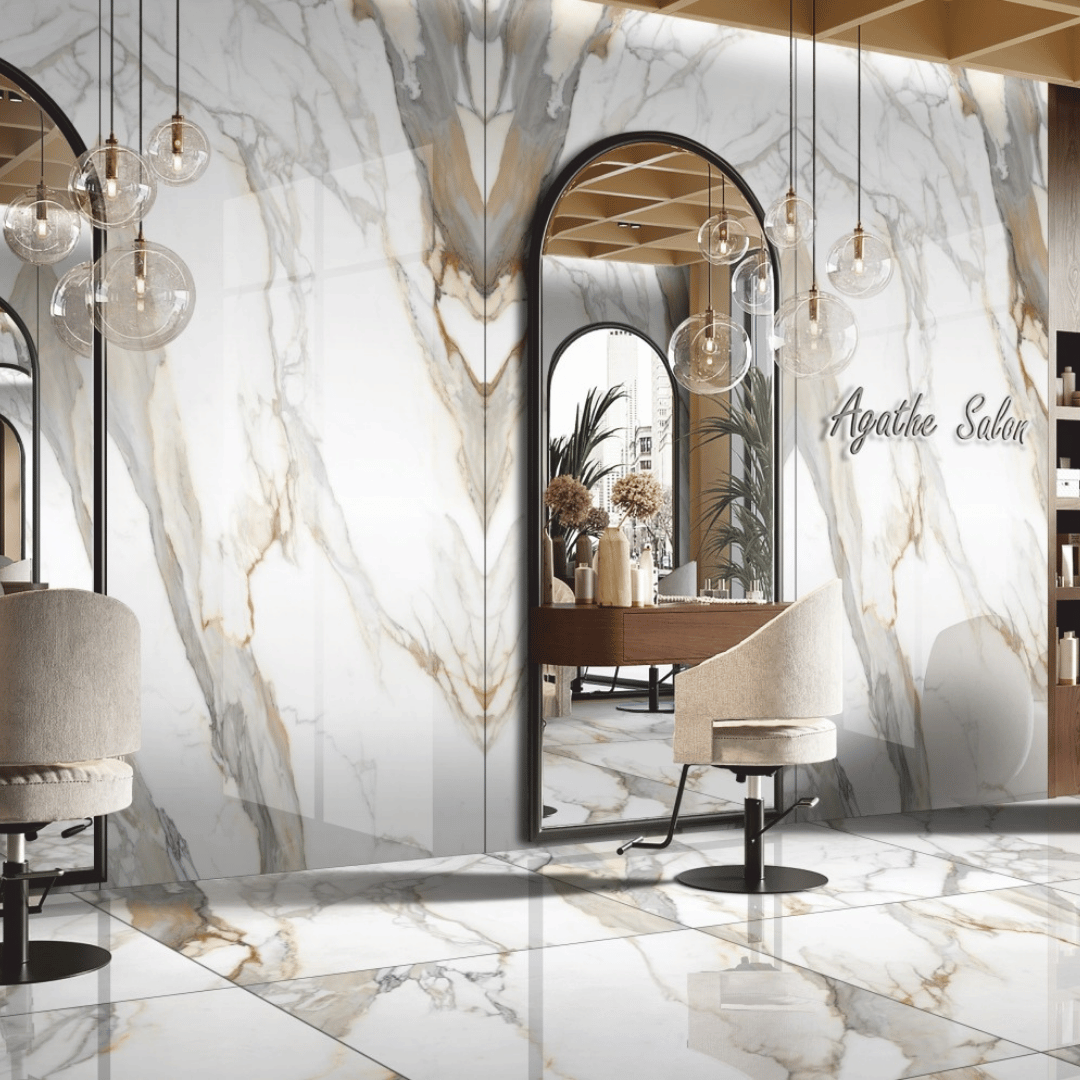
HD quartz slabs are engineered stone products, composed of about 90-95% natural quartz crystals combined with resins, polymers, and pigments. This composition allows for a wide range of colors and patterns, including options that mimic the veining found in natural marble. Natural marble, on the other hand, is a metamorphic rock formed from limestone, characterized by its unique veining and color variations. Each marble slab is distinct, showcasing nature’s artistry.
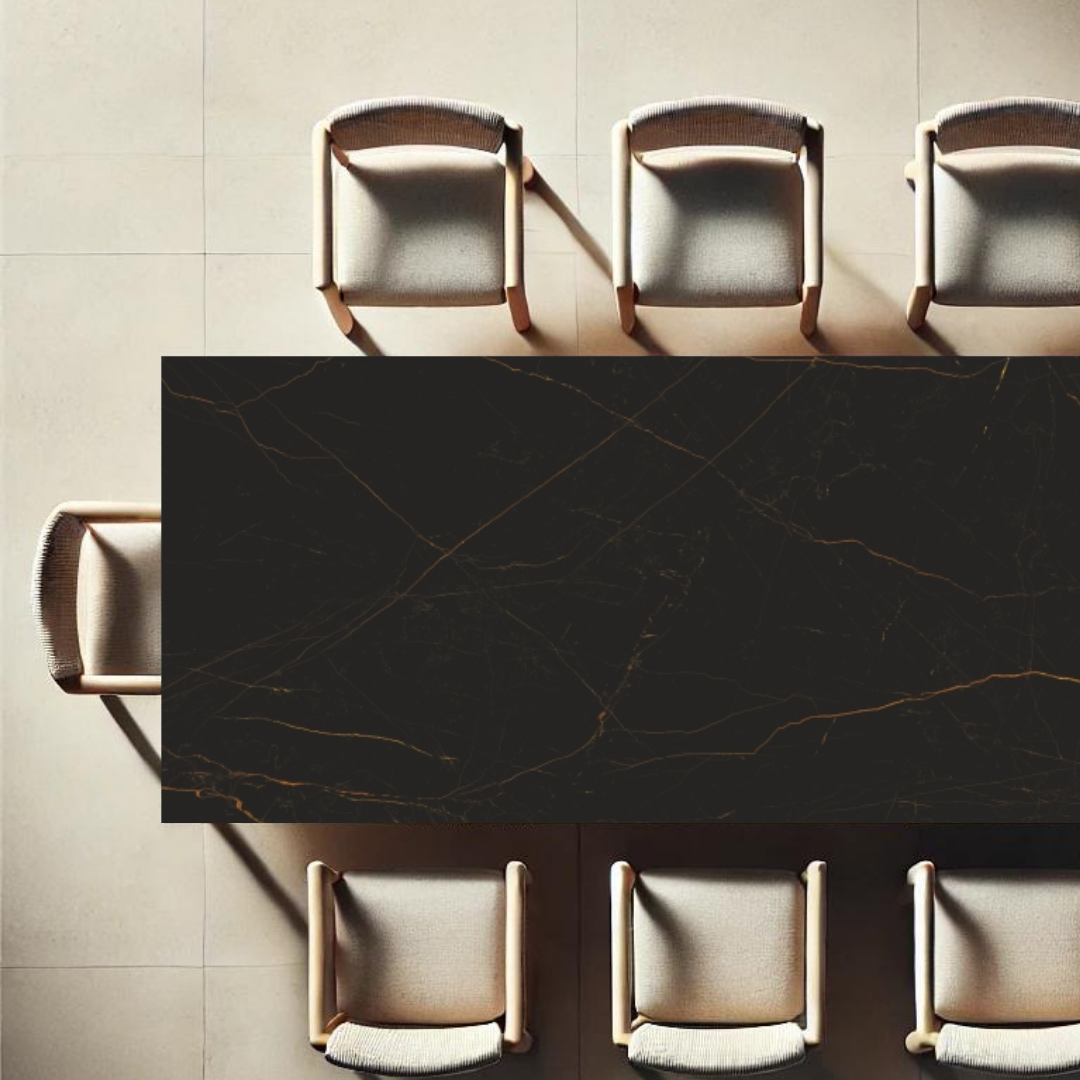
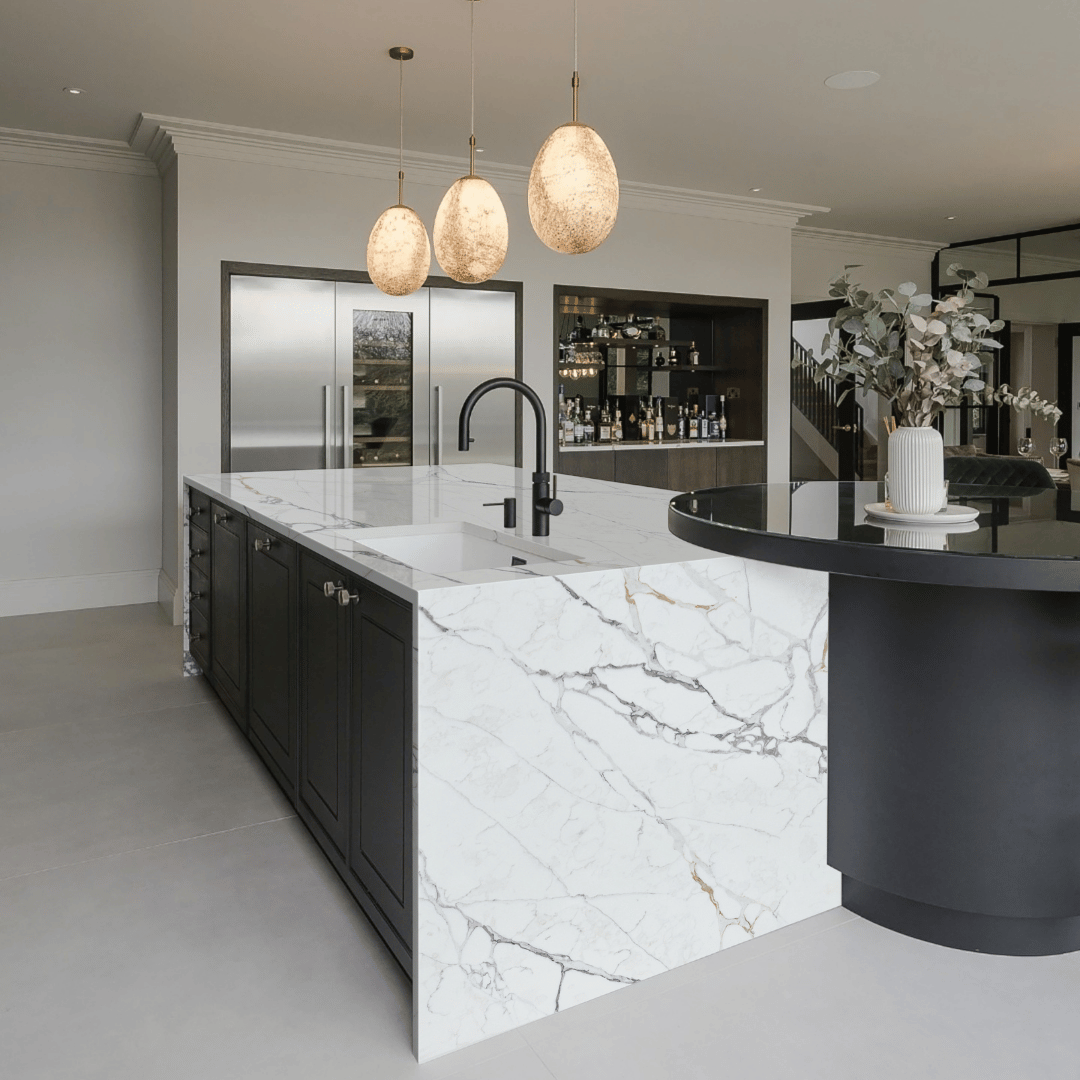
For many homeowners and designers, the choice between HD quartz and natural marble often hinges on aesthetic preferences. HD quartz offers a more uniform appearance, making it an ideal choice for contemporary designs. In contrast, the organic patterns of natural marble appeal to those seeking a classic, timeless look.
| Feature | HD Quartz Slabs | Natural Marble |
|---|---|---|
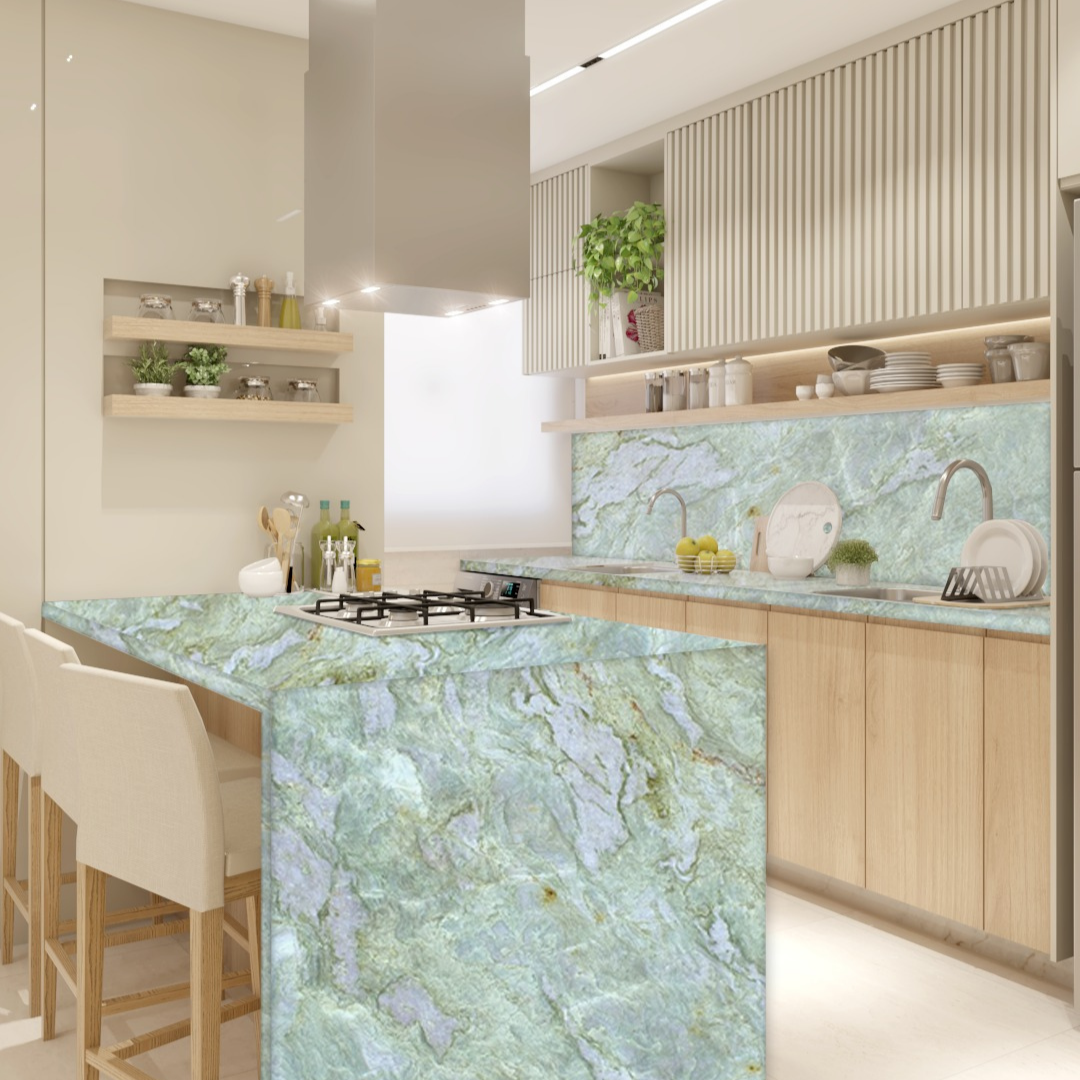
| Color and Patterns | Wide variety, customizable | Unique, natural variations |
| Finish Options | Polished, matte, honed | Polished, honed |
| Consistency | Uniform appearance | Varied, natural patterns |
Design Flexibility
One of the standout features of HD quartz slabs is the ability to customize colors and patterns according to design preferences. This flexibility makes it easier for architects and designers to create cohesive looks across different elements in a project. For instance, if you want to achieve a specific color palette in your kitchen or bathroom, HD quartz can be tailored to match your vision.
Natural Beauty of Marble
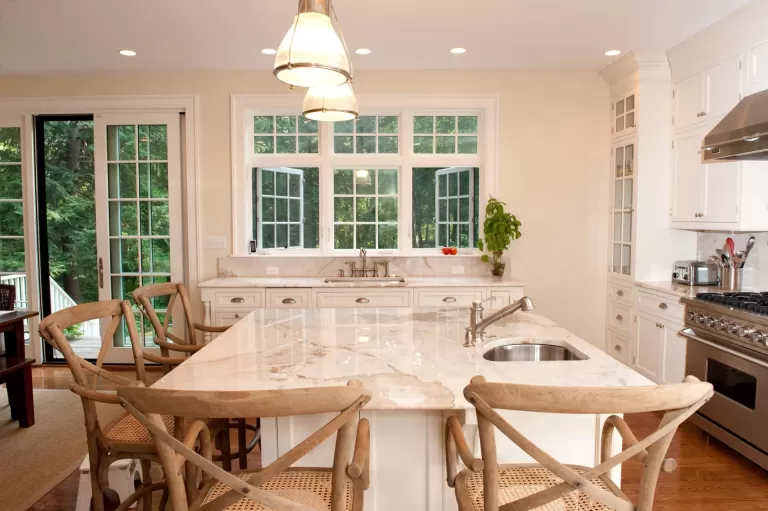
Natural marble is revered for its stunning visual appeal. The intricate veining and unique color variations can create breathtaking focal points in spaces like kitchens and bathrooms. However, the beauty of natural marble comes with a caveat: it can be more challenging to maintain due to its porous nature.
2. Performance: Durability and Maintenance
When assessing the performance of HD quartz slabs versus natural marble, several factors come into play, including durability, resistance to stains, and maintenance requirements.
Durability
HD quartz slabs are known for their high durability. The resin and polymer content enhances their resistance to chipping, scratching, and cracking, making them suitable for high-traffic areas. In comparison, natural marble, while beautiful, is softer and more prone to damage. It can easily chip or scratch, particularly in busy kitchens or commercial settings.
Stain Resistance
Another significant factor is stain resistance. HD quartz slabs are non-porous, meaning they do not absorb liquids. This feature makes them highly resistant to staining from common kitchen substances like wine, coffee, or oil. In contrast, natural marble is porous and can stain if spills are not cleaned promptly. Homeowners must be diligent about sealing marble surfaces regularly to mitigate this risk.
Maintenance Requirements
Maintenance is an essential consideration when choosing between these two materials. HD quartz requires minimal maintenance, typically needing only soap and water for cleaning. Natural marble, however, requires more care, including regular sealing and specific cleaning products to avoid damaging its surface.
3. Cost Comparison: HD Quartz vs. Natural Marble
Budget is often a deciding factor in material selection. The cost of HD quartz slabs and natural marble can vary significantly based on factors like origin, quality, and design complexity.
Initial Investment
Generally, HD quartz slabs can range from $50 to $150 per square foot, while natural marble can vary from $60 to over $200 per square foot, depending on the rarity and quality of the stone. While natural marble may offer a luxurious aesthetic, the higher initial investment may not always be justified by its performance and maintenance requirements.
Long-Term Value
Considering the long-term value is crucial. Though HD quartz slabs may have a higher upfront cost, their durability and low maintenance requirements can lead to cost savings over time. Natural marble, with its frequent need for sealing and potential for damage, may incur higher long-term costs due to repairs and maintenance.
4. Environmental Impact
As sustainability becomes increasingly important in material selection, understanding the environmental impact of HD quartz and natural marble is essential.
Resource Extraction
Natural marble is mined from quarries, which can lead to environmental degradation if not managed responsibly. In contrast, HD quartz is manufactured using a combination of natural quartz and resins, which can be more sustainable, depending on the source of the materials and the manufacturing process.
Recyclability
Another consideration is recyclability. HD quartz slabs can often be recycled at the end of their life cycle, whereas natural marble, while a natural product, may not have the same recycling options available.
5. Conclusion
In summary, both HD quartz slabs and natural marble have their unique advantages and considerations. HD quartz slabs offer a versatile, durable, and low-maintenance option that can be customized to suit any design aesthetic. Natural marble, while timeless and beautiful, requires more maintenance and may be less durable in high-traffic areas. Ultimately, the choice between these two materials will depend on your specific needs, design preferences, and budget considerations.
For those looking to explore premium quartz options, contact us at Builder Stone Global to speak with our surface specialists who can guide you through your options.
6. Frequently Asked Questions
1. What is HD quartz, and how is it made?
HD quartz is an engineered stone made from approximately 90-95% natural quartz crystals combined with resins and pigments. This manufacturing process allows for a wide variety of colors and patterns.
2. How does HD quartz compare to natural marble in terms of durability?
HD quartz is generally more durable than natural marble, being resistant to scratches, chips, and stains, making it more suitable for high-traffic areas.
3. Is natural marble more expensive than HD quartz?
Natural marble typically has a higher price range compared to HD quartz, especially for rare varieties, but prices can vary based on quality and design.
4. How do I maintain HD quartz surfaces?
HD quartz requires minimal maintenance, usually needing only mild soap and water for cleaning. It does not require sealing like natural marble.
5. Can HD quartz mimic the look of natural marble?
Yes, HD quartz can be engineered to mimic the veining and colors of natural marble, providing a similar aesthetic without the maintenance challenges.
6. What are the environmental impacts of using HD quartz?
The environmental impact depends on the sourcing of materials and manufacturing processes, but HD quartz can often be more sustainable than mined natural marble.
7. Is HD quartz suitable for outdoor use?
While HD quartz can be used outdoors, it is essential to check the specific product’s UV resistance, as some may fade or discolor in direct sunlight.
8. How can I choose between HD quartz and natural marble for my project?
Consider factors such as design preferences, budget, maintenance requirements, and the specific application of the material in your project.