The Ultimate Guide to Porcelain Slab Durability for Commercial Spaces
The Ultimate Guide to Porcelain Slab Durability for Commercial Spaces
In the realm of architectural surfaces, the durability of materials used is paramount, especially in high-traffic commercial environments. Porcelain slabs have emerged as a frontrunner in this category, demonstrating exceptional resilience and aesthetic versatility. As a leading quartz slab distributor in Norcross, GA, Builder Stone Global understands the unique demands of commercial spaces and the importance of selecting the right materials. This article delves into why porcelain slab durability makes it an ideal choice for commercial applications, providing insights backed by experience and expertise.
What is a Porcelain Slab?
Porcelain slabs are large-format tiles made from a mixture of natural clay, feldspar, and minerals, fired at extremely high temperatures. This process results in a dense, non-porous material that is highly resistant to moisture, stains, and scratches. Due to its composition and manufacturing process, porcelain is often considered a high-performance surface suitable for a variety of applications. At Builder Stone Global, we offer a range of premium porcelain slabs designed for both aesthetic appeal and functional durability.
Durability Features of Porcelain Slabs
When evaluating surfaces for commercial use, durability is a key factor. Here are some of the standout durability features of porcelain slabs:
- Scratch Resistance: Porcelain slabs have a hard surface that resists scratches from heavy objects, making them ideal for busy environments.
- Stain Resistance: The non-porous nature of porcelain means that liquids and stains cannot penetrate the surface, allowing for easier cleaning and maintenance.
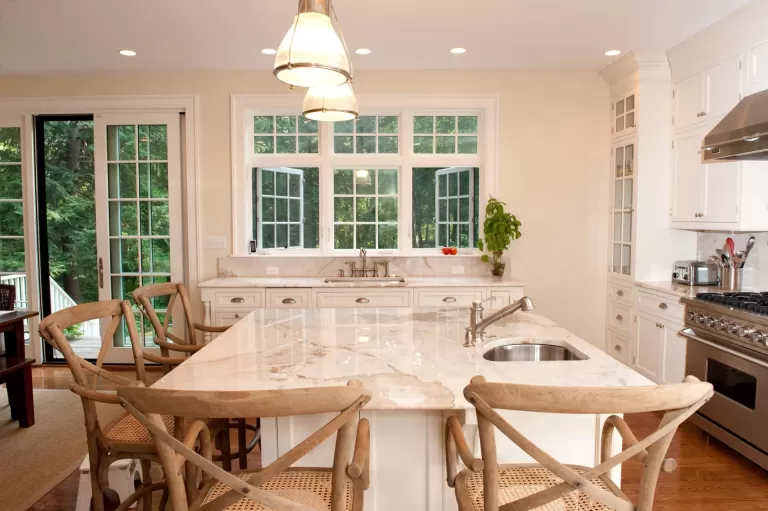
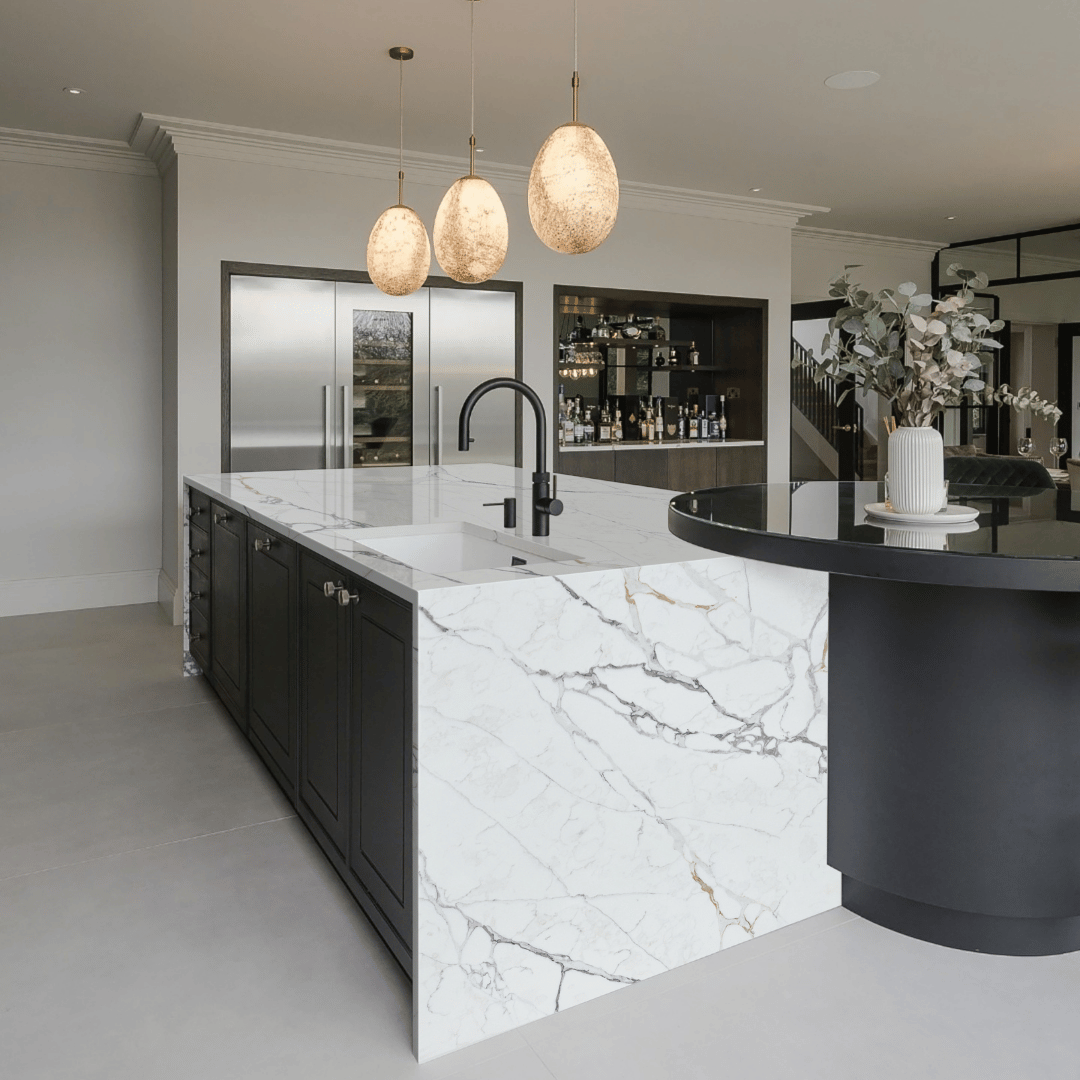
- Heat Resistance: Porcelain can withstand high temperatures without damage, making it suitable for kitchen countertops and other heat-prone areas.
- UV Resistance: Porcelain is resistant to fading from UV light, ensuring that colors remain vibrant even in sunlit environments.
- Impact Resistance: The density and strength of porcelain slabs make them resilient to impacts from falling objects, a common occurrence in commercial spaces.
Advantages of Porcelain in Commercial Settings
Choosing porcelain slabs for commercial environments comes with a multitude of benefits:
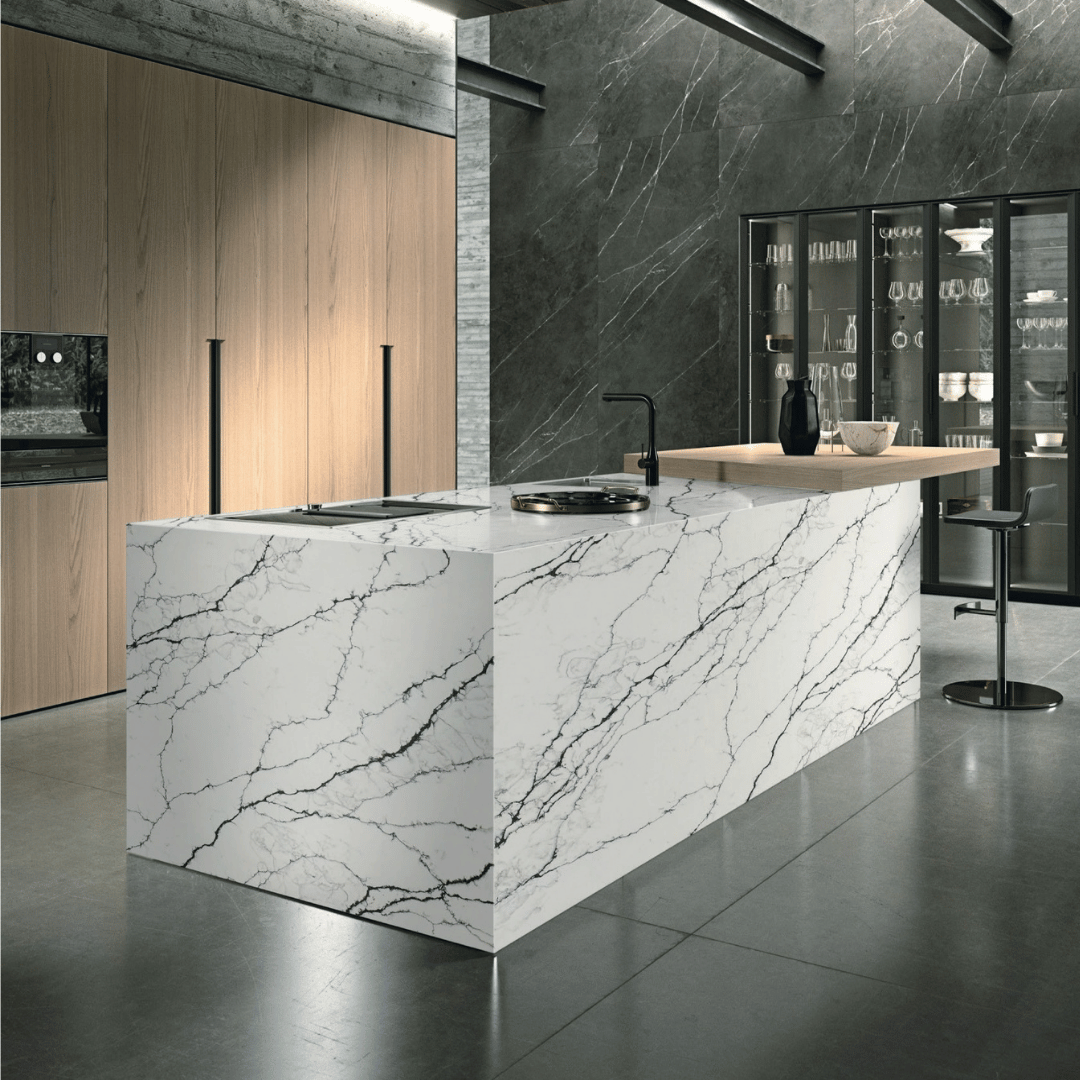
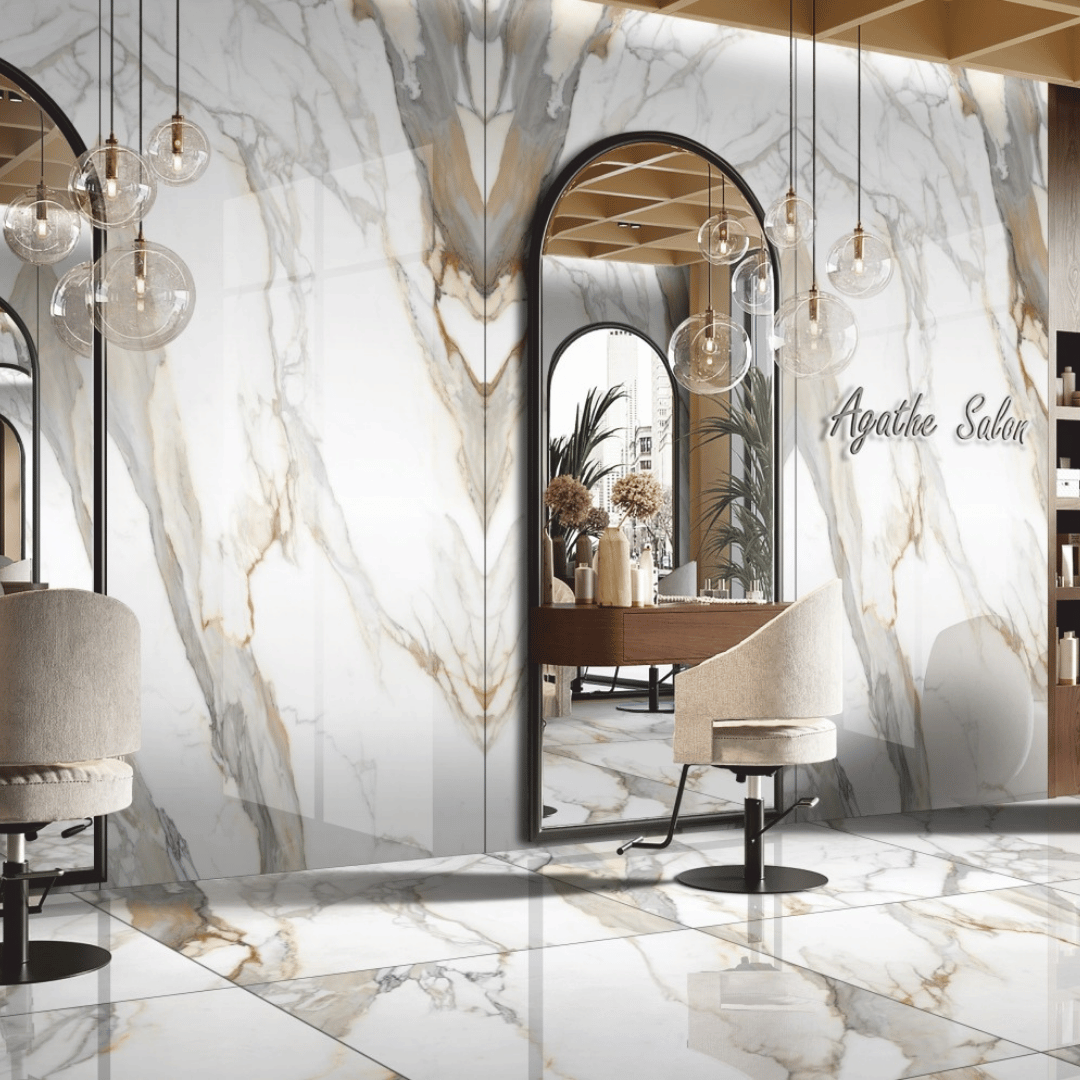
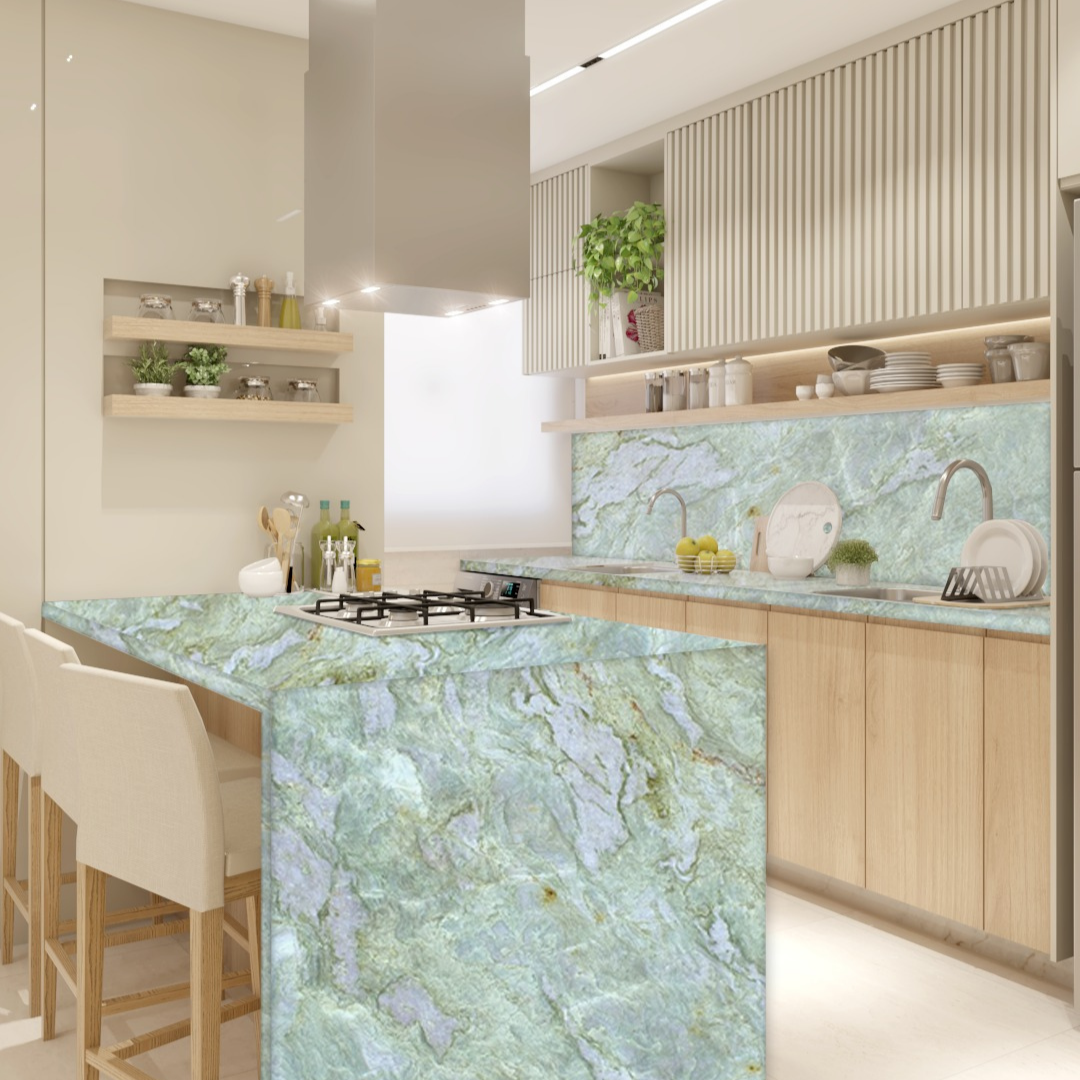
- Versatility in Design: Porcelain slabs can mimic the appearance of natural stone, wood, or other materials, offering a wide range of design possibilities while maintaining durability.
- Cost-Effectiveness: While the initial investment may be higher than some alternatives, the longevity and low maintenance of porcelain slabs lead to cost savings over time.
- Eco-Friendly Options: Many porcelain slabs are made from recycled materials and are fully recyclable, making them a sustainable choice for environmentally conscious businesses.
- Ease of Installation: Large-format porcelain slabs can reduce the number of seams required in installations, leading to a more seamless appearance and fewer potential points of failure.
Porcelain Slabs vs. Other Materials
To truly understand the advantages of porcelain slabs, it’s essential to compare them with other common materials used in commercial applications. The table below highlights some key differences:
| Feature | Porcelain Slabs | Granite | Quartz |
|---|---|---|---|
| Scratch Resistance | High | Moderate | Moderate |
| Stain Resistance | High | Moderate | High |
| Heat Resistance | High | High | Low |
| UV Resistance | High | Moderate | Low |
| Impact Resistance | High | Moderate | Low |
Maintenance and Care for Porcelain Slabs
Maintaining porcelain slabs is straightforward, making them a practical choice for high-traffic areas. Here are some maintenance tips:
- Regular Cleaning: Use a damp cloth or mop with a mild detergent to keep the surface clean. Avoid abrasive cleaners that can scratch the surface.
- Sealing: Unlike natural stone, porcelain does not require sealing, which simplifies maintenance.
- Immediate Spill Response: While porcelain is stain-resistant, it’s best to wipe up spills quickly to prevent any potential staining from highly pigmented substances.
Real-World Applications of Porcelain Slabs
Porcelain slabs are versatile enough to be used in various commercial settings, including:
- Restaurants: Porcelain slabs are perfect for countertops and tabletops due to their durability and ease of cleaning.
- Retail Spaces: High-traffic areas benefit from porcelain’s scratch and stain resistance, making it ideal for flooring and display surfaces.
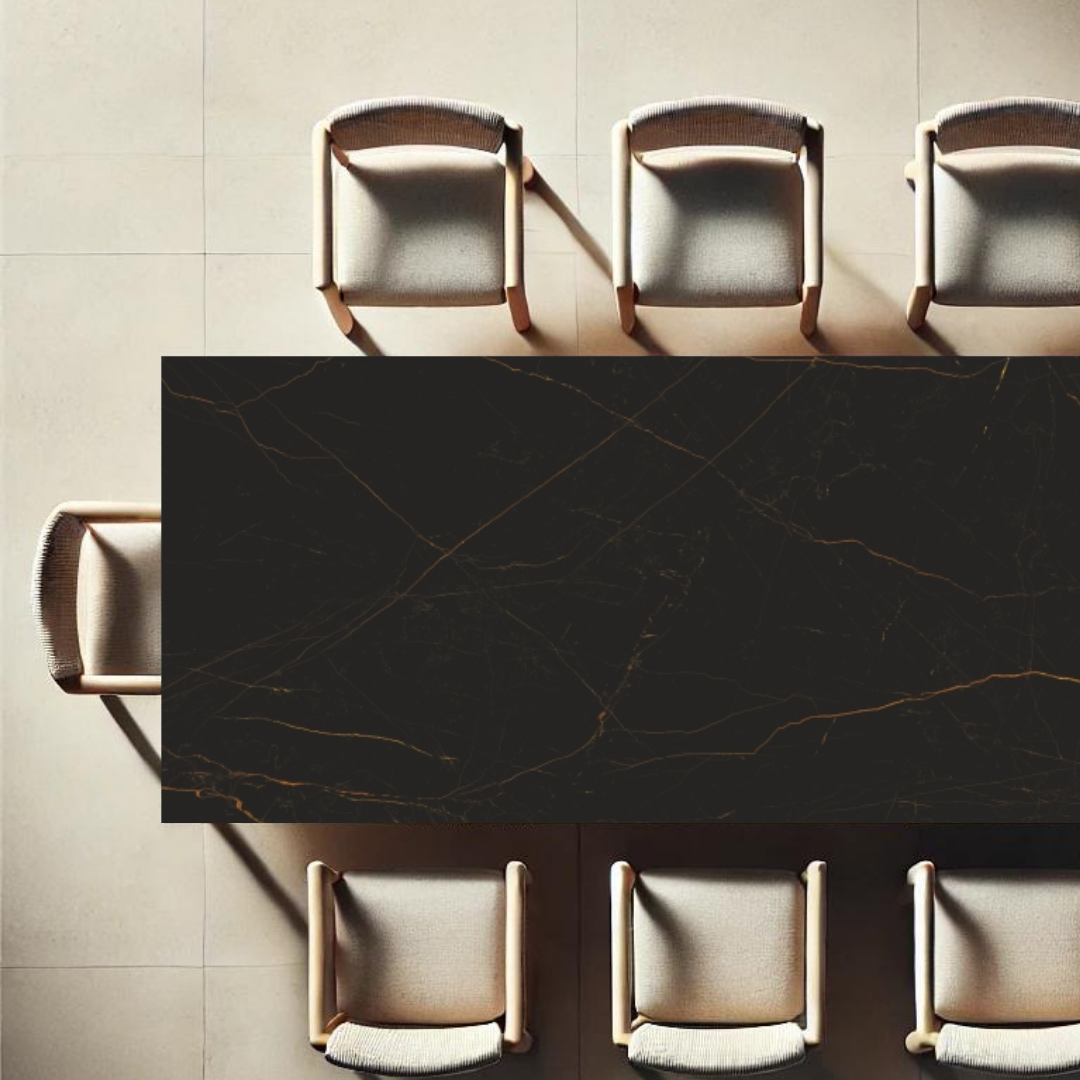
- Office Buildings: Use porcelain slabs for reception desks and conference tables to create a professional and sophisticated atmosphere.
- Healthcare Facilities: The non-porous nature of porcelain makes it a hygienic choice for hospitals and clinics.
Expert Tips for Choosing Porcelain Slabs
When selecting porcelain slabs for your project, consider these expert tips:
- Evaluate Thickness: Thicker slabs (3cm) offer enhanced durability, especially in high-traffic areas.
- Consider Finish: A matte finish can hide fingerprints and scratches better than a polished surface.
- Check for Certifications: Look for products that meet industry standards for performance and safety.
- Consult Professionals: Work with experienced designers and fabricators to ensure your selections meet the specific needs of your space.
Frequently Asked Questions
1. What are porcelain slabs made of?
Porcelain slabs are made from a mixture of natural clay, feldspar, and minerals, which are fired at high temperatures to create a dense, durable surface.
2. How do porcelain slabs compare to granite?
Porcelain slabs are typically more scratch and stain-resistant than granite and offer superior UV resistance, making them an excellent choice for both indoor and outdoor applications.
3. Are porcelain slabs suitable for outdoor use?
Yes, porcelain slabs are UV resistant and can withstand the elements, making them suitable for outdoor patios, walkways, and facades.
4. How do you clean porcelain slabs?
Cleaning porcelain slabs is easy; simply use a damp cloth or mop with mild detergent. Avoid using abrasive cleaners that could scratch the surface.
5. Do porcelain slabs require sealing?
No, porcelain slabs do not require sealing due to their non-porous nature, making maintenance simpler.
6. Can porcelain slabs be repaired if damaged?
While porcelain is highly durable, if a slab is chipped or cracked, it may require replacement rather than repair, depending on the severity of the damage.
7. What thickness of porcelain slab is recommended for commercial use?
For commercial applications, a thickness of 2cm to 3cm is recommended to ensure durability and performance under heavy use.
8. Where can I find high-quality porcelain slabs in Georgia?
Builder Stone Global offers a wide selection of premium porcelain slabs suitable for various commercial applications. Contact us today to learn more!
Conclusion
Porcelain slabs stand out as a durable, versatile solution for commercial environments, offering an array of benefits that meet the demands of high-traffic areas. With their impressive durability, aesthetic flexibility, and ease of maintenance, porcelain slabs are the ideal choice for architects, builders, and designers looking to create stunning and functional spaces. For more information on selecting the right porcelain slabs for your project, call +1 470-551-2092 to speak with our surface specialists or check our live inventory today!