
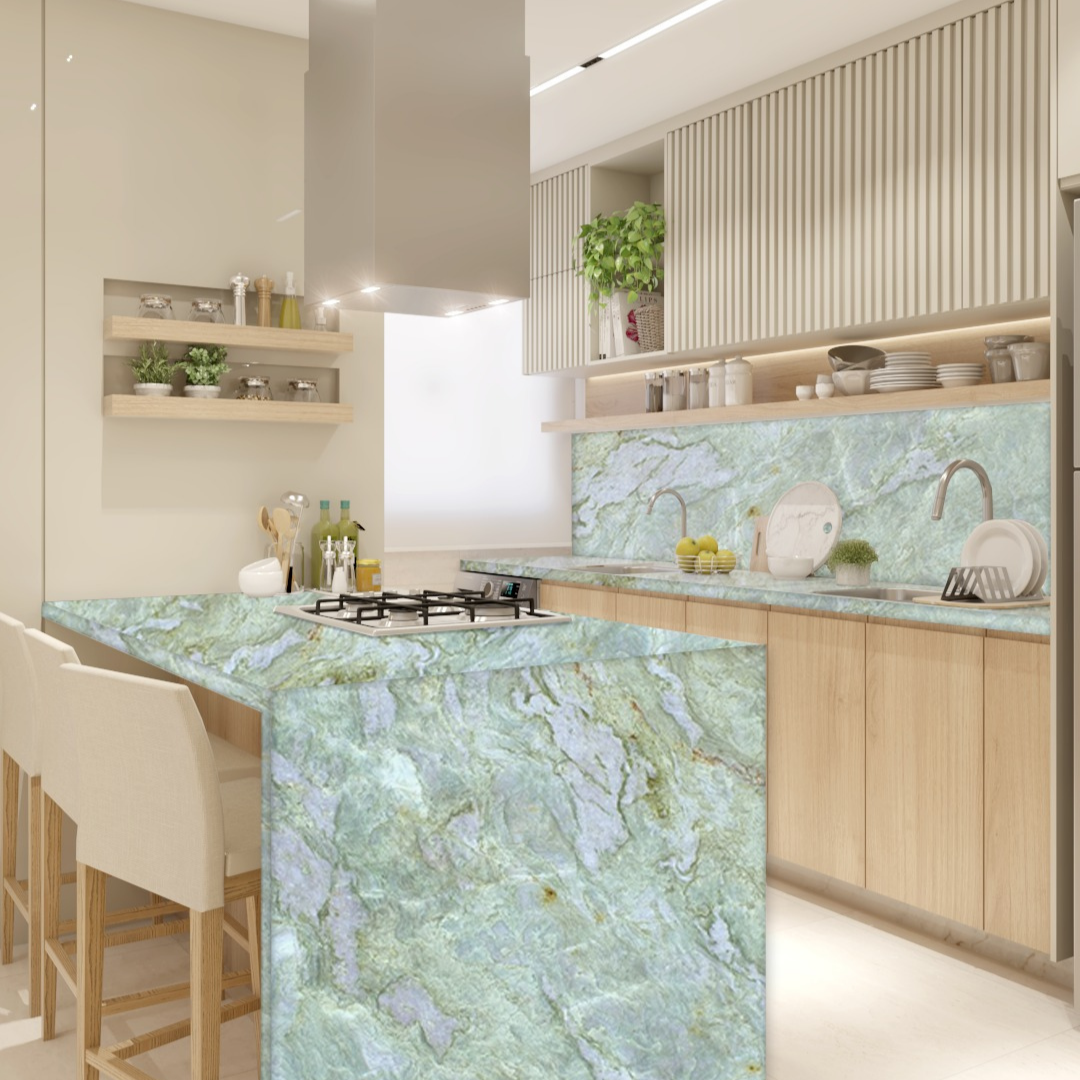
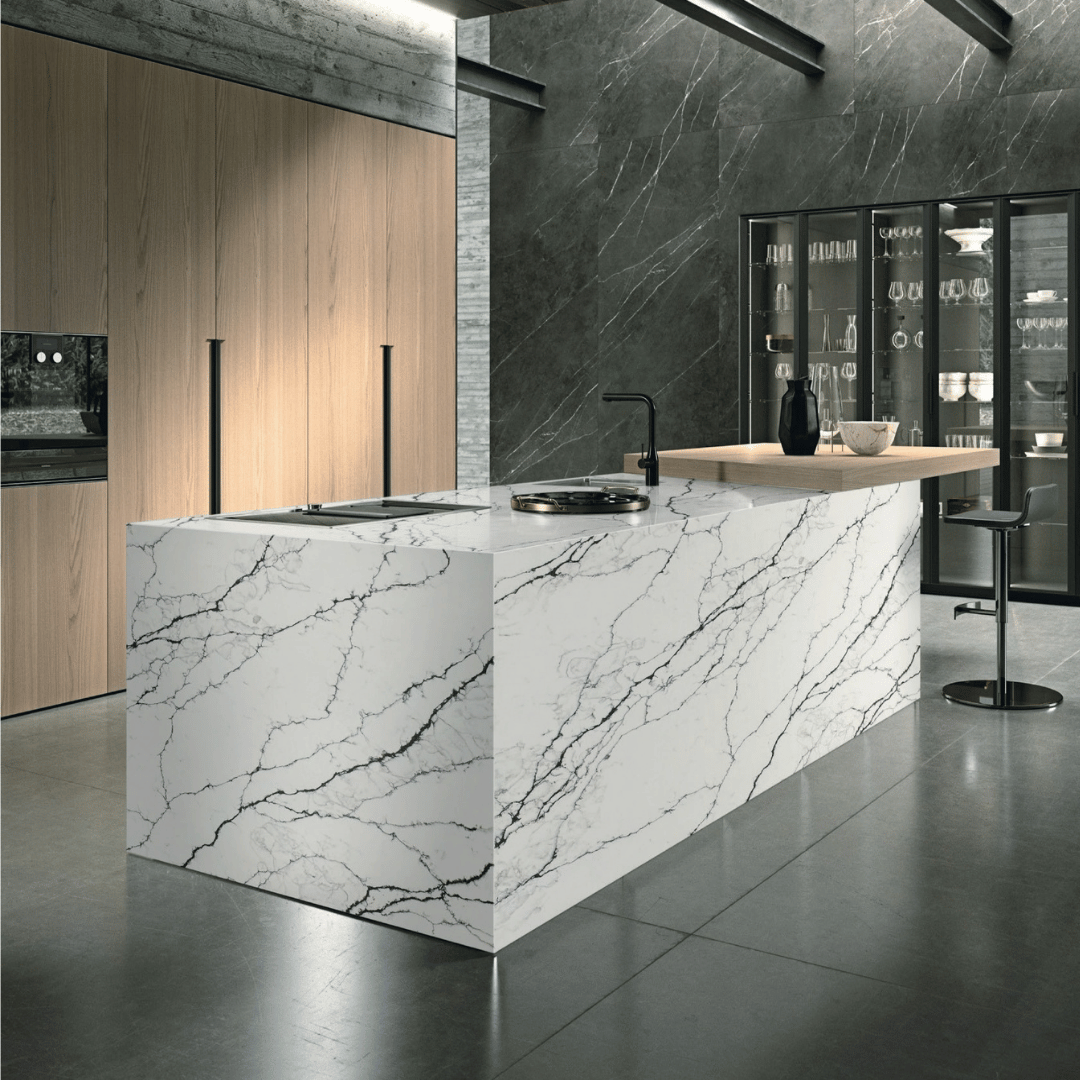
The Complete Guide to Slab Material Specifications for Architectural Drawing Documentation
The Complete Guide to Slab Material Specifications for Architectural Drawing Documentation
When it comes to architectural design, the specifications for slab materials play a crucial role in ensuring the integrity and aesthetic appeal of a project. This comprehensive guide aims to provide you with all the necessary insights into slab material specifications, focusing on premium quartz, porcelain, and natural stone slabs available at Builder Stone Global. As an industry leader in slab distribution, we understand the importance of precise documentation in architectural drawings. In this article, we will cover essential aspects of slab material specifications, including types, standards, and best practices for documentation.
1. Understanding Slab Materials
Slab materials are essential components in various architectural applications, including countertops, flooring, and wall cladding. The choice of material significantly influences the overall design, performance, and durability of the structure. Understanding the properties of slab materials is vital for architects and designers to make informed decisions.
2. Key Specifications for Architectural Drawings
When preparing architectural drawings, several specifications need to be considered:
- Material Type: Clearly specify whether the slab is quartz, porcelain, granite, or quartzite.
- Dimensions: Provide accurate measurements for length, width, and thickness.
- Finish: Indicate whether the surface is polished, honed, or textured.
- Color: Specify color codes or samples to ensure consistency.
- Performance Standards: Include details on durability, stain resistance, and heat resistance.
3. Types of Slab Materials
Architects typically choose from a variety of slab materials, each offering unique benefits:
- Quartz Slabs: Engineered for durability and versatility, quartz slabs are non-porous and available in numerous colors and patterns. They are ideal for kitchen countertops and bathroom vanities.
- Porcelain Slabs: Known for their high performance and aesthetic appeal, porcelain slabs are excellent for both interior and exterior applications. They offer superior heat and stain resistance.
- Granite Slabs: A natural stone option, granite slabs provide timeless beauty and strength. They are highly durable, making them a popular choice for high-traffic areas.
- Quartzite Slabs: Often mistaken for quartz, quartzite is a natural stone that combines beauty with strength. It is ideal for both residential and commercial spaces.
4. Standards and Codes for Slab Materials
Compliance with industry standards and building codes is essential when specifying slab materials. The following are key standards to consider:
- ASTM C 373: This standard test method covers the measurement of water absorption, bulk density, and apparent porosity of ceramic tile.
- ANSI A137.1: This standard establishes performance criteria for ceramic tiles, including porcelain.
- ISO 10545: This international standard outlines tests for ceramic tiles, including chemical resistance and frost resistance.
5. Best Practices for Documenting Slab Specifications
To ensure clarity in architectural drawings, follow these best practices:
- Use Clear Terminology: Avoid jargon and use universal terms for slab specifications.
- Include Visual References: Attach color samples and texture swatches to the documentation.
- Update Regularly: Ensure that specifications are updated to reflect any changes in material availability or standards.
- Collaborate with Suppliers: Work closely with slab distributors like Builder Stone Global to verify material specifications and availability.
- Document Testing Results: Include results from material testing to support specifications.
6. Comparison of Common Slab Materials
| Material Type | Durability | Stain Resistance | Heat Resistance | Cost |
|---|---|---|---|---|
| Quartz | High | Excellent | Moderate | $$$ |
| Porcelain | Very High | Excellent | High | $$$ |
| Granite | High | Good | High | $$ |
| Quartzite | Very High | Good | High | $$$ |
7. Frequently Asked Questions
What are the most important specifications for slab materials?
The most important specifications include material type, dimensions, finish, color, and performance standards.
How do I choose the right slab for my project?
Consider the application, durability, maintenance, and aesthetic preferences when selecting a slab material.
What is the difference between quartz and quartzite?
Quartz is an engineered stone made from natural quartz crystals, while quartzite is a natural stone formed from sandstone.
Are porcelain slabs suitable for outdoor use?
Yes, high-quality porcelain slabs are often suitable for outdoor applications due to their durability and resistance to weathering.
How do I maintain natural stone slabs?
Regular sealing and proper cleaning routines are essential for maintaining the beauty and longevity of natural stone slabs.
What are the benefits of using engineered stone?
Engineered stone, like quartz, offers uniformity in color and pattern, non-porosity, and lower maintenance compared to natural stones.
How can I ensure compliance with building codes?
Consult with local building authorities and follow applicable standards when specifying slab materials.
Where can I find premium slab materials in Georgia?
Builder Stone Global in Norcross, GA, offers a wide selection of premium quartz, porcelain, and natural stone slabs. Contact us for more information.
8. Conclusion
Understanding slab material specifications is essential for architects and designers in creating functional and aesthetically pleasing spaces. By following the guidelines and best practices outlined in this comprehensive guide, you can ensure that your architectural documentation is precise and adheres to industry standards. For premium slab materials, visit our live inventory or contact us to speak with our surface specialists today.