
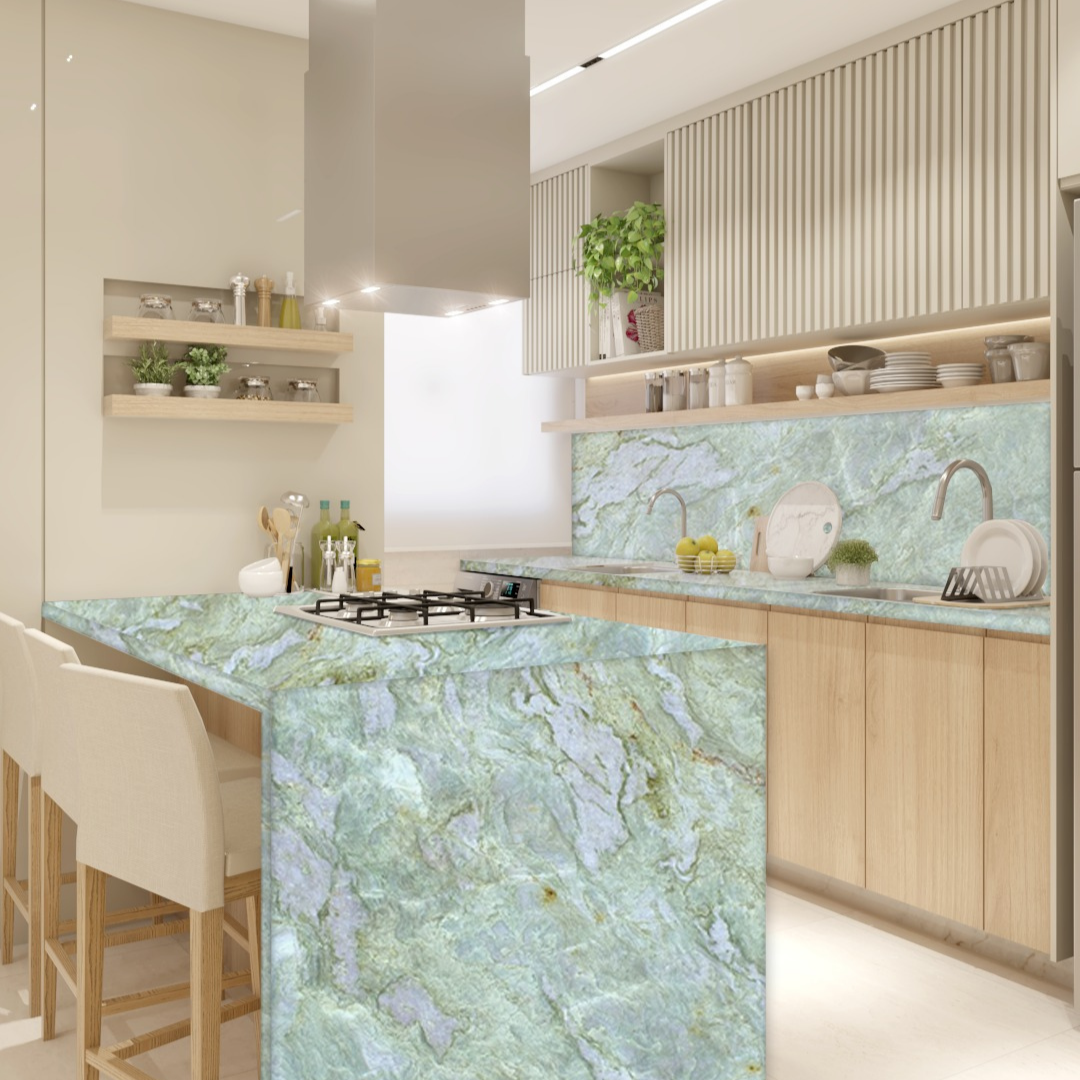
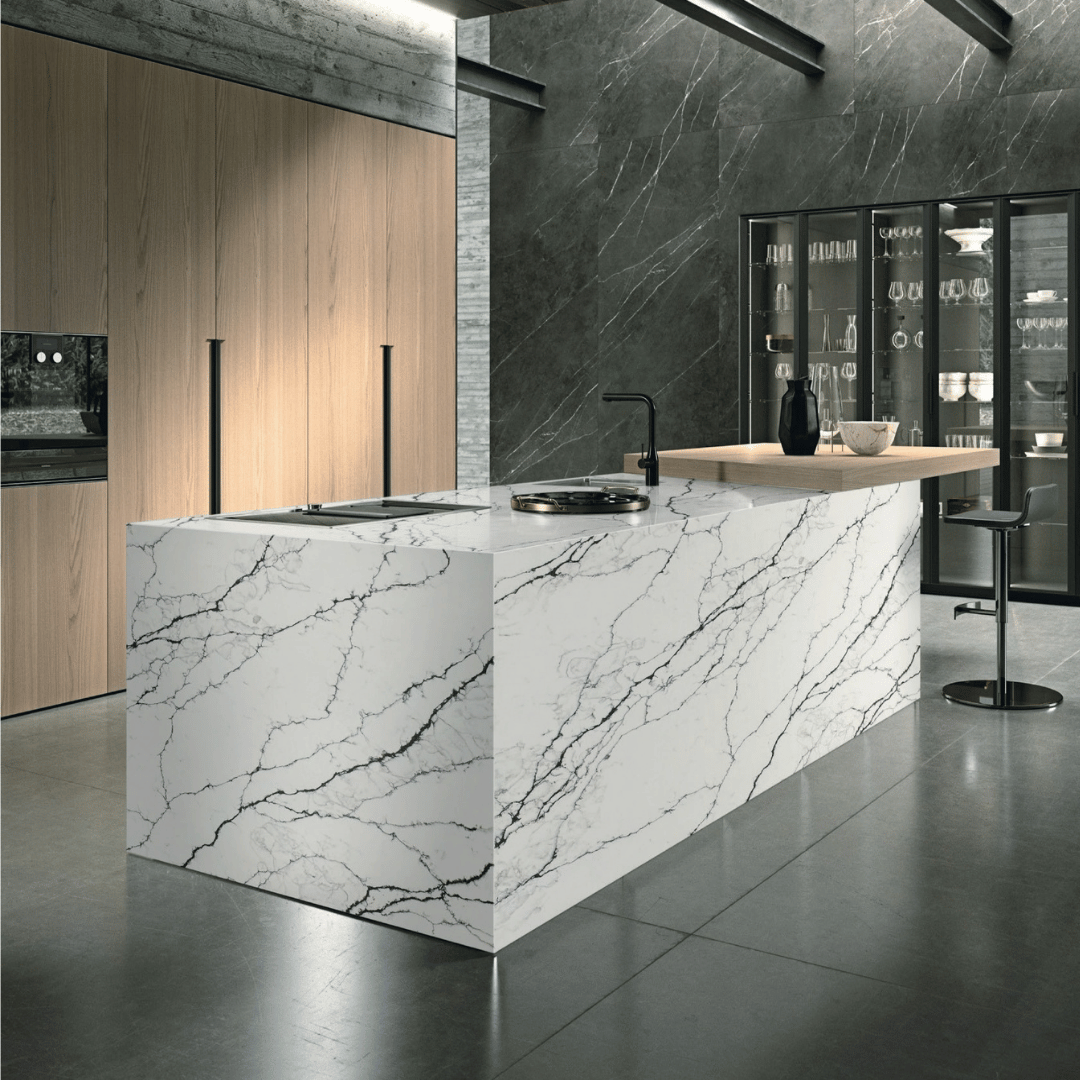
Strategic Slab Selection: How Property Developers Coordinate Across Phases
Strategic Slab Selection: How Property Developers Coordinate Across Phases
In the dynamic world of property development, the selection of architectural materials, particularly slabs, is a multifaceted process that requires meticulous coordination across multiple properties and phases. As a property developer, the choice of slabs can significantly influence not only the aesthetic appeal of the buildings but also their performance, durability, and overall value. This article will explore how property developers effectively manage slab selection, ensuring consistency, quality, and design integrity across various projects. From understanding the different types of slabs available to navigating logistical challenges, we will provide actionable insights and expert advice that can help streamline the process of slab selection.
Whether you are a seasoned developer or just starting, this guide will equip you with the knowledge you need to make informed decisions about your slab selections. You will learn about the various types of slabs, key factors to consider during selection, and best practices for coordinating slab choices across multiple properties.
Understanding the Types of Slabs
When it comes to slab selection, property developers have a variety of options, each with its unique characteristics and applications. Here are the most common types of slabs:
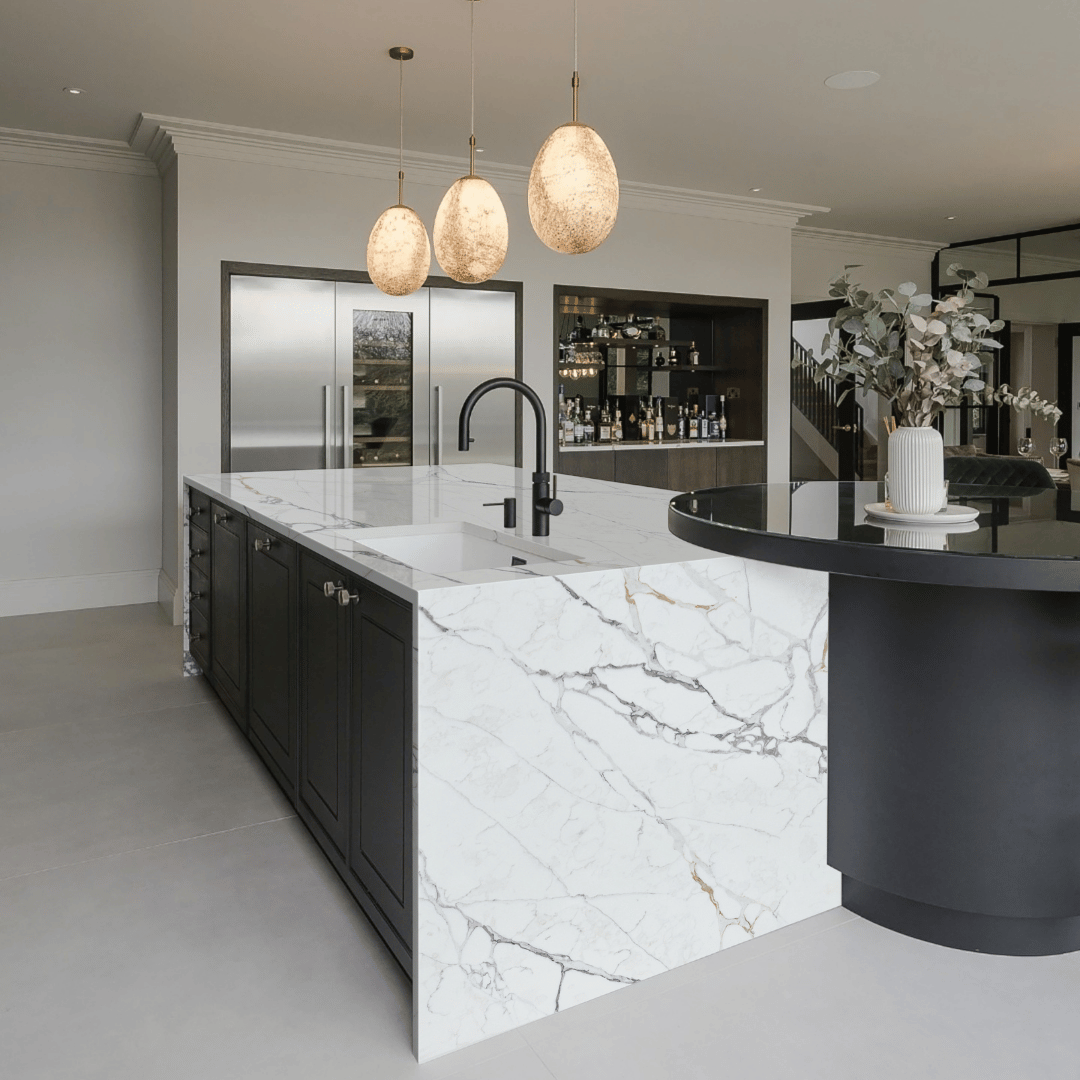
- Quartz Slabs: Known for their durability and non-porous nature, quartz slabs are ideal for kitchen countertops and bathroom vanities. Their wide range of colors and patterns allows for creative design flexibility. Learn more about choosing quartz slabs.
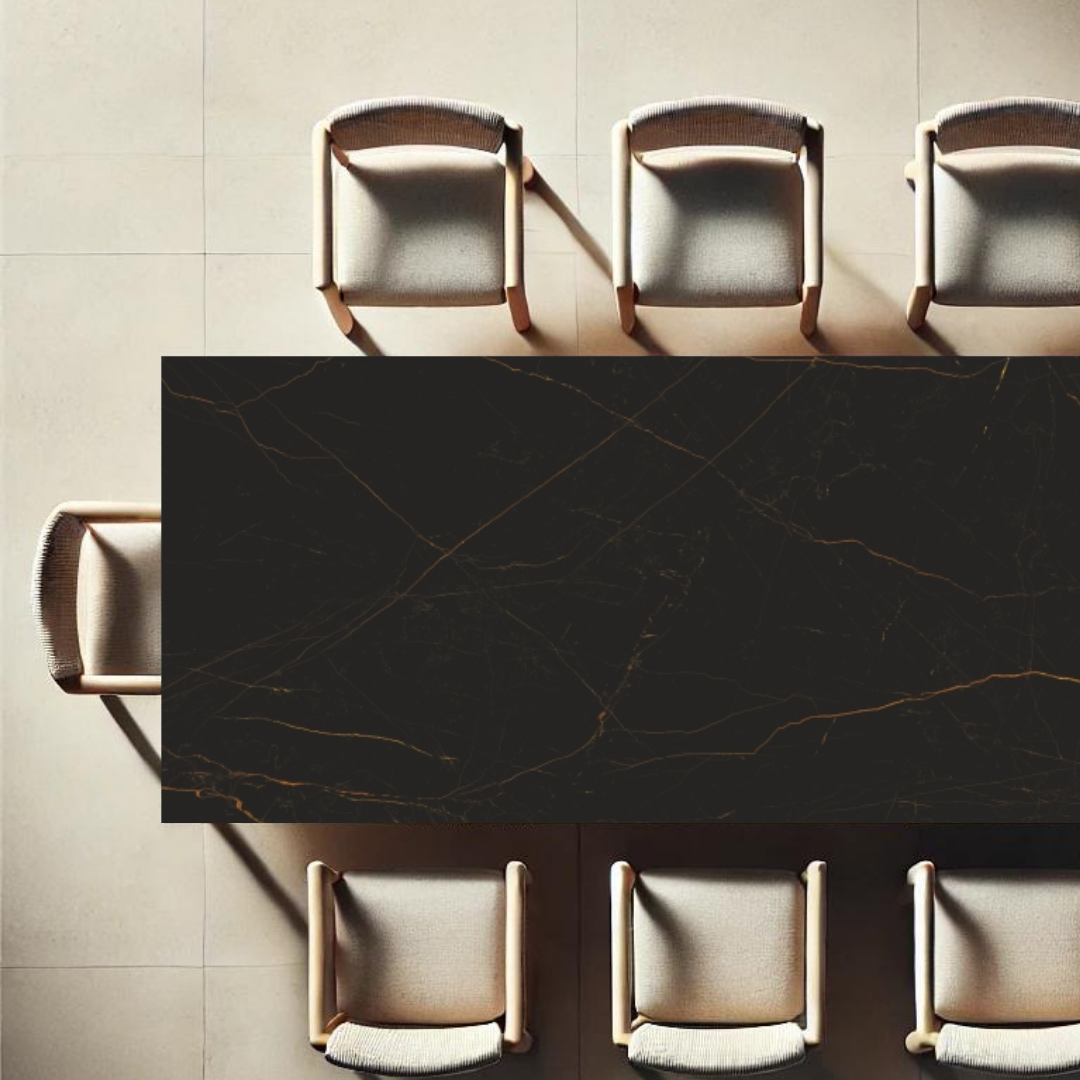
- Porcelain Slabs: These high-performance surfaces offer exceptional heat resistance and durability, making them perfect for both indoor and outdoor applications. Their large format can create seamless designs, especially in commercial settings. Explore the best uses for porcelain slabs.
- Natural Stone Slabs: Including granite and quartzite, natural stone slabs provide a unique aesthetic with rich textures and colors. They are often favored for high-end residential projects due to their luxurious appearance and longevity.
Factors Influencing Slab Selection
Several key factors influence the selection of slabs for property development:
1. Aesthetic Considerations
The visual impact of the selected slab is crucial. Developers must consider how the slab complements the overall architectural design. Factors such as color, texture, and pattern play a significant role in achieving the desired aesthetic.
2. Performance Requirements
Different types of slabs offer varying levels of performance. For instance, quartz slabs are renowned for their stain resistance, while porcelain slabs excel in heat resistance. Understanding the specific performance requirements for each project is essential for making informed selections.
3. Cost and Budget Constraints
Budget considerations can significantly affect slab selection. While premium materials may offer superior aesthetics and performance, developers must balance quality with budgetary constraints. Establishing a clear budget early in the project can help guide slab selection.
4. Environmental Considerations
Sustainability is increasingly important in property development. Many developers are opting for eco-friendly materials, including recycled or sustainably sourced slabs. This not only reduces the environmental impact but can also enhance the project’s appeal to environmentally conscious buyers.
5. Logistics and Availability
Coordinating slab selection across multiple properties often involves logistical challenges. Developers must consider the availability of materials, lead times, and shipping logistics, especially when sourcing from out-of-state suppliers. Utilizing a reliable slab distributor, such as Builder Stone Global, can help streamline this process.
The Coordination Process for Multiple Properties
Coordinating slab selection across multiple properties requires a structured approach to ensure consistency and quality. Here are the key steps involved:
1. Establishing a Centralized Design Team
Creating a centralized design team that oversees slab selection can help maintain consistency across projects. This team should include architects, interior designers, and procurement specialists who can collaborate on material choices.
2. Developing a Comprehensive Material Library
Maintaining a comprehensive material library that includes samples of various slabs can facilitate the selection process. This library should be accessible to all team members involved in the design and procurement phases.
3. Implementing a Standardized Selection Process
Developing a standardized selection process can streamline decision-making. This process should outline the criteria for slab selection, including aesthetics, performance, cost, and sustainability.
4. Regular Communication and Updates
Regular communication among team members is vital for effective coordination. Utilizing project management tools can help keep everyone informed about updates, deadlines, and changes in slab availability.
5. Engaging with Trusted Suppliers
Building strong relationships with trusted slab suppliers can enhance the selection process. Engaging with suppliers who offer a wide range of options and reliable logistics can significantly reduce delays and improve efficiency.
Best Practices for Slab Selection
To ensure successful slab selection, property developers should follow these best practices:
1. Conduct Thorough Research
Invest time in researching different types of slabs and their applications. Understanding the strengths and weaknesses of each material can guide your selections effectively.
2. Prioritize Quality and Performance
While cost is a significant factor, prioritizing quality and performance can lead to long-term benefits. High-performance slabs may require a higher initial investment but often result in lower maintenance costs and improved durability over time.
3. Utilize Technology for Visualization
Leveraging technology, such as 3D modeling software, can help visualize how different slabs will look in the finished project. This can aid in making more informed decisions and ensuring design coherence.
4. Involve Stakeholders Early
Engaging stakeholders, including architects, designers, and clients, early in the slab selection process can foster collaboration and ensure that everyone’s needs and preferences are considered.
5. Regularly Review and Adjust Selections
As projects evolve, so too may the needs for slab materials. Regularly reviewing and adjusting selections can help adapt to changes in design, budget, or availability.
Case Studies: Successful Slab Coordination
To illustrate the principles discussed, let’s examine a few case studies of successful slab coordination:
Case Study 1: Urban High-Rise Development
In a recent urban high-rise development, the design team established a centralized decision-making process that involved key stakeholders from the outset. They maintained a material library that included samples of quartz and porcelain slabs. By prioritizing quality and sustainability, they selected high-performance slabs that met both aesthetic and functional requirements, ultimately enhancing the building’s appeal and value.
Case Study 2: Multi-Property Residential Development
A property developer managing multiple residential projects chose to standardize their slab selection across all properties. By partnering with a reliable supplier, they ensured consistent quality and availability of materials. This not only streamlined the procurement process but also created a recognizable visual identity across the developments.
FAQs on Slab Selection and Coordination
1. What types of slabs are best for kitchen countertops?
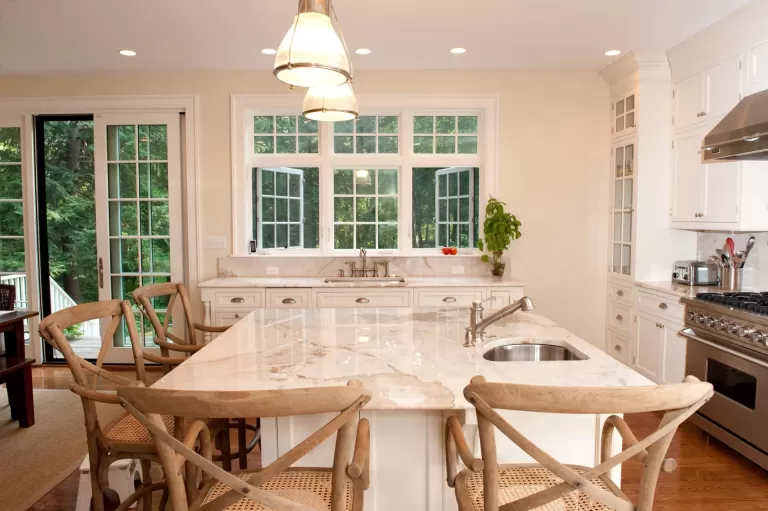
Quartz and granite slabs are popular choices for kitchen countertops due to their durability and aesthetic appeal. Quartz slabs offer stain resistance, while granite provides a unique, natural look.
2. How do I choose the right slab for my project?
Consider factors such as aesthetics, performance requirements, budget, and environmental impact when selecting a slab. Research different materials and consult with design professionals for guidance.
3. What is the average cost of quartz slabs?
The cost of quartz slabs can vary widely, typically ranging from $50 to $150 per square foot, depending on the brand, quality, and design.
4. How long does it take to receive slabs after ordering?
Lead times can vary based on the supplier and the specific slabs ordered. Generally, it can take anywhere from a few days to several weeks for delivery.
5. Are there eco-friendly options for slabs?
Yes, many manufacturers offer eco-friendly slabs made from recycled materials or sustainably sourced stone.
6. What are the maintenance requirements for natural stone slabs?
Natural stone slabs often require sealing to protect against stains and moisture. Regular cleaning with pH-balanced cleaners is also recommended.
7. Can I use porcelain slabs outdoors?
Yes, porcelain slabs are highly durable and can withstand outdoor conditions, making them suitable for patios and outdoor kitchens.
8. How do I ensure consistency in slab selection across multiple properties?
Establishing a centralized design team, maintaining a material library, and utilizing a standardized selection process can help ensure consistency in slab selection.
Conclusion
Coordinating slab selection across multiple properties and phases is a complex but essential task for property developers. By understanding the types of slabs available, evaluating key factors influencing selection, and implementing best practices for coordination, developers can enhance both the quality and consistency of their projects. The right slab choices not only elevate the aesthetic appeal of the buildings but also contribute to their long-term performance and sustainability. For expert guidance and a wide selection of premium slabs, consider partnering with a trusted distributor like Builder Stone Global. Call +1 470-551-2092 to speak with our surface specialists today!