
The Complete Guide to Slab Material Presentations for Design Firm Client Meetings
The Complete Guide to Slab Material Presentations for Design Firm Client Meetings
When it comes to architectural design, the selection of slab materials can significantly influence the aesthetic and functional qualities of a project. As a design firm, your ability to present these materials effectively during client meetings is crucial for winning their trust and ensuring their vision is realized. In this complete guide, we will explore how to present slab materials—specifically quartz, porcelain, and natural stone—in a way that showcases your expertise and enhances your clients’ decision-making process. By the end of this article, you’ll be equipped with actionable insights, expert tips, and a structured approach to making compelling slab material presentations that resonate with your clients.
Understanding Slab Materials
When preparing for a client meeting, it’s essential to have a clear understanding of the different types of slab materials available. As a premium quartz and natural stone distributor, Builder Stone Global offers an extensive range of options, including:
- Quartz Slabs: Engineered for durability and aesthetic versatility, quartz slabs are a popular choice for both residential and commercial applications. They come in various colors and patterns, making them suitable for diverse design styles.
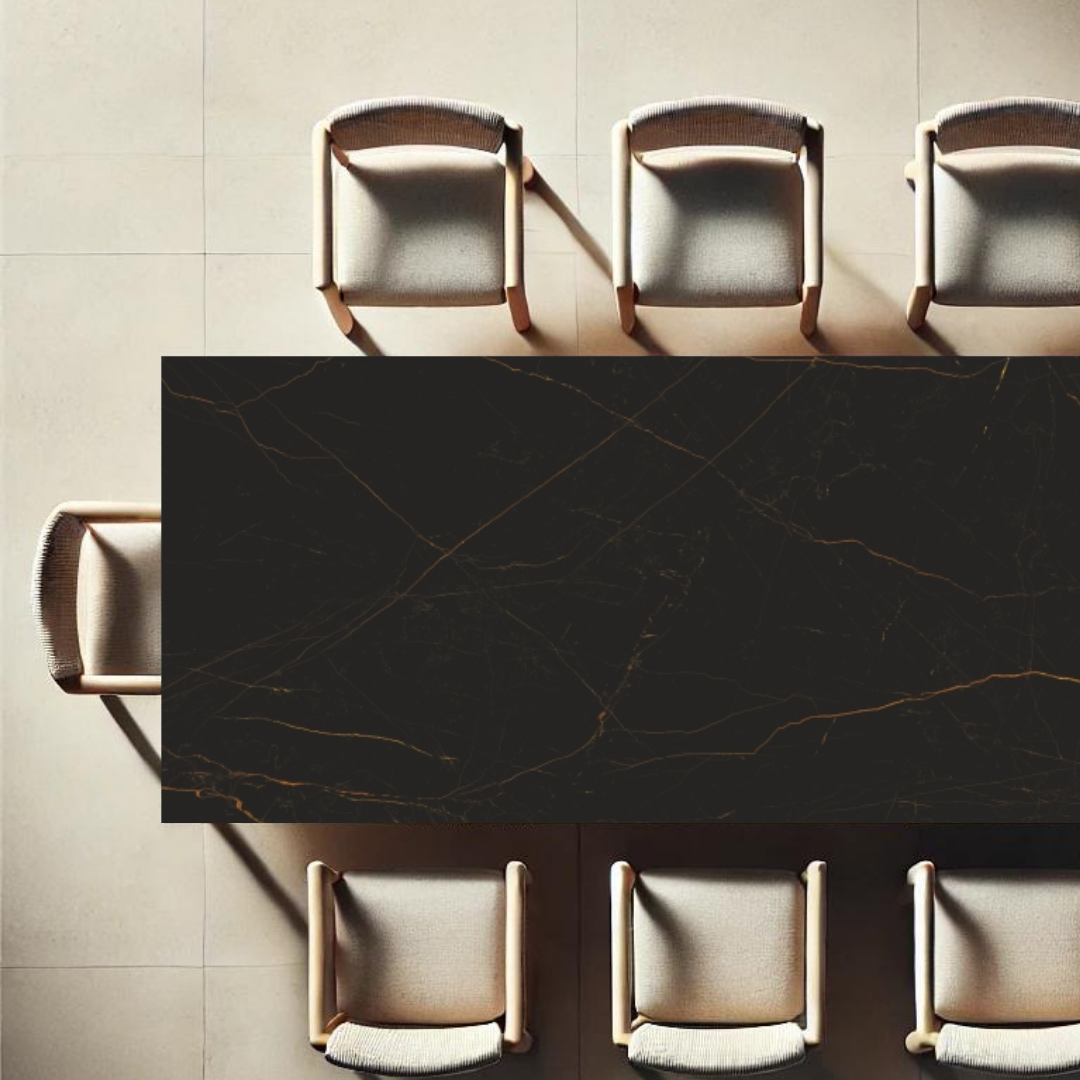
- Porcelain Slabs: Known for their high performance and resistance to heat, stains, and scratches, porcelain slabs are ideal for modern architectural designs. Their large format allows for seamless installations, enhancing visual appeal.
- Natural Stone Slabs: Options like granite, quartzite, and marble provide unique aesthetic qualities and durability. Each type has its own characteristics, making it essential to understand their differences when presenting to clients.
Understanding these materials helps you convey their benefits effectively and answer any questions clients may have about their performance, maintenance, and suitability for specific applications.
Preparing Your Presentation
Preparation is key to delivering a successful presentation. Here are steps to consider when preparing your slab material presentation:
- Know Your Audience: Tailor your presentation to your audience’s knowledge level and preferences. Are they familiar with slab materials, or are they new to the topic? Understanding their background will help you adjust your language and depth of information.
- Gather Samples: Physical samples of quartz, porcelain, and natural stone slabs are invaluable during presentations. They allow clients to see and feel the materials, enhancing their understanding and appreciation of your offerings.
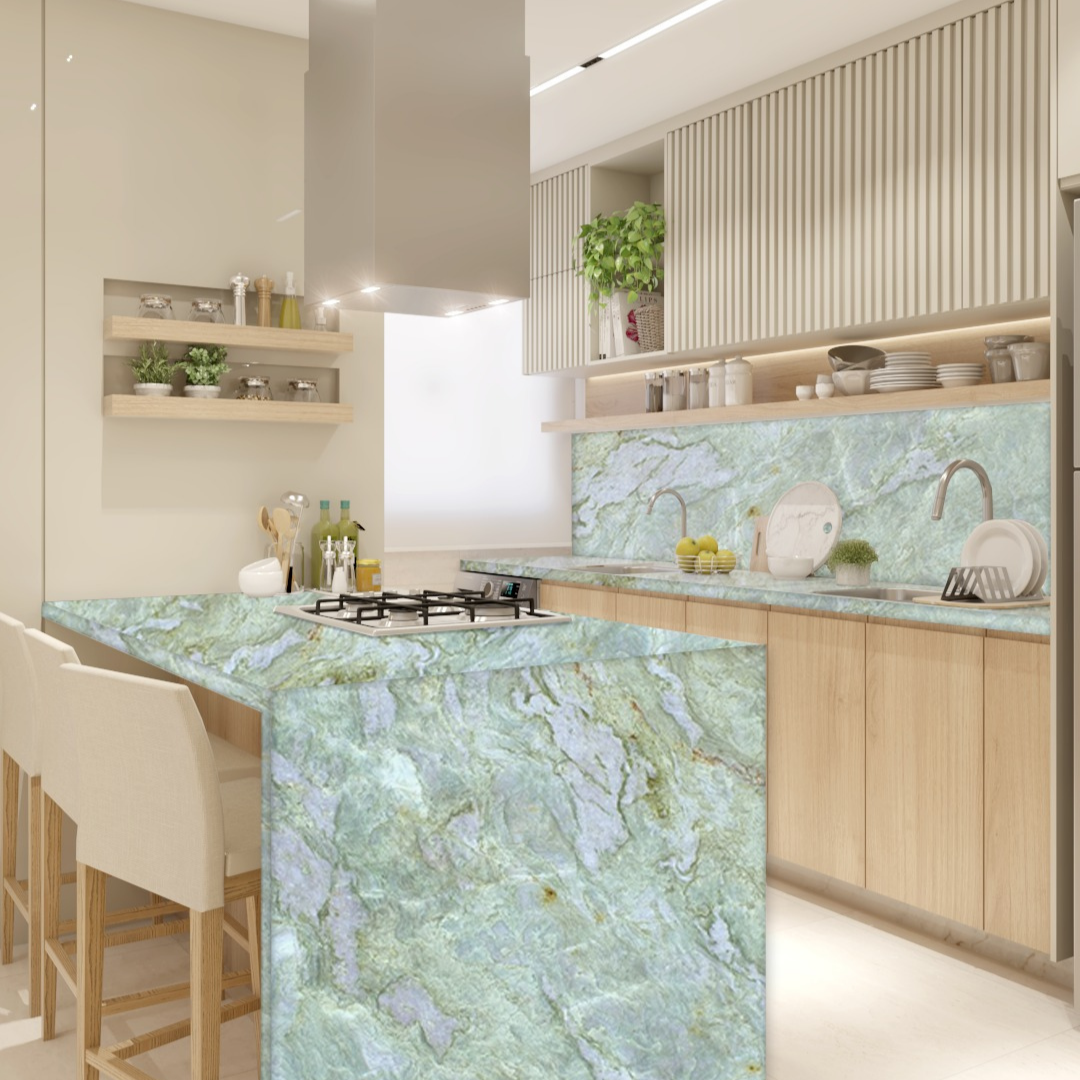
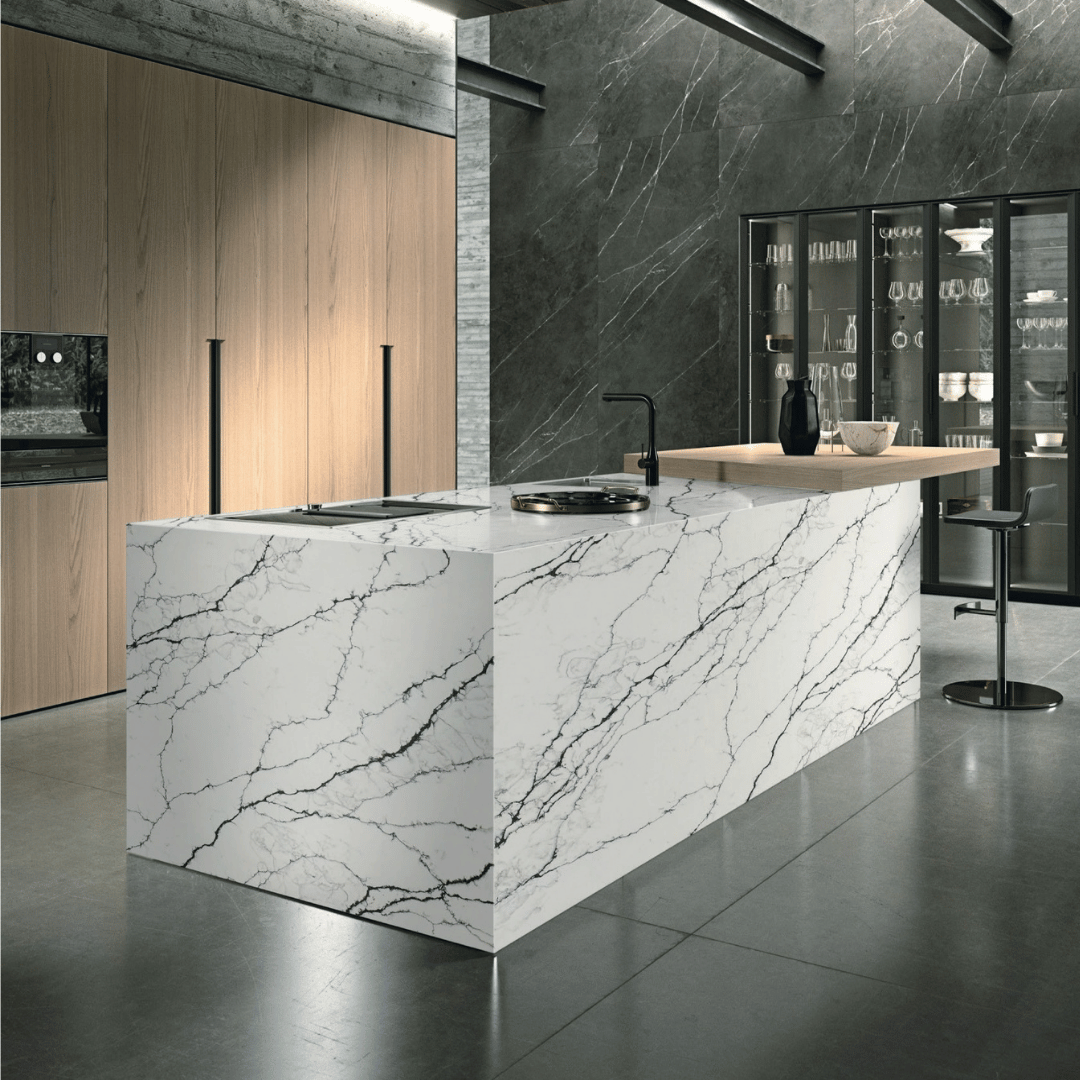
- Visual Aids: Use high-quality images, videos, or 3D models to showcase slab materials in various applications. Visual aids can help clients envision how the materials will look in their projects.
- Prepare a Comparison Table: A comparison table can effectively summarize key differences between materials, such as price, durability, maintenance, and aesthetic qualities. This can help clients make informed decisions.
Example Comparison Table
| Material | Durability | Maintenance | Cost | Aesthetics |
|---|---|---|---|---|
| Quartz | High | Low | $$ | Varies widely |
| Porcelain | Very High | Low | $$$ | Modern, sleek |
| Granite | High | Moderate | $$ | Natural, unique patterns |
| Quartzite | Very High | Moderate | $$$ | Elegant, natural |
Showcasing Slab Materials Effectively
Once your presentation is prepared, it’s time to showcase the slab materials effectively. Here are some strategies to consider:
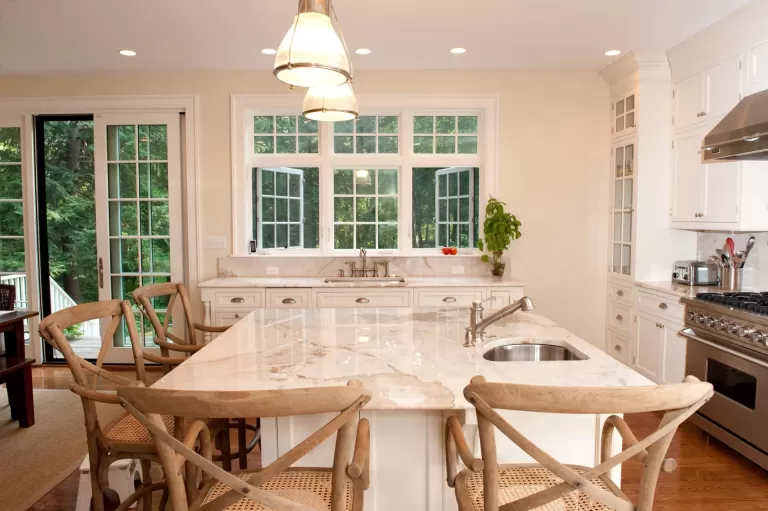
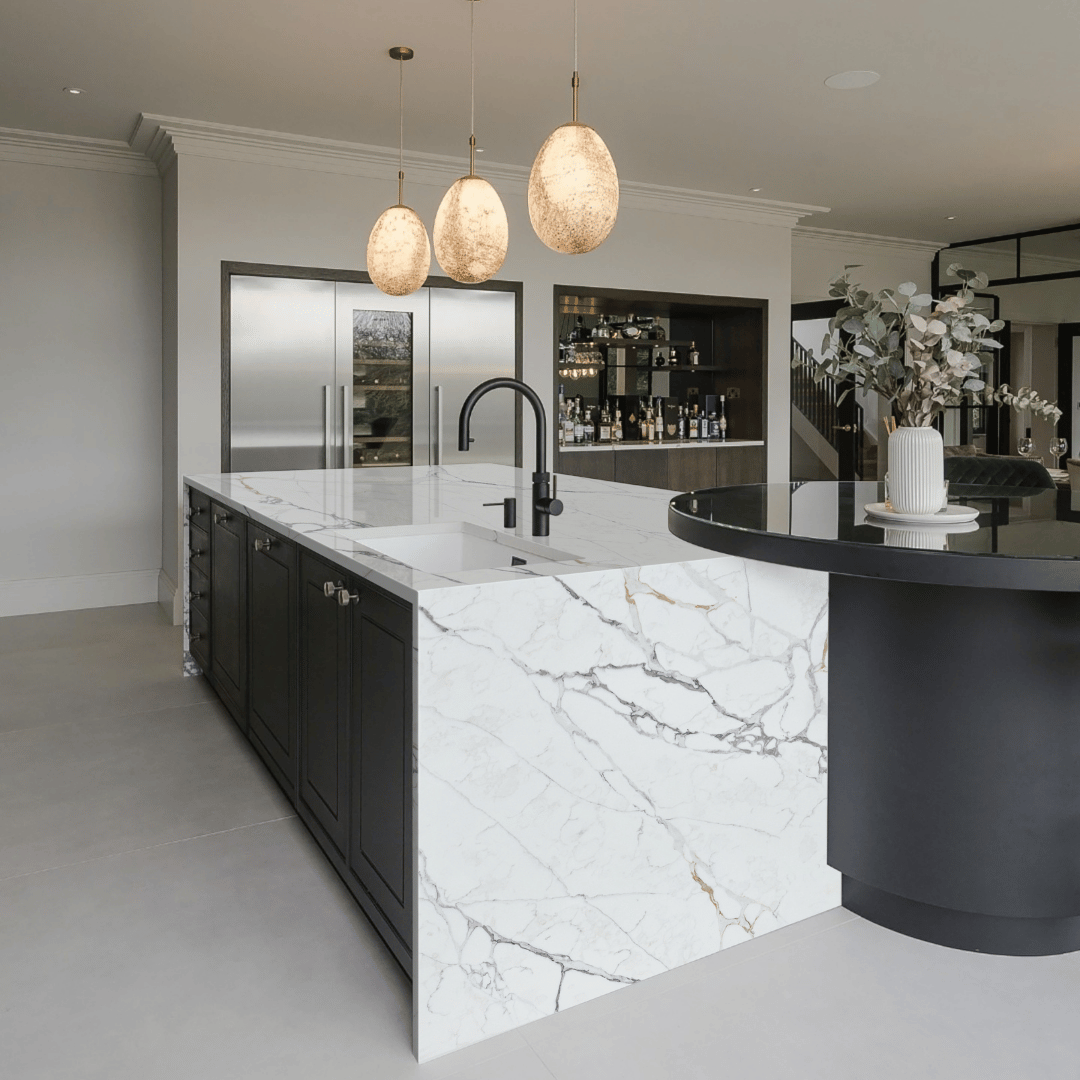
- Contextual Examples: Present examples of completed projects that utilize the slab materials you’re discussing. This will help clients visualize the practical applications and benefits of each material.
- Highlight Benefits: Clearly articulate the benefits of each slab material. For instance, emphasize the durability of quartz for busy kitchens or the heat resistance of porcelain for outdoor spaces.
- Interactive Sessions: Engage clients by encouraging them to touch and feel the materials. Allow them to explore different finishes, colors, and textures to create a more immersive experience.
- Incorporate Technology: Use augmented reality (AR) tools or design software to allow clients to see how different slabs will look in their actual spaces. This tech-savvy approach can impress clients and enhance their understanding.
Engaging with Clients
Client engagement is critical during presentations. Here are some tips to foster a collaborative atmosphere:
- Encourage Questions: Create an open environment where clients feel comfortable asking questions. This not only clarifies their doubts but also shows that you value their input.
- Listen Actively: Pay attention to client feedback and preferences. This will help you tailor your recommendations and demonstrate your commitment to meeting their needs.
- Provide Expert Insights: Share insights on industry trends, such as popular colors or finishes for 2026. This positions you as an authority in your field and helps clients feel confident in your recommendations.
Addressing Client Questions
Clients will undoubtedly have questions about slab materials. Here are some common inquiries and how to address them:
- What is the best slab material for my project? Assess their specific needs, such as durability, maintenance, and aesthetic preferences, to recommend the most suitable option.
- How do I maintain these surfaces? Provide detailed maintenance guidelines for each material, emphasizing the low-maintenance nature of quartz and porcelain.
- What are the cost implications? Be transparent about pricing, including the cost of materials, installation, and long-term value. Use your comparison table to illustrate these points.
Expert Tips for Success
Here are additional expert tips for delivering successful slab material presentations:
- Practice Your Delivery: Rehearse your presentation multiple times to ensure a smooth delivery. This builds your confidence and allows you to focus on engaging with clients.
- Utilize Storytelling: Share stories about how certain materials transformed previous projects. This personal touch can make your presentation more relatable and memorable.
- Be Adaptable: Be prepared to adjust your presentation on the fly based on client reactions and feedback. Flexibility can lead to a more productive discussion.
FAQ
What are the most popular slab materials for kitchens?
Quartz and granite are among the most popular slab materials for kitchens due to their durability and aesthetic appeal.
How do I choose the right slab thickness?
Consider the application and structural requirements. Typically, 2cm is suitable for most residential applications, while 3cm is recommended for areas with heavy use.
Can porcelain slabs be used outdoors?
Yes, porcelain slabs are highly resistant to weather conditions, making them an excellent choice for outdoor applications.
What maintenance is required for natural stone slabs?
Natural stone slabs require regular sealing to prevent staining and maintain their appearance.
How do I negotiate slab prices with suppliers?
Research market prices and be prepared to discuss your project needs and volume to negotiate favorable terms with suppliers.
What trends should I be aware of for slab materials in 2026?
Expect to see increased interest in matte finishes and bold colors, as well as sustainable materials gaining traction in the market.
How can I ensure a successful slab selection process?
Engage with clients throughout the selection process, providing expert insights and addressing their concerns to foster collaboration.
Where can I find high-quality slab materials in Georgia?
Builder Stone Global offers a wide range of premium quartz, porcelain, and natural stone slabs in Norcross, GA. Visit our live inventory for options.
Conclusion
Presenting slab materials effectively in design firm client meetings is essential for building trust and ensuring project success. By understanding the materials, preparing thoroughly, and engaging with clients, you can create impactful presentations that resonate with your audience. Remember to leverage your expertise and industry insights to guide clients in their decision-making process. For high-quality slab materials, consider partnering with Builder Stone Global—your trusted source for premium quartz, porcelain, and natural stone slabs.