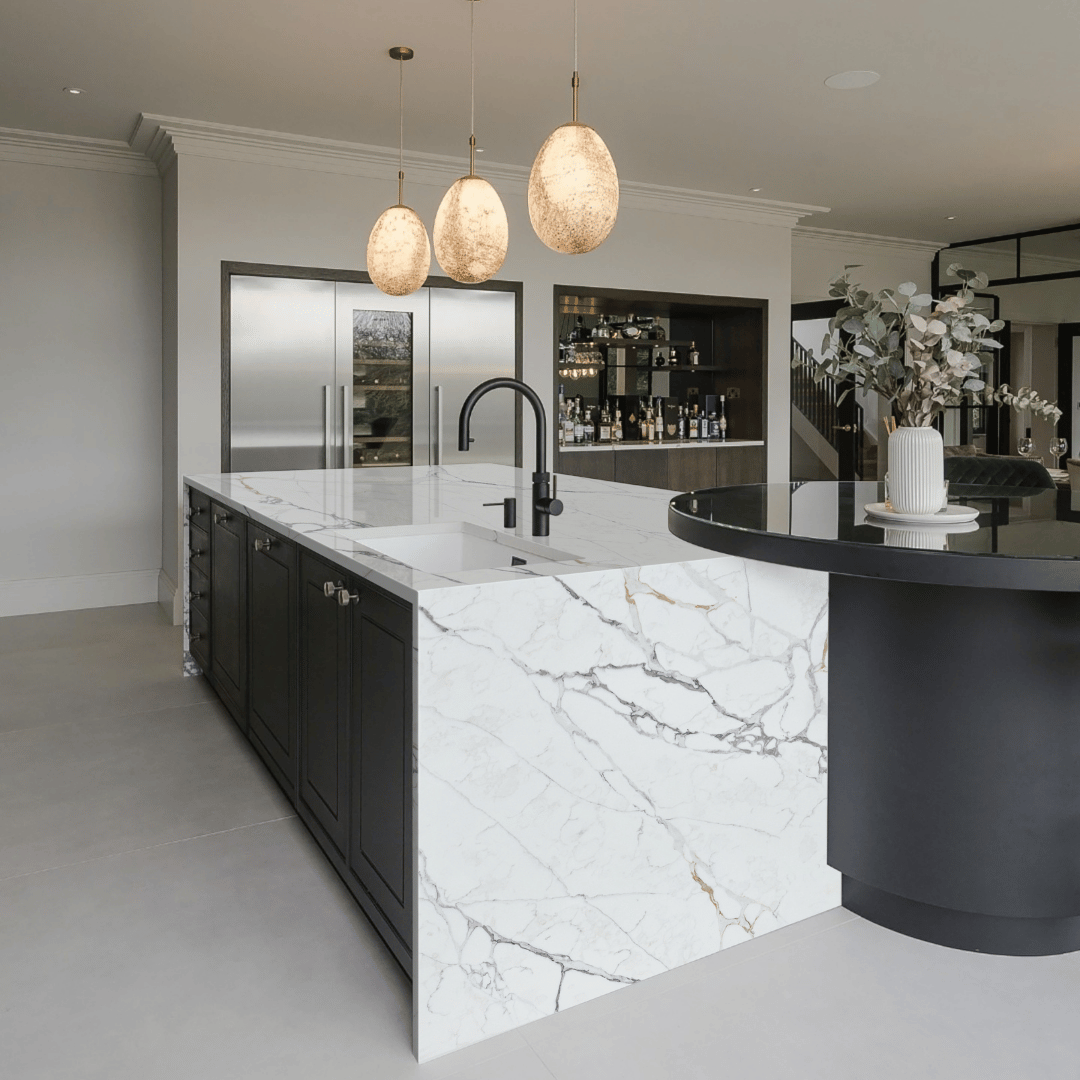
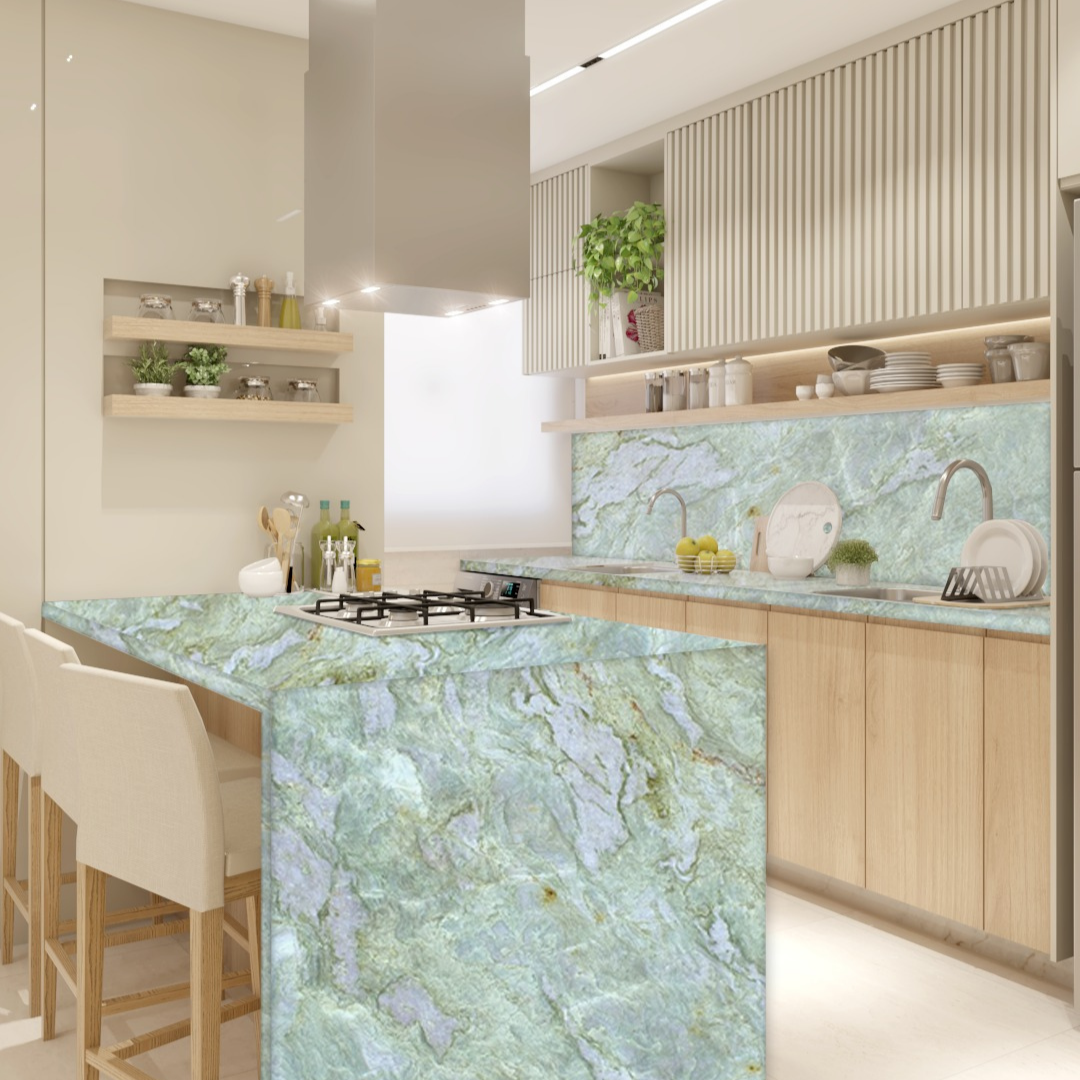
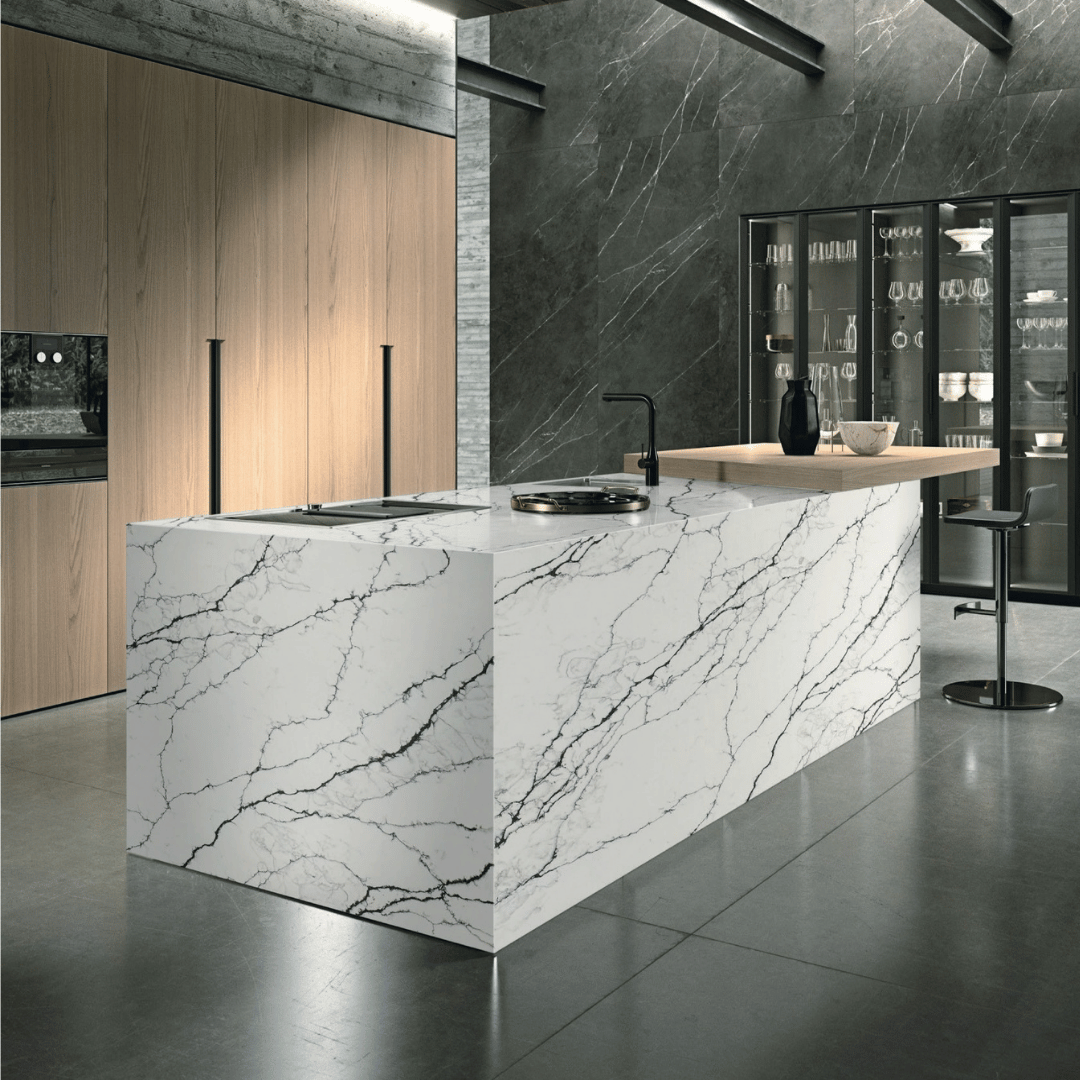
Why Warm Neutral Slab Colors Are Replacing Cool Grays in Kitchen Design Preferences
Why Warm Neutral Slab Colors Are Replacing Cool Grays in Kitchen Design Preferences
In recent years, the kitchen design landscape has undergone a significant transformation. One of the most notable trends is the shift from cool gray tones to warm neutral slab colors. As homeowners and designers alike seek to create inviting, cozy spaces, warm neutrals have emerged as the preferred choice for kitchen surfaces. In this article, we will explore the reasons behind this transition, the psychological impact of color in design, and how warm neutrals can elevate your kitchen’s aesthetic. We will also discuss practical considerations for selecting the right slabs for your project, ensuring you make informed choices that reflect your personal style and enhance your home’s value.
As a leading quartz slab distributor in Norcross, GA, Builder Stone Global is at the forefront of these design trends, offering a stunning selection of premium quartz, porcelain, and natural stone slabs. Our expertise in architectural surfaces allows us to guide you through the process of selecting the perfect materials for your kitchen. Let’s dive into the compelling reasons why warm neutral slab colors are taking center stage in kitchen design.
The Shift in Kitchen Design Preferences
For decades, cool grays dominated the kitchen design scene, favored for their modern appeal and versatility. However, as lifestyle preferences evolve, so too do color choices. The recent shift toward warm neutral slab colors reflects a collective desire for comfort and warmth in our homes. According to a survey conducted by the National Kitchen & Bath Association, 62% of designers reported that their clients are increasingly requesting warm tones in their kitchen designs.
This trend is not merely a fleeting fad; it represents a deeper cultural shift toward creating spaces that feel more like home. As people spend more time in their kitchens, whether cooking, entertaining, or simply gathering with family, the need for warmth and approachability in design has become paramount. Warm neutrals—such as taupes, beiges, and soft browns—create an inviting atmosphere that encourages connection and comfort.
The Psychology of Color in Home Design
The psychological effects of color are well-documented in design literature. Colors evoke emotions and can significantly influence our mood and perception of space. Warm colors, including reds, oranges, and yellows, are known to create feelings of warmth, comfort, and energy. In contrast, cool colors like blue and gray can elicit feelings of calmness and serenity but may also be perceived as sterile or unwelcoming.
As kitchens transition from mere cooking spaces to multifunctional areas that serve as the heart of the home, the choice of color becomes even more critical. Warm neutral tones provide a sense of balance and harmony, making them ideal for creating welcoming environments. They also pair beautifully with a variety of design styles, from traditional to contemporary, making them a versatile choice for homeowners.
Research from the Institute for Color Research indicates that people make a subconscious judgment about a person or environment within 90 seconds of initial viewing, and that 62% to 90% of that assessment is based on color alone. This underscores the importance of selecting the right colors for your kitchen surfaces, as they can profoundly impact how others perceive your space.
Benefits of Warm Neutral Slab Colors
Choosing warm neutral slab colors for your kitchen offers several advantages:
- Timeless Appeal: Warm neutrals have a classic quality that transcends trends, ensuring your kitchen remains stylish for years to come.
- Enhanced Versatility: Warm neutral tones complement a wide range of cabinet finishes, hardware, and decor styles, making them easy to incorporate into various design schemes.
- Improved Lighting: Warm colors can enhance the overall lighting in your kitchen, creating a more inviting atmosphere. They reflect light more effectively than darker shades, making spaces feel larger and brighter.
- Emotional Warmth: Warm neutrals evoke feelings of comfort and relaxation, making your kitchen a more inviting space for family and friends.
- Increased Home Value: As trends shift toward warm neutrals, incorporating these colors into your kitchen design can enhance your home’s appeal and potentially increase its market value.
How to Choose the Right Warm Neutral Slabs
Selecting the right warm neutral slabs for your kitchen involves careful consideration of several factors:
- Assess Your Space: Evaluate the size, layout, and natural light in your kitchen. Warm neutrals can create a cozy atmosphere in larger kitchens while making smaller spaces feel more inviting.
- Consider Your Color Palette: Warm neutrals come in various shades, from light beiges to deep taupes. Consider how these colors will coordinate with your cabinetry, flooring, and backsplash.
- Choose the Right Material: Different materials offer unique benefits. For instance, quartz slabs provide durability and low maintenance, while natural stone like granite offers unparalleled beauty and uniqueness.
- Test Samples: Before making a final decision, obtain samples of your chosen slabs and evaluate them in your kitchen’s lighting conditions. This will help you visualize how the colors will look in your space.
- Consult with Experts: Leverage the expertise of professionals, such as interior designers or fabricators, who can provide valuable insights and recommendations based on current trends and your specific needs.
Practical Applications of Warm Neutral Colors
Warm neutral colors can be utilized in various ways within your kitchen design:
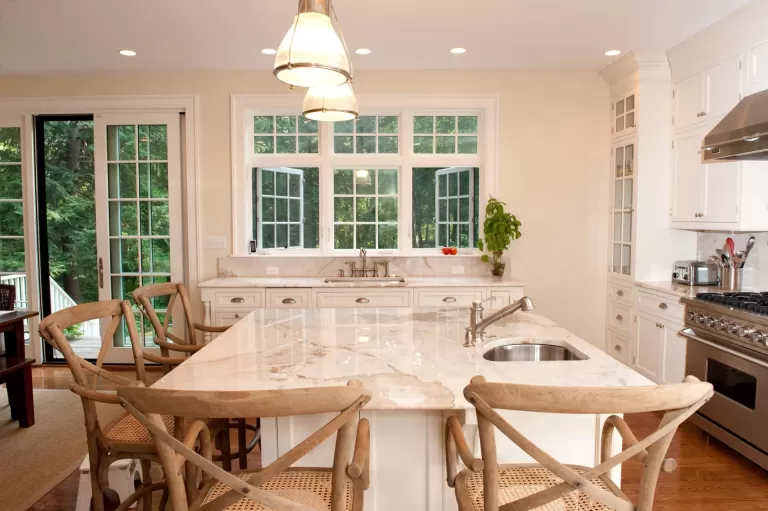
- Countertops: Warm neutral slabs make stunning countertops, providing a beautiful and functional surface for meal preparation and entertaining.
- Backsplashes: Incorporating warm neutrals into your backsplash design can create visual interest and tie together other elements in your kitchen.
- Island Features: A warm neutral island can serve as a focal point in your kitchen, providing additional workspace and a gathering place for family and friends.
- Cabinetry: Pair warm neutral slabs with complementary cabinetry to create a cohesive and harmonious design.
Comparison of Warm Neutrals vs. Cool Grays
| Feature | Warm Neutrals | Cool Grays |
|---|---|---|
| Emotional Impact | Creates warmth and comfort | Can feel cold and sterile |
| Versatility | Pairs well with various styles | Limited compatibility with warm tones |
| Market Trends | Increasingly popular | Declining preference |
| Lighting Enhancement | Reflects light effectively | Can absorb light, making spaces feel smaller |
| Timelessness | Classic and enduring | More trendy and risk of becoming outdated |
Conclusion
The shift from cool grays to warm neutral slab colors in kitchen design reflects a broader desire for comfort, warmth, and timeless appeal in our homes. As homeowners and designers embrace the emotional impact of color, warm neutrals offer a versatile and inviting solution for creating beautiful kitchen spaces. By considering factors such as your space, color palette, and material options, you can select the perfect warm neutral slabs that enhance your kitchen’s aesthetic and functionality.
At Builder Stone Global, we are committed to providing our clients with premium quality slabs that meet their design needs. Contact us today to speak with our surface specialists about how we can help you elevate your kitchen design with warm neutral slabs.
FAQs
1. What are warm neutral colors?
Warm neutral colors include shades like beige, taupe, and soft browns that create a cozy and inviting atmosphere.
2. Why are warm neutral colors trending in kitchen design?
Warm neutral colors are trending because they evoke feelings of comfort and warmth, making kitchens more inviting spaces.
3. How do I choose the right warm neutral slab for my kitchen?
Consider factors such as your space, color palette, and material options when selecting warm neutral slabs. Testing samples in your kitchen’s lighting is also crucial.
4. What materials are best for warm neutral slabs?
Quartz, granite, and porcelain are excellent options for warm neutral slabs, each offering unique benefits in terms of durability and aesthetics.
5. Can warm neutral colors work in small kitchens?
Yes, warm neutral colors can create a cozy atmosphere in small kitchens, making them feel more inviting and spacious.
6. Are warm neutral colors versatile?
Absolutely! Warm neutral colors pair well with a variety of cabinet finishes, hardware, and decor styles, offering great versatility in kitchen design.
7. How can I incorporate warm neutral colors into my kitchen?
You can use warm neutral colors for countertops, backsplashes, cabinetry, and islands to create a cohesive design.
8. What are the benefits of using quartz slabs in my kitchen?
Quartz slabs are durable, low-maintenance, and available in a wide range of colors, making them an excellent choice for kitchen surfaces.