The Ultimate Guide to Coordinating Slab Colors with Cabinetry, Flooring, and Hardware
The Ultimate Guide to Coordinating Slab Colors with Cabinetry, Flooring, and Hardware
Choosing the right slab colors for your architectural surfaces is more than just a matter of aesthetics; it’s about creating a cohesive design that harmonizes with cabinetry, flooring, and hardware. In this comprehensive guide, we will delve deep into the intricacies of color coordination, providing you with expert insights and actionable tips to elevate your home or project. As a premier quartz slab distributor in Norcross, GA, Builder Stone Global is uniquely positioned to help you navigate this essential aspect of interior design.
By the end of this guide, you will understand how to select slab colors that enhance your space, explore design trends, and learn how to make informed decisions that align with your overall vision. Whether you’re a homeowner, interior designer, or contractor, this article will serve as your go-to resource for coordinating slab colors seamlessly.
Understanding Color Theory
Color theory is the foundation of any successful design project. It involves understanding how colors interact with one another, and how they can evoke emotions and set the mood of a space. Here are the key principles:
- Color Wheel: The color wheel consists of primary, secondary, and tertiary colors. Understanding this wheel helps in selecting complementary colors.
- Warm and Cool Colors: Warm colors (reds, oranges, yellows) tend to energize a space, while cool colors (blues, greens, purples) create a calming effect.
- Monochromatic Schemes: This approach uses variations of a single hue, creating a subtle and elegant look.
- Complementary Colors: Colors opposite each other on the color wheel (like blue and orange) create a vibrant contrast.
- Analogous Colors: Colors next to each other on the wheel (like blue, blue-green, and green) provide harmony.
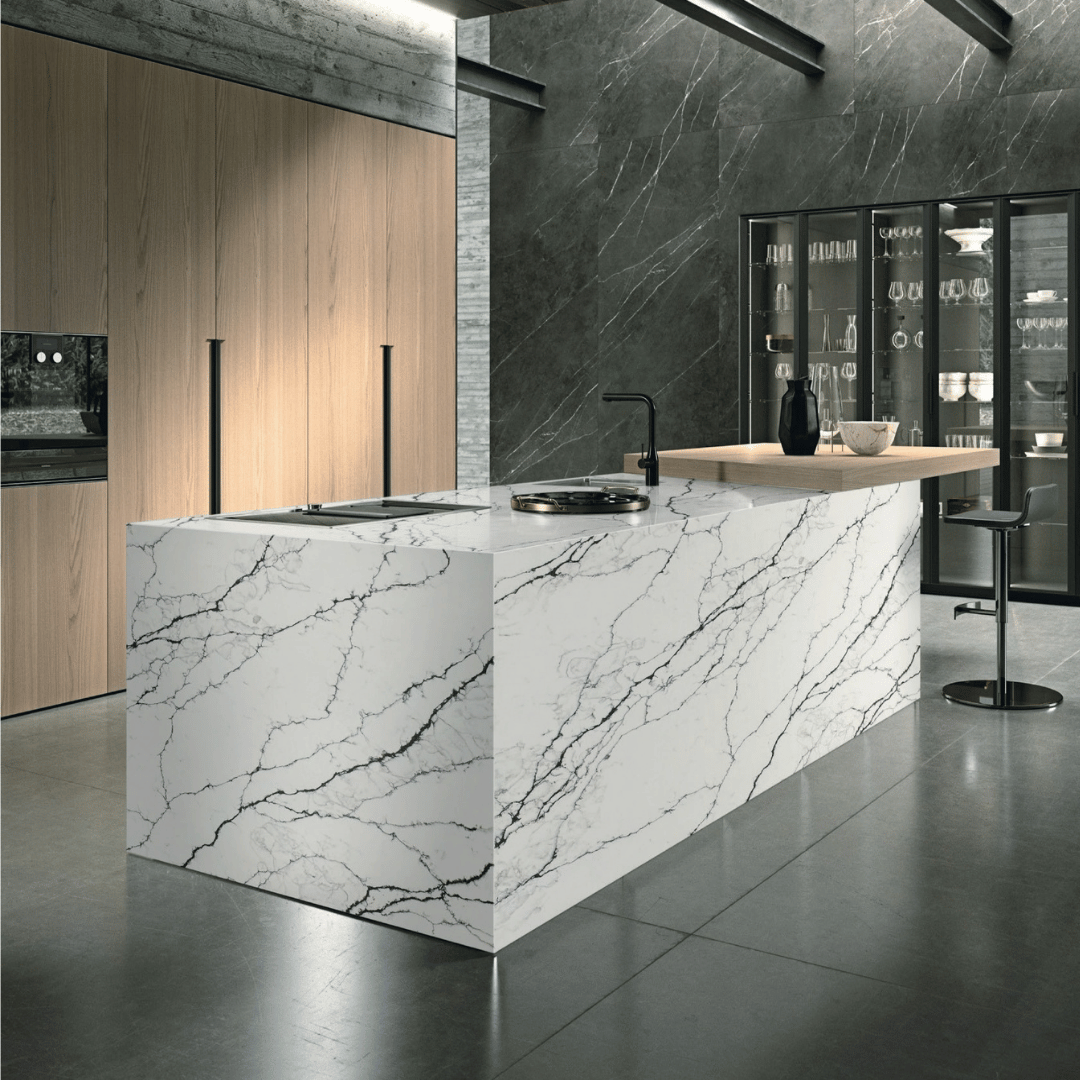
Utilizing these principles can significantly impact the overall aesthetic of your space. For example, a warm-toned quartz slab can create a cozy atmosphere when paired with wooden cabinetry, while a cool-toned slab can contribute to a more modern and sleek design.
Choosing the Right Slab Material
When selecting slab materials, consider the functionality and aesthetics of each type:
- Quartz Slabs: Known for their durability and low maintenance, quartz slabs come in a variety of colors and patterns. They are ideal for high-traffic areas like kitchens and bathrooms.
- Porcelain Slabs: These high-performance surfaces offer excellent heat and scratch resistance. They are perfect for modern designs and can mimic natural stones.
- Natural Stone Slabs: Options like granite and quartzite provide unique patterns and textures, adding a luxurious feel to any space.
For a more in-depth look at the differences between these materials, check out our article on Quartz vs. Porcelain Countertops.
Cabinetry Color Coordination
Cabinetry is often the focal point of kitchens and bathrooms, making it essential to coordinate slab colors effectively. Here are some strategies:
1. Neutral Cabinets
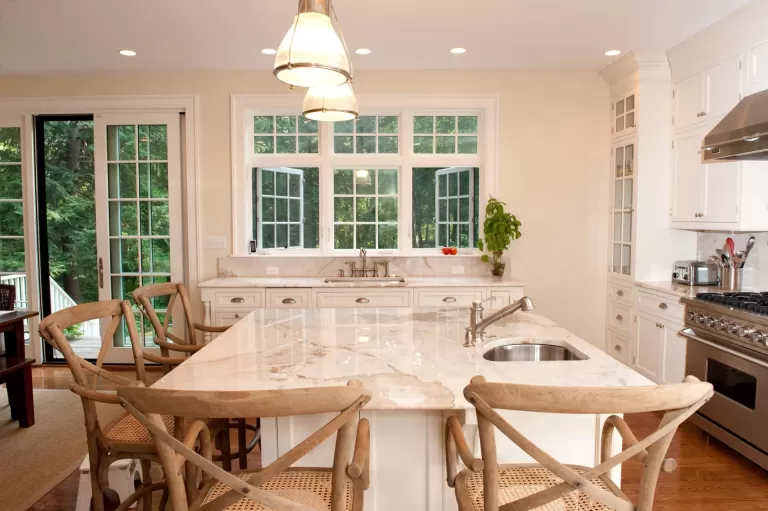
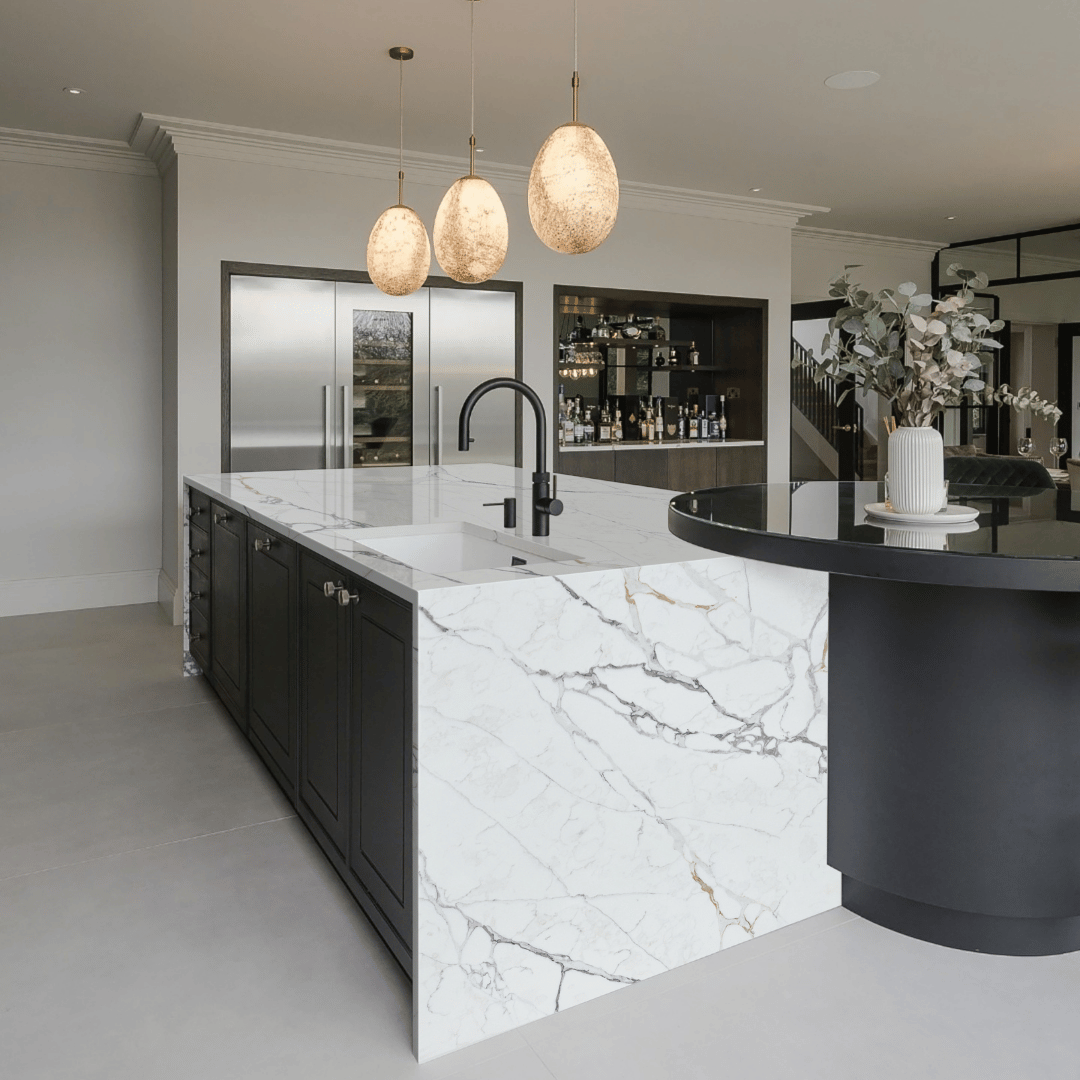
If your cabinetry is neutral (white, gray, or beige), you have the flexibility to choose bold slab colors. For instance, a deep navy quartz can create a striking contrast against white cabinets.
2. Dark Wood Cabinets
Dark wood cabinetry pairs well with lighter slabs to create a balanced look. Consider using a light-colored granite or a soft white quartz with subtle veining.
3. Painted Cabinets
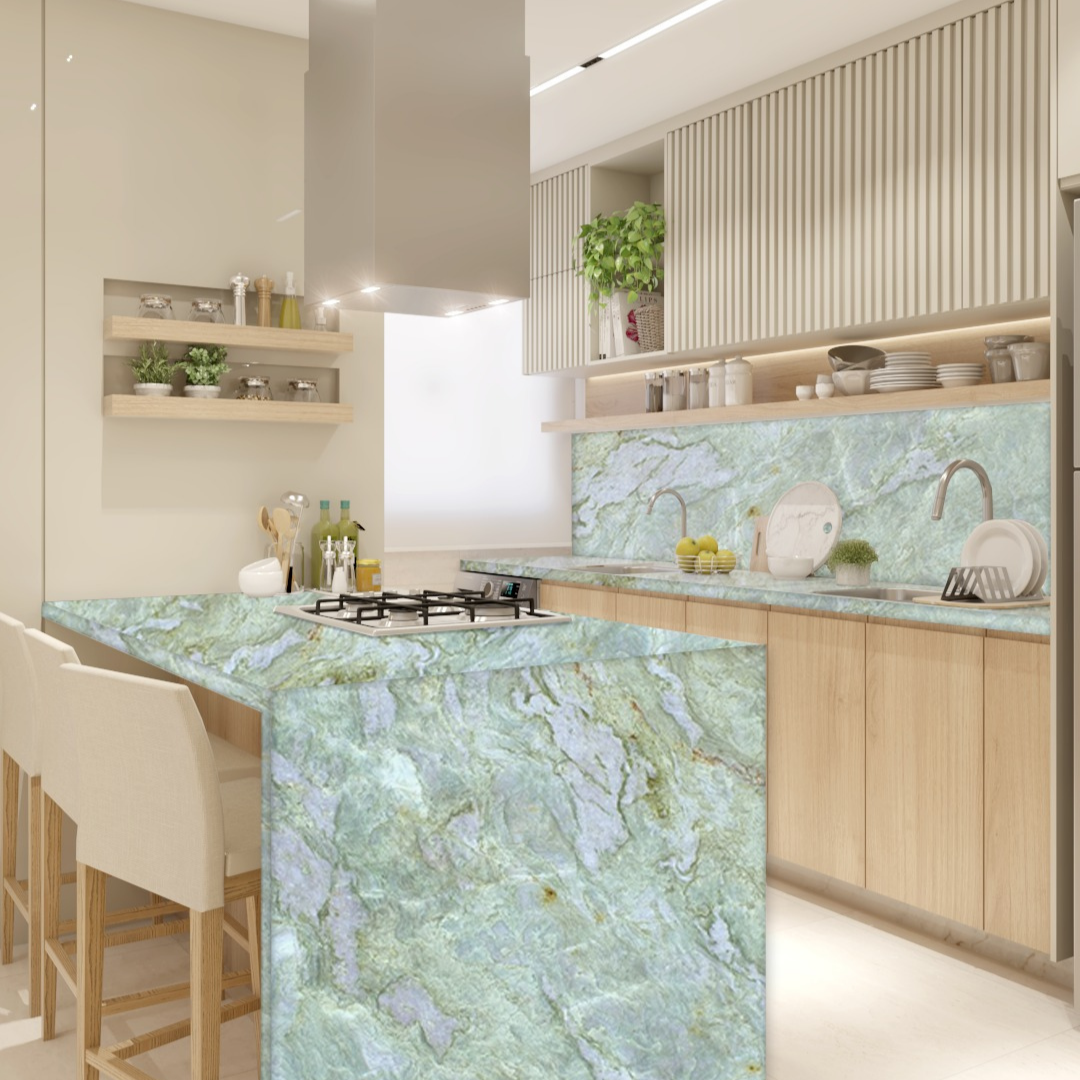
For painted cabinets, choose slabs that complement the cabinet color. For example, sage green cabinets look stunning with a creamy quartz slab that has green undertones.
4. Textured Finishes
Incorporating textured finishes in cabinetry (like shaker or beadboard styles) can influence your slab choice. Pairing textured cabinets with smooth slabs creates a pleasing contrast.
Flooring Color Coordination
Flooring plays a crucial role in the overall design and should be considered alongside cabinetry and slabs. Here’s how to coordinate flooring with your chosen slab colors:
1. Matching Undertones
Ensure that the undertones of your flooring match those of your slabs. For instance, if your quartz slab has warm undertones, select wooden flooring with a similar hue.
2. Creating Contrast
Using contrasting colors can add visual interest. A light-colored slab with dark hardwood flooring can create a sophisticated look.
3. Patterns and Textures
Consider the patterns and textures in your flooring. A patterned tile can add depth when paired with a solid slab color, while a textured floor can complement a sleek slab.
Selecting Hardware Finishes
Hardware finishes are the finishing touch that can tie your design together. Here are some tips for choosing hardware to complement your slabs:
1. Metallic Finishes
Brass and gold finishes add warmth and can complement warmer-toned slabs, while chrome and nickel finishes are better suited for cooler tones.
2. Matte vs. Glossy
Matte finishes can create a modern, understated look, while glossy finishes can add a touch of glamour. Choose based on the overall aesthetic you want to achieve.
3. Style Consistency
Ensure your hardware style (modern, traditional, industrial) aligns with the design language of your cabinetry and flooring.
Creating a Cohesive Design
To achieve a harmonious look, consider these steps:
- Choose a Color Palette: Start with a color palette that includes your slab color, cabinetry, flooring, and hardware finishes.
- Use Samples: Obtain samples of your chosen slabs, cabinetry, and flooring to see how they interact in your space.
- Visualize with Mood Boards: Create mood boards to visualize how your elements will work together. This can help in making final decisions.
- Consult with Experts: Don’t hesitate to seek advice from interior designers or surface specialists, like those at Builder Stone Global.
Expert Tips for Color Coordination
Here are some actionable tips from our team of experts:
FAQ
1. How do I choose the right slab color for my kitchen?
Consider your cabinetry and flooring colors, as well as the overall style of your kitchen. Use color theory to guide your decisions.
2. What is the best way to coordinate slab colors with flooring?
Match undertones and consider contrasting colors for visual interest. Ensure that the textures complement each other.
3. Can I mix different slab materials?
Yes, mixing materials can create a unique look, but ensure they coordinate in color and style.
4. What are the current trends in slab colors for 2026?
Trends include earthy tones, bold jewel colors, and soft pastels. Experimenting with textures is also gaining popularity.
5. How important is lighting in color selection?
Lighting can significantly affect how colors appear. Always view slabs in the light they will be used in.
6. Should I consider resale value when choosing slab colors?
Yes, neutral colors tend to appeal to a broader audience, while bold colors may cater to specific tastes.
7. How can I ensure my design is cohesive?
Use a consistent color palette, obtain samples, and consult with design professionals to achieve a harmonious look.
8. Where can I find high-quality slabs in Norcross, GA?
Builder Stone Global offers a wide selection of premium quartz, porcelain, and natural stone slabs. Contact us for more information.
Conclusion
Coordinating slab colors with cabinetry, flooring, and hardware is essential for creating a cohesive and visually appealing space. By understanding color theory, selecting the right materials, and following expert tips, you can achieve a harmonious design that reflects your style. As a trusted quartz slab distributor in Norcross, GA, Builder Stone Global is here to assist you in every step of your design journey. Call +1 470-551-2092 to speak with our surface specialists and explore our extensive inventory today.