How Slab Color Forecasting Helps Designers Stay Ahead of Market Trends
How Slab Color Forecasting Helps Designers Stay Ahead of Market Trends
As the architectural landscape continually evolves, designers face the challenge of staying ahead of emerging market preferences. One powerful tool at their disposal is slab color forecasting. This practice not only informs design choices but also enhances the overall aesthetic appeal and functionality of spaces. In this article, we will explore how slab color forecasting impacts design decisions, the methodologies behind it, and the benefits it brings to designers and their clients. Additionally, we will delve into the significance of premium materials like quartz, porcelain, and natural stone slabs, which are pivotal in creating stunning architectural surfaces.
What is Slab Color Forecasting?
Slab color forecasting is the predictive analysis of color trends in architectural surfaces, particularly focusing on materials such as quartz, porcelain, and natural stone. This process involves studying various factors including consumer behavior, cultural influences, and advancements in material technology. By analyzing these elements, designers can anticipate which colors will dominate the market in the coming years, allowing them to make informed decisions when selecting materials for their projects.
The Importance of Slab Color Forecasting
Understanding slab color forecasting is essential for several reasons:
- Market Relevance: Designers who leverage color forecasting can create spaces that resonate with current market preferences, enhancing the appeal of their designs.
- Client Satisfaction: By staying ahead of trends, designers can better meet their clients’ expectations, leading to higher satisfaction rates.
- Competitive Advantage: Knowledge of emerging colors and materials gives designers a competitive edge in the marketplace.
- Informed Material Selection: Designers can select slabs that not only fit their aesthetic vision but also align with predicted trends, ensuring longevity and relevance.
Methodologies for Slab Color Forecasting
Several methodologies can be employed in slab color forecasting:
1. Trend Analysis
Analyzing past color trends can provide insights into future preferences. Historical data on color usage in design can reveal patterns that may repeat or evolve.
2. Consumer Surveys
Gathering data directly from consumers through surveys can help identify preferences and emerging interests in color palettes. This qualitative data is invaluable for making informed predictions.
3. Collaboration with Material Experts
Working closely with suppliers and manufacturers, such as Builder Stone Global, allows designers to understand the capabilities of various materials and the colors that will be available in the future.
4. Cultural and Societal Analysis
Colors often reflect cultural and societal shifts. By studying current events, popular culture, and societal changes, designers can predict which colors will resonate with audiences.
5. Color Psychology
Understanding the psychological impact of colors can guide designers in selecting hues that evoke the desired emotions and responses from occupants.
The Role of Materials in Color Forecasting
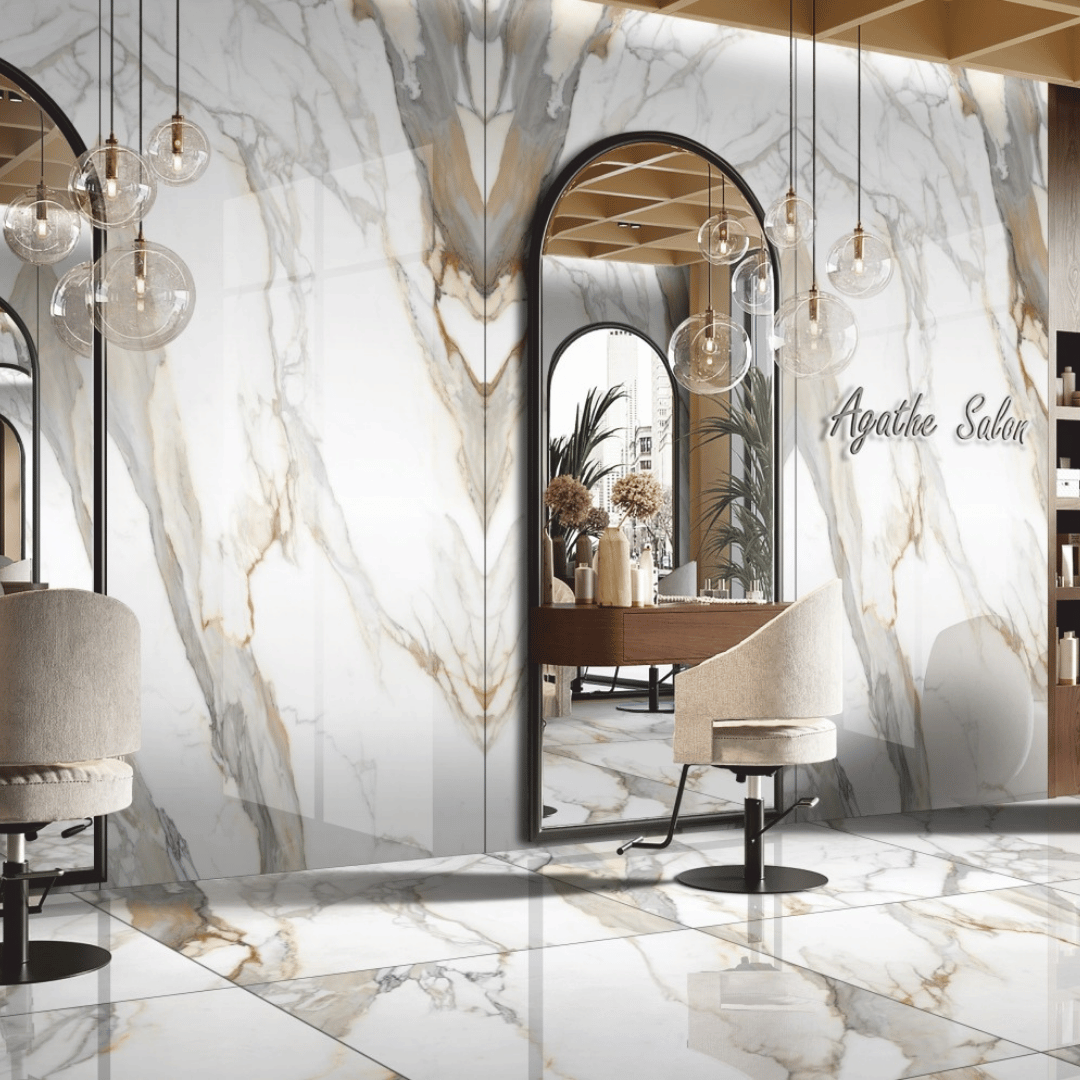
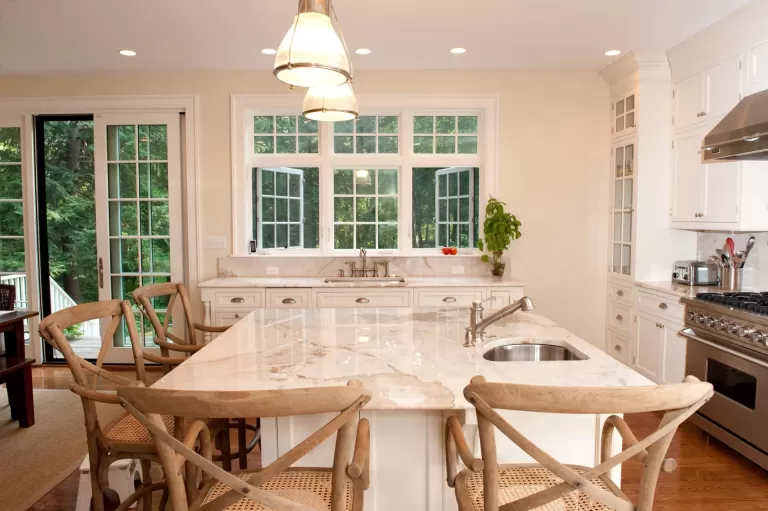
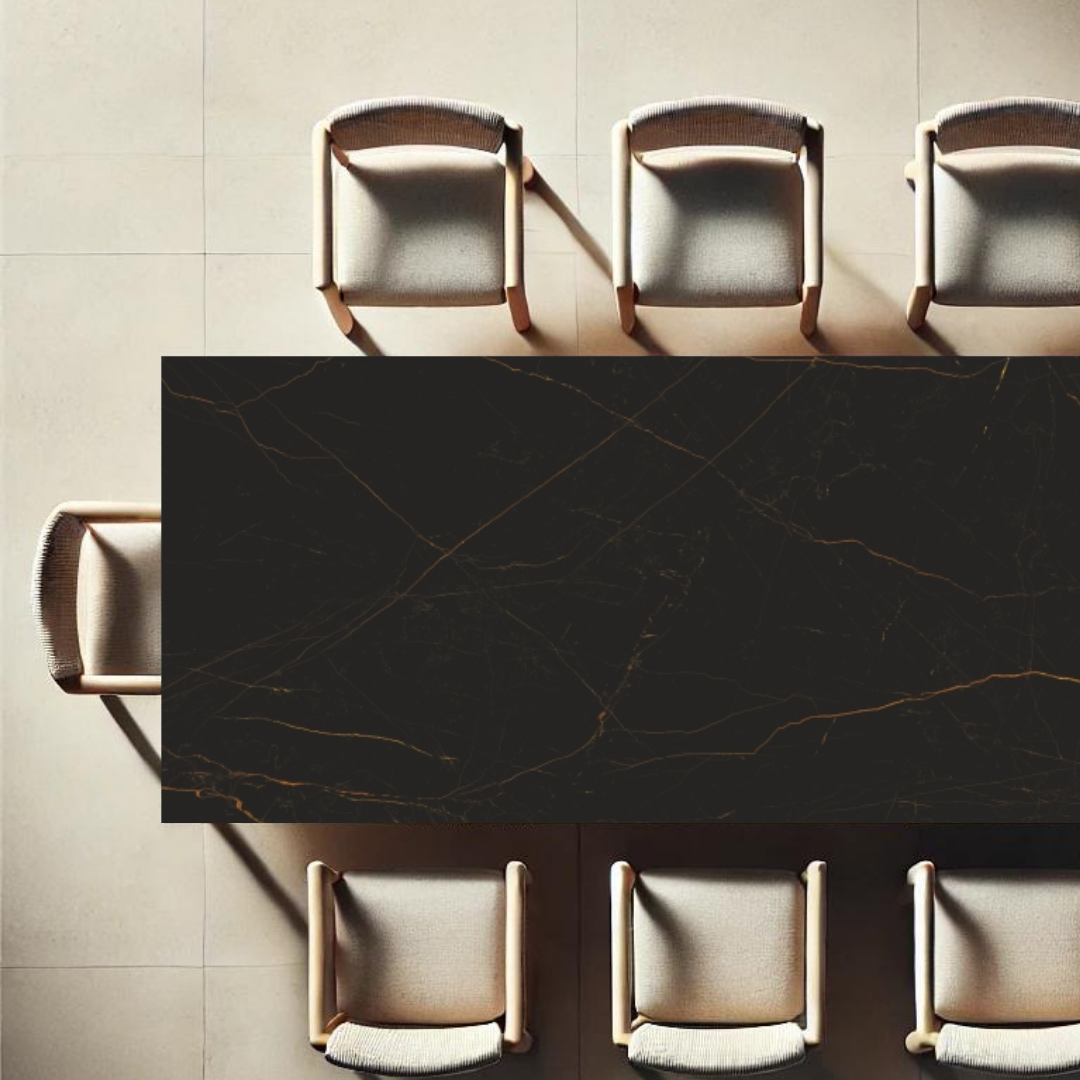
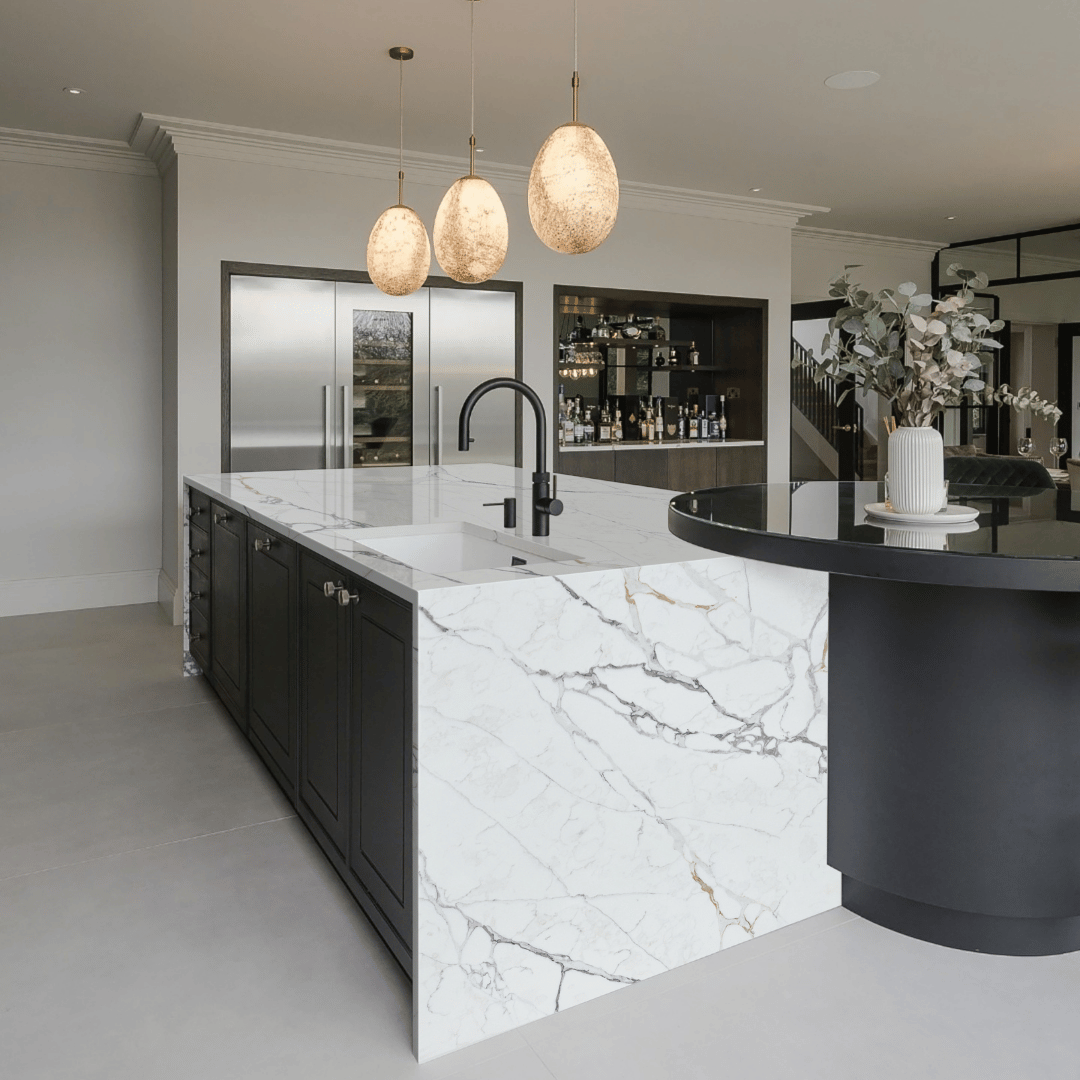
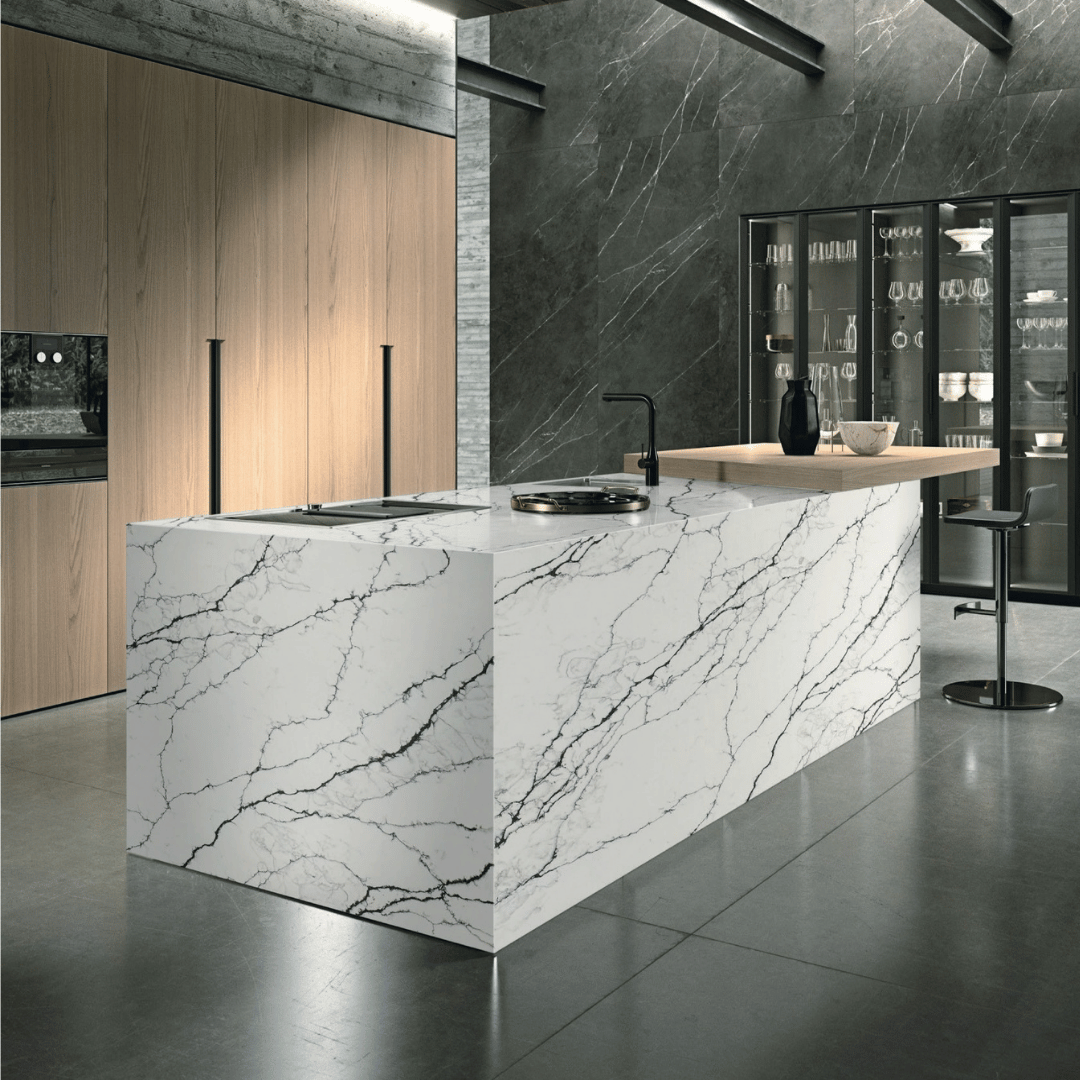
Materials play a crucial role in slab color forecasting. The texture, finish, and composition of materials such as quartz, porcelain, and natural stone can significantly influence color perception. For example:
| Material | Color Options | Impact on Design |
|---|---|---|
| Quartz | Wide range of colors and patterns | Versatile for various design styles |
| Porcelain | Can mimic natural stone and wood | Ideal for contemporary designs |
| Natural Stone | Unique color variations | Adds character and luxury |
Each material’s unique properties affect how colors are perceived in different lighting conditions, making it essential for designers to consider the material’s characteristics alongside color choices.
Implementing Color Forecasting in Design Projects
To effectively implement slab color forecasting in design projects, consider the following steps:
- Research Current Trends: Stay updated with industry reports, color forecasting publications, and design blogs.
- Engage with Clients: Discuss color preferences and emerging trends with clients to align expectations.
- Utilize Technology: Leverage design software that allows for color visualization and material selection.
- Prototype Testing: Create prototypes or samples for clients to evaluate how colors and materials work together in their space.
- Feedback Loop: After project completion, gather feedback to refine future color forecasting efforts.
Benefits of Slab Color Forecasting
The advantages of slab color forecasting extend beyond just aesthetics:
- Cost Efficiency: By selecting materials that are trending, designers can avoid overstocked or outdated colors that may lead to reduced demand.
- Enhanced Creativity: Anticipating trends allows designers to explore innovative color combinations and creative applications.
- Client Retention: Satisfied clients are likely to return for future projects, bolstered by successful outcomes driven by informed design choices.
- Long-Term Value: Projects that incorporate trending colors and materials tend to retain their value over time, making them more appealing to future buyers.
Future Trends in Slab Color Forecasting
As the design industry evolves, several trends are emerging in slab color forecasting:
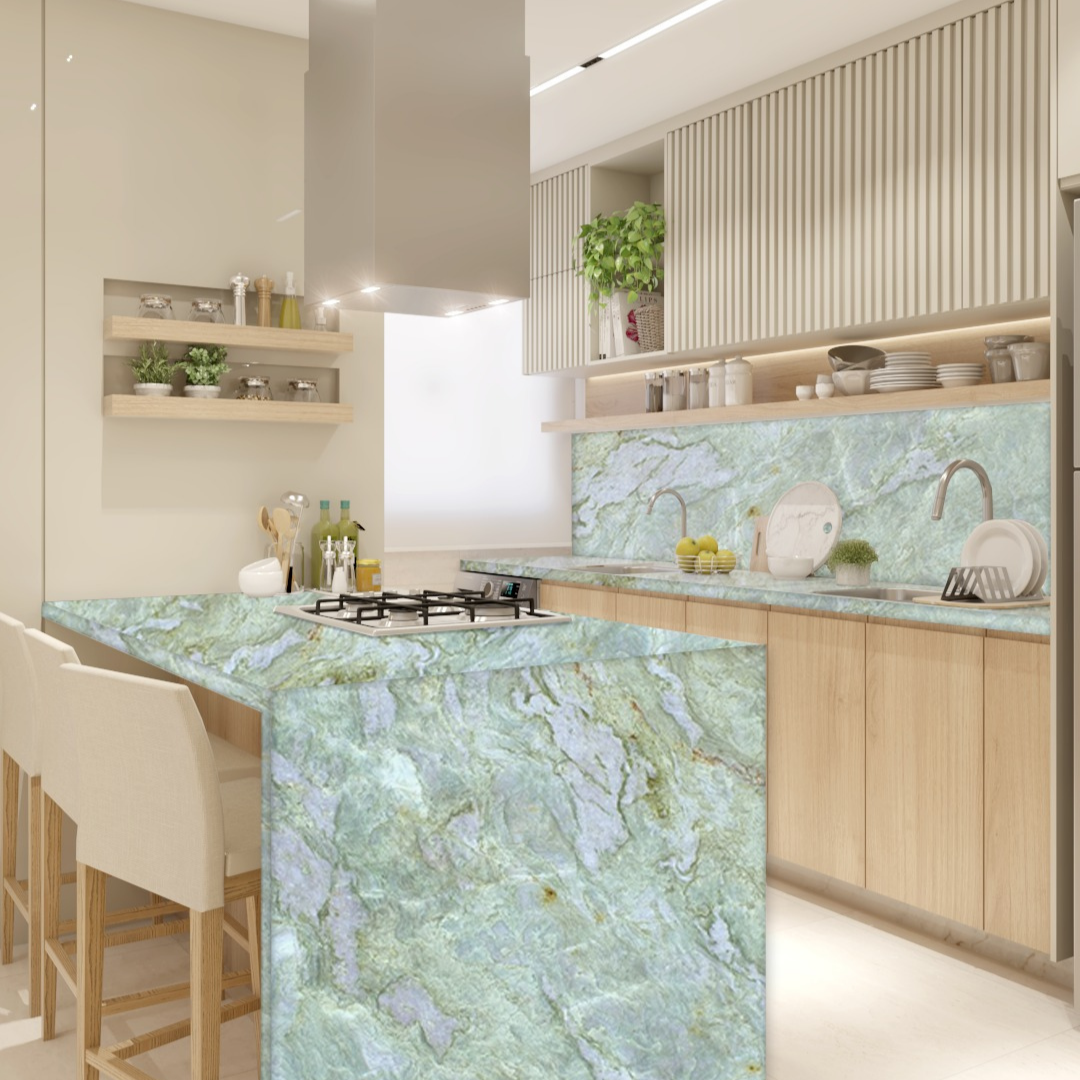
- Sustainability: Eco-friendly materials and colors that reflect natural elements are gaining popularity.
- Bold Colors: Designers are increasingly embracing bold and vibrant hues as a counter to minimalist trends.
- Technological Integration: Advancements in technology will enable more accurate color forecasting through data analytics and machine learning.
- Personalization: Custom color options tailored to individual preferences will become more prevalent.
Frequently Asked Questions
1. What is slab color forecasting?
Slab color forecasting is the predictive analysis of color trends in architectural surfaces, helping designers anticipate which colors will be popular in the future.
2. Why is slab color forecasting important for designers?
It helps designers create relevant and appealing designs that align with market preferences, enhancing client satisfaction and competitive advantage.
3. What methodologies are used in slab color forecasting?
Common methodologies include trend analysis, consumer surveys, collaboration with material experts, cultural analysis, and understanding color psychology.
4. How do materials affect color forecasting?
Materials like quartz, porcelain, and natural stone influence how colors are perceived and can impact design choices significantly.
5. How can designers implement color forecasting in their projects?
Designers can research trends, engage with clients, utilize technology, create prototypes, and maintain a feedback loop.
6. What are the benefits of slab color forecasting?
Benefits include cost efficiency, enhanced creativity, client retention, and long-term value of projects.
7. What future trends are emerging in slab color forecasting?
Trends include sustainability, bold colors, technological integration, and increased personalization.
8. Where can I find reliable information on color forecasting?
Resources include industry reports, design blogs, and publications from recognized authorities such as The Color Association of the United States and Pantone’s Color Intelligence.
Conclusion
In conclusion, slab color forecasting is a vital tool for designers seeking to stay ahead of emerging market preferences. By understanding the methodologies behind color forecasting and the role of materials, designers can create aesthetically pleasing and relevant designs that resonate with their clients. As market trends continue to evolve, embracing slab color forecasting will empower designers to make informed choices that enhance their creative vision and ensure client satisfaction. For more insights and premium materials, contact our surface specialists at Builder Stone Global today!