The Complete Guide to Slab Applications for Hospitality Suite Bathrooms and Kitchenettes
The Complete Guide to Slab Applications for Hospitality Suite Bathrooms and Kitchenettes
In the competitive landscape of hospitality, creating luxurious and functional spaces is paramount. One of the most impactful design choices is the selection of high-performance slab materials for bathrooms and kitchenettes. This comprehensive guide will explore the various applications of quartz, porcelain, and natural stone slabs in hospitality suite bathrooms and kitchenettes, helping architects, interior designers, and hospitality managers make informed decisions that enhance both aesthetics and functionality. By the end of this article, you will understand the benefits, design possibilities, maintenance requirements, and best practices for utilizing slab materials in these essential spaces.
1. Understanding Slab Materials: An Overview
Slab materials are large-format surfaces made from various materials, including quartz, porcelain, granite, and quartzite. These materials are favored in the hospitality industry for their durability, aesthetic appeal, and versatility. Each material offers unique properties that can enhance the design and functionality of bathrooms and kitchenettes.
1.1 Quartz Slabs
Quartz slabs are engineered surfaces made from natural quartz crystals, resins, and pigments. They are non-porous, making them resistant to stains and bacteria, which is crucial for hygiene in hospitality settings. The wide range of colors and patterns available allows for creative design possibilities.
1.2 Porcelain Slabs
Porcelain slabs are made from finely-ground clay and other natural materials, fired at high temperatures. They are known for their exceptional durability and resistance to moisture, making them ideal for bathrooms and kitchenettes. Additionally, porcelain can mimic the appearance of natural stone, providing design flexibility.
1.3 Natural Stone Slabs
Natural stone slabs, such as granite and quartzite, offer timeless beauty and uniqueness. Each slab has distinct veining and color variations, adding character to any space. However, they require more maintenance compared to engineered options, as they are porous and may need sealing.
2. Benefits of Using Slabs in Hospitality Suites
Slabs provide numerous advantages in hospitality suites, enhancing both functionality and aesthetic appeal:
- Durability: Slabs are highly durable and can withstand heavy use, making them perfect for high-traffic areas.
- Low Maintenance: Many slab materials, especially quartz and porcelain, require minimal maintenance, saving time and costs for hotel operators.
- Aesthetic Versatility: Slabs are available in a wide range of colors, patterns, and finishes, allowing for customized designs that align with the hotel’s branding.
- Hygienic Properties: Non-porous surfaces help prevent the growth of bacteria and mold, promoting a healthier environment for guests.
- Long-Lasting Investment: High-quality slabs are a long-term investment that can enhance property value and appeal.
3. Popular Slab Applications for Bathrooms
Bathrooms in hospitality suites must be both functional and luxurious. Here are some popular slab applications:
3.1 Vanity Tops
Slab materials are an excellent choice for vanity tops due to their durability and aesthetic appeal. Quartz and porcelain slabs can be customized to fit various sizes and styles, providing ample surface area for guests.
3.2 Shower Walls
Using slabs for shower walls creates a seamless and modern look. Porcelain slabs, in particular, are ideal for this application due to their water resistance and ease of cleaning.
3.3 Flooring
Slab flooring options provide a luxurious feel while ensuring durability. Natural stone, such as granite, is often used for high-end bathrooms, while porcelain offers a cost-effective alternative.
3.4 Backsplashes
Slab backsplashes can tie together the overall design of the bathroom while providing protection against water damage. They can be made from the same material as the vanity top or a complementary one for added visual interest.
4. Slab Applications for Kitchenettes
Kitchenettes in hospitality suites require materials that can handle cooking and food preparation. Here are some slab applications:
4.1 Countertops
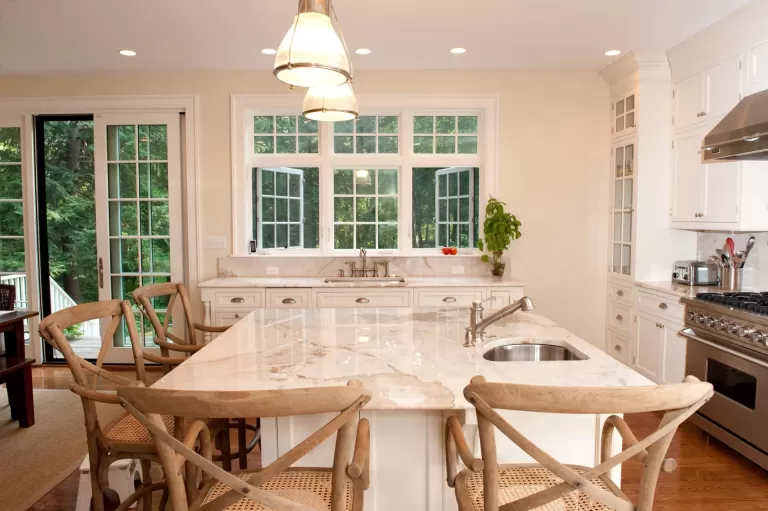
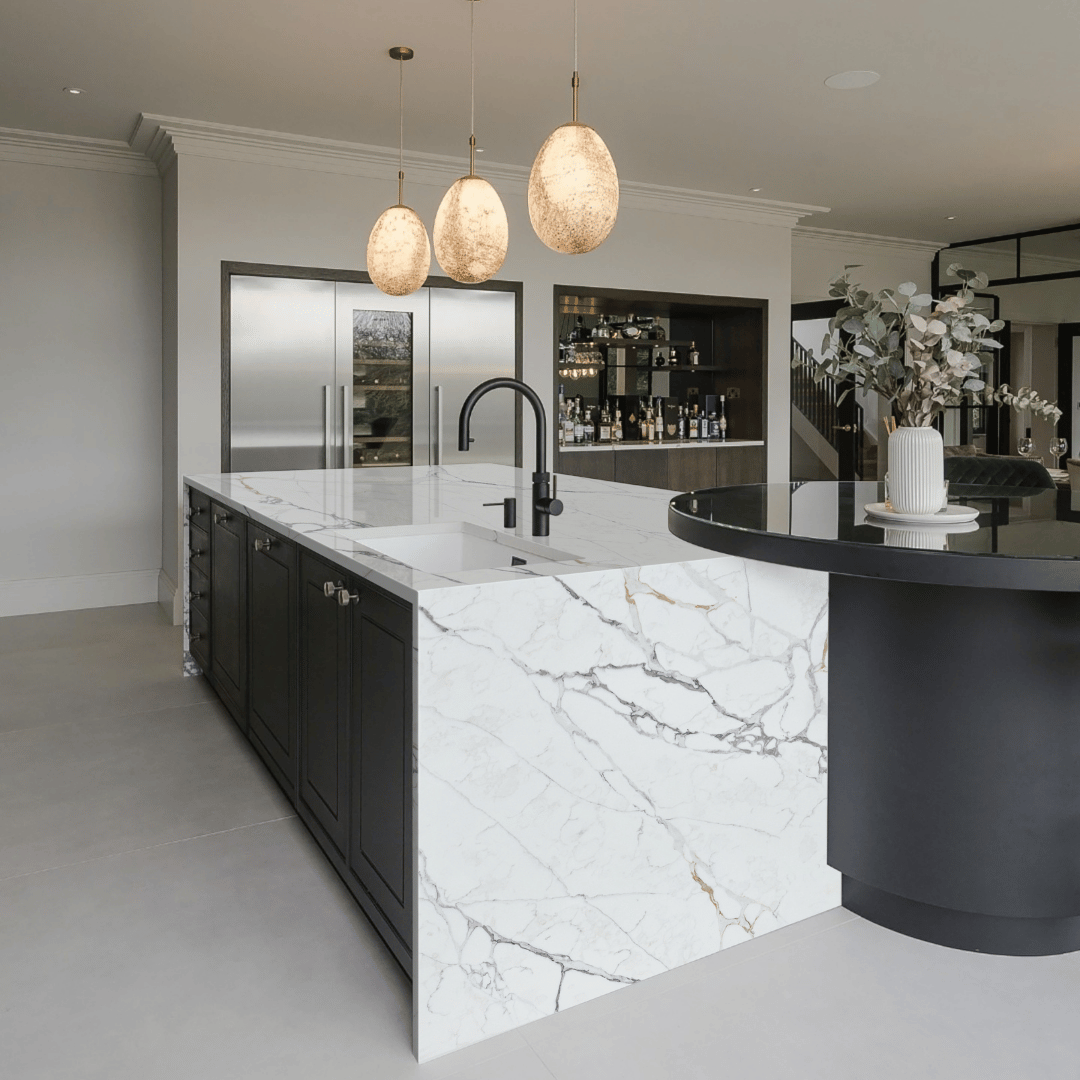
Countertops are the centerpiece of any kitchenette. Quartz slabs are a popular choice due to their non-porous nature, making them resistant to stains and easy to clean. They are also available in various colors and patterns to match the hotel’s decor.
4.2 Backsplashes
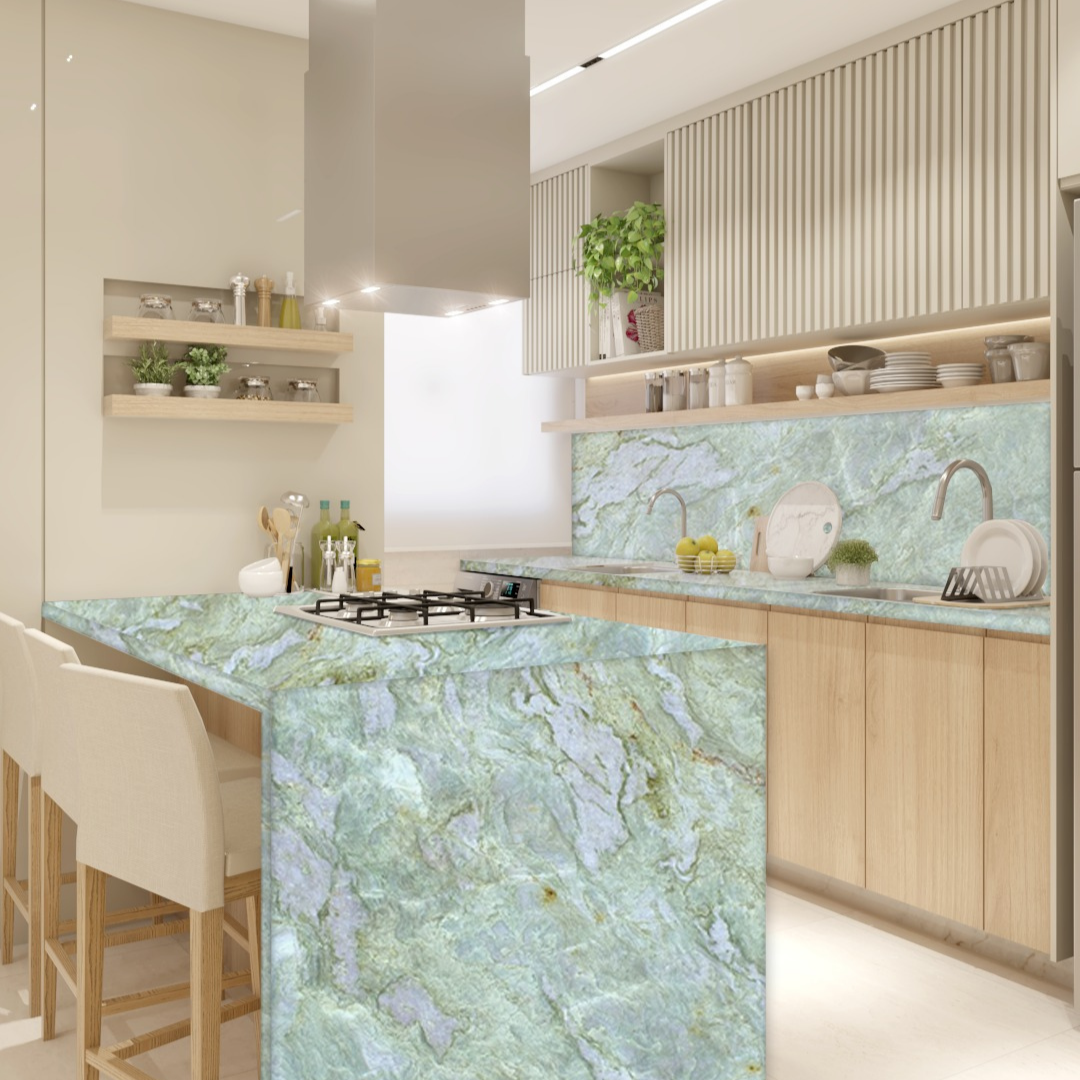
Using slabs as backsplashes in kitchenettes not only protects the walls but also adds a stylish element. Porcelain and quartz slabs can create a cohesive look with the countertops.
4.3 Flooring
Durable slab flooring can withstand spills and heavy foot traffic in kitchenettes. Natural stone or porcelain tiles provide a sophisticated look while being functional.
4.4 Accent Walls
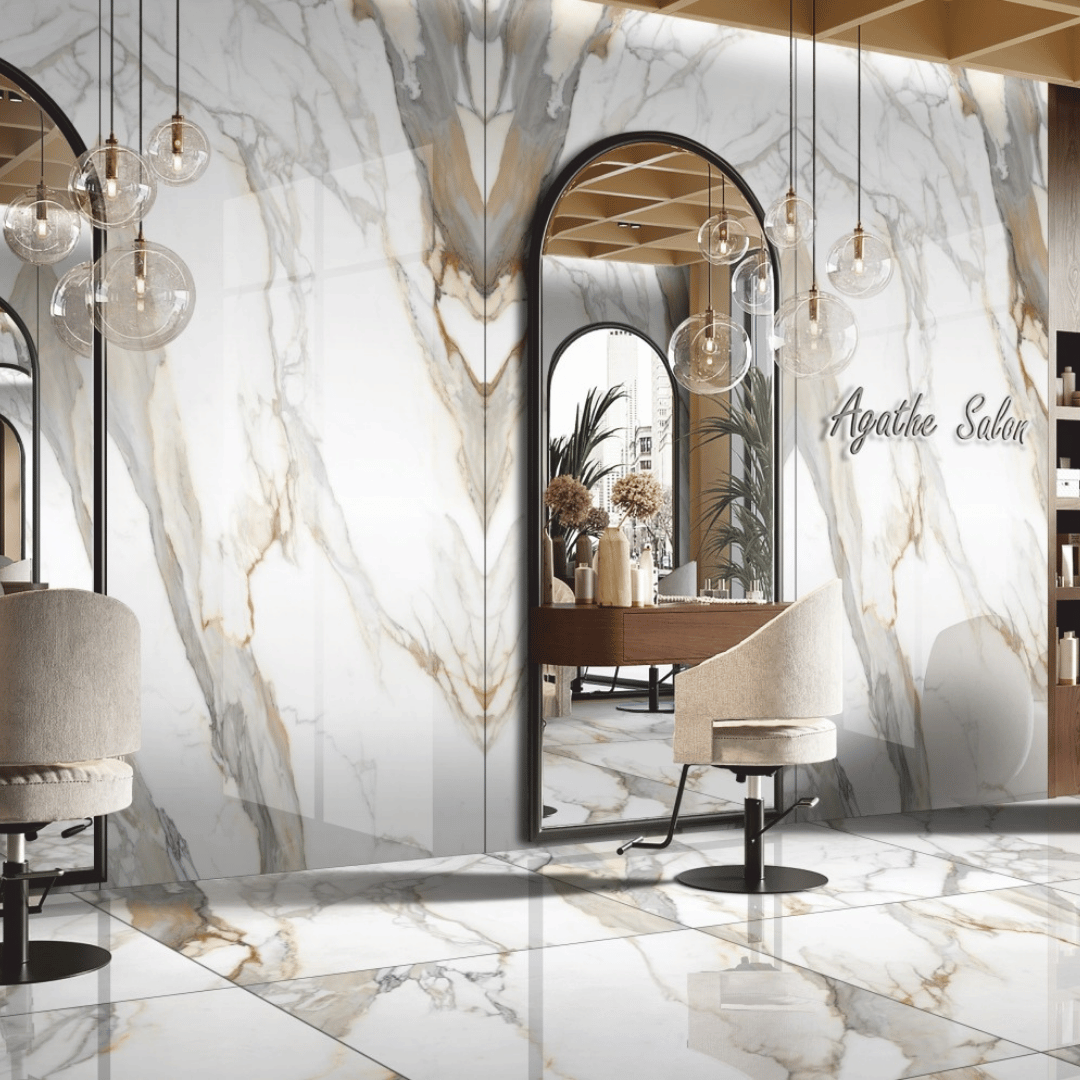
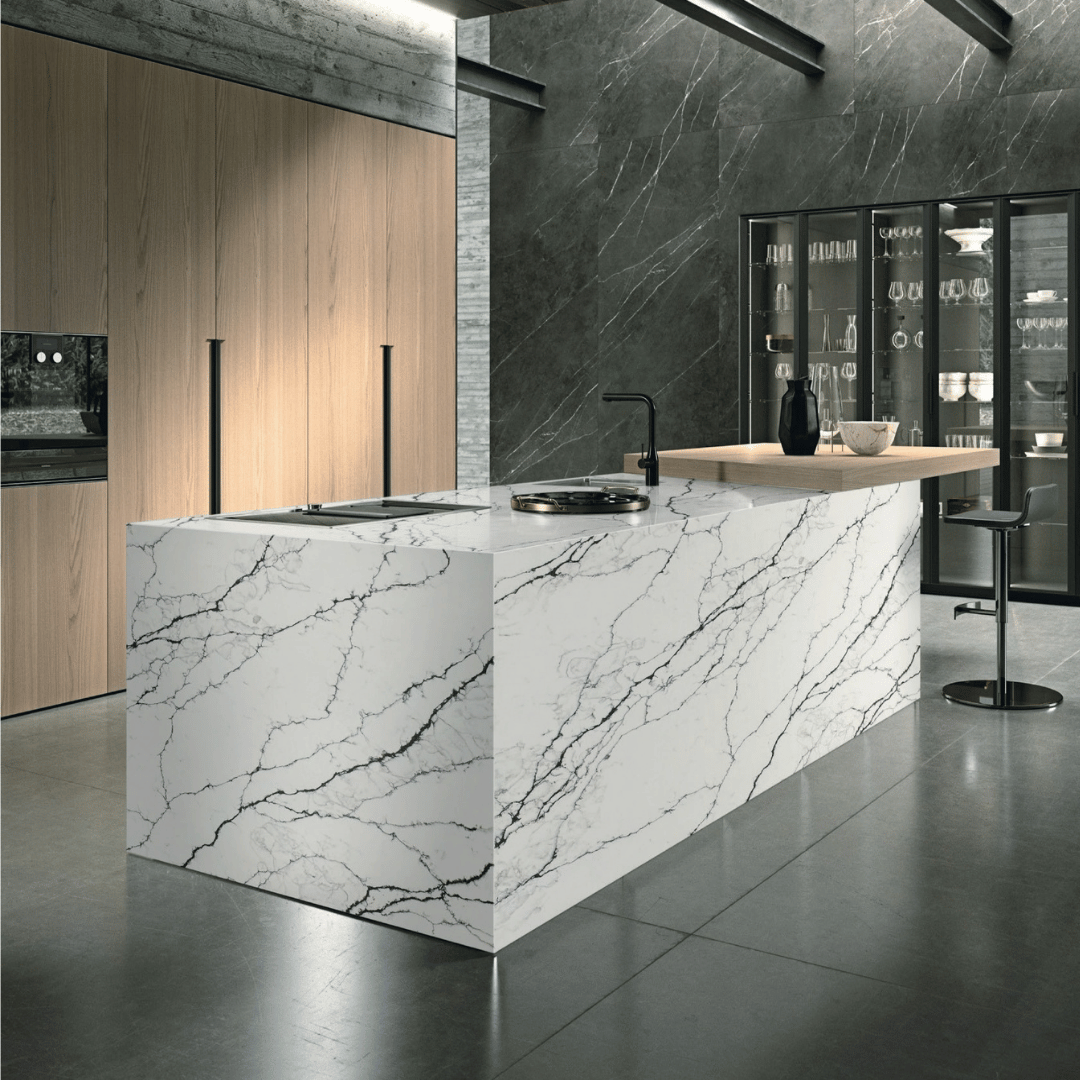
Incorporating slab materials into accent walls can elevate the design of kitchenette spaces. A bold slab design can serve as a focal point, enhancing the overall aesthetic.
5. Choosing the Right Slab Material
Selecting the right slab material is crucial for achieving the desired look and functionality. Here are some factors to consider:
5.1 Durability
Consider the level of use the surfaces will experience. For high-traffic areas, opt for materials like quartz or porcelain that are known for their durability.
5.2 Aesthetic Preferences
Choose colors and patterns that complement the overall design theme of the hospitality suite. Natural stone offers unique veining, while quartz and porcelain provide more uniform designs.
5.3 Maintenance Requirements
Evaluate the maintenance needs of each material. Quartz and porcelain typically require less upkeep compared to natural stone, which may need sealing.
5.4 Budget
Determine your budget for slab materials. While natural stone may have a higher upfront cost, its longevity can make it a worthwhile investment.
6. Maintenance and Care for Slab Surfaces
Proper maintenance ensures that slab surfaces remain in excellent condition. Here are some maintenance tips:
6.1 Daily Cleaning
Use a mild soap and water solution to clean surfaces daily. Avoid harsh chemicals that can damage the finish.
6.2 Sealing Natural Stone
If using natural stone, apply a sealant every 6 to 12 months to protect against stains and moisture.
6.3 Avoiding Scratches
Use cutting boards and coasters to prevent scratches on countertops and surfaces.
6.4 Addressing Stains
For stubborn stains, use a soft scrub brush and a diluted vinegar solution, but avoid using vinegar on natural stone.
7. Expert Tips for Successful Slab Installation
To ensure a successful installation of slab materials, consider the following expert tips:
7.1 Work with Professionals
Engage experienced fabricators and installers familiar with slab materials to ensure precise measurements and cuts.
7.2 Plan for Seams
Strategically plan seam placements to minimize visibility and enhance the design.
7.3 Use Proper Adhesives
Utilize high-quality adhesives designed for the specific slab material to ensure durability and longevity.
7.4 Consider Lighting
Incorporate adequate lighting to highlight the beauty of the slab surfaces, enhancing the overall ambiance.
8. Conclusion
Utilizing premium slab materials in hospitality suite bathrooms and kitchenettes can significantly enhance the guest experience. With their durability, aesthetic versatility, and low maintenance requirements, slabs are an ideal choice for creating luxurious and functional spaces. By understanding the various applications, benefits, and maintenance tips, architects and designers can make informed decisions that elevate their projects. For high-quality quartz, porcelain, and natural stone slabs, Builder Stone Global offers an extensive inventory and expert guidance to assist in your design journey.
9. FAQ
What are the best slab materials for hospitality suite bathrooms?
The best slab materials include quartz for its durability and low maintenance, porcelain for its water resistance, and natural stone for its unique beauty.
How do I maintain quartz countertops in a hotel?
Clean quartz countertops with a mild soap and water solution, and avoid harsh chemicals. Regularly wipe down surfaces to prevent buildup.
Can porcelain slabs be used for shower walls?
Yes, porcelain slabs are an excellent choice for shower walls due to their moisture resistance and ease of cleaning.
What is the average lifespan of slab materials?
With proper maintenance, quartz and porcelain slabs can last for decades, while natural stone may require more upkeep but also offers longevity.
Are there design trends for hospitality suite bathrooms in 2026?
Some trends include the use of bold colors, natural textures, and sustainable materials, creating a more personalized guest experience.
What factors should I consider when choosing slab materials?
Consider durability, aesthetic preferences, maintenance requirements, and budget when selecting slab materials for your project.
How can I enhance the aesthetic appeal of slab surfaces?
Incorporate proper lighting, choose complementary colors, and use slabs as accent walls or backsplashes to enhance visual appeal.
Where can I find premium slab materials for hospitality projects?
For premium quality slabs, visit Builder Stone Global’s live inventory or contact their surface specialists for assistance.