
The Complete Guide to Fabricator Showroom Design for Premium Slab Materials
The Complete Guide to Fabricator Showroom Design for Premium Slab Materials
Designing a fabricator showroom that effectively showcases premium slab materials is essential for attracting clients and driving sales. As a leading quartz slab distributor in Norcross, GA, Builder Stone Global understands the nuances of creating a showroom that not only highlights the beauty of architectural surfaces but also communicates the value and quality of the materials offered. This comprehensive guide will explore various aspects of showroom design, including layout, lighting, and customer experience, ensuring your space reflects the premium quality of your products.
Understanding Your Target Audience
The first step in designing an effective showroom is understanding your target audience. For countertop fabricators, interior designers, architects, and homeowners seeking premium quartz, porcelain, and natural stone slabs, it’s crucial to create a space that addresses their specific needs. Consider the following:
- Demographics: Identify the age, gender, and profession of your typical customers.
- Needs and Preferences: Understand what your audience values in materials, such as durability, aesthetics, and maintenance.
- Buying Process: Recognize the steps your customers take from initial inquiry to purchase, and design your showroom to facilitate this journey.
By tailoring your showroom design to your audience, you can enhance engagement and increase conversion rates.
Showroom Layout and Design Principles
The layout of your showroom significantly impacts customer experience. A well-designed space should guide visitors through a logical flow, allowing them to explore your offerings comfortably. Here are some essential principles:
1. Zoning Your Showroom
Divide your showroom into distinct zones based on product types, such as quartz slabs, porcelain slabs, and granite slabs. This organization helps customers navigate the space effectively.
2. Creating Focal Points
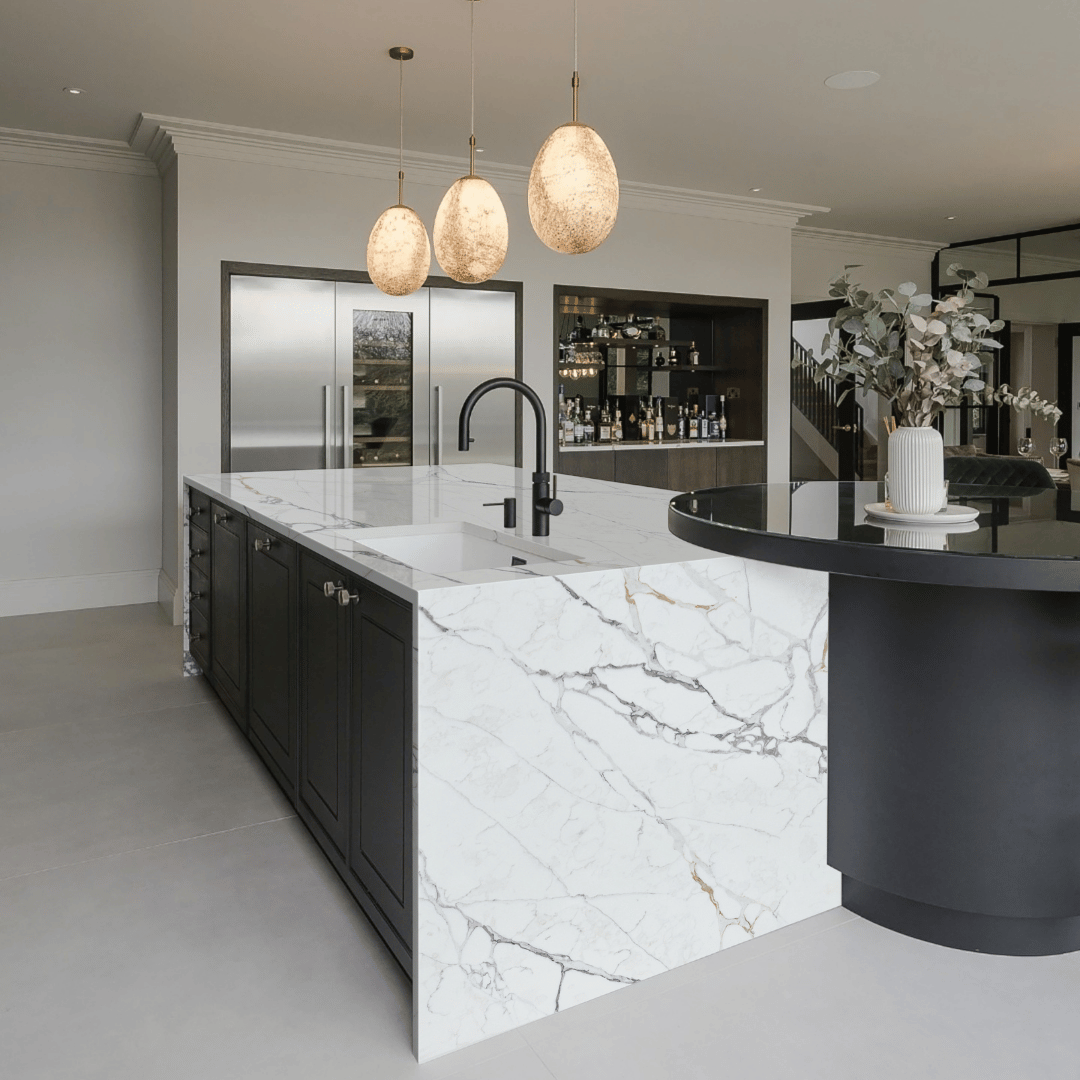
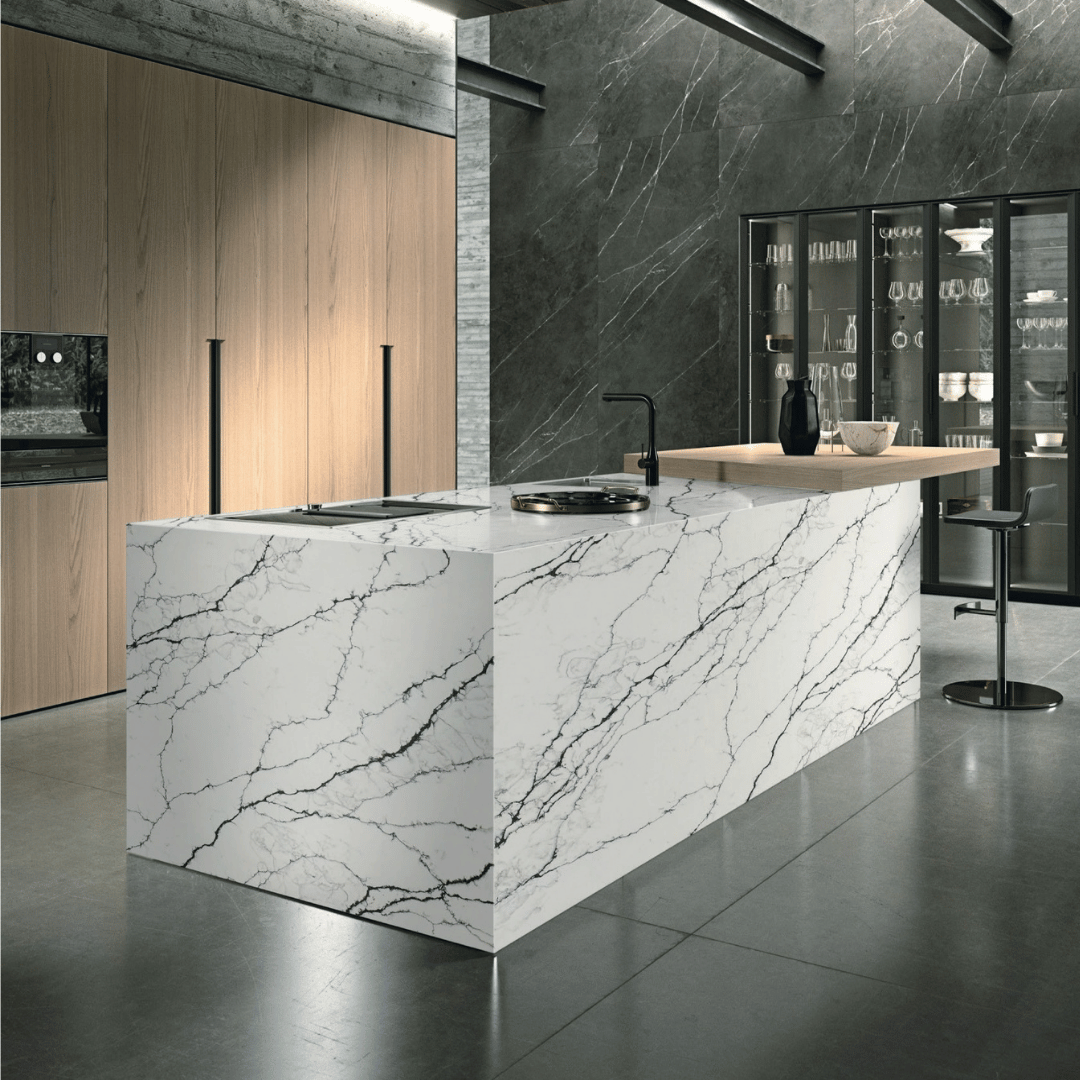
Utilize focal points to draw attention to key products. For instance, a beautifully crafted waterfall island display can serve as a stunning centerpiece. Ensure that your focal points are well-lit and strategically placed for maximum visibility.
3. Open Space vs. Intimacy
Balance open spaces with intimate settings. While open areas allow for easy movement and accessibility, small seating arrangements can provide a comfortable place for discussions. This combination fosters a welcoming atmosphere.
4. Flow and Accessibility
Ensure that pathways are wide enough to accommodate multiple visitors and any necessary equipment, like sample carts. A well-planned flow encourages exploration and interaction.
5. Incorporating Displays
Utilize various display types, such as:
- Vertical Displays: Showcase slabs in vertical orientations to highlight their thickness and texture.
- Horizontal Displays: Use horizontal surfaces to allow customers to touch and feel the materials.
- Backlit Displays: Enhance visual appeal by incorporating backlighting to showcase the unique patterns of your slabs.
Lighting Techniques to Enhance Slab Displays
Lighting plays a crucial role in showcasing premium slab materials. The right lighting can enhance colors, patterns, and textures, making your products more appealing. Here are some effective lighting techniques:
1. Layered Lighting
Implement a layered lighting strategy that includes ambient, task, and accent lighting:
- Ambient Lighting: Provides overall illumination for the showroom.
- Task Lighting: Focuses on specific display areas, allowing customers to examine slabs closely.
- Accent Lighting: Highlights focal points and creates visual interest.
2. Color Temperature
Choose the right color temperature for your lighting. Warmer tones (2700K-3000K) can create a cozy atmosphere, while cooler tones (4000K-5000K) can enhance the clarity of colors and details in the slabs.
3. Natural Light
Whenever possible, incorporate natural light into your showroom design. Large windows and skylights can make the space feel more inviting and allow customers to see how slabs look in daylight.
4. Adjustable Lighting
Consider using adjustable lighting fixtures that can be repositioned as needed. This flexibility allows you to adapt the lighting based on seasonal displays or specific product promotions.
Interactive Elements and Customer Experience
Creating an interactive experience can significantly enhance customer engagement. Here are some ideas for incorporating interactive elements into your showroom:
1. Sample Stations
Set up sample stations where customers can touch and feel different materials. This hands-on approach builds confidence in their selections and encourages them to explore various options.
2. Design Consultation Areas
Designate spaces for private consultations with design professionals. Having a comfortable area where customers can discuss their projects allows for personalized service and enhances the overall experience.
3. Virtual Reality (VR) Experiences
Implement VR technology to allow customers to visualize how different slabs will look in their homes or commercial spaces. This cutting-edge technology can set your showroom apart and engage tech-savvy clients.
4. Educational Displays
Include educational elements that explain the benefits of different materials, such as the advantages of HD quartz surfaces. Informative signage can help customers make informed decisions.
Incorporating Technology in Your Showroom
Embracing technology can streamline operations and enhance customer experience. Consider the following technological integrations:
1. Digital Displays
Use digital displays to showcase your inventory and highlight special promotions. This dynamic approach keeps your offerings fresh and engaging.
2. Inventory Management Systems
Implement an inventory management system that allows real-time tracking of stock levels. This can help you maintain optimal inventory levels and streamline order fulfillment.
3. Customer Relationship Management (CRM) Tools
Utilize CRM tools to manage customer interactions, track leads, and follow up with potential clients effectively. These tools can help build lasting relationships with your customers.
Maintenance and Upkeep of Your Showroom
Regular maintenance is crucial for keeping your showroom in top condition. Here are some maintenance tips:
1. Daily Cleaning
Ensure that all surfaces, displays, and floors are cleaned daily to maintain a professional appearance. Use appropriate cleaning products to protect the integrity of the slabs.
2. Regular Inspections
Conduct regular inspections of displays and lighting to identify any issues that need addressing. Prompt repairs can prevent larger problems down the line.
3. Updating Displays
Periodically update your displays to reflect current trends and new arrivals. This keeps the showroom fresh and encourages repeat visits from customers.
Case Studies: Successful Showroom Designs
To illustrate the effectiveness of well-designed showrooms, let’s explore a few successful case studies:
1. Case Study: XYZ Slab Company
XYZ Slab Company revamped their showroom by creating distinct zones for different materials. They utilized vertical displays and integrated interactive elements, leading to a 30% increase in customer engagement and sales.
2. Case Study: ABC Design Center
ABC Design Center invested in advanced lighting techniques and digital displays. Their focus on customer experience resulted in a 25% increase in repeat customers.
Conclusion and Next Steps
Designing a fabricator showroom that effectively showcases premium slab materials is an ongoing process that requires attention to detail and a focus on customer experience. By understanding your target audience, implementing thoughtful design principles, and embracing technology, you can create a showroom that not only attracts customers but also enhances their overall experience. For more insights on showroom design and premium slabs, visit our blog or contact us to speak with our surface specialists.
Frequently Asked Questions
What is the importance of showroom design for fabricators?
A well-designed showroom enhances customer experience, showcases products effectively, and can lead to increased sales.
How can I improve customer engagement in my showroom?
Incorporate interactive elements, provide design consultation areas, and use technology like VR to engage customers.
What lighting techniques should I use in my showroom?
Use layered lighting, focus on color temperature, and incorporate natural light wherever possible.
How often should I update my showroom displays?
Regular updates, ideally every few months, can keep your showroom fresh and reflect current trends.
What are some effective layout principles for a showroom?
Zone your showroom, create focal points, ensure flow and accessibility, and balance open space with intimate settings.
How can technology enhance my showroom?
Use digital displays, inventory management systems, and CRM tools to streamline operations and improve customer interactions.
What maintenance practices are essential for showrooms?
Daily cleaning, regular inspections, and updating displays are crucial for maintaining a professional appearance.
What are the benefits of using interactive elements in a showroom?
Interactive elements enhance customer engagement, promote hands-on exploration, and can lead to more informed purchasing decisions.