




Why Material Comparison Education Builds Trust and Reduces Returns
Why Material Comparison Education Builds Trust and Reduces Returns
In the realm of architectural surfaces, the choice of materials can make or break a project. As a leading quartz slab distributor in Norcross, GA, Builder Stone Global understands the importance of educating end users about material comparisons. This education not only empowers them to make informed decisions but also fosters trust between suppliers and customers, ultimately leading to reduced returns and enhanced satisfaction. In this comprehensive guide, we will delve into the significance of material comparison education, its impact on building trust, and how it can significantly minimize product returns.
Importance of Material Education
Material education is crucial for end users, particularly in the context of high-performance surfaces such as quartz, porcelain, and natural stone. Understanding the differences between materials enables customers to choose products that best fit their needs, aesthetics, and practical requirements. According to a study by the National Association of Industrial and Office Properties (NAIOP), informed customers are more likely to be satisfied with their purchases, leading to a higher likelihood of repeat business.
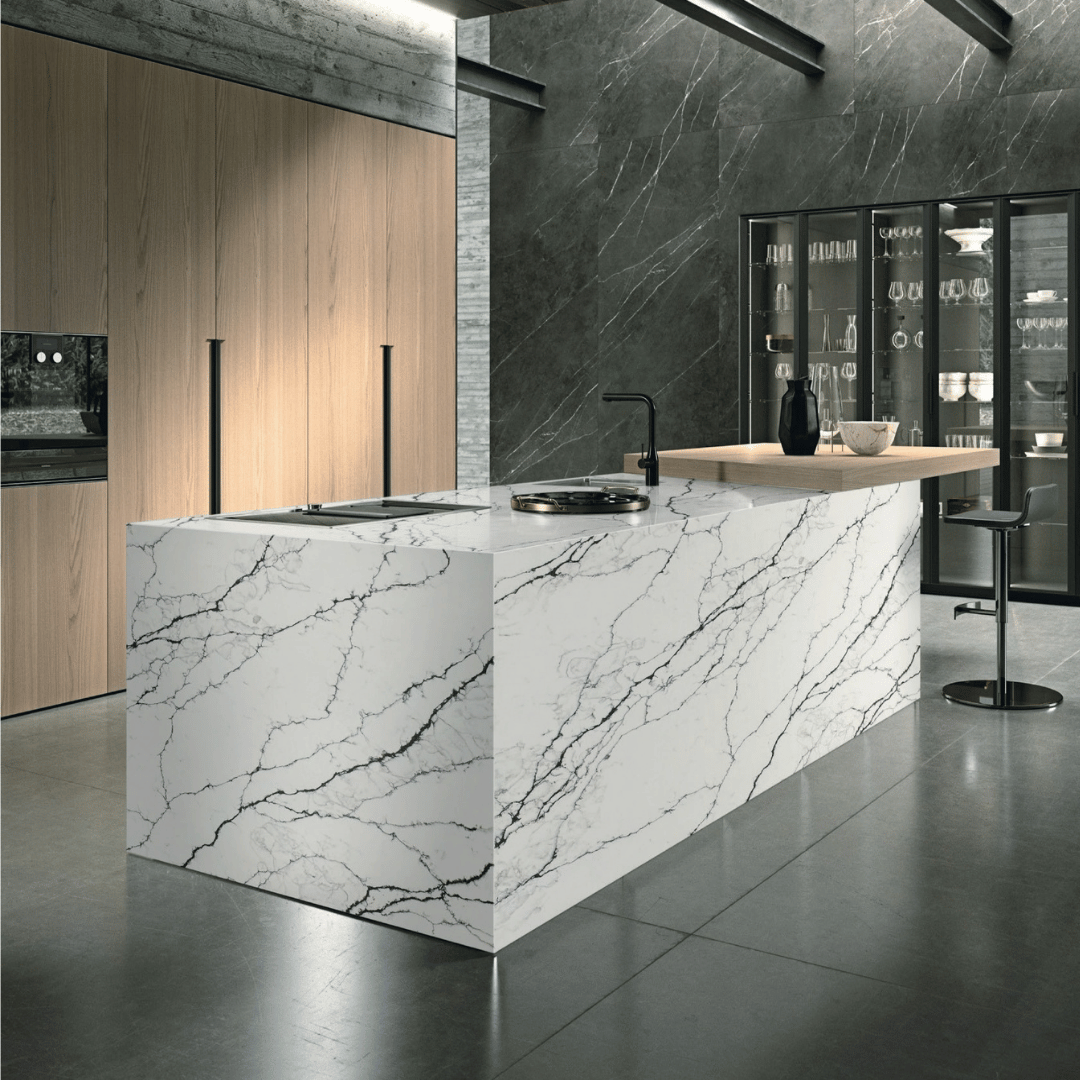
Moreover, as the demand for premium architectural surfaces rises, so does the complexity of the choices available. For instance, when selecting a quartz slab, customers might consider factors like color, pattern, finish, and thickness. A lack of understanding in these areas can lead to poor choices, dissatisfaction, and ultimately, returns. Providing educational resources helps bridge this gap, allowing customers to navigate their options with confidence.
Building Trust Through Education
Trust is a cornerstone of any successful business relationship. For suppliers like Builder Stone Global, building trust through education involves transparent communication and providing accurate information regarding product performance and characteristics. Here are several ways material comparison education fosters trust:
- Transparency: By providing clear, unbiased information about various materials, suppliers can demonstrate their commitment to customer satisfaction. For example, discussing the differences between quartz and porcelain countertops can help customers understand which material best suits their needs.
- Expertise: When suppliers educate their customers, they position themselves as industry experts. This expertise builds credibility, as customers are more likely to trust a supplier who can articulate the benefits and drawbacks of different materials.
- Engagement: Educational initiatives, such as workshops, webinars, or informative blog posts, engage customers in the decision-making process. This engagement helps customers feel valued and respected, further solidifying trust.
Case Study: Successful Education Programs
Many successful companies have implemented educational programs to enhance customer understanding. For instance, the Mohs Hardness Scale is a well-known tool that helps customers understand the durability of different materials, particularly in natural stone applications. By educating customers about material hardness, suppliers can help them make informed decisions about which materials will withstand wear and tear in their specific environments.
Reducing Returns with Informed Decisions
Returns can be costly for suppliers and frustrating for customers. According to the Shopify Return Insights Report, nearly 30% of online purchases are returned. However, by fostering a deeper understanding of material properties and applications, suppliers can significantly reduce these return rates.
Understanding Material Properties
Educating customers about the properties of different materials helps them make choices that align with their project requirements. For example, understanding the differences in heat resistance, stain resistance, and maintenance needs between quartz, granite, and porcelain can guide customers towards the right selection for their kitchens or bathrooms.
Comparison Table: Key Material Properties
| Material Type | Heat Resistance | Stain Resistance | Maintenance |
|---|---|---|---|
| Quartz | Good | Excellent | Low |
| Granite | Excellent | Good | Medium |
| Porcelain | Excellent | Excellent | Low |
As illustrated in the table above, each material has distinct characteristics that can influence customer choice. By educating customers about these differences, suppliers can help them select the most appropriate material for their specific applications, thereby minimizing the likelihood of returns.
Actionable Tips for Material Comparison Education
To effectively educate end users about material comparisons, suppliers can implement several actionable strategies:
- Create Informative Content: Develop blog posts, videos, and infographics that compare different materials, highlighting their unique features and benefits. For instance, consider writing about HD quartz and its advantages over standard quartz surfaces.
- Host Workshops and Webinars: Organize educational sessions where customers can learn about various materials, ask questions, and gain hands-on experience with samples. This interactive approach can enhance understanding and retention.
- Utilize Social Media: Leverage platforms like Instagram and Pinterest to showcase projects that highlight the beauty and functionality of different materials. Share customer testimonials and case studies to further build trust.
- Engage with Customers: Encourage customers to share their experiences and questions regarding materials. This engagement can provide valuable insights into customer needs and preferences.
FAQ
1. Why is material education important for end users?
Material education helps end users make informed decisions regarding their purchases, ensuring they choose the right products for their needs. This knowledge reduces the likelihood of dissatisfaction and returns.
2. How can suppliers build trust through education?
Suppliers can build trust by providing transparent, unbiased information about product characteristics and performance. Engaging customers through educational initiatives further enhances this trust.
3. What are the main benefits of reducing returns?
Reducing returns benefits suppliers by minimizing costs associated with restocking and processing returns. It also enhances customer satisfaction, leading to repeat business and referrals.
4. What types of materials should be compared?
Common materials for comparison include quartz, granite, porcelain, and quartzite. Each material has unique properties that can influence customer choice based on their specific applications and needs.
5. How can I learn more about different materials?
Consult educational resources, such as blog posts and guides from reputable suppliers like Builder Stone Global, or attend workshops and webinars focused on material education.
6. How does material choice affect project outcomes?
The choice of material can significantly impact the aesthetics, durability, and maintenance needs of a project. Understanding these factors helps ensure the right material is selected for the intended application.
7. What role does customer engagement play in material education?
Customer engagement fosters a two-way communication channel where suppliers can address questions and concerns, leading to a better understanding of customer needs and preferences.
8. Can education efforts lead to higher sales?
Yes, effective education efforts can lead to higher sales by empowering customers to make informed decisions, increasing their confidence in their purchases, and enhancing overall satisfaction.