
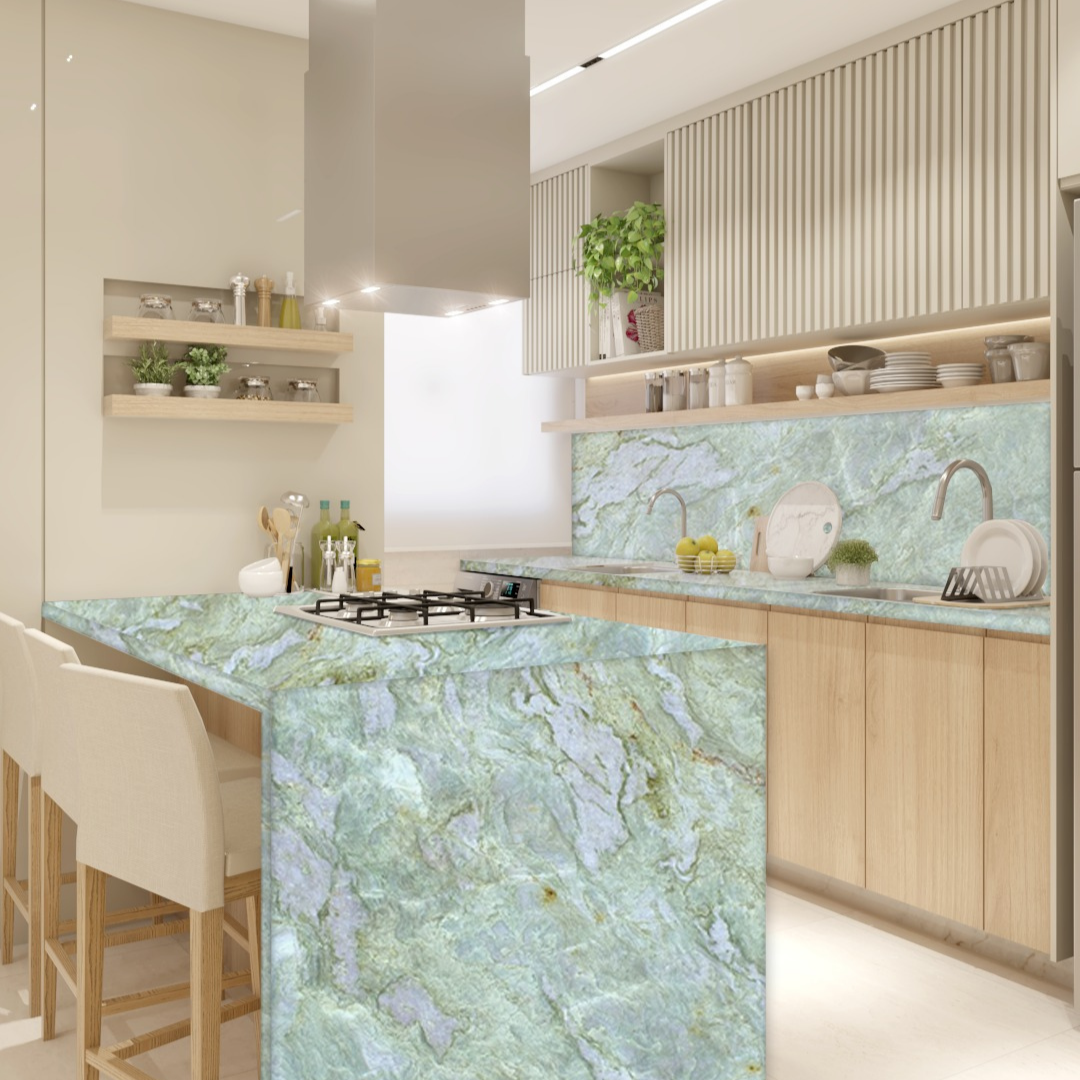
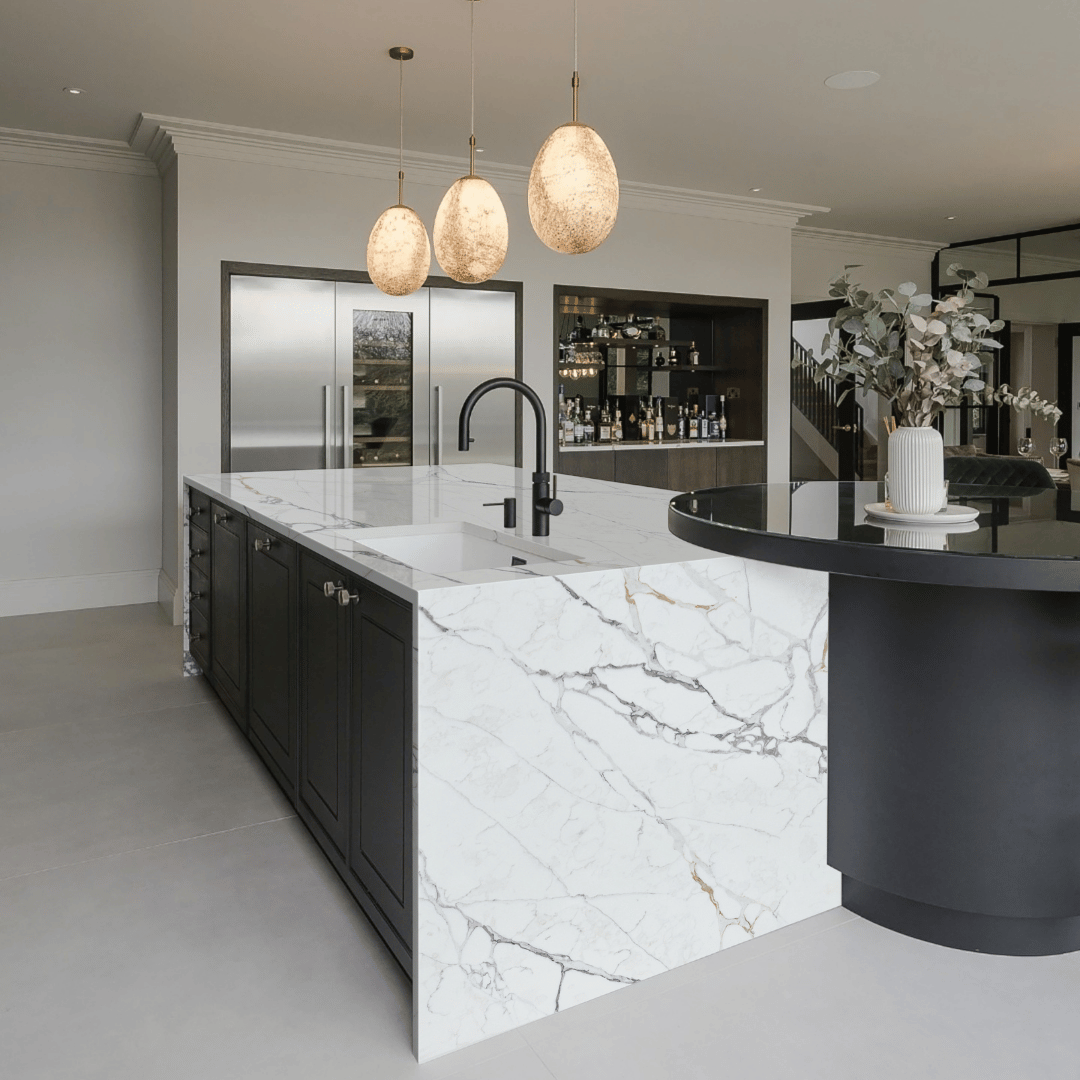
Quartz Stain Resistance Explained: The Ultimate Guide to Maintenance and Care
Quartz Stain Resistance Explained: The Ultimate Guide to Maintenance and Care
When it comes to choosing materials for countertops, flooring, and other architectural surfaces, homeowners and designers alike often turn to quartz for its aesthetic appeal and durability. One of the standout features of quartz surfaces is their remarkable stain resistance. In this comprehensive guide, we will explore the science behind quartz stain resistance, the benefits it offers, and how to maintain and care for your quartz surfaces to ensure they remain beautiful for years to come.
Understanding Quartz and Its Composition
Quartz surfaces are engineered stones made by combining about 90-95% crushed natural quartz crystals with resins, polymers, and pigments. This manufacturing process results in a non-porous surface that is incredibly durable and resistant to various stains and spills that can occur in kitchens and bathrooms.
Why is Stain Resistance Important?
Stain resistance is crucial for any surface that will endure daily wear and tear. Here are some reasons why you should consider stain resistance when selecting materials:
- Ease of Maintenance: Stain-resistant surfaces are easier to clean and maintain, saving time and effort in daily upkeep.
- Longevity: A surface that doesn’t absorb spills and stains will last longer and retain its aesthetic appeal, reducing the need for replacements.
- Hygiene: Non-porous surfaces do not harbor bacteria and other pathogens, making them more hygienic for food preparation and other tasks.
How Quartz Achieves Stain Resistance
The stain resistance of quartz surfaces primarily stems from their non-porous nature. Unlike natural stones such as granite or marble, which can absorb liquids and harbor stains, quartz surfaces repel spills and prevent penetration. Here’s how this works:
- Non-Porous Surface: The resin used in the production of quartz fills the tiny spaces between the quartz crystals, creating a solid surface that does not allow liquids to seep through.
- Durability: The strength of quartz makes it resistant to scratches and impacts that could lead to damage and staining.
- Easy to Clean: Most spills can be easily wiped away with a damp cloth and mild soap, preventing the buildup of stains.
Common Stains and How to Prevent Them
While quartz surfaces are highly stain-resistant, it’s essential to be aware of substances that can potentially cause discoloration or damage:
- Red Wine: While it’s not likely to stain, it’s best to wipe up spills immediately to prevent any potential discoloration.
- Cooking Oils: Excess oil can create a film on the surface. Regular cleaning helps mitigate this issue.
- Acidic Foods: Foods like citrus and vinegar can dull the surface if left on for extended periods. Always clean up after food prep.
- Permanent Markers: If ink from markers gets on the surface, use a non-abrasive cleaner to remove it quickly.
Maintenance Tips for Quartz Surfaces
To keep your quartz surfaces looking their best and ensure their stain resistance lasts, follow these maintenance tips:
- Regular Cleaning: Use a soft cloth or sponge with warm soapy water to clean surfaces regularly. Avoid harsh chemicals that can damage the resin.
- Use Cutting Boards: To prevent scratching, always use cutting boards when preparing food.
- Avoid Heat Sources: While quartz is heat resistant, placing hot pots directly on the surface can damage the resin. Use trivets or hot pads.
- Sealants: Unlike natural stones, quartz does not require sealing, but it’s vital to check with your supplier for specific care instructions.
Conclusion
Quartz surfaces offer an exceptional combination of beauty and practicality, especially when it comes to stain resistance. With proper care and maintenance, your quartz countertops, flooring, and other surfaces can maintain their stunning appearance and functionality for years. If you’re looking for premium quartz options, consider visiting Builder Stone Global to explore our extensive collection of high-quality quartz slabs.
Frequently Asked Questions About Quartz Stain Resistance
1. What makes quartz stain-resistant? Quartz is engineered to be non-porous, preventing liquids from penetrating the surface.
2. Can I use bleach to clean quartz? It’s best to avoid bleach and other harsh chemicals; use mild soap and water instead.
3. Are there any stains that quartz cannot resist? While quartz is highly stain-resistant, it’s best to clean up spills promptly to prevent any potential discoloration.
4. Do I need to seal my quartz countertops? No, quartz does not require sealing due to its non-porous nature.
5. How can I remove stains from quartz? Most stains can be wiped away with a damp cloth and mild soap. For tougher stains, use a non-abrasive cleaner.
Contact Us
If you have more questions about quartz stain resistance or want to explore our stunning quartz surfaces, contact our team at Builder Stone Global today!