Quartz Slabs vs Quartzite in Georgia: Which Is Better for Your Next Project?
Quartz Slabs vs Quartzite in Georgia: Which Is Better for Your Next Project?
Updated on August 13, 2026
When it comes to selecting the right material for countertops, flooring, and other surfaces, homeowners and designers in Georgia often find themselves debating between quartz slabs and quartzite. Both materials offer distinct advantages and are popular choices for both residential and commercial applications. But which one is better for your specific needs? In this comprehensive guide, we’ll explore the differences between quartz slabs and quartzite, their applications, benefits, and help you make an informed decision for your next project.
Understanding Quartz and Quartzite
Before we delve into the comparison, it’s essential to understand what quartz and quartzite are. Quartz is an engineered stone made from approximately 90-95% crushed natural quartz crystals mixed with resins and pigments. This manufacturing process allows for a wide variety of colors and patterns, making quartz slabs highly customizable.
On the other hand, quartzite is a natural metamorphic rock that originates from sandstone. Through a process of high heat and pressure, sandstone is transformed into quartzite, giving it a dense and durable structure. Quartzite is often appreciated for its stunning natural patterns and colors, which can be enhanced through polishing.
Durability and Performance
Both quartz and quartzite are known for their durability, but there are some differences worth noting. Quartz slabs are non-porous, which means they resist stains, bacteria, and moisture, making them an excellent choice for kitchen countertops and bathroom vanities. Their engineered nature also allows them to be produced in various thicknesses and sizes, catering to a wide range of design preferences.
Quartzite, while also durable, is a natural stone that can be more porous than quartz. This porosity means that it may require sealing to prevent stains and moisture absorption, especially in kitchen applications where spills are common. However, when properly maintained, quartzite is highly resistant to scratching and heat, making it a viable option for countertops as well.
Design and Aesthetics
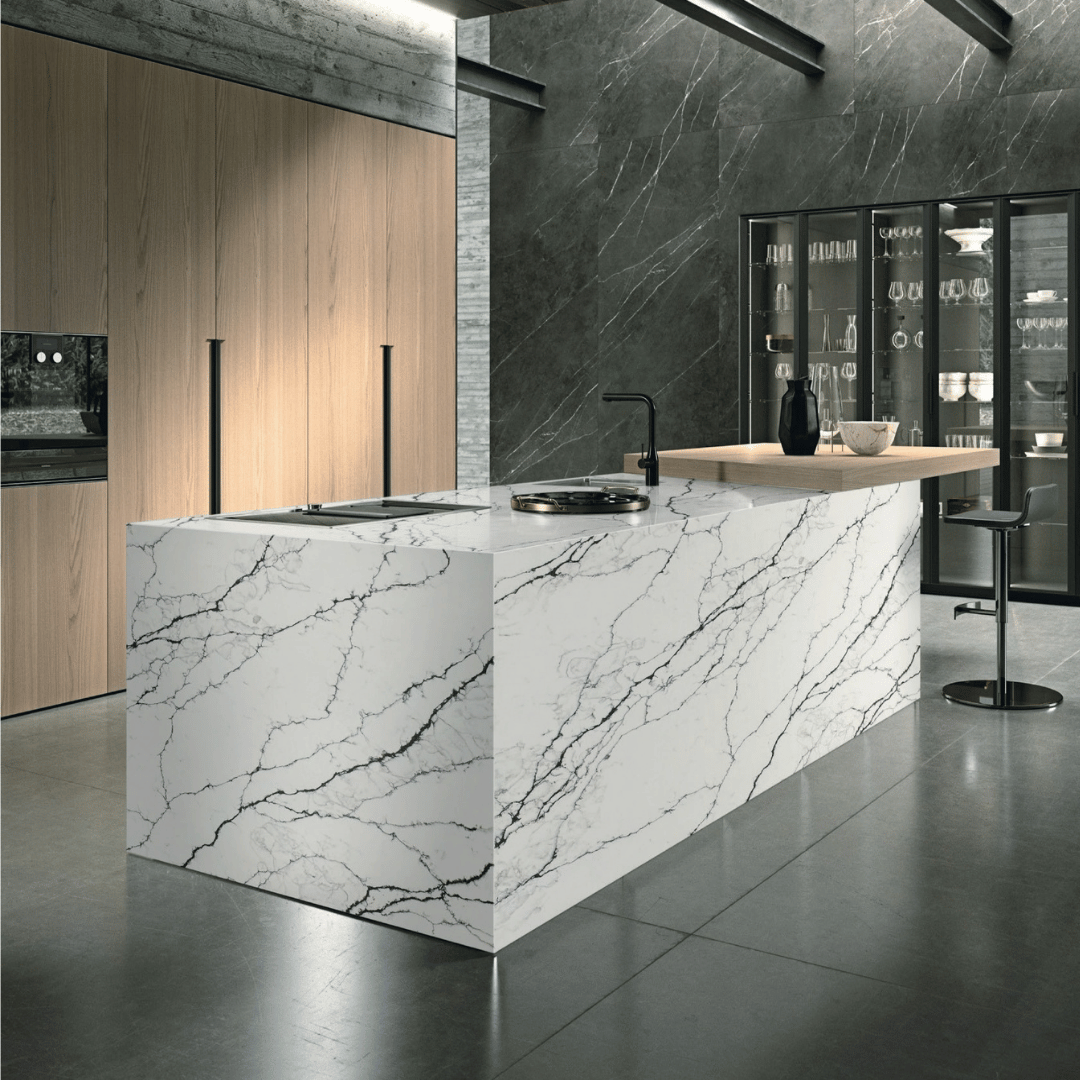
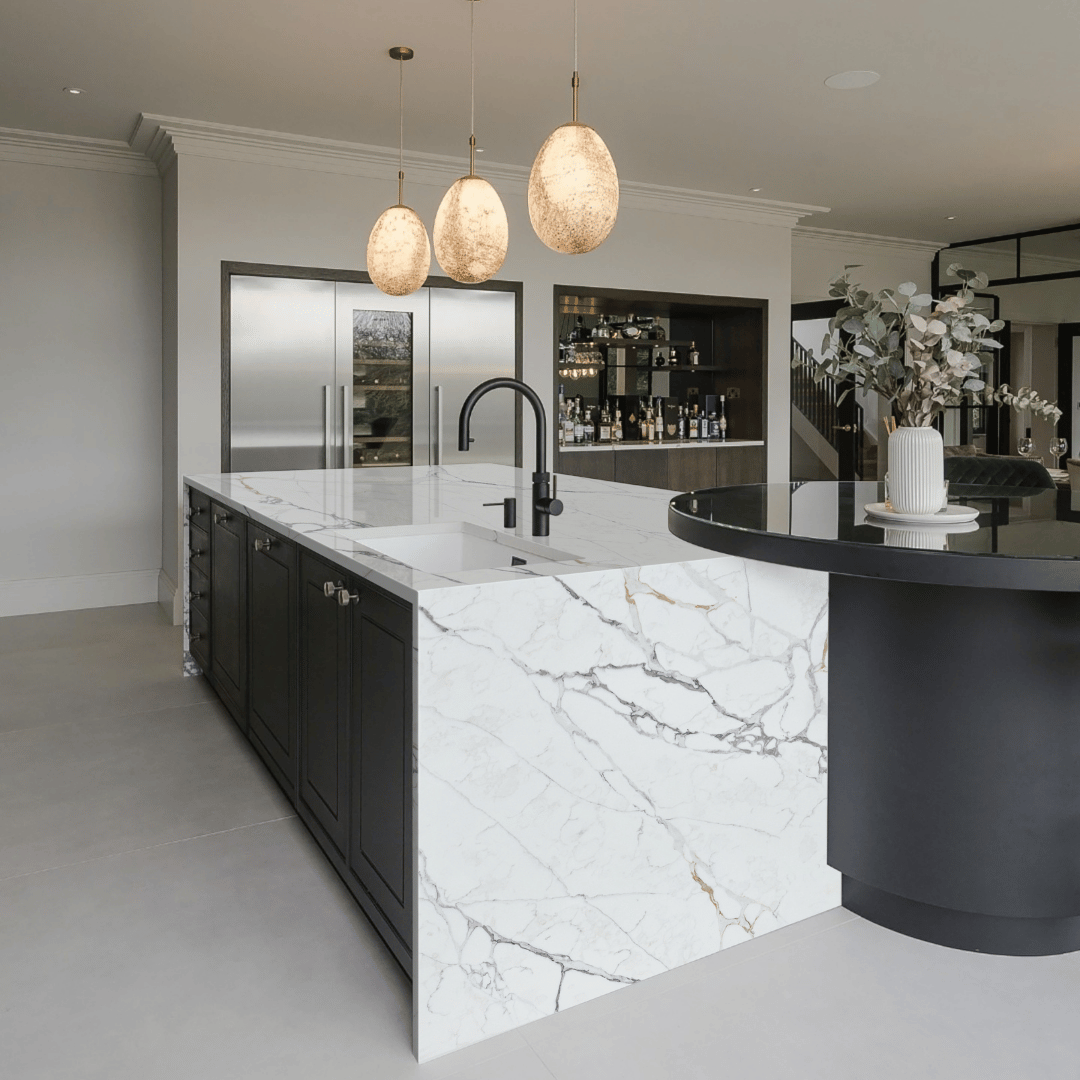
The aesthetic appeal is a crucial consideration when choosing between quartz slabs and quartzite. Quartz offers an extensive range of colors and patterns due to its engineered nature. Homeowners can find quartz slabs that mimic the appearance of natural stones like marble and granite, providing a high-end look without the associated maintenance.
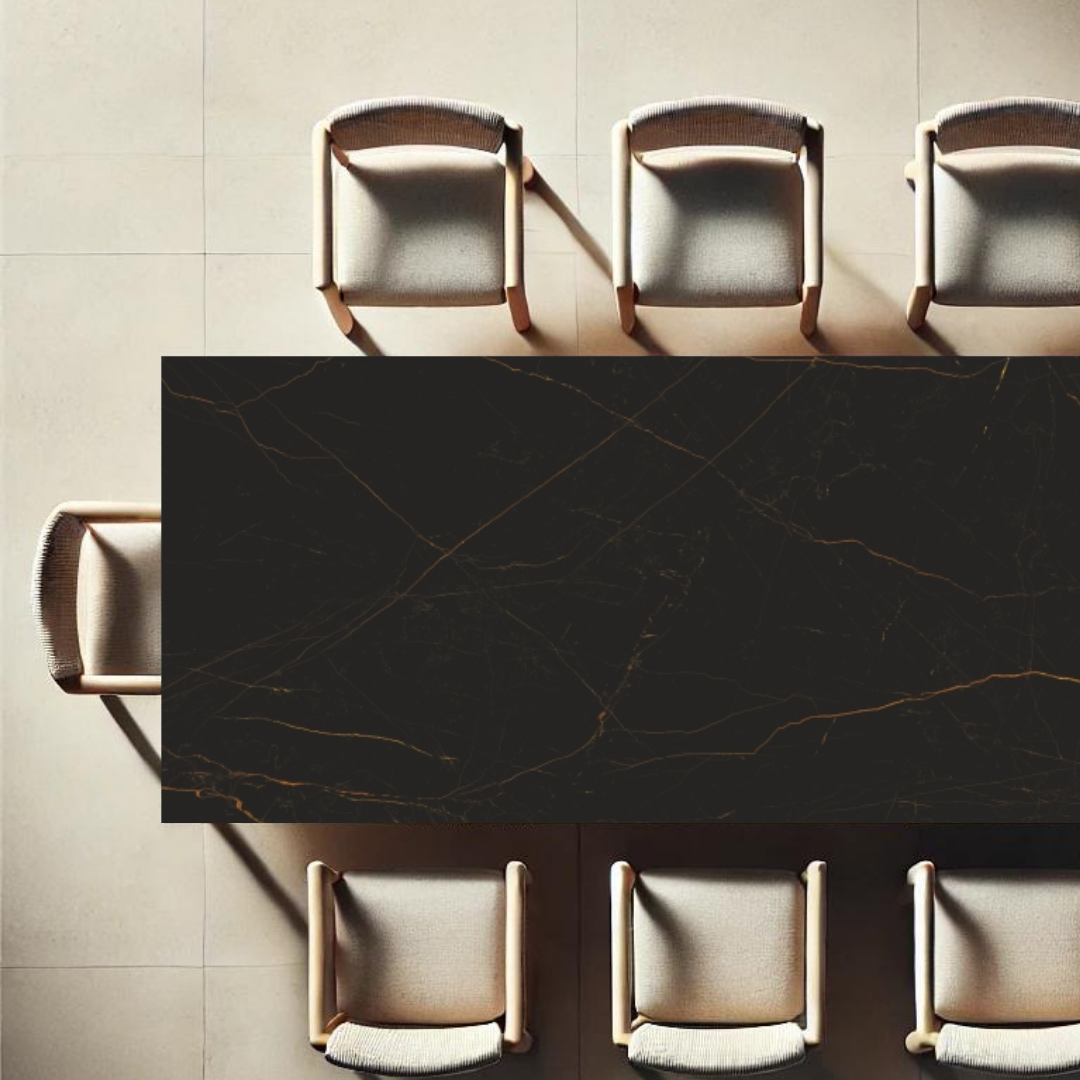
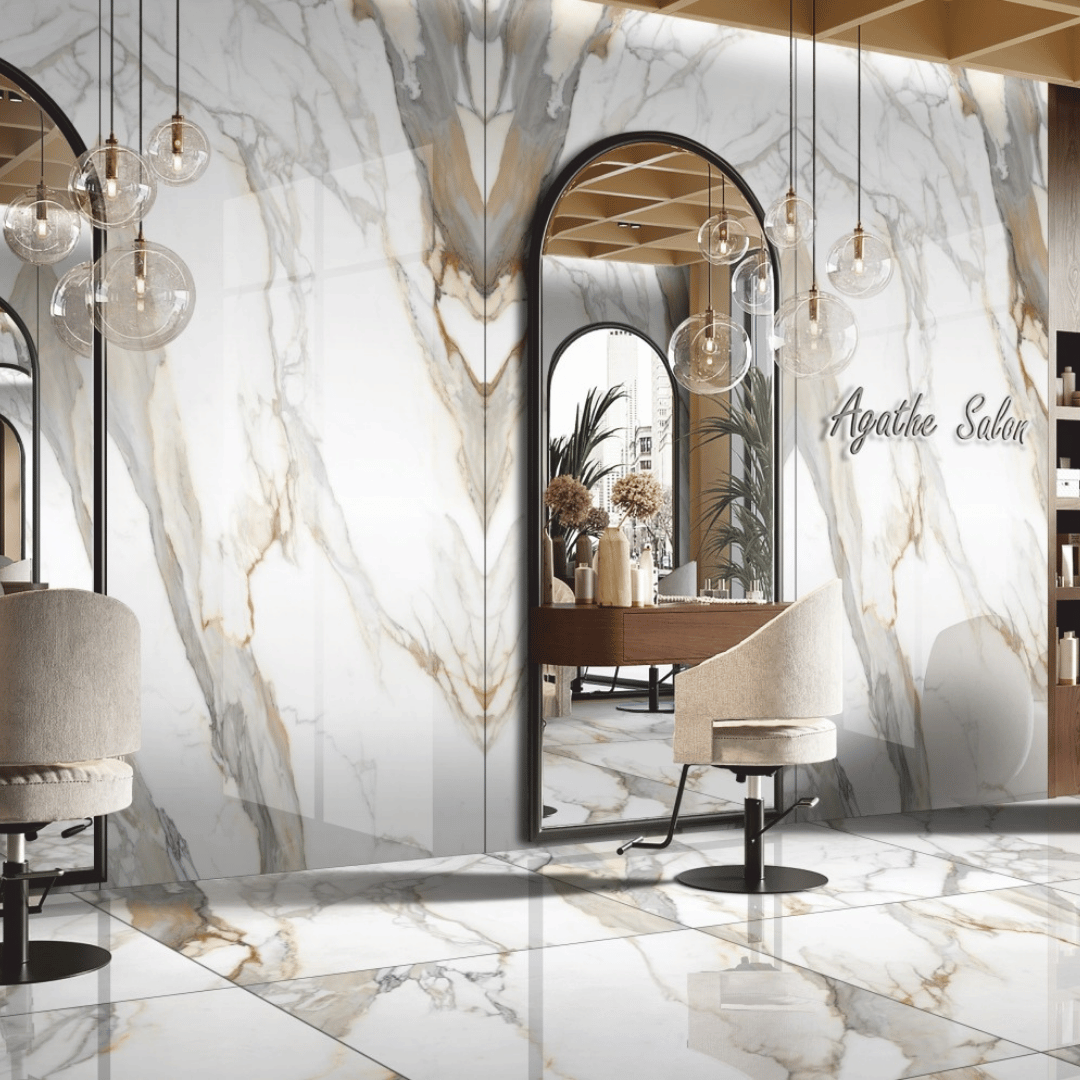
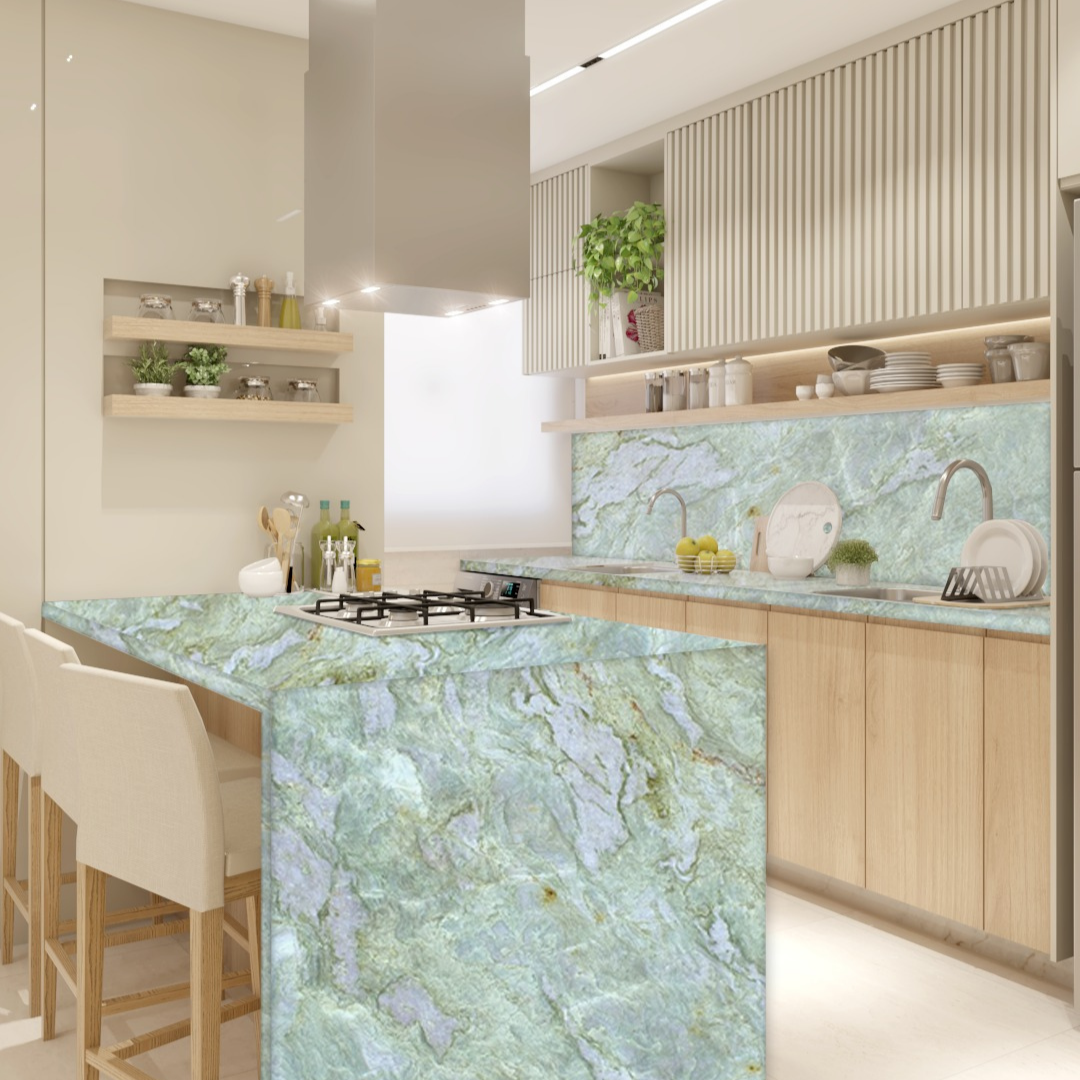
Quartzite, on the other hand, showcases the beauty of nature with its unique patterns and textures. Each slab of quartzite is one-of-a-kind, often featuring stunning veining and color variations that can add character to any space. If you’re looking for a natural stone aesthetic, quartzite is an excellent choice.
Cost Considerations
Budget plays a significant role in material selection. Generally, quartz slabs can be more affordable than quartzite, especially when considering installation costs. The engineered nature of quartz allows for more extensive production, which can drive down prices. However, high-end quartz options can also be pricey depending on the design and brand.
Quartzite, being a natural stone, can vary widely in cost based on its source and rarity. Exotic quartzite stones with unique colors and patterns can be quite expensive, often surpassing the price of premium quartz slabs. It’s important to consider both material and installation costs when budgeting for your project.
Maintenance and Care
When it comes to maintenance, quartz slabs have the upper hand due to their non-porous nature. They require minimal upkeep, typically needing just regular cleaning with soap and water to maintain their appearance. No sealing is required, making them a low-maintenance option for busy households.
Quartzite requires more attention. It should be sealed periodically to prevent staining and moisture damage. Regular cleaning with mild soap and water is recommended, and abrasive cleaners should be avoided to preserve its polished finish. With proper care, quartzite can last for many years, but homeowners should be prepared for the additional maintenance.
Applications
Both quartz slabs and quartzite can be used in a variety of applications, including:
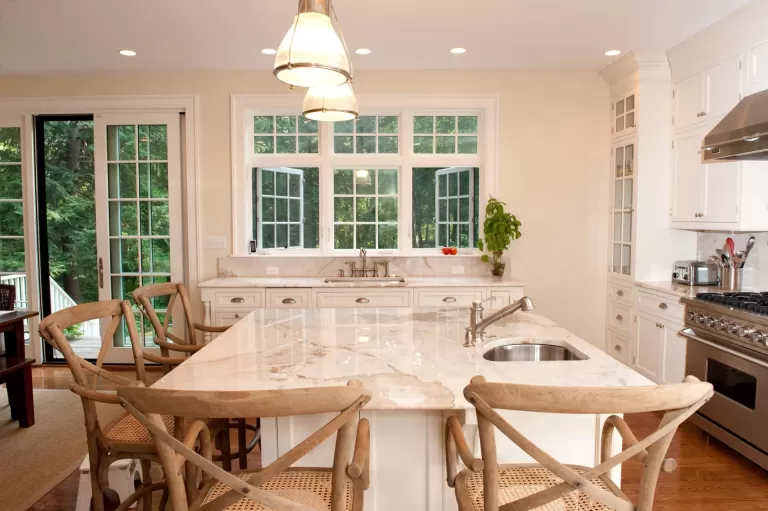
- Kitchen countertops: Both materials are suitable, but quartz is often preferred for its low maintenance.
- Bathroom vanities: Quartz offers a wide range of colors, while quartzite provides a natural aesthetic.
- Flooring: Quartzite is durable enough for high-traffic areas, while quartz slabs can be used for a polished look.
- Backsplashes: Both materials can add style and functionality to kitchens and bathrooms.
Conclusion: Which Is Better for You?
Ultimately, the choice between quartz slabs and quartzite comes down to your specific needs, preferences, and budget. If you prioritize low maintenance, customization, and a wide range of colors, quartz slabs are likely the better option for you. However, if you favor natural beauty, unique patterns, and are willing to invest in maintenance, quartzite may be the right fit.
At Builder Stone Global, we offer a diverse selection of premium quartz slabs and natural quartzite, catering to the unique needs of homeowners, designers, and contractors across Georgia. If you’re still unsure which material is best for your project, contact our team today to discuss your options and schedule a visit to our Norcross showroom. Let us help you find the perfect surface to elevate your space!
Frequently Asked Questions
1. What is the main difference between quartz and quartzite?
Quartz is an engineered stone made from resin and natural quartz, while quartzite is a natural metamorphic rock.
2. Is quartz more durable than quartzite?
Both are durable, but quartz is non-porous, making it more resistant to stains and bacteria.
3. Do I need to seal quartzite?
Yes, quartzite should be sealed periodically to prevent staining.
4. Can I use quartz for outdoor applications?
While quartz can be used outdoors, it is more susceptible to UV damage compared to quartzite.
5. How do I clean quartz and quartzite surfaces?
Both can be cleaned with mild soap and water; avoid abrasive cleaners.
6. What colors are available for quartz and quartzite?
Quartz offers a wider variety of colors and patterns, while quartzite features unique natural variations.
7. How much do quartz slabs and quartzite cost?
Quartz is generally more affordable, but prices vary based on brand and style for both materials.
8. Is quartz eco-friendly?
Quartz can be considered eco-friendly due to its durability and low maintenance, reducing waste over time.
9. How thick are quartz and quartzite slabs?
Both materials come in various thicknesses, typically from 2 cm to 3 cm.
10. Where can I find quartz slabs and quartzite in Georgia?
Builder Stone Global is your go-to source for premium quartz slabs and quartzite in Norcross, GA.